7 Inch MIPI Display: Features, Benefits, and Application Cases
 2026-03-23
  17:54
17:54 

Introduction
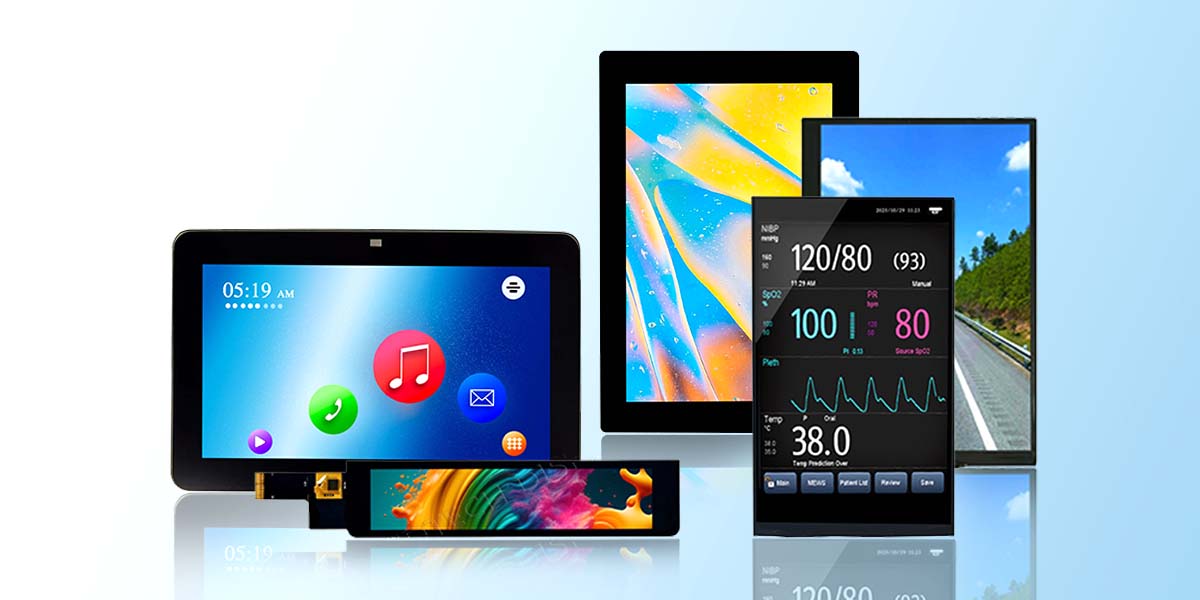
Nowadays, embedded devices across all industries are becoming smaller and smarter, and the 7-inch MIPI DSI display has become a top choice for modern embedded systems. It stands out for its fast serial data transmission, ultra-low power use, and professional display performance.
MIPI-based LCD modules are now widely used in high-demand fields like industrial control, medical equipment, smart home, automotive electronics, and handheld terminals—all scenarios where stability, compact size, and energy efficiency are crucial. This article breaks down the core specs, key features, unique advantages, real application cases, and selection tips of 7-inch MIPI displays, giving engineers, product designers, and OEM/ODM partners clear, practical references for product development decisions.
What Is a 7 Inch MIPI Display?
MIPI Interface Overview
MIPI, short for Mobile Industry Processor Interface, and its key variant MIPI DSI (Display Serial Interface), is a high-speed serial communication interface originally designed for mobile and embedded devices. Now it’s the de facto standard for small and medium display modules in industrial and professional use.
Unlike traditional parallel interfaces such as RGB, or even serial LVDS, MIPI DSI transfers data faster with far fewer pins. This eliminates messy wiring and lets products be designed much more compactly—a must for today’s miniaturized embedded devices.
Key Specifications
Below are the standard industrial-grade specs of a 7-inch MIPI DSI display, and all can be customized to fit your specific application needs:
- Resolution: 1024×600 (WVGA) / 1280×800 (WXGA) — perfect for medium-sized screen interaction and data display
- Brightness: 300~1000 nits (a sunlight-readable high-brightness version is optional) — works well in both indoor and outdoor lighting
- Display Type: IPS (In-Plane Switching) — 178° full wide viewing angles, no color distortion when viewed from the side
- Touch Panel: Capacitive multi-touch (4/5-point, optional) — sensitive and accurate for easy human-machine operation
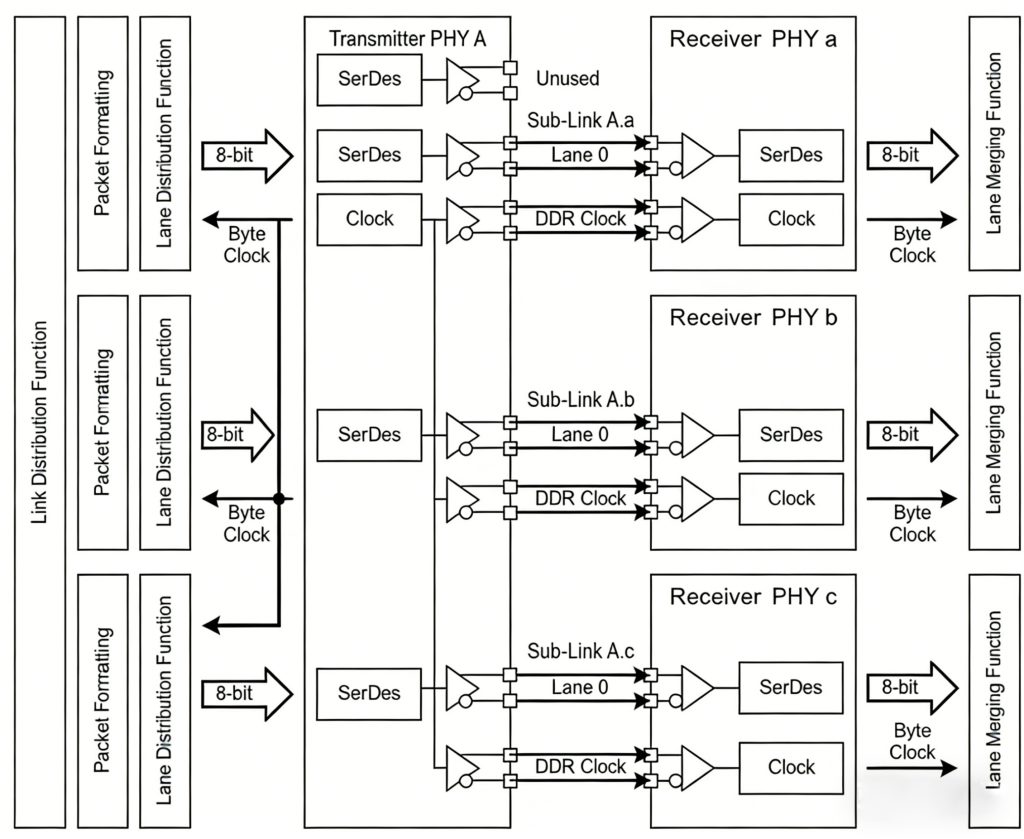
- Interface: MIPI DSI (2-lane / 4-lane) — adjustable transmission speed for different resolution and display refresh needs
Featured 7-Inch MIPI Display Models by CDTech
To help you fast-track your project, we have selected three of our most popular 7-inch MIPI DSI modules, ranging from standard industrial use to high-brightness automotive applications. Each module is available for immediate technical evaluation and customization.
|
Model Series |
Resolution |
Brightness |
Operating Temp. |
Interface |
Best For |
|
1200×1920 |
2300nits |
-20°C~+70°C |
MIPI 40PIN |
Outdoor Digital Signage, High-precision Industrial Monitors |
|
|
600×1024 |
350nits |
-10°C~+60°C |
MIPI 31PIN |
Portable Medical Handhelds, Diagnostic Equipment |
|
|
1024×600 |
1000nits |
-30°C~+85°C |
MIPI 30PIN |
Automotive IVI, Rugged Industrial Systems |
|
|
280×1424 |
550nits |
-20°C~+70°C |
MIPI 30PIN |
Smart Home Appliances, Desktop Control Strips |
|
|
800×1280 |
320 |
-20°C~+70°C |
MIPI 31PIN |
Electronic Rearview Mirrors, Streaming Media Dashboards |
From ultra-slim bar displays (280×1424) to extreme sunlight-readable modules (2300 nits), CDTech offers a complete 7-inch MIPI ecosystem to match your specific hardware constraints and environmental demands.
Key Features and Advantages
1. Fast and Stable Data Transmission
MIPI DSI supports ultra-high transmission speed (up to Gbps level) and can be set to 2 or 4 transmission lanes. This ensures smooth real-time image display, high-frame-rate video playback, and lag-free data visualization—super important for high-resolution scenarios like industrial control screens and medical diagnostic equipment.
2. Ultra-Low Power Consumption
MIPI DSI is optimized for mobile and battery-powered devices, using 30% or more less power than HDMI and LVDS interfaces by reducing signal transmission loss. This makes portable devices like handheld POS machines and medical patient monitors last longer on a charge, and also cuts energy use for fixed industrial equipment.
3. Professional-Grade Display Quality
Equipped with IPS panel technology, the 7-inch MIPI display has 178° horizontal and vertical wide viewing angles, high contrast, and accurate color reproduction. No matter which angle you view it from, the content is clear and consistent—avoiding misreading of important data in industrial operations or medical work.
4. Compact and Easy to Integrate
The serial design of MIPI DSI cuts the number of pins by more than 50% compared to traditional RGB parallel interfaces, making PCB board layout and wiring much simpler. This lets products be designed slimmer and lighter, perfectly matching the trend of smaller embedded devices.
5. Strong Anti-Interference and Stable Signals
MIPI DSI uses differential signaling technology, which effectively blocks electromagnetic interference (EMI) and reduces signal radiation. Even in noisy industrial environments with lots of electrical equipment, it can maintain stable signal transmission, preventing screen flicker or data distortion caused by external interference.
6. Works in Extreme Temperatures
Industrial-grade 7-inch MIPI display modules can operate in a wide temperature range of -20°C to +70°C, and can even be customized to -40°C to +85°C for harsher industrial conditions. It runs reliably in high or low temperature scenarios like outdoor industrial control and car interiors.
Why Choose MIPI Over Other Interfaces?
For engineers and product designers, choosing the right interface is critical. The following comparison provides a clear overview of MIPI versus other common display interfaces:
|
Interface |
Data Speed |
Power |
Pin Count |
EMI Resistance |
Design Complexity |
|
MIPI DSI |
Very High |
Low |
Low |
⭐⭐⭐⭐⭐ |
Medium |
|
LVDS |
High |
Medium |
Medium |
⭐⭐⭐⭐ |
Medium |
|
HDMI |
Very High |
High |
High |
⭐⭐⭐ |
Low |
|
RGB |
Low |
High |
Very High |
⭐ |
Low |
MIPI offers the best balance between performance, power efficiency, and EMI stability for embedded systems.
MIPI DSI Lane Configuration
In addition to interface type, lane configuration is a critical factor when selecting a MIPI DSI display, as it directly affects available bandwidth and display performance.
MIPI DSI supports multiple data lanes (typically 2-lane or 4-lane), allowing designers to balance performance and power consumption based on application requirements.
Typical Guidelines:
- 2-Lane Configuration
Suitable for lower-resolution or lower-refresh-rate applications such as 800 × 480 displays.
It provides sufficient bandwidth while minimizing power consumption and system complexity. - 4-Lane Configuration
Recommended for higher-resolution displays such as 1024 × 600or 1280 × 800, especially when higher refresh rates or smoother UI performance are required.
The additional lanes significantly increase data throughput, ensuring stable image transmission without frame drops or latency issues.
Engineering Insight:
Selecting the correct lane configuration ensures that the display operates within its bandwidth limits.
Under-configured lanes may lead to display artifacts such as flickering, tearing, or frame loss, particularly in dynamic or data-intensive applications.
If your MCU only outputs RGB signals, a direct MIPI interface may not be available.
CDTech provides RGB-to-MIPI bridge solutions, enabling seamless integration without redesigning your core system.
Key Takeaways
- MIPI DSI strikes the best balance of fast speed, low power, compact design, and anti-interference—the four most important requirements for modern industrial and medical embedded displays
- It’s the most cost-effective and easy-to-integrate choice for small, battery-powered, or harsh-environment embedded/portable devices
- Compared to LVDS and RGB, it reduces cable and PCB layout complexity by over 50%, cutting product development and manufacturing costs
Application Scenarios of 7 Inch MIPI Display
Industrial Equipment
Used in HMI panels, factory automation systems, and industrial control devices.
Technical Tip:
Designed for harsh environments with strong EMI, MIPI’s differential signaling ensures stable data transmission and minimal signal interference in electrically noisy conditions.
Medical Devices
Applied in portable monitors, diagnostic equipment, and patient monitoring systems.
Technical Tip: Our 7″ MIPI modules feature low-EMI architecture, providing a solid foundation to assist your medical device in meeting IEC 60601-1-2 EMC system-level requirements.
Smart Home & IoT
Ideal for smart control panels, home automation systems, and IoT gateways.
Technical Tip:
Low power consumption and compact interface design make it suitable for space-constrained and energy-efficient smart devices.
Handheld Terminals
Used in POS systems, barcode scanners, and portable industrial devices.
Technical Tip:
Optimized for battery-powered operation with low power consumption and responsive capacitive touch interaction.
Automotive Displays
Integrated into dashboards, infotainment systems, and rear-seat displays.
Technical Tip:
Supports wide temperature ranges and EMI stability, meeting the demands of complex automotive electronic environments.
Customization Options
To meet the diverse needs of industrial, medical, automotive, and IoT applications, our 7-inch MIPI DSI displays offer flexible, professional customization—letting the display integrate seamlessly with your product and cutting secondary development costs:
- High brightness customization: Up to 1000 nits or higher sunlight-readable version for outdoor/strong light environments
- Touch panel customization: Capacitive multi-touch (4/5/10-point) or resistive touch for industrial scenarios where gloves are worn
- Optical optimization: Optical bonding (OCA/LOCA) to improve outdoor readability and anti-fog performance
- Cover glass treatment: AG (anti-glare)/AF (anti-fingerprint)/AR (anti-reflection) coating for different usage needs
- Interface conversion: Custom HDMI/LVDS to MIPI DSI conversion modules for compatibility with older MCU/CPU chips
- Grade customization: Consumer/industrial/automotive/medical grade modules, each with matching temperature and reliability standards
How to Choose the Right 7 Inch MIPI Display
Step-by-Step Selection Guide
Choosing the best 7-inch MIPI display module means picking based on your actual needs—matching the display specs to your product’s application scenario, hardware compatibility, and budget. Here are the key factors and simple selection guidelines:
- Resolution: Choose 1024×600 (WVGA) for simple screens and basic data display (e.g., basic industrial control panels); choose 1280×800 (WXGA) for complex interfaces and high-precision data display (e.g., medical diagnostic equipment, car infotainment).
- Brightness: 300~500 nits is enough for indoor-only use (e.g., hospital wards, indoor industrial control); 800~1000+ nits sunlight-readable version for outdoor/mixed lighting (e.g., field medical equipment, outdoor industrial scanners).
- Hardware Compatibility: Check if your MCU/CPU chip natively supports MIPI DSI (2-lane/4-lane); if you use older chips that only support HDMI/LVDS/RGB, choose our custom interface conversion modules to avoid extra development work.
- Product Grade: Match the display grade to your scenario—consumer grade for smart home; industrial grade for general industrial equipment; automotive/medical grade for car interiors/medical devices (which have strict compliance requirements).
- Touch Functionality: No touch for pure display screens (e.g., fixed monitoring screens); 4/5-point capacitive touch for general operation; resistive touch for industrial scenarios where gloves are worn.
- Environmental Adaptability: Confirm the operating temperature range and special protection needs (e.g., AG/AF coating, optical bonding) based on where the product is used (indoor/outdoor, high/low temperature, dusty/humid).
Considering all these factors balances display performance, hardware compatibility, and project cost—avoiding over-specifying (wasting money) or under-specifying (poor performance).
Reference: CDTech 7-Inch MIPI Product Ecosystem
S070HWX93HN (Bar-shaped display screen)
For modern smart home appliances and desktop control strips where vertical space is limited, the S070HWX93HN offers a unique $280 \times 1424$ ultra-wide aspect ratio to fit sleek, minimalist designs.
S070QWU142FN-FL150-GF (2300 nits)
Boasting an industry-leading 2300 nits brightness and $1200 \times 1920$ resolution, the S070QWU142FN is the definitive choice for outdoor high-precision monitors, ensuring zero visual compromise under direct sunlight.
Pro Tips for Engineers: Hardware Integration Considerations
When integrating a 7 inch MIPI display into embedded systems, proper hardware design is essential to ensure signal integrity, system stability, and compliance with EMC requirements.
Below are key engineering considerations based on real-world design practices:
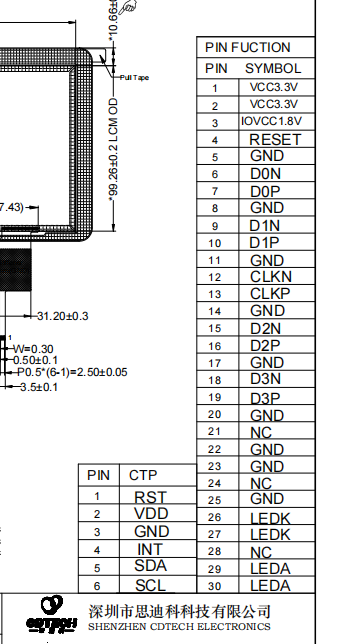
1. FPC Design & Impedance Matching
MIPI DSI relies on high-speed differential signaling, which requires strict control of impedance along the signal path.
- The typical differential impedance should be 100Ω ±10%
- PCB/FPC traces must be designed as differential pairs
- Maintain equal trace length (length matching)to avoid signal skew
- Avoid sharp bends and minimize via transitions to reduce signal loss
Why It Matters:
Improper impedance control can lead to:
- Signal reflections
- Data corruption
- Display instability (flickering or artifacts)
Proper routing ensures stable high-speed transmission and EMI performance, especially in industrial and medical environments.
2. Driver IC Compatibility
Another critical factor is ensuring compatibility between the display module and the system’s driver IC or SoC.
Common MIPI DSI driver ICs used in 7-inch displays include:
- ILI9881C(widely used for 800×480 / 1024×600 panels)
- EK79007(commonly used for 1024×600 / 1280×800 applications)
Engineering Notes:
- Verify initialization sequence compatibilitywith your MCU/SoC
- Ensure your platform supports required lane configuration (2-lane / 4-lane)
- Check timing parameters such as HS/LP mode switching
Why It Matters:
Mismatch between driver IC and system configuration can result in:
- No display output
- Abnormal colors or resolution issues
- Increased development time due to debugging
3. System-Level Integration Tips
- Ensure power sequencing meets panel requirements
- Use proper shielding and grounding to further reduce EMI
- Validate design through EMC testing (e.g., IEC 60601-1-2 if applicable)
Frequently Asked Questions
Q1: What are the main uses of a 7-inch MIPI display?
A: It’s widely used in industrial control panels, portable medical devices, smart home/IoT control panels, handheld terminals (POS/PDAs), car in-cabin displays, and all embedded systems that need a compact, low-power, and stable display.
Q2: Does MIPI DSI support touch screens, and what types are available?
A: Yes, MIPI DSI displays fully support touch screen integration. The standard option is capacitive 4/5/10-point multi-touch, and resistive touch is also available for industrial work where gloves are worn.
Q3: Why is MIPI DSI better than HDMI/LVDS for embedded systems?
A: For embedded systems, MIPI DSI is better in three key ways: it uses far less power (extending battery life for portable devices), has far fewer pins (letting products be smaller), and is more anti-interference (ensuring stability in industrial/car environments). HDMI is better for consumer electronics, while LVDS is for large fixed industrial displays.
Q4: Can these displays be used in medical devices?
A: Yes. While the display is a component, we optimize our MIPI DSI modules for high signal integrity and low radiation, which are critical factors for customers seeking IEC 60601 compliance for their final medical products.
Q5: What is the typical EOL (End-of-Life) policy for your industrial MIPI displays?
A: We guarantee a 5-10 year long-term supply for our industrial-grade modules, ensuring your project remains stable without frequent redesigns.
Conclusion: Powering the Future of Embedded Systems
The 7-inch MIPI DSI display has become the gold standard for modern embedded systems, balancing high-speed performance with industrial-grade reliability. Whether you are designing for Automotive, Medical, or Industrial IoT, choosing the right display module is critical to your product’s success.
Partnering with an experienced provider like CDTech ensures you receive more than just a screen—you get a fully optimized, high-performance solution tailored to your environment.
Why Partner with CDTech?
As a leading manufacturer specializing in industrial, medical, and automotive LCDs, we offer:
- Custom Design: Tailored brightness, touch sensitivity, and specialized coatings.
- Technical Consultation: Free hardware compatibility checks and integration support.
- Compliance Support: Design optimization to assist in meeting IEC 60601 and AEC-Q100 standards.
- Reliable Supply: Fast prototyping and long-term EOL support.
[Ready to Start Your Project?] Contact CDTech today to receive a free customized solution and quotation. Let’s speed up your market launch together!