

Analyzing the Durability and Performance of Touch Screen TFT LCD
 2026-03-05
  09:43
09:43 

Introducing Touch Screen TFT LCD Technology
What Are the Core Components of a Touch Screen TFT LCD?
A touch screen TFT LCD represents a sophisticated display method that integrates thin-film transistor (TFT) layers, liquid crystal substances, and responsive touch detectors. Thin-film transistors hold a vital function—they function as small switches for every pixel. This arrangement enables precise management of brightness and color presentation. Consequently, pictures look crisp, vibrant, and consistent even amid varying visual conditions.
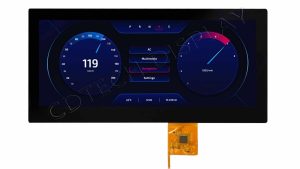
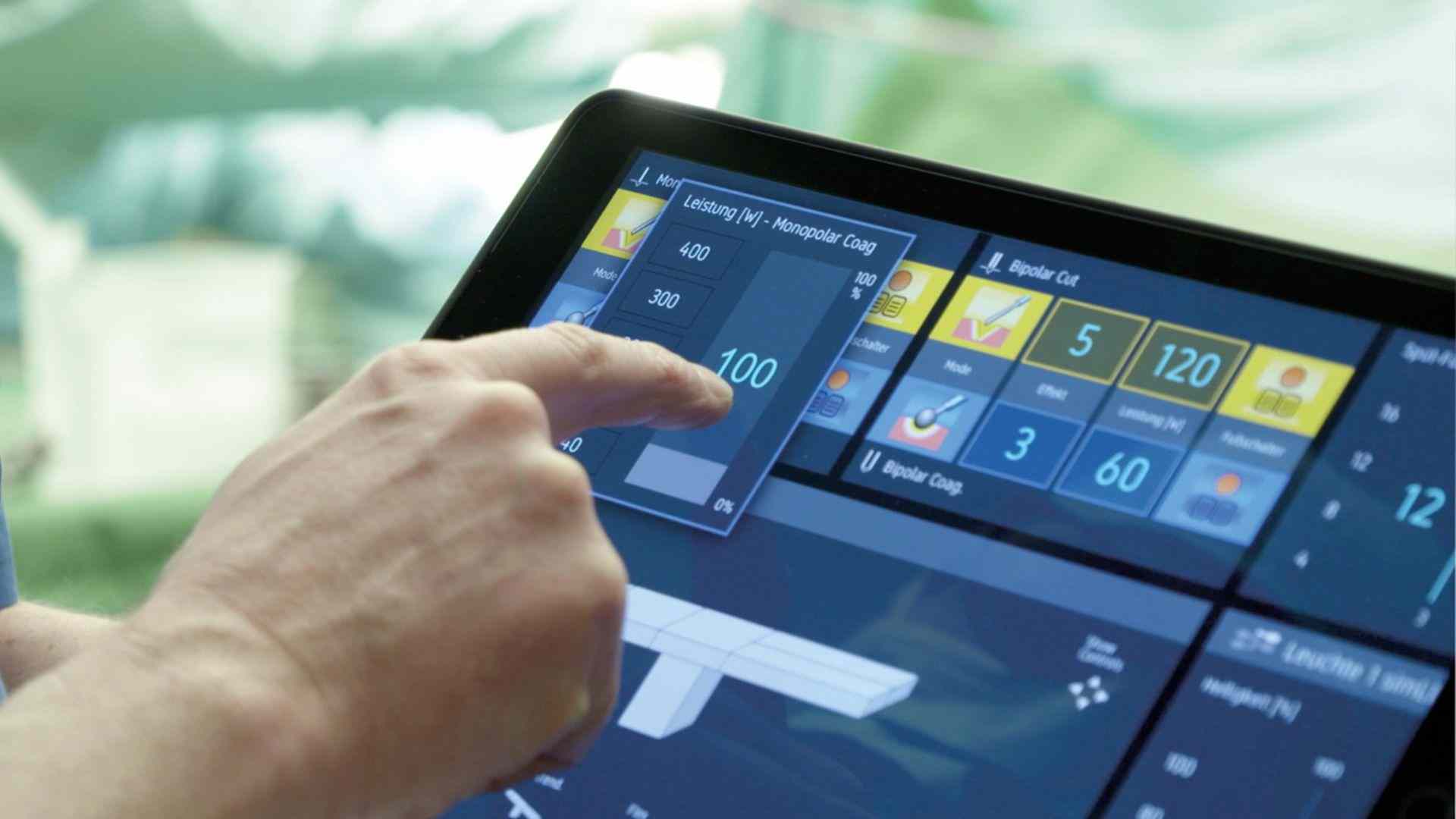
Touch sensors merge smoothly into the LCD panels to facilitate user engagement. Based on the configuration, these may be capacitive or resistive. With Capacitive Touch Panel or Resistive Touch Panel option. Capacitive panels identify variations in electrical fields due to finger touch. Resistive panels respond to applied pressure. Integrating these sensors demands precise optical bonding. Such bonding preserves transparency and rapid reaction.
Backlighting occupies a significant position in TFT LCDs. It illuminates the display from the rear of the liquid crystal layer. Current LED backlights deliver uniform illumination across the entire screen. Moreover, they improve visibility across diverse lighting scenarios. Elevated-brightness units like CDTech’s 3.5″ High-brightness LCD panel how capable backlighting enhances legibility in external or intense-glare locations.
How Does a Touch Screen TFT LCD Work?
The functioning of a touch screen TFT LCD depends on synchronized cooperation between touch sensors and display controllers. When someone contacts the screen, the sensor captures location information. This information travels to a controller chip. The controller processes the input. Afterward, it transmits instructions to the display driver ICs. Those ICs manage refreshes for particular pixels.
The procedure for signal transformation and image creation operates with high efficiency. Digital inputs from processors convert to analog currents. These currents modify the liquid crystals’ positioning within each pixel unit. That modification regulates light transmission via color filters. As a result, it generates the required picture on the display. Accurate transistor activation, combined with swift signal management, produces seamless visual shifts and proper touch feedback.
Assessing Durability Factors in Touch Screen TFT LCDs
What Contributes to the Durability of a Touch Screen TFT LCD?
Durability originates from material robustness. Superior glass bases and sturdy coverings safeguard fragile layers against mechanical pressure. Bar-type TFT displays are constructed to endure routine handling. They incorporate chemically fortified glass featuring anti-smudge and anti-reflection layers. These layers block scratches, fingerprints, and surface deterioration from habitual wiping or contact.
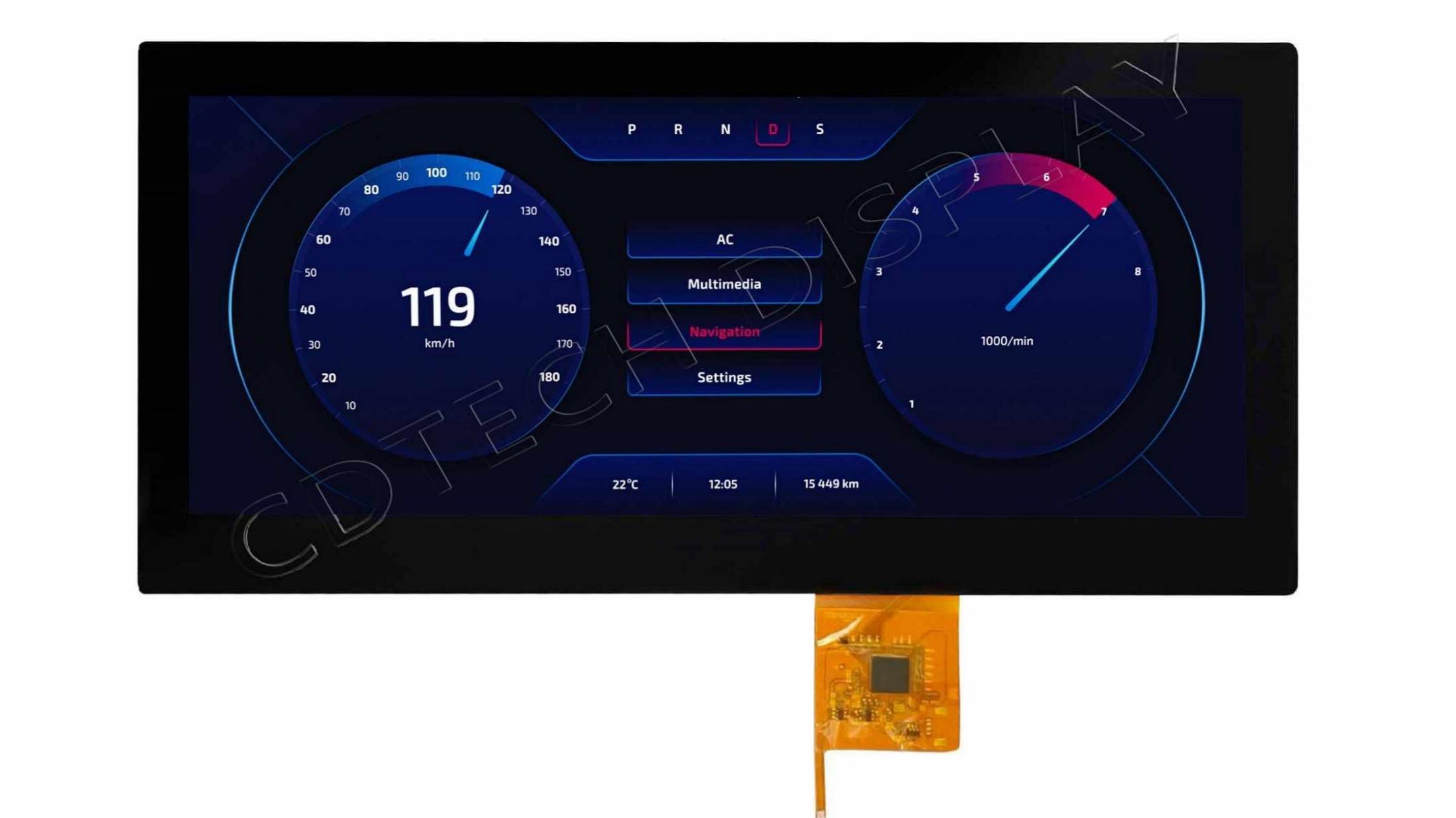
Defensive coatings further bolster resilience against blows. Simultaneously, they sustain visual transparency. For instance, CDTech’s 12.3″ IPS Bar Type Display features an anti-fingerprint surface. This maintains its polished appearance through time. It likewise enables multi-touch functionality in challenging environments.
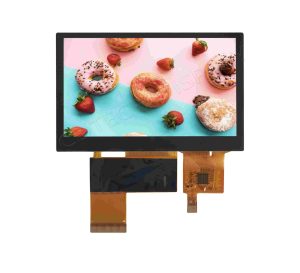
Environmental Influences on Durability
Temperature variations can substantially influence display operation. They could modify liquid crystal density or provoke expansion in adhesive components. CDTech constructs its modules for extensive operating spans such as -20°C to +70°C. This guarantees dependability in multiple environments.
Humidity creates a further concern. Water infiltration might trigger electrical malfunctions or diminish sensitivity in touch elements. To address this, sophisticated sealing approaches and moisture-resistant coatings are applied. They strengthen water defense without impairing reaction speed.
Evaluating Performance Metrics for Touch Screen TFT LCDs
Key Performance Indicators for Touch Screens
Response time measures the speed at which pixels alter states. This is essential for minimizing motion blur in rapid visuals. Sensitivity indicates how effectively a screen registers gentle contacts or gloved operations. The capacitive touch panels on these displays are calibrated to dismiss erroneous contacts from water or humidity. This renders them suitable for kitchen and bathroom equipment.
Color fidelity and resolution standards determine image distinctness. Increased pixel numbers produce keener visuals for specialized applications such as medical diagnostics or cockpit interfaces.
How Do Different Use Cases Affect Performance?
Consumer devices emphasize vivid hues and straightforward touch interaction for recreational gadgets. Industrial applications require trustworthiness amid severe circumstances like vibrations or prolonged sessions. Continuous operation may gradually reduce reaction if thermal accumulation disrupts sensor alignment. Thus, selecting displays with effective thermal dispersion maintains reliable output.
Our automotive-grade modules like the 10.1″ Sunlight Readable IPS Display combine elevated brightness with optical bonding. This yields superior visibility in strong sunlight. It fits instrument panels subject to ongoing illumination fluctuations.
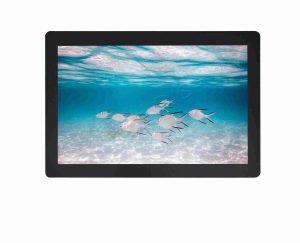
Enhancing Longevity: Best Practices for Maintenance
Routine Maintenance Tips for Extending Lifespan
Consistent care assists in preserving image quality and tactile precision. When cleaning, opt for gentle fabrics. Microfiber cloths moistened lightly with water prove most effective. They avert damage to shielding layers or electrical components. Refrain from exerting strong force while cleaning. Such action might burden internal joints.
Common errors encompass employing alcohol-based solutions or positioning screens under direct sunlight for extended durations when unused. Both can prematurely degrade polarizers or bonding agents.
Advanced Technologies for Improved Longevity
Emerging concepts continue to advance durability via enhanced material developments. Anti-glare treatments reduce reflections without lowering light output. Abrasion-resistant substances protect exteriors from ongoing contact or external exposures.
Energy Efficiency
Bar-type TFT modules include energy-efficient backlight arrangements. They align with intelligent appliances that emphasize sustainability. These innovations not only extend service duration but also decrease energy consumption. This proves crucial in portable units where battery endurance is paramount.
CDTech’s Contribution to Touch Screen TFT LCD Advancements
Overview of CDTech’s Products and Innovations
At CDTech, we specialize in developing high-caliber touch screen TFT LCD solutions customized for sectors including automotive, industrial management, medical devices, and intelligent home systems. Our LCD module, touch panel, HDMI & converter board products are all designed and manufactured to meet the highest standards of quality and environmental responsibility.
Our lineup encompasses compact units like the 3.5″ IPS Display (320×240 pixels). They are available in capacitive and resistive forms. These fit embedded setups demanding robust but agile interfaces.
We further provide expansive bar-type displays engineered for intelligent appliances where layout efficiency is essential. CDTECH has been at the forefront of this transformation by integrating advanced bar-type TFT LCD modules into smart home devices.
Recent Advancements Introduced by CDTech in the Market
Recent developments encompass completely adhered capacitive displays with anti-fingerprint glass protections. They retain optical purity while countering marks.
Through combining optical bonding with IPS full-view panels providing up to 89° viewing angles, we assure outstanding legibility amid difficult illumination such as open-air placements or cockpit settings where accuracy is essential.
Our ongoing research efforts aim at improving resilience and energy conservation via refined backlight structures and EMI-protected flexible wiring. This secures consistent operation throughout prolonged cycles.
FAQ
Q: What Are the Common Causes of Touch Screen Failure?
A: Touch screen failures can result from physical damage, software glitches, or environmental factors like extreme temperatures. Regular maintenance can help mitigate these issues.
Q: How Can I Improve the Responsiveness of My Touch Screen?
A: Improving responsiveness can be achieved by ensuring the device is free from debris, updating software regularly, and calibrating the touch settings when necessary.
Q: Are There Specific Cleaning Products Recommended for TFT LCDs?
A: It is advisable to use microfiber cloths with water or specialized screen cleaning solutions to avoid damaging the surface coatings. Avoid using abrasive materials or chemical cleaners.
Post Search
Related Articles
-
Why Choose 15 Inch Stretched Bar LCD Panel for Your Next Display Upgrade?
-
Analyzing the Durability and Performance of Touch Screen TFT LCD
-
Exploring Capacitive Touch Panel Technology: A Deep Dive into Innovations
-
How to Choose a Round LCD Display: Resolution and Viewing Angles Explained
-
How to Evaluate & Screen Reliable Capacitive Touch Panel Suppliers