

Can Raspberry Pi LCD Driver Boards Scale to Industrial PLC Environments?
 2026-03-30
  22:25
22:25 

Yes—with universal driver board architecture. Raspberry Pi LCDs use HDMI or GPIO for prototyping, but industrial-grade boards add Ethernet, CAN-Bus, -30°C to +85°C operation, and certifications like IATF16949, ISO13485. CDTech’s HDMI LCD modules with plug-and-play integration and patented 2nd Cutting technology bridge hobbyist projects to production HMI dashboards.
Check: LCD with BOARD
What’s the Core Difference Between Raspberry Pi LCD Drivers and Industrial PLC Display Interfaces?
Raspberry Pi drivers rely on HDMI, GPIO, USB for rapid prototyping with 0°C to +50°C ranges and no rugged specs. Industrial PLC interfaces demand Ethernet, Modbus, -30°C to +85°C ratings, shock resistance. Universal boards provide abstraction for Pi/Arduino development and Siemens/Allen-Bradley production compatibility.
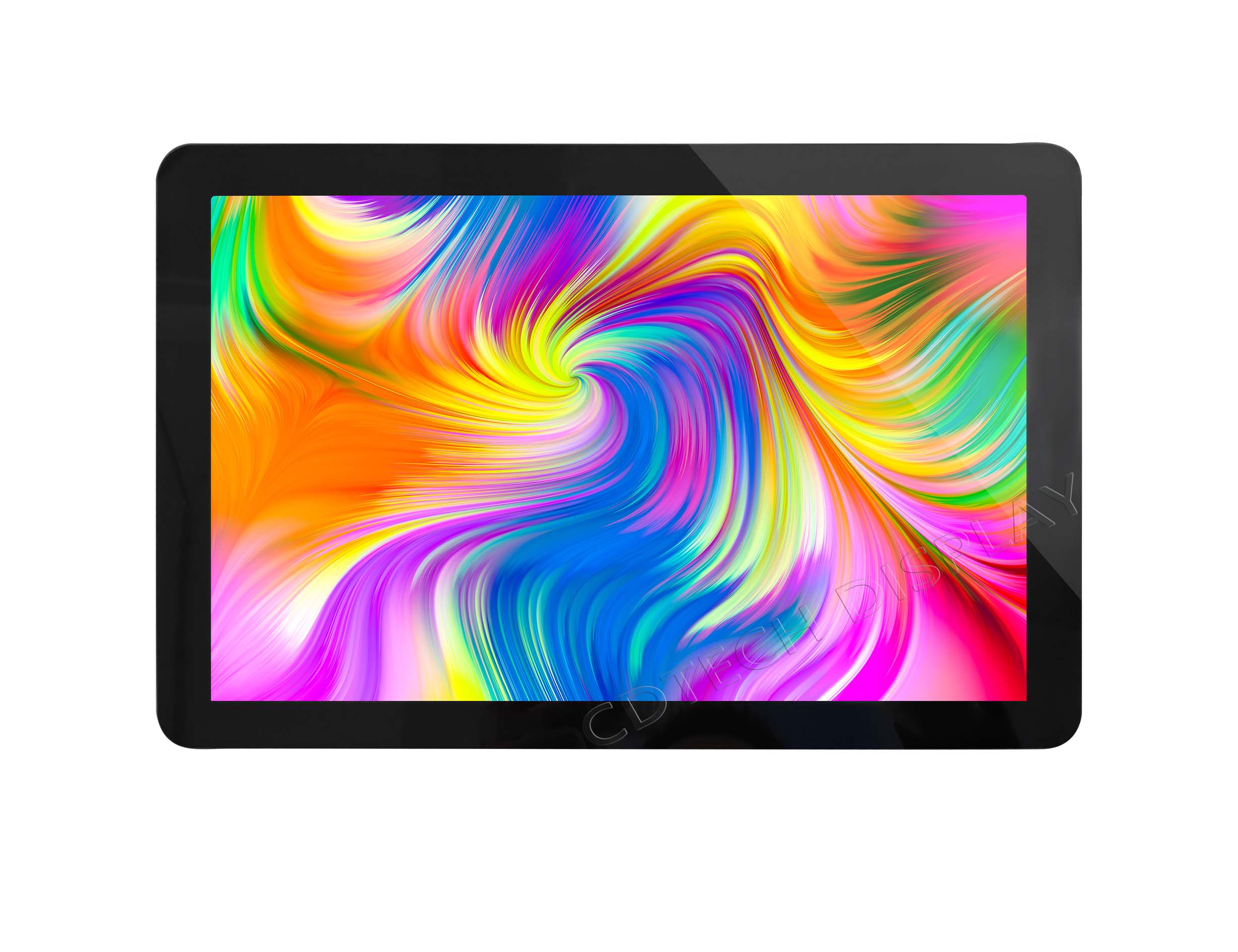
Raspberry Pi setups excel in labs but fail in factories due to voltage issues, EMI lacks, protocol mismatches. CDTech’s full in-house production—from LCD cutting to OCA bonding—ensures driver boards handle both worlds seamlessly.
How Do Universal Driver Boards Enable the Prototype-to-Production Transition?
Pre-bonded OCA touch and integrated drivers create one SKU, cutting NRE and lead times. HDMI/USB for prototyping swaps to Ethernet/CAN-Bus firmware for production. CDTech’s vertical integration offers supply-chain certainty for 100-unit pilots to 10,000-unit runs.
| Feature | Raspberry Pi Prototyping | Universal Driver Board (Production-Ready) |
|---|---|---|
| Primary Interface | HDMI, GPIO, USB | HDMI + Ethernet/Modbus/CAN-Bus |
| Operating Temperature | 0°C to +50°C | -30°C to +85°C |
| Brightness | 300–500 nits | 1000–2300 nits |
| Certifications | None | IATF16949, ISO13485, ISO9001, ISO14001 |
| OCA Bonding | Not available | Yes (improves readability) |
| Lead Time (Standard SKU) | 2–4 weeks | 4–6 weeks |
| Lead Time (Custom) | 8–12 weeks | 12–16 weeks |
| Typical SME Use Case | Lab proof-of-concept | Automotive HMI, industrial panels |
Which Industrial Interfaces Do Modern Universal Driver Boards Support?
HDMI for Raspberry Pi, Ethernet for diagnostics, Modbus/Profibus for legacy PLCs, CAN-Bus for automotive, RGB/I2C for embedded. CDTech’s 391+ SKUs cover RGB, LVDS, MIPI, MCU, SPI, HDMI across standard, bar-type, and automotive LCDs.
Examples include S070SWV122ED-DC35 (7″ HDMI TN) and S123BWU11EP-FC19-AF-HDMI09-A (12.3″ bar HDMI IPS), enabling multi-protocol flexibility from one vendor.
Why Do Certifications Matter When Scaling from Hobbyist to Industrial Displays?
IATF16949 ensures automotive traceability, ISO13485 medical rigor, ISO9001/ISO14001 quality confidence. Without them, OEMs reject bids, risking fines/recalls. CDTech’s quad certifications and 44+ patents speed RFQ cycles; 2nd Cutting enables custom sizes securely.
How Does Brightness and Environmental Durability Change Between Prototyping and Industrial Deployment?
Prototypes use 300–500 nits indoors; industrial needs 1000–2300 nits outdoors, -30°C to +85°C, IP-rated. OCA bonding cuts glare/parallax vs. air-gap. CDTech offers 1000–2300 nits models like S070QWU142FN-FL150-GF (2300 nits) and wide-temp automotive SKUs.
Anti-glare options like S050BWV105EP-FL96-AG suit harsh HMIs in drones, construction, mining.
What Integration Challenges Do SMEs Face, and How Do Pre-Integrated Driver Boards Solve Them?
SMEs lack display expertise, face multi-supplier delays, firmware risks. CDTech’s HDMI modules arrive tested with bonded touch, plugging into Pi or PLC. Standard SKUs ship in 4–6 weeks vs. 12–16 custom, saving 60% time-to-market.
Check: Product Category
CDTech Expert Views
When SMEs shift from prototyping to production, they fear full redesigns. CDTech’s vertical integration—from LCD 2nd Cutting to OCA lamination—eliminates friction. Our patented 2nd Cutting (2017) creates unique sizes like 12.3″ bars for dashboards. With quad certifications, ERP traceability, and flexible MOQ/NRE, we scale 50-unit pilots to 50,000 runs for 1,000+ customers. It’s our standard model.
— CDTech Product & Solutions Team
Can You Mix and Match Displays Across Prototype and Production, or Do You Need Separate Hardware?
Use the same LCD module across phases with consistent footprints. CDTech HDMI LCDs like 10.1″ IPS (1280×800) work natively with Pi/Jetson, adapt to PLCs via Ethernet. $30M+ sales ensure stock; QR traceability aids regulated industries.
| Platform | Raspberry Pi | Jetson Nano | Beaglebone | Siemens S7-1200 | Allen-Bradley | Beckhoff |
|---|---|---|---|---|---|---|
| HDMI LCDs (7″–12.3″) | ✓ Native | ✓ Native | ✓ Native | ⚠️ Adapter | ⚠️ Adapter | ⚠️ Adapter |
| Ethernet LCDs | ✓ Gateway | ✓ Gateway | ✓ Gateway | ✓ Native | ✓ Native | ✓ Native |
| 1000+ nits | ✓ Select | ✓ Select | ✓ Select | ✓ Full | ✓ Full | ✓ Full |
| OCA + AG | ✓ 10.1″+ | ✓ 10.1″+ | ✓ 10.1″+ | ✓ All | ✓ All | ✓ All |
| Wide-Temp (-30°C~+85°C) | Limited | Limited | Limited | Full (automotive) | Full | Full |
What’s the Real Total Cost of Ownership When Scaling From Raspberry Pi Prototypes to Industrial Production?
Separate displays double design/tests/suppliers; universal boards unify BOM, cutting TCO. CDTech’s transparent MOQ/NRE saves $40K–$80K on 5,000 units via single audits, faster ramps. Full integration in 10,000㎡ factory with Class 1000 cleanrooms ensures reliability.
Conclusion
Universal driver boards bridge the prosumer gap, offering HDMI for Pi prototypes and Ethernet/Modbus for PLC production without redesigns. CDTech’s 13+ years, patented 2nd Cutting, quad certifications, and 1,000+ customers provide scalable paths from labs to 50,000-unit runs in automotive/industrial apps. Request your compatibility matrix or chat with a CDTech engineer for a 48-hour quote.
FAQs
Can I Really Use the Same Raspberry Pi LCD Display in an Industrial PLC Setting?
Direct Pi displays lack ratings; use CDTech industrial HDMI LCDs like S070SWV122ED-DC35. Test on Pi, deploy to Siemens S7-1200 via adapter. Compatibility matrix confirms cross-platform SKUs.
What Does the Patented 2nd Cutting Technology Do, and Why Does It Matter for Scaling?
CDTech’s 2017-patented 2nd Cutting enables unique sizes like 12.3″ bars beyond standard ratios. SMEs avoid high-MOQ tooling; rapid customs speed prototypes, proven with 1,000+ customers and 44+ patents.
Why Are Certifications Important If My Product Isn’t Automotive or Medical?
IATF16949/ISO13485 prove rigor, accelerating OEM approvals. CDTech’s quad certs future-proof supply chains for expansion, shortening RFQ cycles even for non-regulated SMEs.
How Long Does It Take to Scale from Raspberry Pi Prototype to 10,000-Unit Production?
DIY: 16–24 weeks; CDTech pre-integrated: 8–12 weeks, 50% faster. HDMI SKUs like 12.3″ bar cut integration, enabling quick revenue with ERP traceability.
What If I Pick the Wrong LCD Module During Prototyping?
CDTech’s 391+ SKUs cover 95% cases; swap brightness/temp variants with matching footprints. 2nd Cutting handles customs fast, no re-tooling, backed by stable supply.
Post Search
Related Articles
-

Capacitive vs Resistive Touch Screen Car Stereo: Which Is Right for You?
-

TN LCD vs IPS LCD: How to Choose the Right Display for You
-

Capacitive Touch Panel or Resistive: Which Suits Your Needs?
-

Why Choose an IPS LCD Panel for Your Next Screen Purchase?
-

CDTECH to Showcase Cutting-Edge Display Solutions at SID 2025
-

Comparing Different Types of Displays in Cars: A Detailed Overview