

Color LCD Panel Selection: Key Factors for Optimal Performance
 2025-08-28
  11:50
11:50 

What Is a Color LCD Panel and Why Does It Matter?
What’s Behind Color LCD Technology?
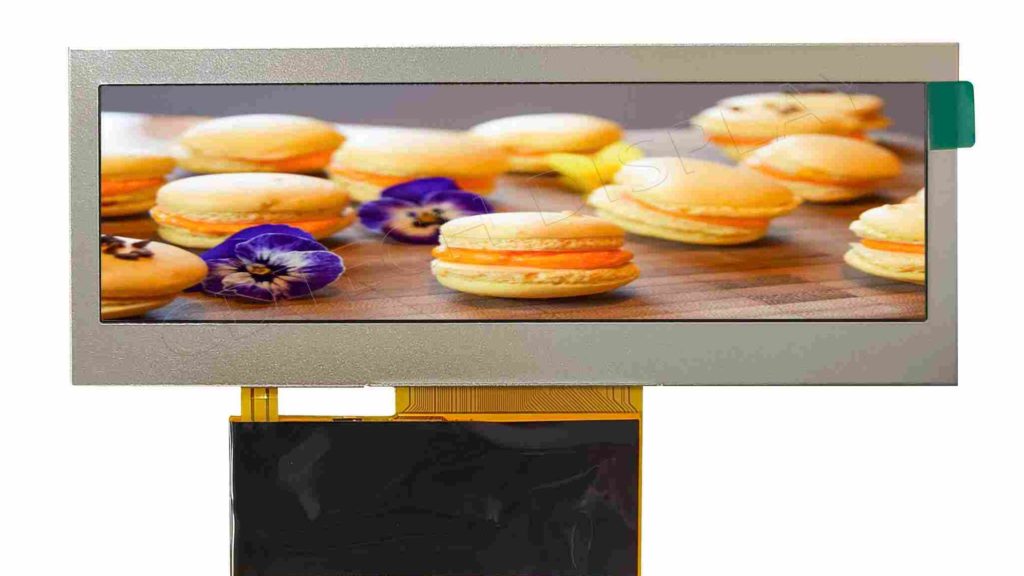
A color LCD panel, short for Liquid Crystal Display, is a thin screen that uses liquid crystals and a backlight to show bright, colorful pictures. You see these in phones, factory machines, car dashboards and medical gear. Unlike bulky old cathode-ray tube (CRT) screens, color LCDs are light, save power and give clear images with bold colors.
The system works by steering light through liquid crystals placed between two filters. Each pixel uses red, green and blue subpixels that mix to make lots of colors by tweaking voltage.
How Do Color LCDs Differ from Monochrome Screens?
Color LCDs show millions of colors, while monochrome screens stick to one, like black or white. Color panels use RGB subpixels for lively visuals. They’re great for jobs needing sharp images or easy-to-use designs, like medical scans or control boards. Monochrome screens are fine for plain text.
Color displays excel when you need clear visuals, distinct elements, or a nice look.
What Are the Key Parts of a Color LCD Panel?
A color LCD panel has these main pieces:
- TFT Layer: Thin-Film Transistor tech manages pixels with accuracy.
- Backlight Unit: Lights the crystals from behind.
- Polarizers: Guide light direction and strength.
- RGB Filters: Make full-color images.
- Driver ICs: Handle signals for pictures.
The TFT LCD Display pulls these parts together for smooth use in different devices.
What Should You Check When Picking a Color LCD Panel?
Why Does Resolution Matter?
Resolution is how many pixels a screen has. It decides how sharp images look. High resolution is key for detailed pictures or small text, like in medical screens or GPS units. In factories where data visuals matter, a high-resolution LCD keeps things clear and correct.
How Do Brightness and Contrast Affect Clarity?
Brightness shows how much light the screen puts out. More brightness helps in sunlight or bright rooms. Contrast ratio compares the darkest black to the brightest white. A higher ratio makes images deeper and easier to see.
CDTech’s screens offer strong brightness, reliability and low power use. They work well in tough lighting, like outdoor kiosks or car displays.
Why Does Viewing Angle Matter?
Viewing angle tells you how far from straight-on you can see the screen clearly. Narrow angles might mess up colors or clarity from the side. Wide angles help dashboards or control boards, so people can see clearly from different spots.
Good screens give bright visuals, wide angles and solid performance.
Why Is Response Time a Big Deal?
Response time tracks how fast pixels switch. Quick times cut blur in fast-moving stuff, like videos or live monitoring. In gaming or security, fast response times keep visuals smooth with no delays.
CDTech: Your Source for Top Color LCD Panels
Who Is CDTech and What Do They Do?
CDTech builds high-quality display solutions for many fields. Our screens are used in factory controls, medical tools, smart homes, car displays, instruments and communication devices.
We offer standard TFT displays and custom designs built to work well in various settings.
What Makes CDTech’s Color LCD Panels Stand Out?
Lots of Sizes and Resolutions
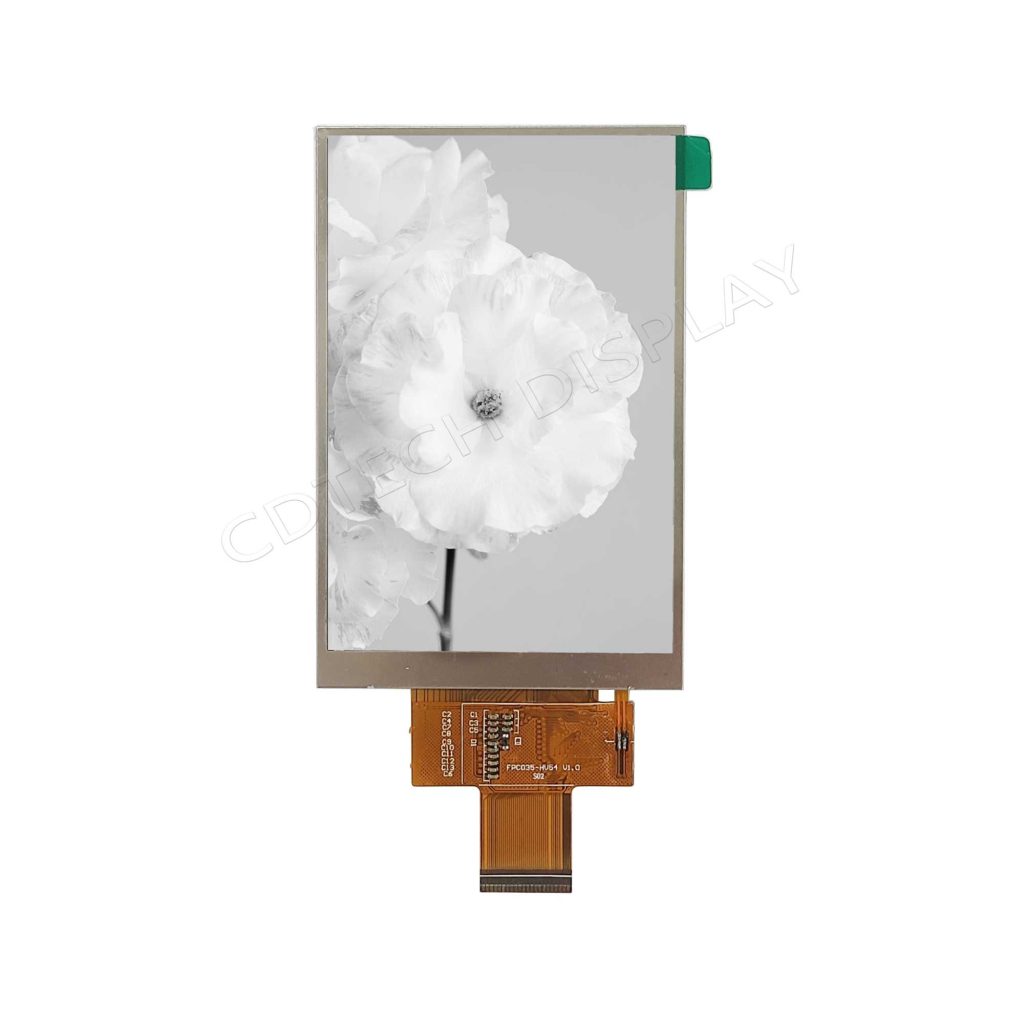
We have sizes like 7.0 inch, 3.5 inch, 10.1 inch, 4.3 inch, 5.0 inch, 2.8 inch, 12.3 inch and more. From small handheld gadgets to big factory consoles, we’ve got what you need.
Great in Sunlight
Our bright screens stay clear in direct sunlight. They’re ideal for outdoor terminals or car dashboards where light changes a lot.
Long-Term Supply and Custom Options
We offer custom tweaks for LCD OD, LCD AA, FPC OD and backlights. This ensures our screens fit your setup and stay compatible with your systems.
How Do Conditions Affect LCD Panel Choice?
Do Extreme Temperatures Hurt Displays?
Yes. Very cold or hot weather can slow liquid crystals, causing blurry images in cold or leaks in heat. Factory-grade LCDs need wide temperature ranges for outdoor or plant use with changing weather.
How Do Humidity and Dust Affect Reliability?
Humidity can cause water buildup inside the panel. Dust can mess with clarity or touch accuracy. Sealing, like coatings or IP-rated cases, protects screens in rough settings.
What Custom Options Are There for Color LCD Panels?
What Interfaces Work with Color LCD Modules?
We support interfaces like SPI, I2C, RGB parallel and MIPI DSI, based on your setup’s needs. This makes them easy to use with old or new systems.
How Can You Add Touch Features?
Touch options come in two types:
- TFT with PCAP(Projected Capacitive Touch): Handles multi-touch for phones or smart devices with gesture controls.
- TFT with RTP(Resistive Touch Panel): Gives single-point touch for gloved use in factories where accuracy beats speed.
How Do Power Needs Change by Use?
How to Balance Power and Brightness?
Bright screens help in strong light but use more power. Our backlight controls adjust brightness with light sensors, keeping efficiency and clarity balanced.
CDTech’s low-power screens are great for battery-critical tools like portable medical devices or handheld testers.
Do Modern Color LCD Panels Have Low-Power Modes?
Yes. Many TFT displays have sleep modes that cut power when idle without fully turning off. This helps energy-saving designs last longer between charges.
FAQ
Q: What’s the difference between TFT and IPS in color LCD panels?
A: TFT (Thin-Film Transistor) is a common display tech. IPS (In-Plane Switching), a type of TFT, lines up crystals side-to-side for better angles and color.
Q: Can CDTech make custom-sized LCD panels for factory use?
A: Yes. We customize LCD OD, LCD AA, FPC OD and more to fit your needs in fields like automation or medical gear.
Q: How can I keep a specific LCD panel available long-term?
A: We keep steady supply and offer upgrades that work with older systems, ensuring access for your product’s life.
Post Search
Related Articles
-

Capacitive vs Resistive Touch Screen Car Stereo: Which Is Right for You?
-

TN LCD vs IPS LCD: How to Choose the Right Display for You
-

Capacitive Touch Panel or Resistive: Which Suits Your Needs?
-

Why Choose an IPS LCD Panel for Your Next Screen Purchase?
-

CDTECH to Showcase Cutting-Edge Display Solutions at SID 2025
-

Comparing Different Types of Displays in Cars: A Detailed Overview