

Comparing Glass LCD Panels: Advantages Over Traditional Displays
 2025-12-05
  11:50
11:50 

Understanding Glass LCD Panels
What is a Glass LCD Panel and How Does It Work?
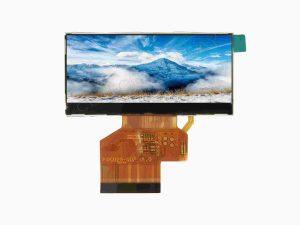
A glass LCD panel is a flat display that places liquid crystals between two glass layers to manage light passage and produce images. These panels contain several layers. The main ones include front and rear glass bases, liquid crystal material, polarizing films and a backlight source.
The functioning of a glass LCD panel depends on the electrical-optical characteristics of liquid crystals. An applied voltage alters the alignment of the crystals. This change controls how light travels through them. Precise regulation of this alignment at every pixel enables full-color images with different brightness levels. The backlight supplies light, which the crystals adjust to create visible content.
How Do Glass LCD Panels Differ From Other Display Types?
Compared to standard LCDs that employ plastic bases, glass LCD panels deliver clear benefits in optical performance and mechanical strength. Plastic bases offer greater flexibility. Yet they frequently cause visual distortions and deteriorate under heat or ultraviolet exposure. Glass, however, provides outstanding clarity, resists warping and ensures steadier pixel positioning.
Production methods also contribute to the differences. Glass panels receive stricter heat treatment. This results in improved size consistency and supports higher-resolution screens. Although plastic displays are lighter and more bendable, glass remains the choice where picture quality, service life and accuracy matter most.

Advantages of Glass LCD Panels Over Traditional Displays
Why is Image Quality Better with Glass LCD Panels?
Glass LCD panels achieve higher image quality through stable liquid crystal positioning. This stability improves color precision and even brightness distribution. The rigid glass base avoids bending or distortion. It therefore permits denser pixel arrangements needed for sharp resolutions.
Furthermore, glass surfaces promote better light spread. This yields broader viewing angles and stronger contrast. Consistent material behavior also ensures reliable operation over years. It limits problems such as burned-in images or irregular lighting common in less firm panels.
Are Glass LCD Panels More Durable Than Traditional Options?
Yes, current glass LCD panels receive special treatment for toughness. Manufacturers often apply tempered or chemically hardened glass. This gives strong protection against scratches, shocks and external conditions. Such panels suit both consumer products and demanding industrial settings.
Glass also shows superior heat and chemical resistance compared to plastic. It tolerates high temperatures without shape change or color loss. It further withstands damage from moisture or ultraviolet light.
How Do Glass LCD Panels Improve User Experience?
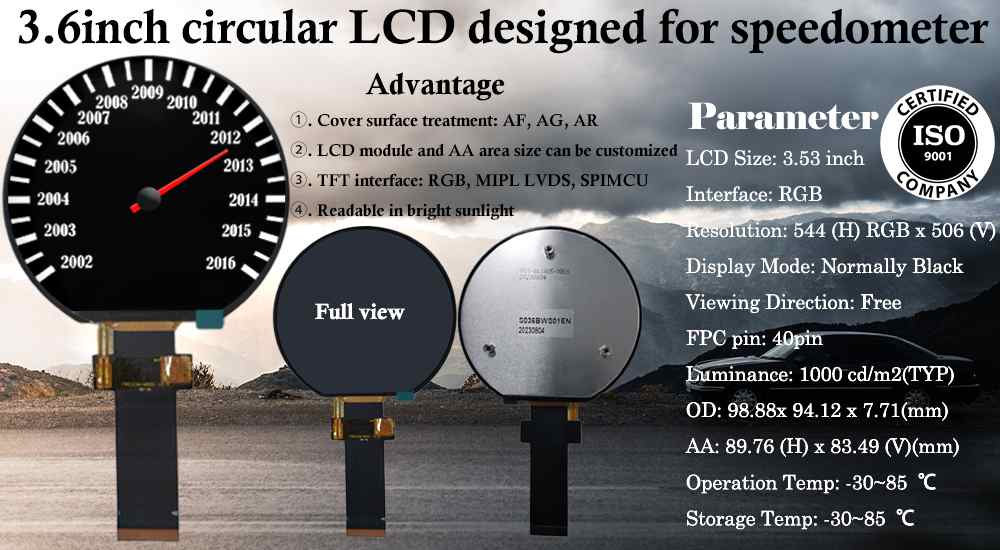
Glass LCD panels enhance user satisfaction in multiple ways. Their natural stiffness lets designers create slimmer, more stylish screens without losing strength. This supports attractive designs in phones or car instrument clusters.
Stable crystal alignment enables quicker response times. These prove valuable for touch interfaces and gaming screens. Glass also handles light better. It cuts glare and keeps steady brightness, which reduces eye fatigue.
Applications of Glass LCD Panels Across Industries
Where Are Glass LCD Panels Commonly Used Today?
Glass LCD panels appear in numerous electronic products. Consumer devices such as phones, tablets, notebooks, monitors and televisions use them for sharp images and thin builds.
In vehicles, they serve in instrument panels and entertainment systems. These locations demand reliability despite vibration and temperature shifts. Clear visuals also benefit navigation units and backup cameras.
Medical imaging devices gain from glass LCD technology. Accurate diagnostics require exact color reproduction and high detail. Medical equipment will pay more attention to the safety of users and avoid secondary harm to patients, so CDTech can attach a layer of explosion-proof film on the surface of our products and also achieve anti-glare effect.
What Makes Glass LCD Panels Ideal for Industrial Use?
In factories and harsh settings where impact, shaking, extreme heat or cold, or chemicals occur, glass LCD panels perform reliably. Their mechanical resistance supports continuous operation in vital control systems.
For special environments and extreme weather, our products can be designed with touchable by gloves, waterproof, anti-condensation, anti-shatter, anti-UV, etc. These features lower equipment downtime and extend replacement intervals—important factors for cost management.
Environmental and Economic Considerations of Glass LCD Panels
Are Glass LCD Panels Environmentally Friendly?
From an ecological viewpoint, glass holds clear benefits over plastic alternatives. It remains chemically neutral and fully recyclable without quality loss. Certain plastics release harmful substances when breaking down or burned. Glass avoids this issue.
Glass further improves light efficiency in LCD design. Less backlight power is needed for the same brightness. This reduces energy use throughout the device’s life.
What Are the Long-Term Cost Benefits of Using Glass LCD Panels?
Initial prices for glass LCD panels may exceed plastic versions due to material and process demands. Yet their greater lifespan means fewer replacements. This decreases overall maintenance expenses and improves return on investment.
Better energy handling adds savings. Devices with glass panels draw less power, especially in portable or solar-driven systems.
What Should You Consider When Choosing a Display Panel?
Is a Glass LCD Panel the Right Choice for Your Needs?
Choosing the correct display depends on use case, operating conditions, budget and required performance. Glass LCD panels suit situations where sharpness, toughness and lasting reliability rank highest.
For bendable or very light screens—like wearables or folding devices—plastic may provide needed flexibility, though with reduced visual quality. When comparing options, request details on impact ratings, expected durability in your environment, customization options and support availability.
Who is CDTech and What Do They Offer in the Field of LCD Displays?
What Makes CDTech’s Glass LCD Panels Stand Out?
Shenzhen CDTech established in 2011, is a national high-tech enterprise of LCD display and Capacitive Touch Panel manufacturer, specializing in design and manufacture TFT LCD display, Touch Displays and other LCD Display products. With more than 13 years experience, CDTech is very proficient in customizing LCD display and Touch screen, which is our most important core competence to fulfill customers’ requirement and expectation.
CDTech provides 1.5″ ~ 15.6″ high-quality industrial LCD displays with longevity, high stability, high brightness, extreme temperatures operations and touch & display integration. They are mainly used in industrial control, human-computer interface, instrument, elevator and other applications.
We supply high-grade glass LCD panels that blend excellent clarity with solid build and low energy use. CDTech is dedicated to advancing display technologies and providing innovative solutions and will continue to invest and innovate to drive quality improvement that meet the evolving needs of our clients worldwide.
Our products are certified under ISO9001, ISO14001, ISO13485, IATF16949 standards so our products can be widely used in Industrial Control Equipment, Medical, Smart-Home, Automotive and Vehicle Displays, Instrumentation and other Information Terminal applications.
How Can CDTech Support Your Display Requirements?
We focus on tailored solutions including custom backlight, FPC (LCD module or CTP), resistive touch panel (RTP) and projected capacitive touch panel (CTP) or anti-reflective (AR) / anti-glare (AG) / anti-fingerprint (AF) coating depending on your specific application needs.
Our assistance extends past delivery—we offer full technical help and after-sales service to guarantee best performance during the product’s entire life. With stable quality system control and experienced management capabilities, CDTech can provide high-quality and cost-effective products to customers in different fields around the world, as well as fast and professional services.
FAQ
Q: Are glass LCD panels more expensive than plastic ones?
A: Yes, glass-based panels generally cost more upfront due to material quality and manufacturing complexity. However, their longer lifespan and better performance can result in lower total cost over time.
Q: Can glass LCD panels be used outdoors?
A: Many glass LCD panels are designed with coatings or enhancements that allow them to function well in outdoor settings by improving brightness and reducing glare.
Q: Do glass LCD panels break easily compared to other types?
A: While glass sounds fragile, these panels often use tempered or chemically strengthened glass that offers excellent durability against impact and scratches.
Post Search
Related Articles
-

Capacitive vs Resistive Touch Screen Car Stereo: Which Is Right for You?
-

TN LCD vs IPS LCD: How to Choose the Right Display for You
-

Capacitive Touch Panel or Resistive: Which Suits Your Needs?
-

Why Choose an IPS LCD Panel for Your Next Screen Purchase?
-

CDTECH to Showcase Cutting-Edge Display Solutions at SID 2025
-

Comparing Different Types of Displays in Cars: A Detailed Overview