

Exploring the Differences Between TFT LCD Panel and AMOLED Screens
 2026-03-13
  10:00
10:00 

What Are TFT LCD and AMOLED Screens and How Do They Work?
What are TFT LCD Panels?
TFT LCD panels are a type of display panel used in a wide variety of electronic products. There are many different types of display panels available in the market but TFT LCD panels are among the most common. These panels use small transistors to control each pixel individually. TFT LCD panels generally comprise a backlight, a liquid crystal layer and color filters. These combine to modulate light in order to create a full color display.
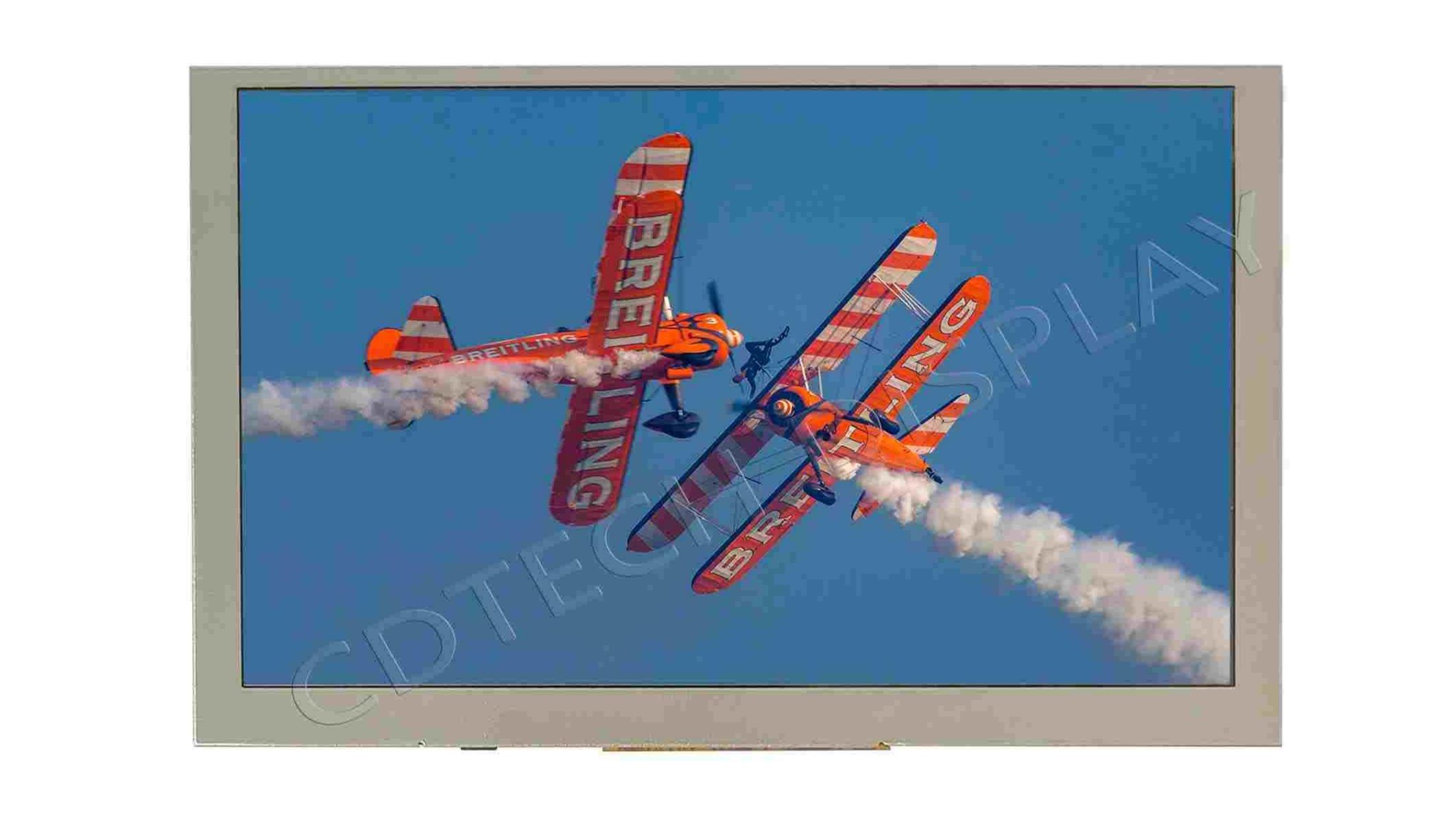
In a TFT LCD, each pixel is controlled by a thin-film transistor. Row and column signals regulate voltage levels, causing liquid crystal molecules to adjust light transmission. This structure enables faster response times and improved contrast compared to passive matrix displays.
TFT LCD is widely used in mobile phones, tablets, industrial control devices, in-vehicle displays, smart household appliances, etc. CDTech products feature high brightness, excellent stability, low power consumption and the support of a full range of application solutions. Our products are mainly used in industrial control equipment, medical devices, smart home systems, onboard displays, instruments, communication devices and other information terminals.
What Makes AMOLED Screens Different?
AMOLED stands for Active Matrix Organic Light Emitting Diode. Unlike TFT LCD, an AMOLED screen is fully capable of producing true blacks due to its ability to turn individual pixels on and off, thus creating significantly higher contrast ratios.
An AMOLED display uses an entirely different technology than a TFT LCD display. Instead of using liquid crystals and polarizers to block or allow light to pass through, an AMOLED display uses organic material. This material, when given an electric current, will actually light up. AMOLED displays can create thinner panels, and can be shaped and molded into more unique forms. Because of this, AMOLED is very popular with curved and foldable display devices.
Comparing Display Quality: TFT LCD vs. AMOLED
How Does Color Reproduction Differ Between the Two?
Color reproduction in both technologies relies on red, green, and blue sub-pixels. In TFT LCDs, color accuracy depends on backlight quality and color filters, while AMOLED panels generate light directly at the pixel level.
AMOLED screens generally deliver brighter colors with higher saturation. The reason is that each pixel makes its own light. Still, this might sometimes cause excessively vivid tones that differ from natural color views.
Which Offers Better Viewing Angles?
Viewing angles serve as another important difference. TFT LCDs, especially ones with IPS technology, have improved viewing angles a lot compared to older TN panels. Even so, AMOLED displays keep a slight advantage because of their light-emitting qualities. They hold onto brightness and color steadiness from wide angles.
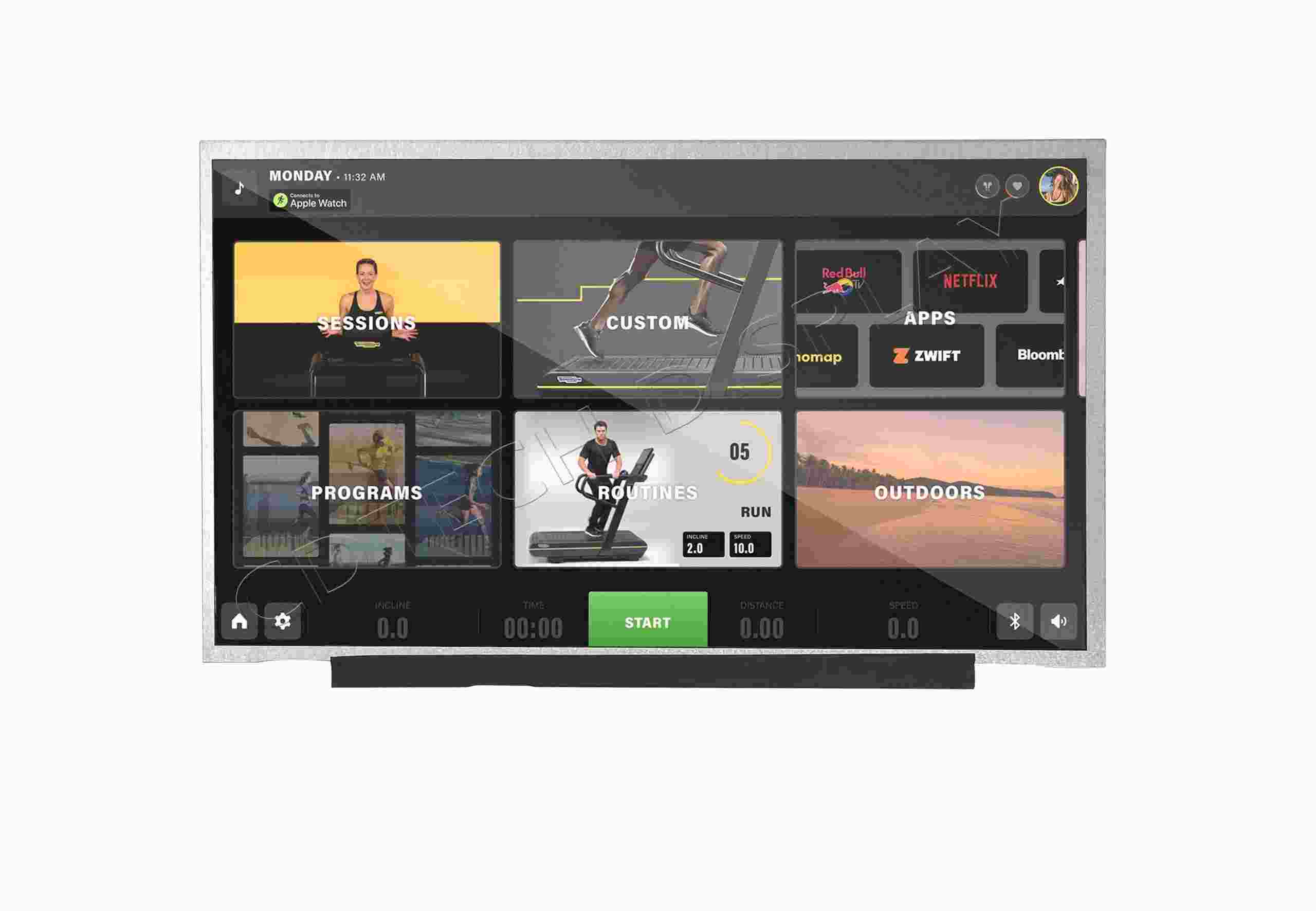
Lighting conditions affect how well they perform too. AMOLED works best in low-light areas thanks to its deep blacks. Meanwhile, high-brightness TFT LCDs like those from CDTech do great outdoors. Our 15.6 inch Display for Excellent Sunshine Readability illustrates how advanced backlighting can beat typical limits.
How Do TFT LCD and AMOLED Compare in Performance and Power Efficiency?
How Do Power Consumption Levels Compare?
Power efficiency stands out in our screen comparisons. AMOLED screens light up individual pixels, meaning that screen power consumption is directly related to the content on display. A dark screen requires less power because fewer pixels are being lit up. TFT LCDs on the other hand always require a constant backlight to function.
Modern TFT LCDs typically require constant backlighting, which results in stable but continuous power consumption regardless of displayed content.TFT LCD technology uses an active matrix driving scheme, which influences brightness, contrast ratio, color accuracy, response speed, and overall power consumption. Modern displays have made significant strides forward from older designs and our energy-saving modules enable battery life in mobile electronic products to be further increased.
Response Time and Refresh Rates: What’s the Difference?
Response time means how fast a pixel moves from one state to the next. TFT usage fixed the slow response times and low contrast in early passive matrix LCDs. Current TFT panels attain fast enough response times. This enables smooth video viewing and gaming experiences.
As a rule AMOLED displays exhibit faster response times. This is because AMOLED displays have the advantage of directly switching on and off the pixels, whereas with LCDs the liquid crystals need to be moved to the corresponding position. In practical applications, both technologies now offer sufficiently fast response times for gaming and multimedia use.
Why Choose CDTech TFT LCD Panels for Industrial Applications?
What Products Does CDTech Offer Related to TFT LCD Panels?
Advanced Display Solutions by CDTech Display solutions are important components in a wide range of applications. CDTech has a diverse selection of display solutions that fit the needs of various markets. We offer displays of various sizes. Our inventory consists of standard TFT LCDs as well as a number of custom bar-type displays designed for specific functions.
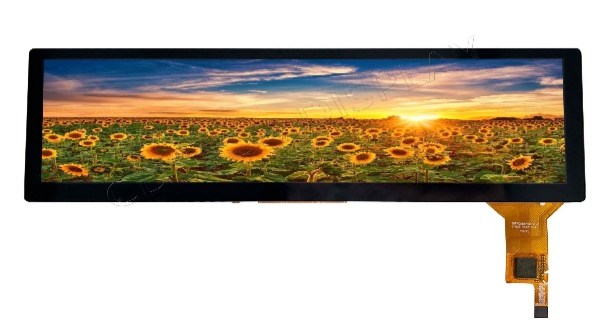
In the field of smart home products, CDTech consistently adopts more advanced bar-type TFT LCD modules. At the same time, our model also supplies various customer needs for the display screen. Our product of 8.8″ Sunlight Readable IPS Display is specially used in the automotive dashboard and industrial terminals. It is very convenient and shows good reading results under the condition of strong light.
Why Choose CDTech for Your Display Needs?
We are proud of our high brightness and robust displays designed for demanding applications such as outdoor and in-car use. High quality, high brightness display. Wide viewing angles and high reliability. We have the expertise to develop features such as glove mode for capacitance touch screens and oleophobic coatings to prevent smudges. Highly functional displays.
We also focus heavily on our customers and provide the required technical support from the early design discussions through to final after sales service. Thus we have become a competent partner for display integration all over the world.
FAQ
Q: What are the main advantages of using a TFT LCD panel over an AMOLED screen?
A: TFT LCD panels are more robust and inexpensive to make. We already know that TFT LCD panels are much brighter than E-ink which is suitable for out-door usage. Our high-nit displays also perform very well in bright light.
Q: Is there a significant difference in lifespan between TFT LCD and AMOLED displays?
A: Yes, both technologies offer long lifespans. However, AMOLED screens may suffer from burn-in over time because individual pixels degrade unevenly, especially when static images are displayed frequently. TFT LCD panels do not experience burn-in, as they rely on backlight technology rather than self-emissive pixels.
Q: How can I decide which display type is best for my needs?
A: The best choice depends on your application requirements. If you prioritize deep blacks and vibrant colors, AMOLED may be suitable. However, if reliability, high brightness performance, and cost efficiency are more important, a high-quality TFT LCD panel may be the better option.
Post Search
Related Articles
-

Capacitive vs Resistive Touch Screen Car Stereo: Which Is Right for You?
-

TN LCD vs IPS LCD: How to Choose the Right Display for You
-

Capacitive Touch Panel or Resistive: Which Suits Your Needs?
-

Why Choose an IPS LCD Panel for Your Next Screen Purchase?
-

CDTECH to Showcase Cutting-Edge Display Solutions at SID 2025
-

Comparing Different Types of Displays in Cars: A Detailed Overview