

Exploring the Differences in Capacitive vs Resistive Touch Screen Car Stereos
 2025-11-14
  11:50
11:50 

Figuring Out Touch Screen Tech in Car Radios
What’re Capacitive and Resistive Touch Screens?
Touch screen car stereos have changed the ride with fun and maps. The big two are capacitive and resistive touch screens, each works its own way and brings different perks.
Capacitive touch screens run off the electric vibe of your body. They catch input from skin’s zap, giving quick and spot-on moves. Resistive touch screens, though, grab input from push, be it finger, pen, or gloved hand. This core gap leads to different feels and spots to use them.
Capacitive screens usually give clearer pics and multi-touch moves, while resistive ones rock at working with all kinds of input. The split between these techs hits hard on how they act in cars.
How Do These Techs Play in Car Stereo Setups?
In car stereo gear, capacitive screens kill it with speed and tricks. Their multi-touch lets you pinch, scroll, and swipe through songs or maps easy. This brings a fresh feel like your phone.
Resistive screens give a real plus where gloves or pens come in—handy in cold spots or work trucks and build machines. Their push setup means even blunt stuff can work as input.
Weather hits performance. Capacitive screens might lag in big cold or wet unless built for it. Our touch screen customization services support thick cover lens, operation with water or gloves, and the use of active or passive pens. This makes advanced capacitive screens viable for rugged automotive use as well.
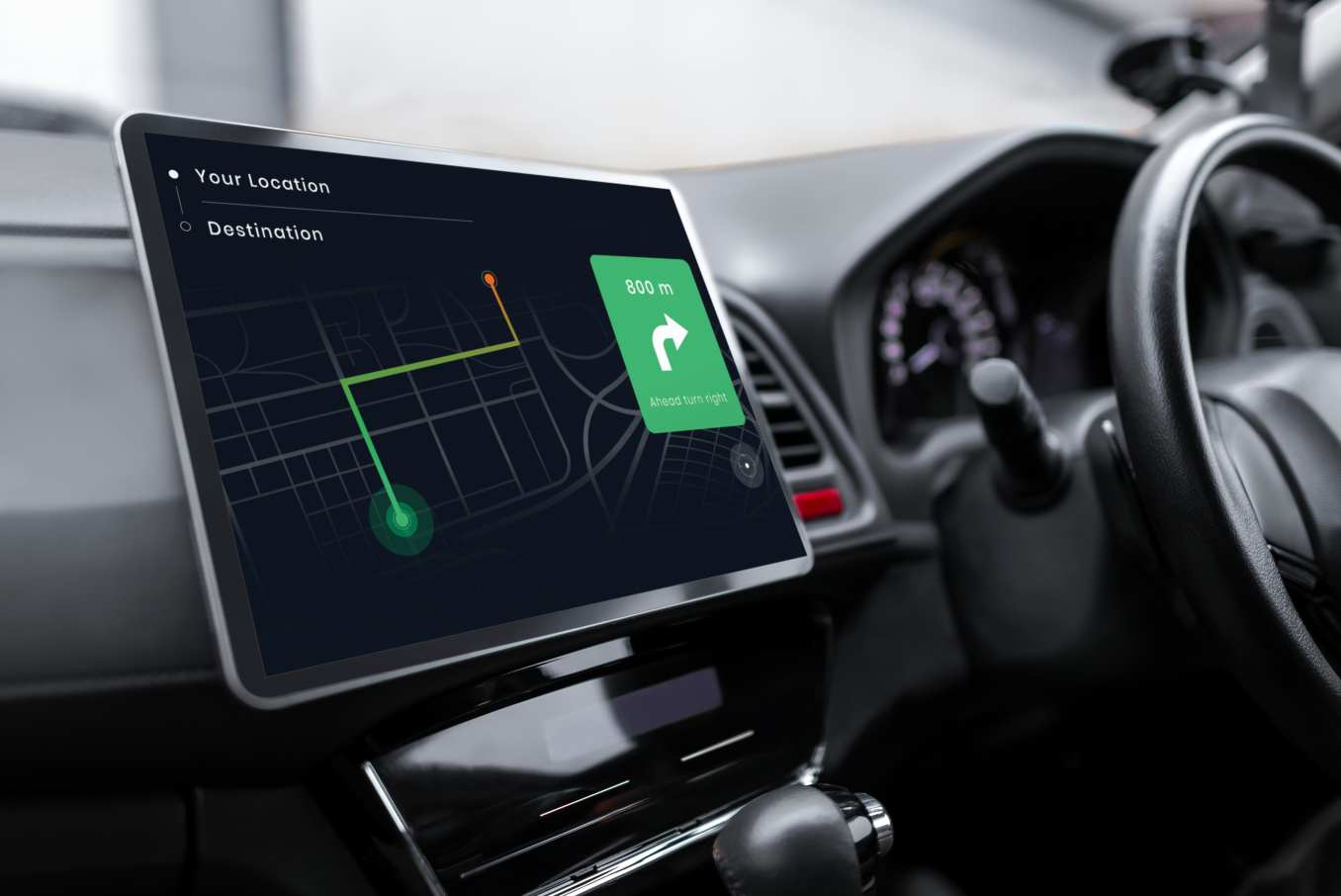
Stacking Up: Capacitive vs Resistive Touch Screen Car Stereos
Which Wins, Capacitive or Resistive Touch Screen?
When stacking capacitive vs resistive touch screen car stereo gear, the pick hangs on what you want most.
Capacitive screens bring top clear views, quick snaps, and multi-touch tricks. This fits tech fans who love smooth flow like phones or pads.
Resistive screens, on the flip, stand tough in rough spots and work with more input gear. They care less about water or dust messing with sense.
Capacitive screens provide sharper visuals, faster response, and better gesture support. Resistive screens are more durable under harsh conditions and compatible with various input tools. The optimal choice depends on your usage environment—urban vs off-road—and your budget.
How to Tell If My Touch Screen Is Capacitive or Resistive?
A few ways to spot your touch screen kind:
-
Light finger taps will work seamlessly on capacitive screens.
-
Resistive screens require more deliberate pressure.
-
Capacitive displays tend to have a sleek glass surface, while resistive ones feel more flexible or plastic-like.
-
Multi-touch gestures such as pinch-to-zoom typically only work on capacitive screens.
These characteristics can help users understand their system’s capabilities and limitations.
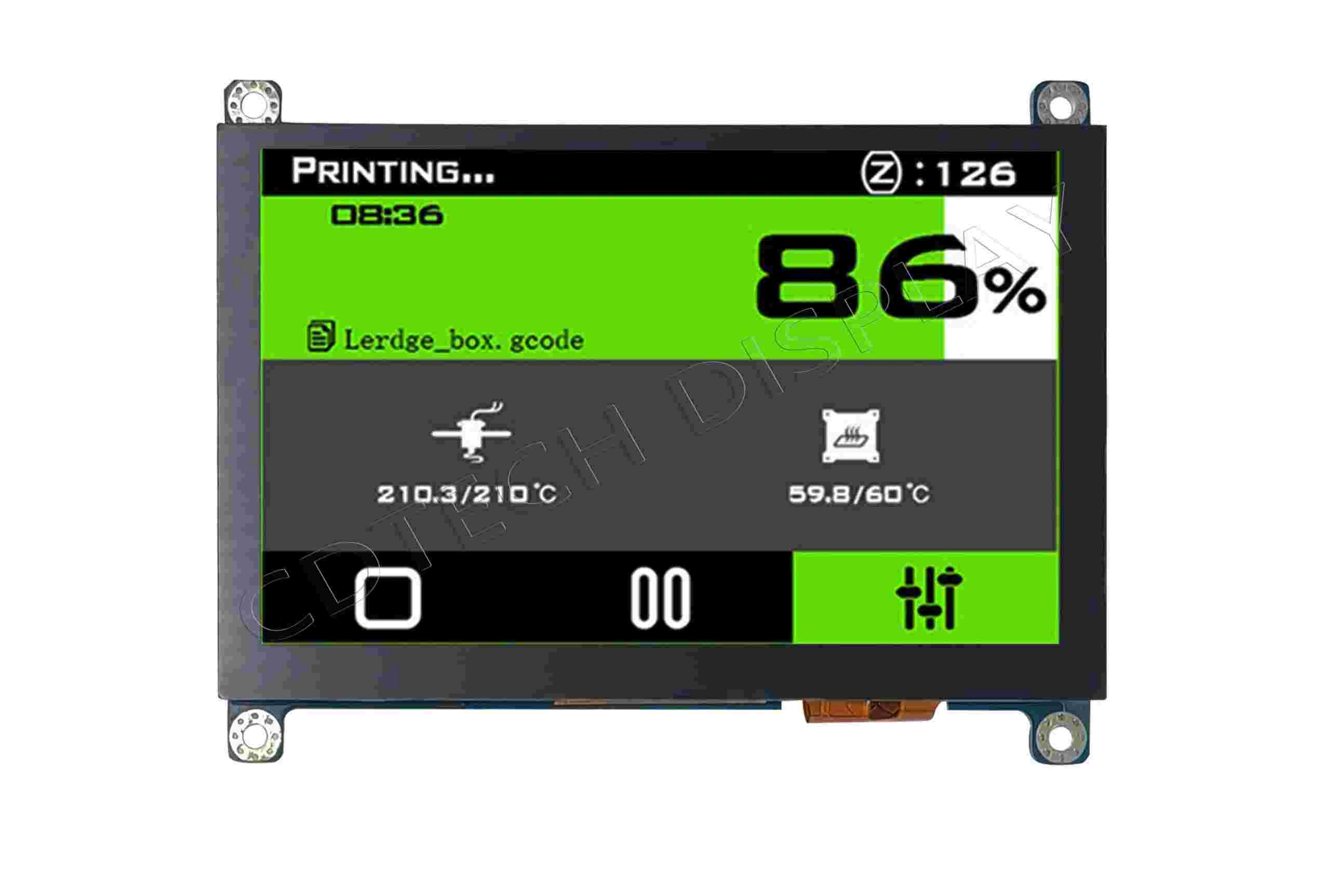
Pic Quality and User Feel
Display Clear and Bright Gaps
Capacitive touch screens usually bring brighter screens with higher detail. They do better in sun thanks to optical bonding tech and less light bounce.
Resistive displays often appear dimmer or less sharp. The multiple layers required for pressure sensitivity can diffuse light, reducing clarity. While sufficient for basic use, they may not provide the same vibrant viewing experience as capacitive models.
Interaction Feel for Maps and Media Control
User moves is another big compare point. Capacitive touchscreens let fast swipes, pinches, and zooms—great for maps and songs. Their quickness feels like today’s phones.
Resistive screens might feel slower or less smooth but stay solid for easy taps like buttons or radio flips. This simple can win where exact beats pretty.
Toughness, Upkeep, and Weather Fit
Which Handles Outside Better?
Resistive touch screens win in rough or outdoor spots thanks to push back on wet, dirt, and temp swings. They keep going even with gloves or pen.
Resistive screens are less affected by moisture or dust, making them suitable for rugged use.
Capacitive models may struggle under such conditions unless designed specifically with glove or waterproof touch capabilities. Our touch screen customization services support thick cover lens, operation with water or gloves, and the use of active or passive pens.
Upkeep Needs Over Time
From upkeep view:
-
Capacitive surfaces are easier to clean due to their glass composition but may attract fingerprints and are vulnerable to scratches without protective films.
-
Resistive layers can degrade over time with repeated pressure applications; however, they are generally more affordable to repair or replace.
However, we also suggest that customers will follow the correct operation or storage methods when using them: try to avoid direct contact with the FPC gold fingers with hands to prevent oxidation.
Proper handling and storage are key to extending the lifespan of both types.
Cash Hits and Install Points
Are Capacitive Screens Pricier Than Resistive Ones?
Yeah, capacitive tech usually costs more from fancy stuff and extras like multi-touch. This fits high-end car sound systems.
Budget folks might grab resistive models for basic tricks at lower tag.
If your needs revolve around basic audio control without multimedia demands, resistive systems offer practical value at an economical price.
Install Fit With Different Car Types
Both capacitive and resistive car stereos come in standard sizes (e.g., single DIN and double DIN), making them compatible with most vehicle dashboards.
Installation requirements do not vary significantly between the two types; both may require professional fitting to ensure proper integration with vehicle electronics and aesthetics.
CDTech’s Part in Pushing Touch Screen Car Stereo Tech
Who’s CDTech and What Do They Bring?
Shenzhen CDTech Electronics established in 2011, is a national high-tech enterprise specializing in TFT LCDs, Touch Displays, HDMI Displays and other display products. With over 13 years of experience, we at CDTech focus on designing and manufacturing both capacitive and resistive touch panels tailored for automotive applications.
Not just a manufacturer of LCD and CTP, CDTech is becoming a globally renowned Display and Touch solution provider.
What Makes CDTech’s Products Pop?
Product Wins:
We offer high sensitivity capacitive panels with multi-touch support for enhanced user experience. For environments where durability is critical, our resistive options provide long-term reliability under tough conditions.
Our touch solutions include glove touch functionality, waterproof design, thick cover lens compatibility, and support for both active/passive stylus input—making our products highly adaptable for automotive use.
Application Range:
Our car stereo display solutions are compatible with various global automotive systems. With full control over our CTP production line, we provide custom FPC designs and flexible IC integration tailored to diverse projects.
These customizations ensure our touchscreens meet the specific demands of various applications, ensuring reliable and precise touch functionality.
FAQ
Q: What is the lifespan of a capacitive screen?
A: Capacitive touch screens typically last over 100,000 hours of use due to their solid-state design with no moving parts.
Q: Can I use gloves with a capacitive car stereo touch screen?
A: Standard capacitive screens do not respond well to gloved input unless they are specifically designed with glove compatibility.
Q: Why does my car stereo screen stop responding sometimes?
A: This could be due to calibration issues, environmental factors like extreme temperatures, or hardware wear depending on whether it’s a capacitive or resistive screen.
Post Search
Related Articles
-

Capacitive vs Resistive Touch Screen Car Stereo: Which Is Right for You?
-

TN LCD vs IPS LCD: How to Choose the Right Display for You
-

Capacitive Touch Panel or Resistive: Which Suits Your Needs?
-

Why Choose an IPS LCD Panel for Your Next Screen Purchase?
-

CDTECH to Showcase Cutting-Edge Display Solutions at SID 2025
-

Comparing Different Types of Displays in Cars: A Detailed Overview