

How Can Low Power LCDs Maximize Battery Life in Handheld Devices?
 2026-03-24
  22:08
22:08 

Low power LCDs maximize battery life in handheld devices through efficient LED backlights with adaptive dimming, low-leakage driver ICs using SPI/RGB interfaces, custom form factors that reduce wasted panel area, and optimized display modes. CDTech’s patented 2nd Cutting technology enables ultra-efficient custom sizes from 1.5″ to 3.5″ for wearables and IoT devices.
Check: HOT LCD PICKS
What Are the Core Power Consumption Drivers in TFT LCD Handheld Displays?
Backlight power dominates at 70-90% of total consumption in handheld TFT LCDs, driven by brightness and dimming. Driver IC efficiency via SPI and RGB interfaces cuts leakage and switching losses. Panel leakage and refresh rates add to the power budget, with custom optimizations reducing draw in wearables and IoT.
How Do Backlight Efficiency Technologies Save Power in Portable Devices?
Ultra-efficient LED backlights in CDTech modules deliver 300-1000 nits with lower wattage than legacy types. Adaptive PWM and analog dimming reduce intensity in low light, extending runtime 2-4x. Transflective modes leverage ambient light, slashing backlight use by 50-70% outdoors for wearables and instruments.
| Technology | Power per Nit | Brightness Range | Best Applications |
|---|---|---|---|
| LED | Low | 300-1000 nits | Wearables, IoT |
| LTPS | Very Low | 400-800 nits | Smartphones |
| IGZO | Ultra Low | 300-700 nits | Medical sensors |
| Transflective | Minimal | Ambient boosted | Outdoor handhelds |
What Low-Power Driver IC Features Enable Longer Runtime in Handhelds?
SPI and RGB interfaces minimize pin count and noise for lower dynamic power versus parallel buses, suiting battery-limited wearables. Low-leakage CMOS processes and sleep modes in driver ICs drop standby current. CDTech integrates these in modules with 1.8V logic and 5V display rails for optimized handheld use.
How Does CDTech’s Patented 2nd Cutting Technology Improve Battery Efficiency?
CDTech’s 2017-patented 2nd Cutting creates precise custom sizes like 1.5″, 2.4″, and 3.5″ bar formats, eliminating wasted pixels in wearables versus standard panels. Tailored resolutions such as 240×240 or 320×240 match app needs, cutting power. Full in-house integration from cutting to backlight assembly tunes efficiency.
CDTech Expert Views
Our 2nd Cutting technology lets OEMs design LCD modules around their exact power budget, avoiding energy waste from standard sizes. With 13+ years experience, 10,000㎡ factory including 3,500㎡ Class 1000 cleanrooms, and 2023 sales over $30M serving 1,000+ customers, we’ve delivered 15-25% power savings in handheld IoT and wearables.”
Which Display Technologies (LTPS, IGZO, IPS) Offer the Best Power Efficiency?
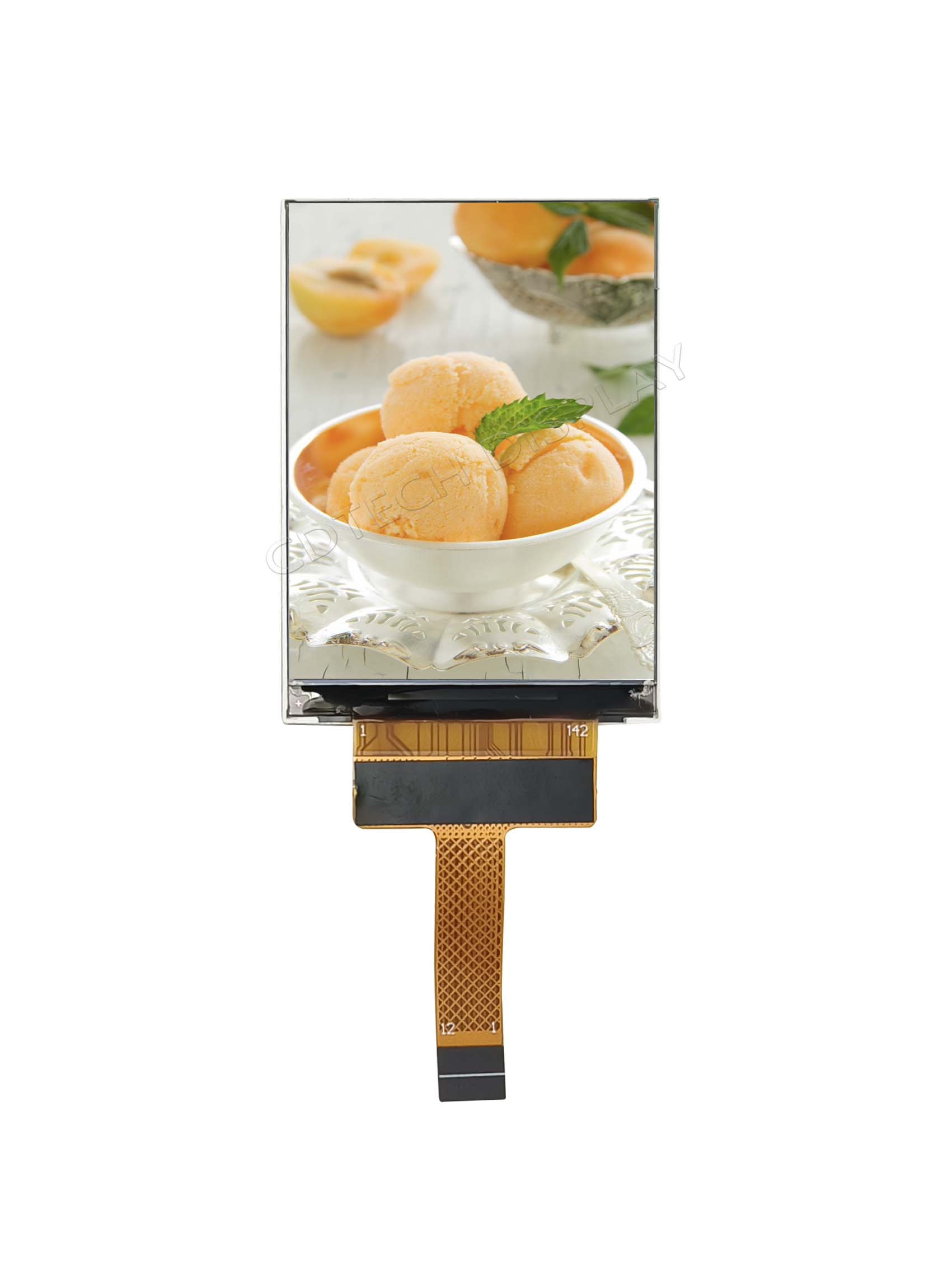
LTPS reduces leakage for wearables with thin-film transistors. IGZO boosts mobility for ultra-low power in medical IoT. IPS provides viewing angles and efficiency near LTPS; CDTech’s IPS modules like 1.5″ 240×240 at 1000 nits or 2.4″ 240×320 at 800 nits use RGB/SPI for low power in embedded systems.
| Tech | Leakage Current | Brightness Efficiency | Cost | Best Use Cases |
|---|---|---|---|---|
| LTPS | Low | High | Medium | Wearables |
| IGZO | Very Low | Very High | High | Medical IoT |
| IPS | Low | High | Low-Medium | Handhelds |
| TN | Medium | Medium | Low | Basic IoT |
How Can Handheld OEMs Integrate Low-Power LCDs into Product Design?
Select SPI/RGB interfaces for low board power; CDTech offers these in 1.5″-3.5″ modules. Implement thermal management and sleep cycling for 40-60% gains. Leverage ISO9001, IATF16949, ISO14001, ISO13485 certifications and ERP traceability for validated power in medical and industrial handhelds.
Why Choose Custom Low-Power LCD Solutions Over Standard Off-the-Shelf Displays?
Custom sizes via CDTech’s 2nd Cutting cut 60-75% wasted area/power in 2″ wearables versus 3.5″ standards. Vertical integration shortens leads with 391+ SKUs. Proven scale ensures future-proofing as batteries evolve, unlike generic suppliers.
What Are Real-World Power Savings Benchmarks for Low-Power LCD Handheld Applications?
Wearables with 1.5″-2.4″ custom LCDs hit 7-14 days on 400mAh batteries at 5-15mW active. Medical 3.5″-5″ IPS drops to 400-700mW for 12-18 hours. Industrial 2.9″ bar LCDs save 50-70% at 3-8mW in daylight via optimized backlights.
Conclusion
Low power LCDs are essential for handheld competitiveness, targeting 7-14 day wearables and 12-18 hour medical runtime. Key enablers include backlight/driver optimization for 25-70% savings, custom form factors like CDTech’s 2nd Cutting, and certified vertical integration. CDTech, with 13+ years, full production chain, and global scale, partners for reliable low-power solutions. Contact sales@cdtech-lcd.com for prototyping.
Frequently Asked Questions
What is the most energy-efficient backlight technology for handheld devices?
LED backlights with PWM dimming and transflective modes balance brightness and efficiency, reducing duty cycles 50-70% outdoors to 20-40mW. CDTech supports these in custom 1.5″-3.5″ modules for wearables and IoT.
How much battery runtime improvement can a custom low-power LCD provide?
Wearables gain 3-7x (2-3 to 7-14 days on 400mAh) with transflectives; medical handhelds 2-3x (4-6 to 12-18 hours) via driver ICs and sized displays. Savings: 25-70% per interface/backlight.
Is LTPS or IGZO better for low-power handheld displays?
LTPS leads for cost-effective wearables; IGZO excels in ultra-low standby for medical IoT. CDTech customizes IPS LTPS for brightness/power balance and IGZO for <5mW specialized needs.
What’s the role of driver IC selection in minimizing handheld display power?
Driver ICs contribute 10-20%; SPI/UART cut switching losses, low-leakage CMOS hits <100µA standby. CDTech’s UART LCM integration trims 15-25% total power for handhelds.
How does CDTech’s 2nd Cutting technology save power in wearables?
It enables 1.5″-3.5″ round/bar customs, slashing 60-75% inactive pixels versus squares. Vertical integration tunes backlights/drivers, extending battery life reliably.
Post Search
Related Articles
-

Capacitive vs Resistive Touch Screen Car Stereo: Which Is Right for You?
-

TN LCD vs IPS LCD: How to Choose the Right Display for You
-

Capacitive Touch Panel or Resistive: Which Suits Your Needs?
-

Why Choose an IPS LCD Panel for Your Next Screen Purchase?
-

CDTECH to Showcase Cutting-Edge Display Solutions at SID 2025
-

Comparing Different Types of Displays in Cars: A Detailed Overview