

How Capacitive Touch Screen Display Revolutionize User Interaction
 2025-12-25
  11:50
11:50 

What is a Capacitive Touch Screen Display?
How Does a Capacitive Touch Screen Work?
A capacitive touchscreen is a kind of touch-sensitive interface. It relies on the electrical traits of the human body to spot input. Unlike resistive technology, capacitive screens detect shifts in the electrostatic field. This happens when a conductive item, often a human finger, touches it.
When a human finger, which carries electricity, nears or touches the screen’s surface, it modifies the nearby electrostatic field. The screen’s grid of clear conductive layers picks up this shift. These layers are usually crafted from indium tin oxide (ITO). Then, the signal goes to a controller IC. This device figures out the touch spot.
What Makes Capacitive Screens Different from Other Technologies?
Capacitive touch screen displays shine because of their quick reactions and sharp images. This leads to speedier response times. It also allows multi-touch features. Plus, it creates a smoother user experience. Since they do not need physical pressure, users get easy gesture controls. Examples include pinch-to-zoom and swipes.
Another major benefit is clear visibility. Capacitive displays skip the flexible top layer found in resistive screens. So, they keep great optical clarity. Input comes from capacitance changes, not mechanical force. Thus, these screens need direct skin contact or a capacitive stylus to work.
What is Better, Resistive or Capacitive Touch Screen?
How Do Resistive and Capacitive Screens Compare in Functionality?
The main difference is in how input gets registered. Resistive touch screens react to pressure. Any object can activate them. On the other hand, capacitive panels notice changes in electrostatic fields. These changes come from a conductive object, usually a finger.
This gap affects functionality a lot. Capacitive screens handle modern gestures well. Think multi-finger swipes, rotation, and zooming. Resistive technology misses this ease. Yet, resistive screens work better in spots where gloves or styluses are needed.
Which One Offers a Better User Experience for Everyday Use?
For typical daily tasks on smartphones, tablets, and kiosks, capacitive technology wins out. Capacitive touchscreens handle real multi-touch actions. This means several fingers can touch the screen at once. So, navigation feels more natural and quick.
Capacitive displays also reply faster and more accurately to touches. They deliver smoother interactions. They support slim device designs without mechanical buttons. Their glass surface gives even touch responses and stronger durability. Users get exact control without pressing hard.
How Have Capacitive Touch Screens Changed User Interaction?
Why Are Capacitive Displays So Popular in Modern Devices?
The growth of capacitive touch screen displays transformed digital interaction. They enable gestures such as swiping, pinching, and zooming. This builds an easy user experience. It reshaped personal electronics.
These displays allow interfaces without buttons. They fit slim device shapes. They offer a modern, sleek style. The responsive feel matches what people expect in smart settings today.
Moreover, with less moving parts than mechanical options, capacitive screens last longer. They are simpler to keep up.
In What Ways Have They Enhanced Everyday Digital Experiences?
Capacitive displays make digital devices easier to reach and more fun. Everyday jobs like web browsing, gaming, sketching, and typing flow better due to their quick responses.
They need minimal upkeep. They suit places where cleanliness and dependability matter most. Bigger touch areas and gesture support help users of all ages and skills. Interfaces become simpler.
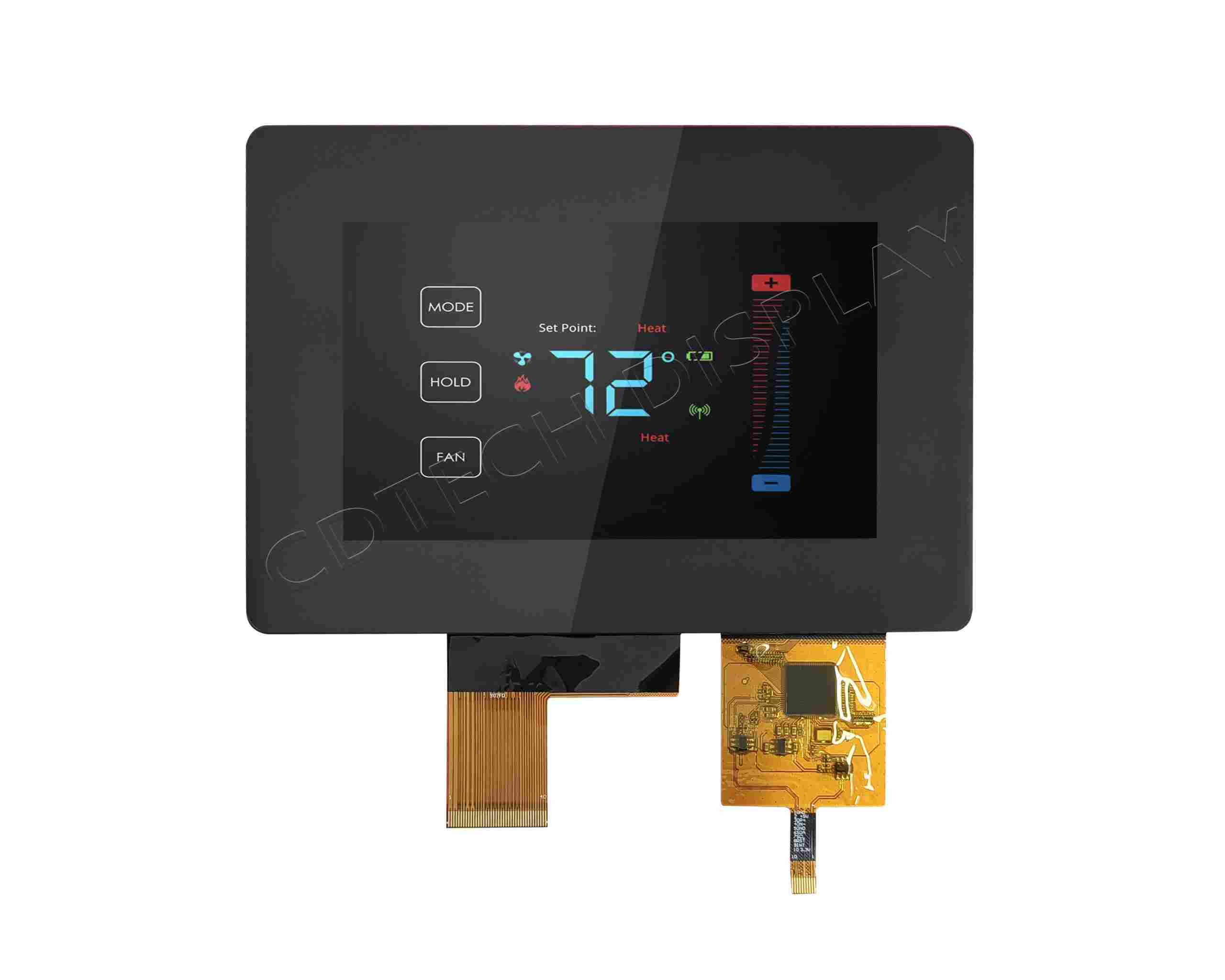
They have also opened new digital setups in growing fields. Examples include smart thermostats and in-car infotainment systems.
Where Are Capacitive Touch Screens Commonly Used Today?
What Types of Devices Rely on This Technology?
Consumer Electronics
Capacitive touch screen displays are common in phones, tablets, smartwatches, and laptops. Their high resolution and multi-touch skills provide an involving user experience. It feels natural and effective.
Industrial Applications
In factories and industrial sites, these screens appear in control terminals, automation panels, and monitoring devices. Our broad range of standard products fits the needs of many industries. This includes industrial control systems.
Automotive Interfaces
Touch-enabled displays have changed vehicle dashboards. From GPS systems to media controls, capacitive panels give safer, more blended control choices for drivers.
Who is CDTech and What Do They Offer in This Field?
What Makes CDTech’s Capacitive Touch Displays Stand Out?
CDTech is a skilled maker specializing in LCD Displays, Bar Type LCD Displays, Capacitive Touch Panels.
Our items go from 1.5 to 15.6 inch. They show strong sensitivity, multi-touch features, and solid performance in different settings.
CDTech can supply various sizes of capacitive touch panels to match the LCD module. We provide wide customization too. This covers cover glass shapes and materials, waterproofing, glove fit, anti-glare coatings, and custom FPCs.
How Are CDTech’s Solutions Used Across Different Sectors?
Industrial Control Systems
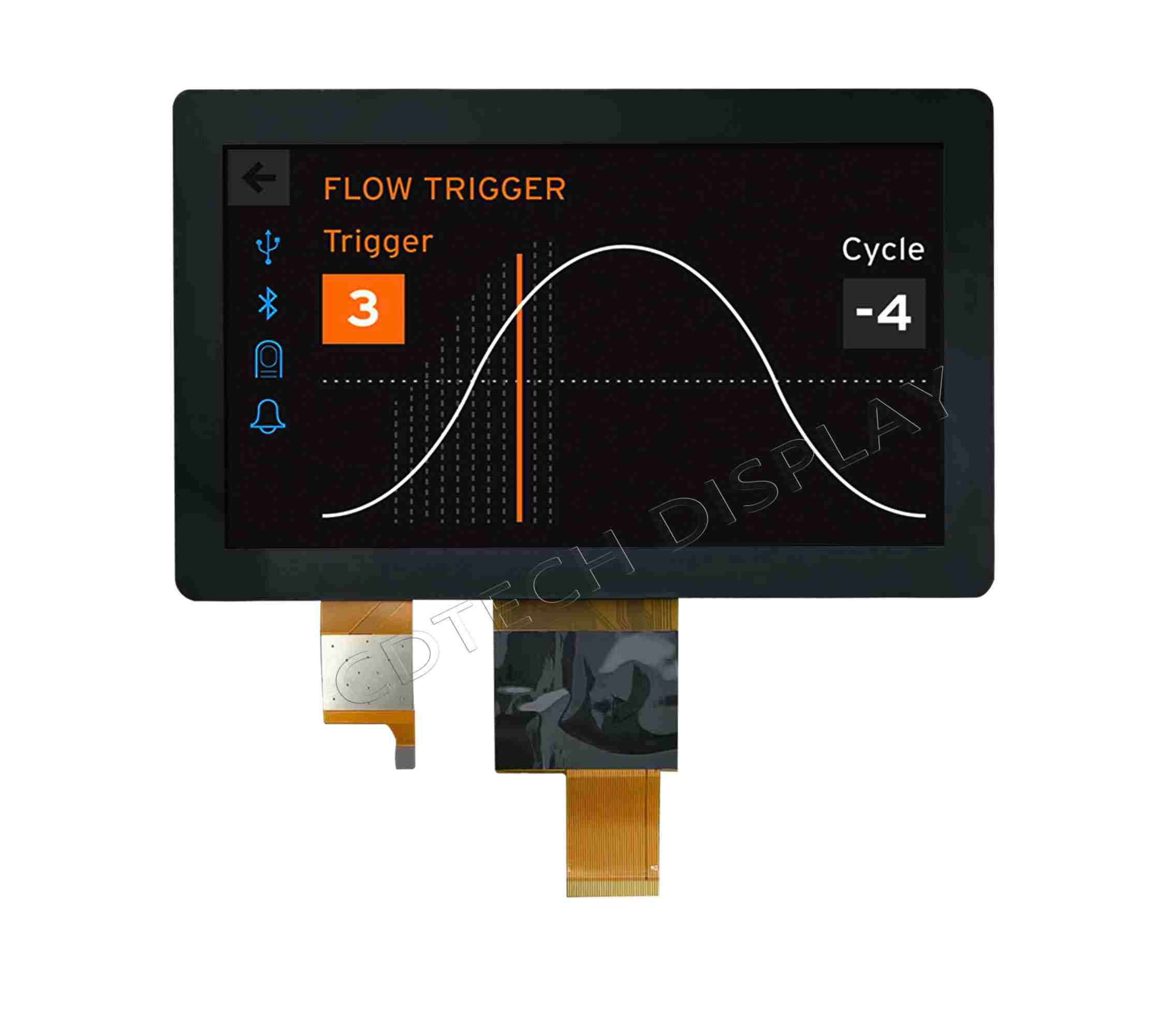
Our tough industrial-grade options give steady performance in tough spots. For instance, our 7.0-inch display adopts TN-type TFT LCD technology with an 800×480 resolution, offering both fast response and cost advantages. Its broad operating temperature range of -20℃ to +70℃ handles rough conditions. We also back glove operation. This suits factory settings well.
Smart Home Interfaces
We aid in adding smooth interactivity to current homes. This comes through touch interfaces for lighting systems, security panels, and home automation dashboards. Intelligent Appliance Display technologies are one of our key areas.
Medical Equipment
For healthcare areas where hygiene and accuracy count, our displays meet strict rules. Medical equipment focuses more on user safety. So, CDTech can add a layer of explosion-proof film on the surface.
We also blend in anti-glare coatings and sealed surfaces. These make cleaning easy. They keep responsiveness, even through gloves.
FAQ
Q: Can capacitive touch screens work with gloves?
A: Yes, but only if the gloves are designed to conduct electricity or are specifically made for touchscreen use.
Q: Why Doesn’t My Phone Respond When I’m Wearing Gloves?
A: Standard gloves block the electrical signal needed for capacitive screens; special touchscreen gloves are required.
Q: Do Capacitive Screens Wear Out Over Time?
A: While durable, they can degrade slightly over years of use; however, they typically outlast resistive screens due to fewer mechanical parts.
Post Search
Related Articles
-

Capacitive vs Resistive Touch Screen Car Stereo: Which Is Right for You?
-

TN LCD vs IPS LCD: How to Choose the Right Display for You
-

Capacitive Touch Panel or Resistive: Which Suits Your Needs?
-

Why Choose an IPS LCD Panel for Your Next Screen Purchase?
-

CDTECH to Showcase Cutting-Edge Display Solutions at SID 2025
-

Comparing Different Types of Displays in Cars: A Detailed Overview