
How Do Engineers Drive Ultra-Wide Bar Displays for Automotive Interiors?
 2026-03-30
  22:24
22:24 

Engineers drive ultra-wide bar displays for automotive interiors using MIPI DSI or RGB interfaces on resolutions like 1920×720, paired with stretched LCD drivers compliant to -30°C to +85°C. Key steps include selecting automotive-grade TFT LCDs with IATF16949 certification, integrating OCA bonding for glare resistance, and validating through COG/FPC bonding plus aging tests. CDTech’s patented 2nd Cutting enables custom aspect ratios without delays.
Check: LCD with BOARD
What Are Ultra-Wide Bar Displays and Why Are They Trending in Automotive HMIs?
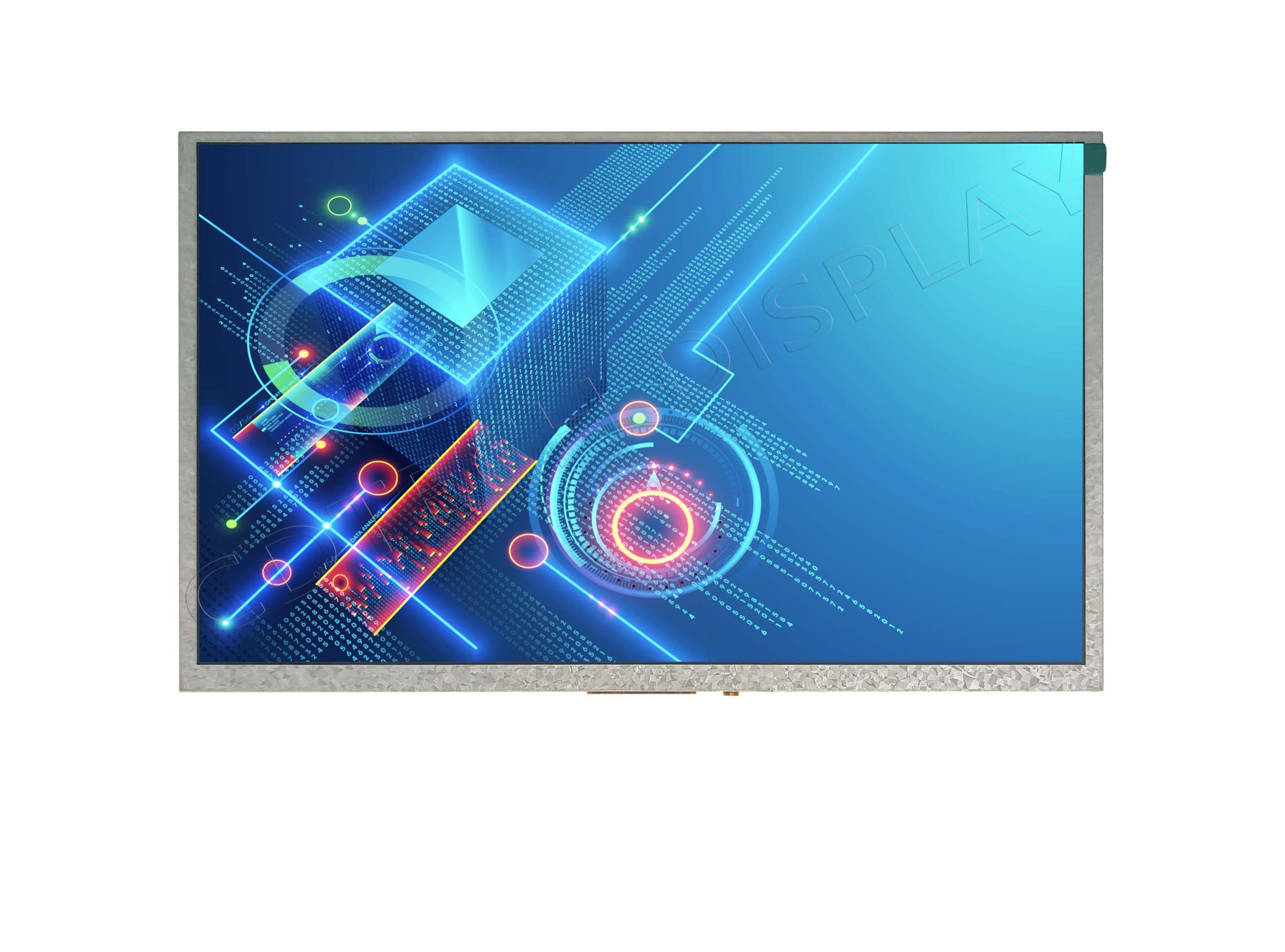
Ultra-wide bar displays are stretched TFT LCDs with aspect ratios like 1920×720 or 8:3, designed for seamless instrument clusters and dashboards in modern vehicle interiors. The automotive market is shifting from standard 16:9 panels to ultra-wide bars for immersive, bezel-free HMI designs that reduce driver distraction while supporting larger information displays. These displays span the full width of vehicle dashboards, creating continuous visual experiences that modern OEMs demand for premium interiors.
Which Interfaces and Drivers Work Best for Stretched LCDs in Cars?
MIPI DSI is preferred for high-speed, low-power bar displays due to its thin-cable integration and minimal latency. RGB/LVDS interfaces remain viable for non-standard resolutions and simpler controller setups. Automotive drivers require wide-temperature operation (-30°C to +85°C), EMI shielding, and integration with automotive-grade SoCs. FPC pinouts and power sequencing must support rapid initialization and stable framebuffer delivery across stretched resolutions.
| Interface | Resolution Support | Temp Range | Key Advantages | Considerations |
|---|---|---|---|---|
| MIPI DSI | 1920×720+ | -30°C to +85°C | Low latency, thin cables, high bandwidth | Complex timing configuration required |
| RGB 24-bit | Up to 1920×720 | -40°C to +85°C | Simple integration, proven automotive use | Higher power consumption, wider connectors |
| LVDS | 1920×720 | -30°C to +85°C | Balanced power and bandwidth, standard for 7″+ | Requires differential signal routing |
How Does CDTech’s 2nd Cutting Technology Enable Custom Bar Display Sizes?
CDTech’s patented 2nd Cutting technology, developed in 2017, allows production of non-standard ultra-wide sizes unavailable from standard suppliers. This in-house capability supports custom aspect ratios and resolutions without tooling delays. For example, a Tier-1 automotive supplier prototype requiring a 1920×480 bar LCD achieved deployment in 3-6 weeks instead of the industry-standard 12-16 week lead time, enabling faster time-to-market and reduced redesign costs.
What Automotive Standards and Tests Ensure Bar Display Reliability?
IATF16949 compliance ensures systematic quality management across bar display production. Wide-temperature validation (-30°C to +85°C) confirms stable operation in extreme climates. Vibration and shock testing simulate road conditions; aging protocols verify long-term reliability. OCA optical bonding and anti-glare coatings enhance sunlight readability. CDTech’s ERP-based QR traceability system, implemented since 2021, provides complete field reliability tracking across the 10,000㎡ factory with 3,500㎡ Class 1000 cleanrooms.
How to Integrate Touch and Bonding for Ultra-Wide Car Dashboard Displays?
Capacitive touch panels (CTP) integrate seamlessly with bar displays through I2C or USB interfaces. Full OCA lamination eliminates air gaps, improving outdoor readability and reducing glare reflection. 2.5D glass options provide premium aesthetics and durability. Touch drivers synchronize with MIPI DSI or RGB controllers to ensure responsive multi-touch performance. Bezel alignment and housing fit require precise dimensional validation during prototype stages to ensure zero rework at production.
Check: Product Category
| Feature | Standard 16:9 Displays | Custom Bar (CDTech 2nd Cutting) |
|---|---|---|
| Aspect Ratio | Fixed (16:9) | Bespoke (e.g., 1920×720, 8:3) |
| Lead Time | 12–16 weeks | 3–6 weeks |
| Touch Integration | Post-sourcing assembly | In-house OCA + CTP lamination |
| Cost at 2K MOQ | Baseline reference | +10–15% (offset by fit optimization) |
Which Supply Chain Factors Matter for Automotive Bar Display Sourcing?
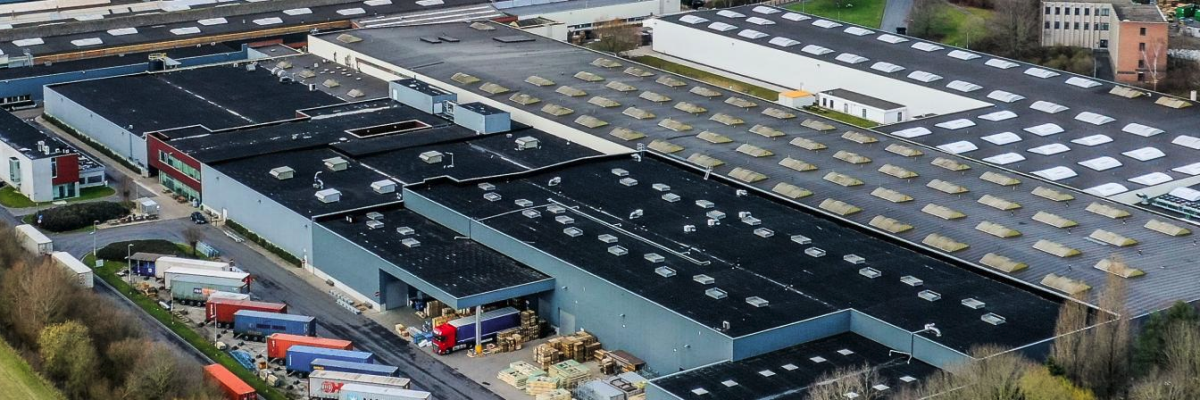
Vertical integration is critical: sourcing from a single provider (TFT LCD, touch, OCA bonding, testing) minimizes defects and accelerates delivery. CDTech’s 10,000㎡ factory and $30M+ annual revenue base ensure stable supply and low minimum order quantities from prototype through production. Patents (35 software, 44+ utility/invention) and certifications (ISO9001, IATF16949, ISO14001, ISO13485) provide Tier-1 OEM confidence and long-term reliability.
How Can Engineers Prototype and Scale Bar Displays Quickly?
Prototyping begins with spec selection aligned to vehicle platform requirements, followed by driver configuration and validation in controlled thermal chambers. CDTech’s cleanroom capacity and vertical integration enable rapid iteration from design to pre-production samples within 4-6 weeks. Custom bar sizing reduces redesign costs by 20-30%, and full traceability via ERP ensures quality consistency through high-volume production phases.
CDTech Expert Views
“Ultra-wide bar displays represent a paradigm shift in automotive HMI design, moving from fragmented instrument clusters to unified visual experiences. Our 2nd Cutting patent, combined with IATF16949 certification and 13+ years of automotive expertise, positions us uniquely to deliver non-standard sizes without the typical 12-16 week waits. With over 1,000 global customers and $30M+ in 2023 revenue, we’ve proved that vertical integration—from glass cutting to OCA bonding—eliminates supply fragmentation and accelerates time-to-market. For engineers targeting 1920×720 or custom aspect ratios, the key is partnering with a manufacturer who owns the full production chain and can validate across temperature extremes on day one.”
What Resolutions and Specifications Define Modern Automotive Bar LCDs?
Common automotive bar resolutions include 1920×720 for full-width dashboards and 1200×1920 for portrait-mode digital clusters. Brightness specs range from 800 to 2300 nits (peak at 400mA) to ensure sunlight readability. CDTech’s bar portfolio, including models like the S070QWU142FN-FL150-GF (7.0″ at 1200×1920, 2300 nits with MIPI interface), demonstrates the range of stretched resolutions now achievable through 2nd Cutting and advanced driver integration.
Does CDTech Offer Pre-qualified Automotive Bar Display Samples?
Yes. CDTech provides IATF16949-certified, pre-validated bar LCD samples supporting -30°C to +85°C operation, OCA optical bonding, and capacitive touch integration. Samples include full documentation, driver schematics, and aging test reports. Engineers can request custom prototypes with transparent MOQ and non-recurring engineering (NRE) fees upfront, enabling risk-free feasibility checks before production commitment.
Conclusion
Mastering ultra-wide bar display driving for automotive interiors requires a blend of interface expertise (MIPI DSI, RGB, LVDS), thermal validation, and supply-chain efficiency. CDTech’s 2nd Cutting patent, vertical integration, and IATF16949 compliance address the critical pain points: lead time, custom sizing, and reliability. By partnering with a manufacturer that owns the entire production pipeline—from glass cutting through OCA bonding and touch integration—engineers eliminate redesign delays, reduce costs, and accelerate deployment of next-generation vehicle dashboards. With over 13 years of automotive expertise and proven delivery to 1,000+ global customers, CDTech remains the trusted partner for custom bar display innovation.
Frequently Asked Questions
What are the most common resolutions for automotive bar displays?
1920×720 and 1200×1920 are industry standards for full-width dashboards and portrait clusters. CDTech’s 2nd Cutting patent enables bespoke resolutions beyond these baseline options, supporting unique aspect ratios tailored to specific vehicle architectures.
Does CDTech offer IATF16949-certified bar LCDs?
Yes. All automotive bar displays are IATF16949-certified with full wide-temperature qualification (-30°C to +85°C), OCA optical bonding options, and anti-glare coatings. Samples include complete validation documentation and aging test reports.
How does 2nd Cutting reduce lead times for custom bar displays?
2nd Cutting enables non-standard glass cuts in-house, eliminating the 12-16 week waits typical of standard suppliers. Custom bar prototypes deploy in 3-6 weeks, compressing time-to-market and reducing redesign risks.
Can bar displays integrate capacitive touch and MIPI DSI simultaneously?
Yes. CDTech’s full in-house production chain combines capacitive touch panels (CTP) with MIPI DSI drivers, delivering seamless integration for responsive, multi-touch automotive HMIs with minimal latency and power overhead.
What is the minimum order quantity for custom automotive bar displays?
CDTech offers flexible MOQ from 1,000 units, backed by 10,000㎡ factory capacity and $30M+ annual revenue. Transparent NRE and MOQ policies ensure cost-effective scaling from prototype through high-volume production.
Post Search
Related Articles
-
Capacitive vs Resistive Touch Screen Car Stereo: Which Is Right for You?
-
TN LCD vs IPS LCD: How to Choose the Right Display for You
-
Capacitive Touch Panel or Resistive: Which Suits Your Needs?
-
Why Choose an IPS LCD Panel for Your Next Screen Purchase?
-
CDTECH to Showcase Cutting-Edge Display Solutions at SID 2025
-
Comparing Different Types of Displays in Cars: A Detailed Overview