

How Does EDID in HDMI Enable LCD Displays to Auto-Detect Native Resolution?
 2026-04-12
  20:35
20:35 

EDID (Extended Display Identification Data) is a standardized data structure stored on an HDMI driver board that communicates the display’s native resolution, refresh rates, and capabilities to source devices like PCs or Raspberry Pi. When connected, the host automatically reads this data via the Display Data Channel (DDC), negotiating optimal native resolution for plug-and-play compatibility without manual setup—preventing black screens or scaling issues.
Check: How Do HDMI Driver Boards Simplify LCD Integration for Rapid Prototyping?
What Is EDID and Why Is It Essential for HDMI LCD Displays?
EDID is a 128-byte (or extended 256-byte) ROM-based data structure embedded in HDMI display sinks, detailing timings, color formats, and audio support. It replaces older VESA standards with a more robust protocol. In HDMI LCD ecosystems, EDID enables “hot-plug detect” for instant resolution matching, critical for industrial, automotive, and embedded applications. CDTech pre-programs EDID on driver boards for standard sizes—from 7″ to 12.3″ bar-type models—ensuring seamless PC compatibility without integration delays.
How Does the HDMI Driver Board Tell the PC Its Native Resolution?
When you connect an HDMI LCD to a source device, the host queries EDID via the DDC bus using I2C protocol. The driver board responds with the preferred native resolution—for example, 1920×720 for CDTech’s bar-type automotive displays. The host selects from EDID’s Established Timings or Detailed Timings blocks, falling back to safe defaults if mismatches occur. CDTech’s vertically integrated HDMI boards come with pre-flashed EDID tailored to 391+ SKUs, reducing OEM integration time significantly.
What Causes Common HDMI EDID Problems and Black Screens?
The most frequent issues include corrupted EDID data, non-standard resolutions blocking detection, faulty cables that interrupt DDC communication, or host operating system overrides in multi-monitor setups. Symptoms range from no signal and incorrect scaling to “out of range” errors. Black screens often stem from the host failing to read EDID properly, leaving it unable to identify the display’s capabilities. These failures account for roughly 30% of integration headaches in embedded and industrial projects.
| Problem | Root Cause | Quick Fix | CDTech Advantage |
|---|---|---|---|
| Black screen on boot | EDID read failure or DDC line fault | Test with EDID emulator; swap cable | Pre-programmed boards with robust timings for all SKUs |
| Wrong resolution displays | Non-standard native res not in EDID | Reprogram EDID via tool or firmware | Patented 2nd Cutting tech handles custom sizes (e.g., 12.3″ 1920×720 bar) |
| Scaling artifacts or blurriness | Host ignores EDID, applies Windows scaling | Force timing via GPU driver or BIOS | Quad-certified reliability (IATF16949/ISO13485) ensures zero EDID corruption |
How Does EDID Emulation Improve HDMI LCD Auto-Detection?
EDID emulation uses software or hardware tools to override or supplement the default EDID, enabling support for custom or non-VESA timings ideal for projects with Raspberry Pi or single-board computers. This is particularly valuable when using displays with unique aspect ratios or refresh rates. CDTech’s patented 2nd Cutting technology (developed 2017) creates custom LCD sizes unavailable from standard panel manufacturers, and EDID emulation ensures these displays are instantly recognized by any modern host without driver installation or manual configuration.
Why Is EDID HDMI Compatibility Critical for Industrial and Embedded Applications?
In industrial HMI panels, medical devices, and automotive dashboards, reliable EDID HDMI compatibility ensures plug-and-play operation across diverse host platforms—from legacy PCs to embedded systems. Mismatches between host expectations and EDID data trigger integration failures, field support costs, and customer frustration. CDTech’s 13+ years of TFT LCD manufacturing experience, combined with its 3,500 square-meter Class 1000 cleanroom and vertically integrated production chain, guarantees that every HDMI driver board ships with validated, production-tested EDID that works first-time across industrial and medical applications.
| Capability | Generic Suppliers | CDTech HDMI LCDs |
|---|---|---|
| Custom Resolution Support | Limited to standard VESA timings | Patented 2nd Cutting enables unique sizes (e.g., 12.3″ bar 1920×720) |
| Quality Certifications | ISO9001 only | Quad-certified: ISO9001, IATF16949, ISO14001, ISO13485 |
| Production Scale & Traceability | Fragmented supply chains | $30M+ 2023 sales, 391+ SKUs, ERP-based QR scanning traceability since 2021 |
| EDID Pre-Programming | Manual or generic flashing | Fully integrated: EDID tailored and tested for each SKU in-house |
How Can You Test and Program EDID for Custom LCD Driver Boards?
Start by using HDMI analysis tools—such as Phoenix EDID Designer or dedicated HDMI protocol analyzers—to read, modify, and write custom EDID data to your driver board’s flash memory. Always back up the original EDID before making changes. Test the reprogrammed board across multiple hosts (Windows PC, Mac, Linux, Raspberry Pi) to verify compatibility. For production runs, partner with vendors like CDTech that offer in-house EDID programming and validation, eliminating prototype guesswork and ensuring every unit ships ready for field deployment.
Check: LCD with Board
What Makes CDTech the Reliable Choice for EDID-Optimized HDMI Displays?
CDTech stands apart through its national high-tech enterprise status (renewed 2023), 10,000 square-meter factory with 3,500 square meters of Class 1000 cleanrooms, and patented 2nd Cutting technology that enables truly custom EDID-optimized display formats. With over 13 years of proven experience, 44+ utility and invention patents, 35 software copyright patents, and full in-house vertical integration—from LCD glass cutting through OCA optical bonding—CDTech ensures every HDMI driver board and pre-integrated EDID is production-tested before shipment. The company’s 1,000+ global customers and $30M+ 2023 sales attest to the reliability of its EDID solutions across industrial, automotive, medical, and embedded segments.
CDTech Expert Views
“Our patented 2nd Cutting technology and full vertical integration ensure EDID is optimized for any custom TFT LCD, from 7-inch industrial HMI panels to 12.3-inch automotive bar displays. Backed by 44+ patents, 35 software copyrights, and quad certifications (ISO9001, IATF16949, ISO14001, ISO13485), our engineers eliminate prototyping risks. Every HDMI driver board ships with production-validated EDID, tested across platforms and pre-flashed for your exact resolution and timing requirements. With our Class 1000 cleanroom and ERP traceability system, you get plug-and-play compatibility guaranteed.”
Conclusion
EDID is the backbone of modern HDMI LCD compatibility, automatically communicating native resolution and display capabilities for seamless, plug-and-play integration. By understanding how EDID works—and by choosing vendors with proven expertise like CDTech—engineers and OEMs can eliminate integration headaches, accelerate time-to-market, and deploy industrial, automotive, and embedded displays with confidence. CDTech’s 13+ years of experience, patented 2nd Cutting innovation, quad certifications, and 391+ tested SKUs make it the trusted partner for EDID-optimized HDMI solutions at any scale.
For tailored EDID programming, custom display designs, or production-grade HDMI driver boards, contact CDTech’s sales team at sales@cdtech-lcd.com or visit https://www.cdtech-display.com to explore solutions engineered for your project.
Frequently Asked Questions
What is EDID in simple terms?
EDID is a small data file stored on your HDMI display that tells the source device (PC, Raspberry Pi, etc.) the display’s native resolution, refresh rate, and supported features. This enables automatic compatibility without manual setup.
How do I fix HDMI EDID problems like black screens or no signal?
Check your HDMI cable for loose connections or damage, use an EDID emulator tool to diagnose read failures, or upgrade to pre-programmed driver boards from certified manufacturers like CDTech that guarantee EDID robustness across all host platforms.
Does EDID work with Raspberry Pi HDMI LCDs?
Yes. EDID support is built into Raspberry Pi and all modern single-board computers. CDTech’s HDMI display modules come with native EDID pre-programmed, so they auto-detect resolution on any Raspberry Pi or SBC without additional drivers or configuration.
Can EDID handle custom or non-standard resolutions?
Absolutely. Using EDID emulation or reprogramming, you can support custom resolutions. CDTech’s patented 2nd Cutting technology enables unique LCD sizes (like 12.3-inch 1920×720 bar displays) with tailored EDID for seamless auto-detection.
Why should I choose CDTech for HDMI driver boards and EDID solutions?
CDTech offers quad certifications (ISO9001, IATF16949, ISO14001, ISO13485), 13+ years of proven expertise, patented custom-size technology, full in-house production and EDID programming, and $30M+ in 2023 sales serving 1,000+ global customers—guaranteeing production-ready, validated EDID compatibility.
Post Search
Related Articles
-
Capacitive vs Resistive Touch Screen Car Stereo: Which Is Right for You?
-
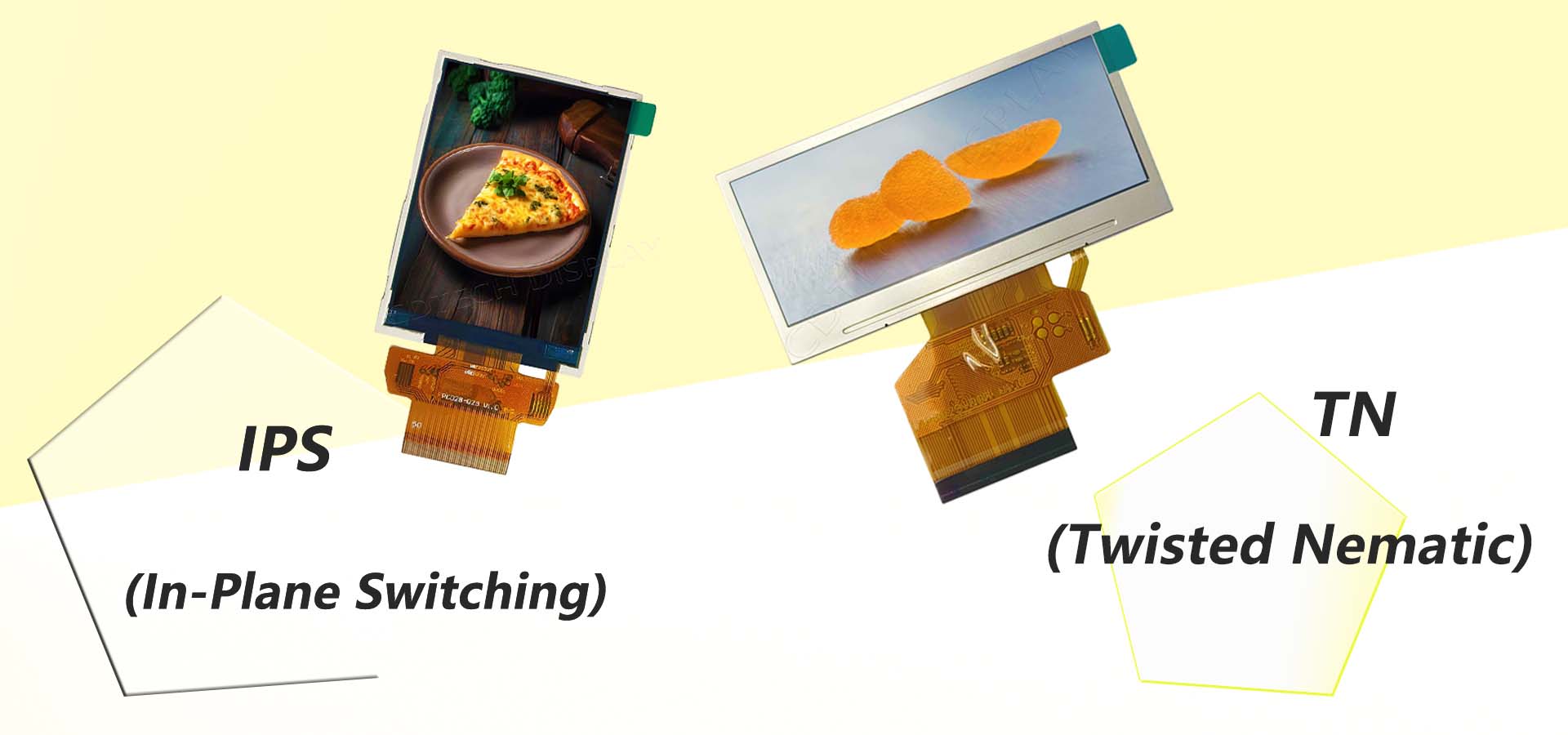
TN LCD vs IPS LCD: How to Choose the Right Display for You
-
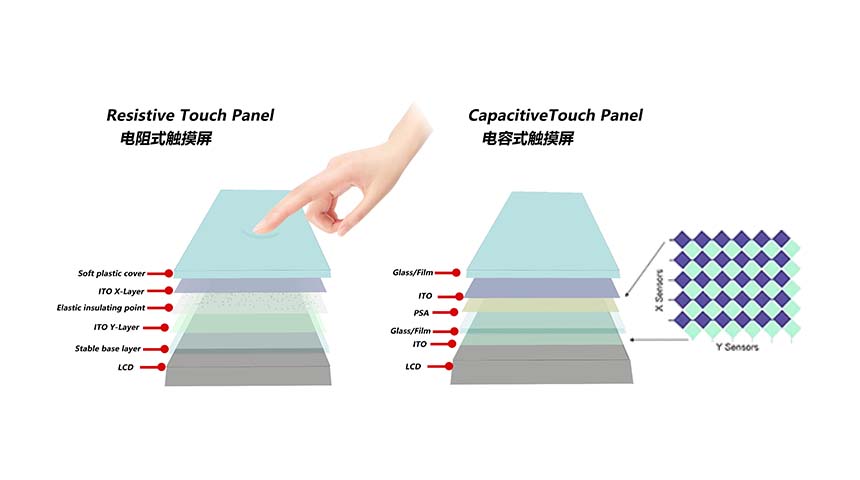
Capacitive Touch Panel or Resistive: Which Suits Your Needs?
-
Why Choose an IPS LCD Panel for Your Next Screen Purchase?
-
CDTECH to Showcase Cutting-Edge Display Solutions at SID 2025
-
Comparing Different Types of Displays in Cars: A Detailed Overview
-
White Spots on LCD Screen: Causes, Fixes & Industrial Solutions (2026 Guide)