

Square LCD Panel vs. Traditional Displays: A Comparative Analysis
 2026-02-06
  11:50
11:50 

What Sets Square LCD Panels Apart?
What Are the Key Differences Between Square LCD Panels and Traditional Displays?
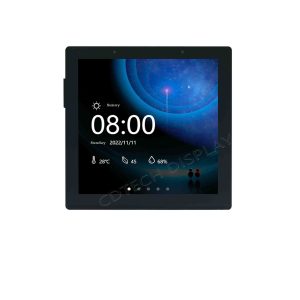
Square LCD panels, known for their 1:1 aspect ratio, differ greatly from the usual rectangular shapes like 16:9 or 4:3. This even width and height setup enables special display options where standard screens do not work well. Although wide screens lead in everyday markets for TVs, laptops, and phones, square LCD panels find a spot in uses that need even visual setups or small fittings.
Unlike standard displays, square LCDs give design freedom in fields like smart home setups, control units, and small built-in gadgets. The even shape helps easy fitting into cases where space matters most.
How Do Aspect Ratios Influence Display Functionality?
Aspect ratio deeply affects how content shows up and feels. Square screens make layout planning simpler for even user interface designs. They suit grid-style content, dashboards, and icon-based apps well. Their even proportions let creators place items neatly without twisting or extra blank areas.
Wide screens, on the other hand, provide more side-to-side room. This fits better for watching videos or handling multiple tasks. Yet, for uses focused on user action rather than fun—such as factory or health systems—the square LCD panel style often works more efficiently.
Performance Comparison: Visual Quality, Responsiveness, and Efficiency
Do Square LCD Panels Offer Comparable Visual Quality to Traditional Displays?
Today’s square LCD panels provide strong visual results that match their wide-screen equals. Many use In-Plane Switching (IPS) tech. This boosts color truth and gives steady viewing angles over the whole screen.
Our 4.0-inch 480×480 IPS square TFT display with capacitive touch panel (CTP) and MIPI interface delivers bright colors and broad viewing angles due to IPS tech. It also includes a capacitive touch panel for smooth user handling. Likewise, our 4.0-inch 480×480 square screen IPS touch panel with RGB/SPI interface ensures sharpness and thrift for small gadgets.
These traits together make sure square LCD panels meet current needs for quick response and clear images in hands-on apps.
How Does Power Consumption Differ Between Display Types?
A display’s power use depends more on its size and light setup than its form. Since square LCD panels often come in smaller sizes made for built-in systems or portable tools, they can save energy noticeably in those settings.
Application Scenarios: Where Do Square LCD Panels Excel?
In What Environments Are Square LCD Panels Most Effective?
Square LCD panels stand out in places where room is tight but clear sight and user action are key. They serve mainly in factory control, person-machine links, tools, elevators, and similar areas. Their even sizes make them perfect for placing in small devices without losing clear reading.
In health care, evenness can improve user handling and cut mental effort in vital jobs. Medical gear focuses more on user safety and avoids extra harm to patients. So, CDTech can add an explosion-proof layer on our product surfaces. This also creates an anti-glare result.
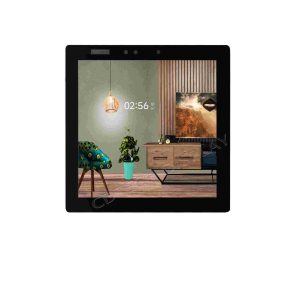
Square screens appear more in smart home tools, vending units, and wearables. In these, function must pair with tiny space use.
Why Are Designers Choosing Square Displays Over Traditional Formats?
Creators pick square LCD panels for supporting steady UI/UX looks across tools. Evenness allows nice-looking setups that feel natural to use. CDTech supports LCD size tailoring services, including NRE AA size and OD size. Plus, CDTech holds cutting patent tech. This lets custom cutting of displays to exact measures for unique needs.
This kind of freedom means square modules fit into setups where standard shapes would need give or extra room. Built-in system makers gain a lot from the small size and neat layout of square displays.
User Experience Considerations: Interaction, Readability, and Versatility
How Does the User Experience Differ Between Square and Traditional Displays?
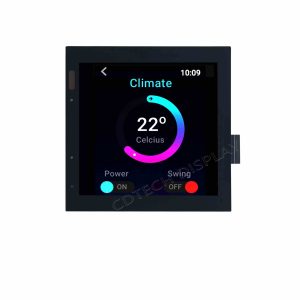
Touch handling feels more natural on square screens because of their even setup. Buttons, icons, and path elements can sit evenly around the middle without bunching at the sides.
Centered content showing boosts readability, mainly for brief text lines or status signs. This brings better ease in spots like elevator controls or sales points.
Also, CDTech can supply various sizes of capacitive touch panels to fit the LCD module. They support touch via gloves or in wet conditions. This proves vital for health or outside uses.
Can Square LCD Panels Adapt to Different Content Types Easily?
Though the unusual aspect ratio might need some UI tweaks, square LCD panels adjust well with a tailored interface plan. They handle block-style content like icons,
With proper design thoughts, these displays manage both fixed info and moving interactive parts well.
CDTech’s Contribution to the Evolution of Square LCD Panels
Who Is CDTech and What Solutions Do They Offer in the Display Market?
Shenzhen CDTech, founded in 2011, is a national high-tech firm focused on TFT LCDs, Touch Displays, HDMI Displays, and other display items. Supported by our own R&D group and solid quality checks, we deliver fine standard and tailored display and touch answers. These fit the varied wants of clients in many fields.
CDTech works to push display tech forward and give fresh answers. We will keep putting in and creating to boost quality that fits our clients’ changing needs worldwide. We take pride in offering not just standard goods but also full custom solutions for exact app demands.
CDTech offers 1.5″ ~ 15.6″ top-notch industrial LCD displays. These have long life, great steadiness, high brightness, work in harsh temperatures, and blend touch with display. Such qualities allow less power use while keeping trust in tough spots.
What Are the Features of CDTech’s 4-Inch 480×480 IPS Square TFT Displays?
With CTP & MIPI Interface
The 4.0-inch 480×480 IPS square TFT display with CTP & MIPI interface has a capacitive touch panel built in for easy handling. The MIPI interface handles fast data moves fit for current built-in systems. This type supports full RGB color making and gains from IPS tech that lifts color truth and viewing angles.
With RGB/SPI Interface
The type with RGB/SPI interface gives flexible fitting for various control boards. It suits small devices needing good display work without losing picture clearness.
FAQ
Q:What makes a square LCD panel better suited for embedded systems than a traditional display?
A:Its compact 1:1 aspect ratio fits into tight spaces while still offering high resolution and touch capability, making it ideal for embedded applications like control panels or portable devices.
Q:Can I use a square LCD panel to display video content effectively?
A:While it’s possible, traditional widescreen displays are better suited for video due to their horizontal layout; square displays are more effective for static or interactive content.
Q:Are square LCD panels more expensive than traditional rectangular ones?
A:Pricing varies based on size, resolution, interface type, and quantity ordered; however, specialized formats like square panels may carry a slight premium due to lower mass-market production volumes.
Post Search
Related Articles
-

Capacitive vs Resistive Touch Screen Car Stereo: Which Is Right for You?
-

TN LCD vs IPS LCD: How to Choose the Right Display for You
-

Capacitive Touch Panel or Resistive: Which Suits Your Needs?
-

Why Choose an IPS LCD Panel for Your Next Screen Purchase?
-

CDTECH to Showcase Cutting-Edge Display Solutions at SID 2025
-

Comparing Different Types of Displays in Cars: A Detailed Overview