

The Advantages of Upgrading to a 7 Inch Capacitive Touch Panel
 2025-11-28
  11:50
11:50 

What a 7 Inch Capacitive Touch Panel Really Brings to the Table
What Sets Capacitive Touch Apart from Older Tech?
A capacitive touch panel feels your finger by picking up tiny changes in an electric field. That makes it way sharper and quicker than old resistive screens. Resistive ones need real pressure from a finger or pen to work. Capacitive panels catch even the softest tap, so everything feels fast and smooth.
On top of that, capacitive tech handles multi-touch like a champ. You can pinch to zoom, swipe with two fingers, twist pictures—stuff resistive screens just can’t do. The glass front is tough, looks clean, and goes edge-to-edge for a modern vibe that makes any device look sharp.
Why Has the 7 Inch Size Taken Over Everywhere?
The 7 inch capacitive touch panel hits the sweet spot. It’s big enough to show tons of info but still small enough to fit in your hand or squeeze into tight spots.
You see it all over the place—smart thermostats, car dashboards, factory control screens. It plays nice with tiny computers and fits almost any shape, so builders love it when they need a solid interactive screen without eating up room.
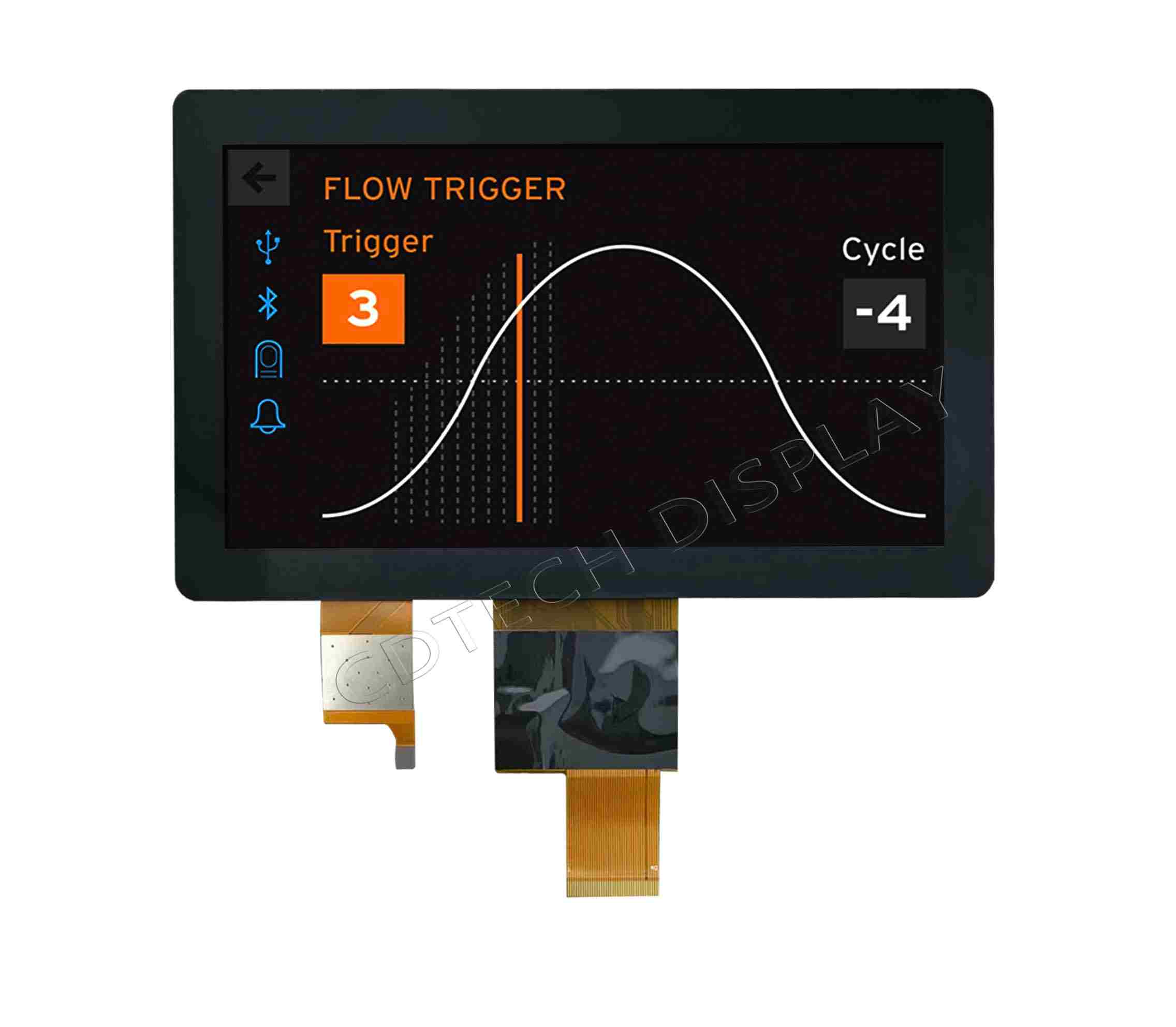
Key Advantages of Upgrading to a 7 Inch Capacitive Touch Panel
How Does It Improve User Interaction and Interface Design?
Upgrade to a 7 inch capacitive touch panel and the whole feel changes. Pinch, swipe, spin—gestures work like on your phone. Menus fly open, maps zoom smooth, everything reacts the second you touch. That matters huge in medical gear or factory panels where split-second feedback keeps things safe and fast.
The glass goes right to the edge, so designers can make clean, no-bezel looks that feel fresh and pro.
Better Pictures and Clearer Screen
What Makes the Display Look So Good?
Capacitive panels let way more light through than resistive ones. Colors pop, blacks stay deep, everything looks bright and real.
Most come with anti-glare and anti-smudge coats, so the screen stays readable in sun or under shop lights and doesn’t turn into a fingerprint mess. Pair it with a good LCD and you get crisp text and bright graphics perfect for charts or videos.
Tougher Build and Less Hassle
Why Do Capacitive Panels Last Longer?
No moving parts inside means almost nothing to wear out. The glass front shrugs off scratches that would wreck resistive screens fast. Stick it in a busy kiosk or dirty plant—it keeps going.
Wipe it clean in seconds, huge for hospitals or food lines. CDTech’s LCD products have high quality reliability, allowing customers to use them for a long time without easily breaking down. That saves cash on fixes and keeps the line running.
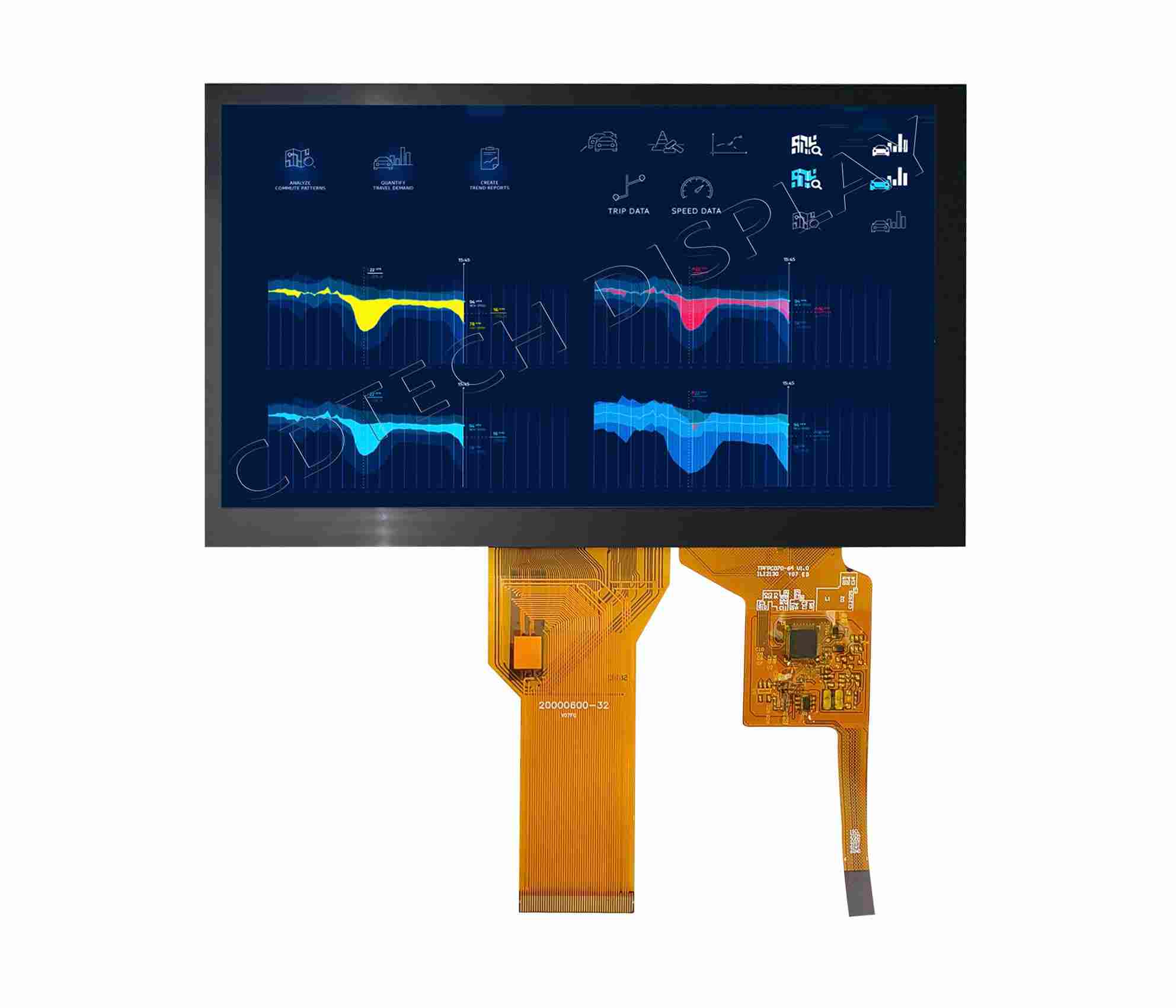
Where You’ll Find the 7 Inch Capacitive Touch Panel at Work
Which Fields Love This Size?
Consumer Gear
Tablets, kitchen touch hubs, handheld games—the 7 inch capacitive touch panel rules here because it’s snappy and looks great. People expect phone-like smoothness, and this size delivers.
Factory and Shop Use
HMIs, POS machines, robot controls—all run smoother with these panels. They laugh at dust, oil, and bumps that would kill cheaper screens. Ideal for diverse applications such as industrial control panels, portable devices, and automotive infotainment systems.
Cars
Dash screens, climate controls, GPS—drivers want glove-friendly touch, and good capacitive panels give exactly that.
For selective CTP solutions that can be used for multiple applications, CDTech has our own CTP production line and can provide diversified CTP customisation services, including: support for touch through thick cover glass, waterproof touch(e.g., automotive, charging post, shower devices, etc.), glove touch(e.g., medical and automotive, etc.), active/passive pens(e.g., industrial control and tablet PC), and customised CTP FPC.
Meet CDTech’s 7 Inch LCD with Capacitive Touch Panel
What Makes CDTech’s Panels Stand Out?
Quick Look at the 7 Inch Setup
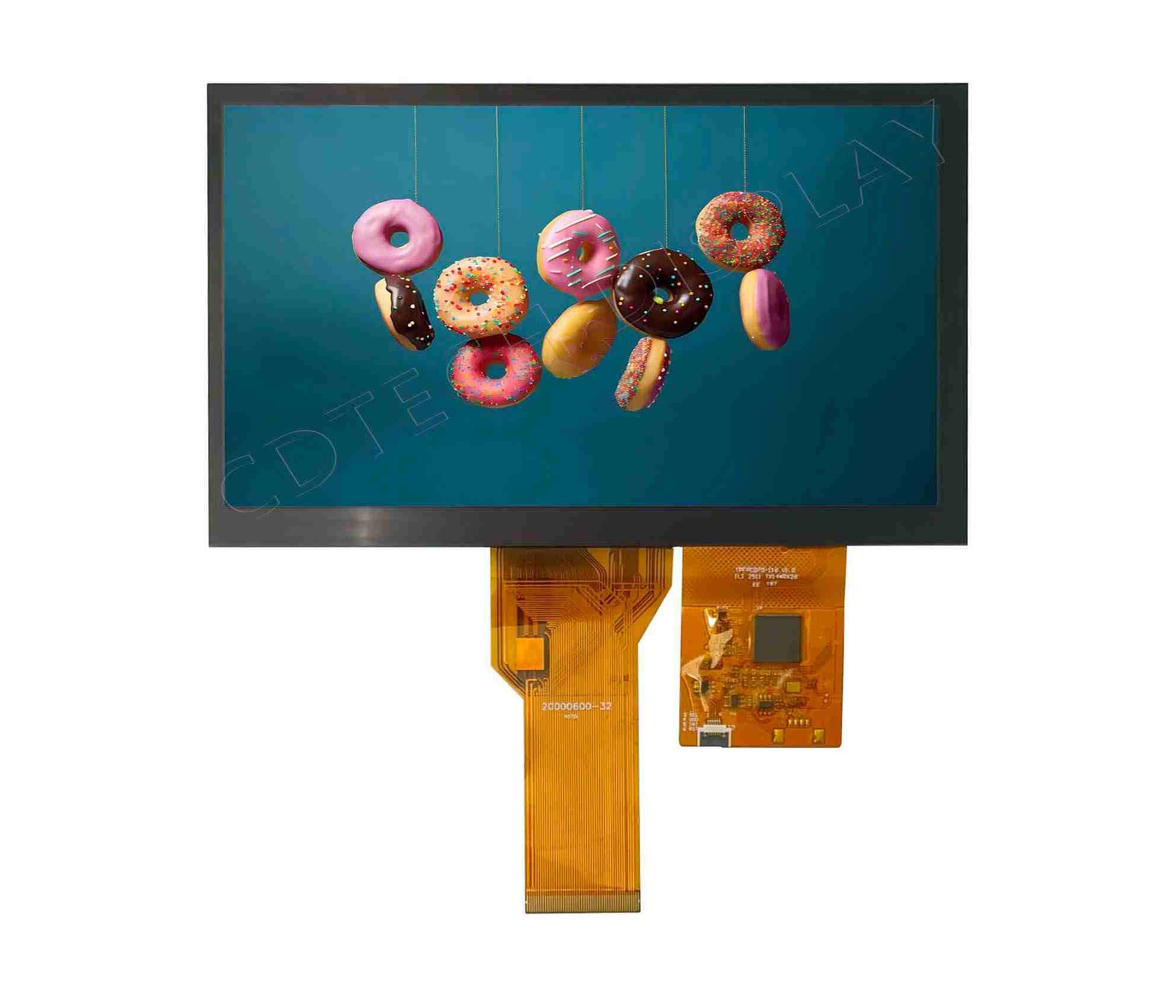
We build rock-solid 7 inch capacitive touch panel displays made for real work. CDTech unveils a state-of-the-art 7.0-inch LCD. Features TN panel technology at 12 o’clock. Equipped with capacitive frame-attached touchscreen for seamless interactivity. You pick TN or IPS, resolutions from 800×480 up to 1024×600. The touch layer bonds perfect so every tap feels instant.
Tech Specs That Matter
We make screens that laugh at tough conditions. For instance, one of our 7.0 inch TN displays with capactive touch panel offers 800*480 pixels, 600 nits brightness—readable outside or under factory lights. Runs rock steady from -20 to +70°C. Touch talks IIC fast through ILI2511 chip, picture stays clean with HX8664-B driver.
Custom Options We Offer
Every job is different. Need glove touch, water-proof, thick glass on top, pen support, USB or UART hookup—we got you. CDTech also cooperates with several IC suppliers, so that we can choose the right touch IC according to different projects and different CTP requirements, and can support USB and IIC interfaces.
FAQ
Q: What is the difference between capacitive and resistive touch screens?
A: Capacitive screens detect electrical conductivity from your finger, allowing multi-touch gestures and better clarity, while resistive screens rely on pressure and are less responsive.
Q: Can I use a capacitive touch panel while wearing gloves?
A: Yes, many advanced capacitive touch panels—including those offered by CDTech—can be configured to work with gloves or styluses depending on application needs.
Q: Is a 7 inch screen large enough for industrial applications?
A: Absolutely. The 7 inch size provides an ideal balance between compact footprint and sufficient interface space for controls, making it widely adopted in embedded systems and HMIs across industries.
Q: What’s the cost difference between capacitive and resistive touch screens?
A: Resistive touch screens are generally 30–50% more cost-effective, making them suitable for basic industrial or budget-sensitive applications. Capacitive touch screens, while higher in price, offer multi-touch control, stronger durability, higher transparency and a smoother user experience — ideal for modern UI and high-end devices
Q: How long does it take to customize a 7-inch capacitive touch panel?
A: CDTech’s typical lead time is:
4–6 weeks for standard customization
6–8+ weeks for advanced or highly customized designs
Timing may vary depending on cover glass printing, FPC layout, touch IC selection, and firmware tuning
Post Search
Related Articles
-

Capacitive vs Resistive Touch Screen Car Stereo: Which Is Right for You?
-

TN LCD vs IPS LCD: How to Choose the Right Display for You
-

Capacitive Touch Panel or Resistive: Which Suits Your Needs?
-

Why Choose an IPS LCD Panel for Your Next Screen Purchase?
-

CDTECH to Showcase Cutting-Edge Display Solutions at SID 2025
-

Comparing Different Types of Displays in Cars: A Detailed Overview