
Top 7 Mistakes to Avoid When Choosing an Automobile Display
 2026-03-20
  10:20
10:20 

The Zero Tolerance Principle in Automotive Displays
In the automotive sector, display reliability matters for safety rather than mere ease. Consumer screens prioritize bright hues and budget savings. However, automotive screens need to handle severe heat shifts, shakes, and nonstop use. A control panel or entertainment display that malfunctions in bright light or stalls in cold weather might harm driver focus.
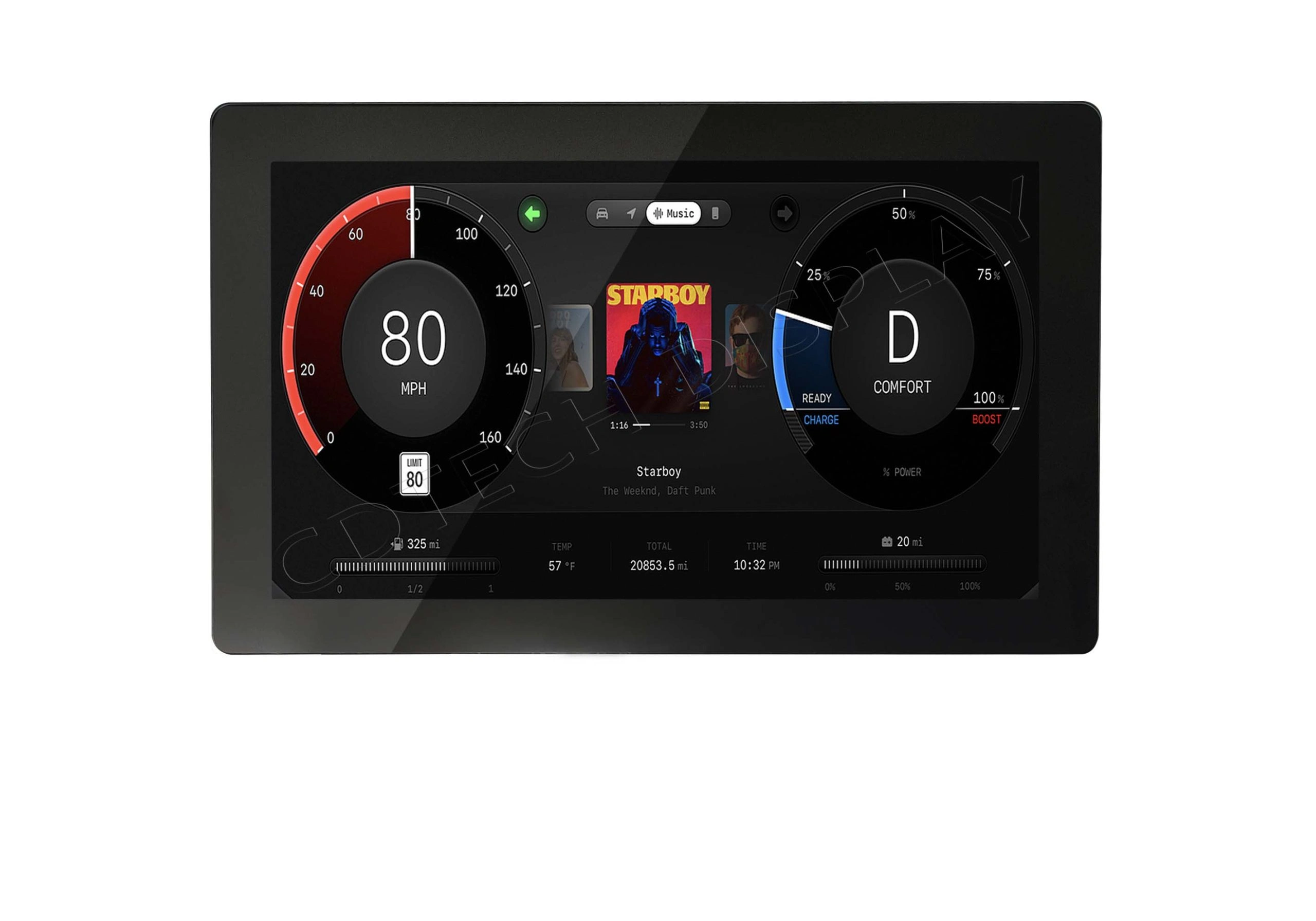
CDTech strongly suggests this 12.8-inch automotive touch display. It features an IPS panel with a 170° broad viewing angle and Full HD 1920×1080 resolution. This setup delivers clear and lively images. Such optical sharpness keeps vital details readable even in direct sun—an key need for vehicle screens.
Choosing the incorrect display variety leads to more than just poorer function. Poor heat resistance or missing electromagnetic compatibility (EMC) adherence might cause system breakdowns. Consequently, this could break safety rules and legal demands in the automotive field.
Key Pitfalls to Avoid in Automotive Display Selection
Why Is Certification Depth Often Overlooked?
Many people skip deep certification checks. They think basic ISO approvals suffice. Yet, full IATF 16949 oversight for vehicle front-end items (including complete high-heat aging) proves vital. It guarantees each phase—from planning to making—fits tough automotive norms. Overlooking this raises chances of uneven quality and supply issues during larger output.
How Do Black Box Operations Affect Manufacturing Processes?
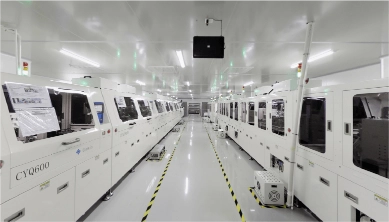
Numerous makers hand off key tasks like sticking or layering to others. This forms “black boxes” in the making line. Full internal production over the whole chain cuts out these “black boxes.” It fully matches customer project demands for 7inch~15.6-inch displays. Without clear steps, flaws might show up in light bonding or glare reduction—methods crucial for clear sight in sun and less bounce-back in car interiors.
What Are the Consequences of Compatibility Issues in R&D?
Matching troubles frequently occur with off-the-shelf parts lacking early EMC testing or form fitting. Vehicle setups call for exact alignment between screen circuits and car design. The CDTech 12.3-inch bar-type automotive display suits new in-car uses. Its HDMI driver board setup shows how custom work avoids link gaps and noise problems in building.
Why Is Reliability Redundancy Crucial in Harsh Environments?
Car settings subject screens to wide heat swings, moisture changes, and jolt pressure. This display builds for dependability. It runs in a -30℃ to +80℃ broad heat span and endures storage from -40℃ to +85℃. Just checking spec sheet heat limits falls short. Real dependability demands proof via actual tough tests like QUV/Q-SUN UV checks (DIN75220, ISO4892-3). Packing methods such as stronger seals and protective layers also secure steady work over periods.
How Does Overlooking EOL Management Impact Projects?
Extended efforts need steady part access over cycles longer than five years. Lacking active end-of-life (EOL) handling might stop making due to an ended driver IC or touch unit. Assessing a provider’s ongoing supply strength—like CDTech’s linked setup—lowers outdated risks. It keeps firm grip on key parts.
What Are the Risks of Separating Display and Touch Integration?
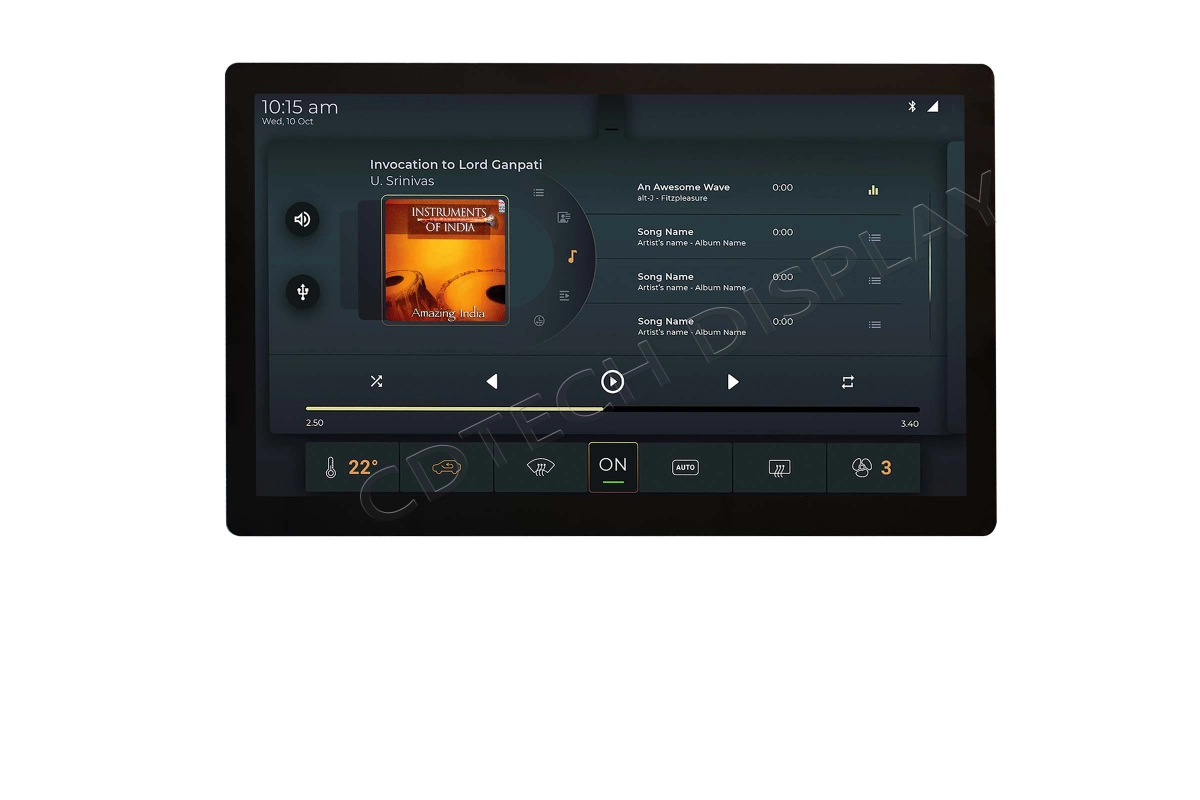
Sourcing screen panels and touch units apart leads to fitting gaps or weaker light output. 100% in-house completion of all processes, with no outsourced steps. This combined method assures smooth joining of LCD glass and touch screens. It boosts toughness and cuts fitting mistakes—a major plus for vehicle screens facing shakes.
Why Are Paper-Based Performance Claims Insufficient?
Spec sheets by themselves fail to confirm real-world steadiness. Providers ought to show real wins in like settings. For example, the 10.1″ Sunlight Readable IPS Display provides 1280×800 resolution at 800 nits brightness with capacitive touch panel air bonded with HDMI. It displays true sun visibility in practice, not just on-paper promises.
Expert Recommendations: CDTech’s Evaluation Model
To cut risks in picking providers, CDTech uses a broad review system. It checks quality oversight level, step openness, custom skill, expense savings, and post-sale aid.
Five Key Advantages of Collaborating with CDTech: Flexible Production • Controlled Risk • Rapid Response • Cost Optimization • Long-Term Empowerment. This setup acts as a radar graph gauging provider growth in these areas. It aids OEMs in spotting allies able to uphold steady large-scale making and fresh idea flexibility.
The firm’s linked skills—from LCD glass shaping to complete layering—allow quick shifts from test models to big runs. It keeps track at every point. For instance, its LCD with BOARD product category illustrates how built-in driver boards ease links for varied system types including LVDS and HDMI ports.
From Avoiding Pitfalls to Achieving Mutual Success
Reaching top marks in car display setups takes more than single part tweaks. It calls for teamwork among exact building, approved quality methods, steady craft, and quick aid links.
Started in 2011, CDTech has focused on display units for more than ten years. Its role as “high quality, high flexibility and high cost-effectiveness” shows grasp that today’s smarter vehicles uses need not just striking views but also span steadiness.
By blending build teamwork with strict IATF-certified steps and full craft oversight, makers like CDTech turn likely traps into chances for lasting ally wins in the changing car network.
FAQs
Q: What defines an automotive-grade display compared to consumer screens?
A: Automotive displays endure extreme temperatures, vibration tests, and EMC compliance far beyond consumer standards.
Q: How does optical bonding improve visibility in vehicles?
A: It eliminates internal reflections between layers, enhancing readability under direct sunlight conditions.
Q: Why should OEMs prioritize IATF 16949-certified suppliers?
A: Certification ensures consistent process control across all manufacturing stages critical for safety compliance.
Q: What makes integrated display-and-touch solutions more reliable?
A: Unified assembly prevents misalignment issues common when sourcing components separately.
Q: How can long-term EOL planning prevent project delays?
A: Continuous component monitoring guarantees stable supply throughout extended automotive development cycles.
Post Search
Related Articles
-
Capacitive vs Resistive Touch Screen Car Stereo: Which Is Right for You?
-
TN LCD vs IPS LCD: How to Choose the Right Display for You
-
Capacitive Touch Panel or Resistive: Which Suits Your Needs?
-
Why Choose an IPS LCD Panel for Your Next Screen Purchase?
-
CDTECH to Showcase Cutting-Edge Display Solutions at SID 2025
-
Comparing Different Types of Displays in Cars: A Detailed Overview