

Touch Screen Panels vs. Touch Panels: A Detailed Comparison
 2026-03-19
  10:20
10:20 

What Is the Difference Between Touch Screen Panels and Touch Panels?
What Are Touch Screen Panels?
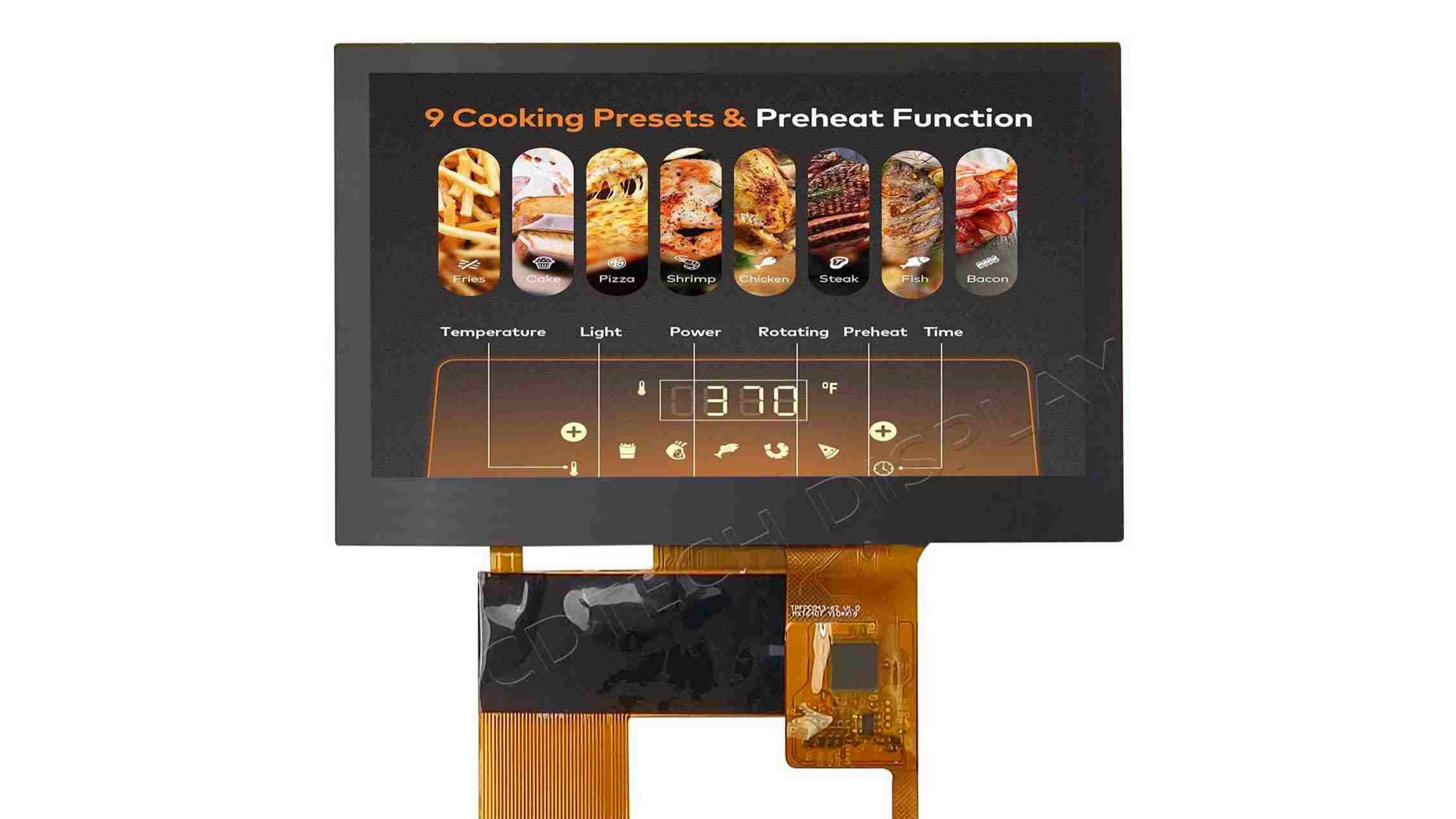
Touch screen panels act as interactive display interfaces. They enable users to operate devices by directly touching the screen. These panels blend display and touch input features into one unit. The main parts generally consist of a display layer, a touch-sensitive covering, and a controller that handles touch inputs. Such panels sense the existence and position of a touch inside the display zone. They rely on electrical signals to do so.
In daily routines, touch screen panels appear in smartphones, tablets, ATMs, kiosks, and car infotainment systems. They have turned vital for current user interfaces. The reason is they deliver straightforward control via actions like tapping, swiping, or pinching.
Touch screen panels are commonly available with either capacitive or resistive touch technology, depending on the application requirements. Capacitive technology employs the body’s electrical traits to sense touch. Meanwhile, resistive technology depends on force pressed onto the surface.
Usual applications cover industrial control panels, smart home setups, automotive dashboards, and medical displays. In these, sharp visibility and quick interaction prove essential.
What Are Touch Panels?
Touch panels work as input devices that pick up touch instructions. However, they might not always have a display part. They serve as coverings that fit with other screens. Or they can stand alone as control surfaces. Important traits involve pressure detection and steadiness in tough situations.
Full touch screen panels unite display and touch layers into a single piece. Standalone touch panels, by comparison, mainly provide sensing areas. People often apply them in production settings or machines. There, toughness matters more than image quality.
Common uses for touch panels involve factory automation setups, lab device interfaces, and public stations. At these spots, tough operation remains key.
Key Differences Between Touch Screen Panels and Touch Panels
How Do Touch Screen Panels Differ from Touch Panels in Technology?
The primary tech variation stems from how they combine parts. A touch screen panel fuses display and detection methods into a unified setup. On the other hand, a basic touch panel just spots inputs. It produces no image output.
Capacitive screens offer greater sensitivity. Plus, they handle multiple-touch moves like zooming or turning images. Resistive screens need firm pressure. Yet they work well with gloves or pens. Thus, they suit factory environments best.
CDTech’s product lineup shows this gap plainly. For instance, a 3.5-inch TFT touch display with a 320×240 IPS LCD panel uses capacitive touch technology to provide smooth and responsive interaction. Whereas 3.5″ Resistive Touch LCD suits tasks needing touch response in rough settings.
Durability and Maintenance: Which Is More Reliable?
Durability hinges mostly on build materials and resistance to surroundings. Capacitive touch screen panels commonly use treated glass that resists chemicals. It includes coatings against fingerprints for lasting clearness and guard from marks.
Durability depends more on the materials, surface treatment, and structural design than on the product category name alone. In practical applications, features such as treated glass, anti-smudge coatings, and optical bonding can improve long-term usability.
For upkeep, capacitive screens need little care. That’s because they avoid moving parts that wear out. Resistive panels might call for regular adjustments from their stacked design. Still, they hold up well in harsh spots like shifting heat or dampness.
Advantages of Using Touch Screen Panels Over Touch Panels
Why Choose Touch Screen Panels for Your Devices?
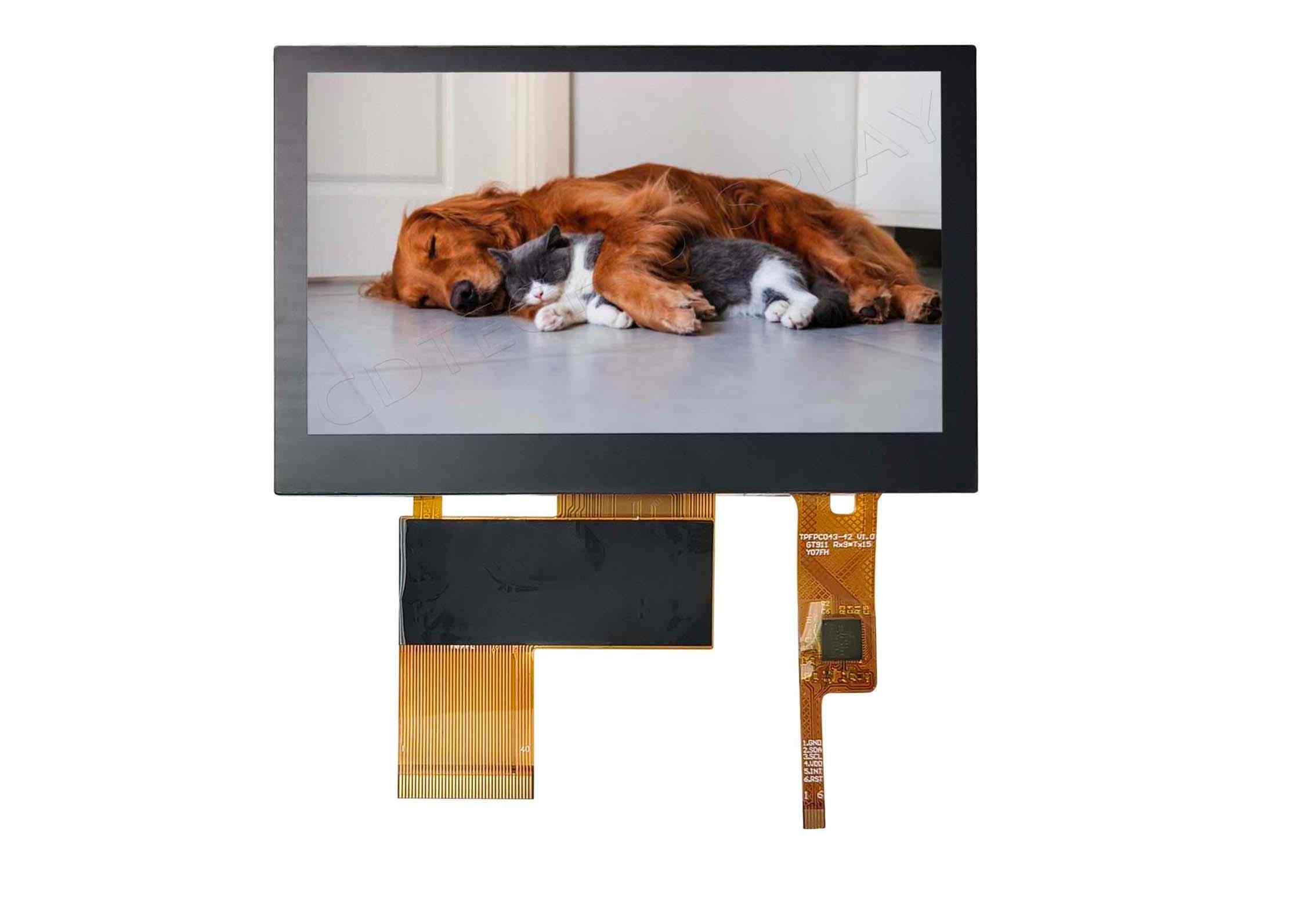
Touch screen panels give better user handling via fast response and multi-touch options. Their skill to spot several spots at once boosts output in tools like maps or drawing software.
They supply improved screen quality too. This comes from linking modern LCD methods like IPS (In-Plane Switching). Such tech yields broad view angles and bright colors, even in strong light.
At CDTech, we craft our items to boost output in varied spots. CDTech’s product lineup includes touch-enabled modules such as high-brightness IPS displays and sunlight-readable bar-type displays, which are suitable for automotive, industrial, and outdoor interface applications. Its high-resolution IPS panel ensures vivid images from every perspective while offering an anti-fingerprint finish that maintains clarity over time.
Our 8.8″ Sunlight Readable IPS Display combines bar-type form factor with 1000 nits brightness—ideal for outdoor kiosks or automotive dashboards where readability is crucial.
These benefits render combined touch screen panels a top pick. They work well when you need both hands-on control and fine visuals in a small package.
The Role of CDTech in the Development of Touch Technology
How Does CDTech Contribute to the Advancement of Touch Screen Panels?
We at CDTech emphasize fresh ideas via exact building and green making methods. Our LCD module, touch panel, HDMI & converter board products are all designed and manufactured to meet the highest standards of quality and environmental responsibility.
By continuously improving our production techniques—such as optical bonding for enhanced clarity—we ensure that our displays meet modern expectations for performance and durability across industries including automotive, aviation, medical devices, and smart home appliances.
In addition to standard 4:3 and 16:9 formats, CDTech also develops stretched and bar-type displays, which makes it easier to create customized interface solutions for appliances, automotive systems, and industrial equipment.
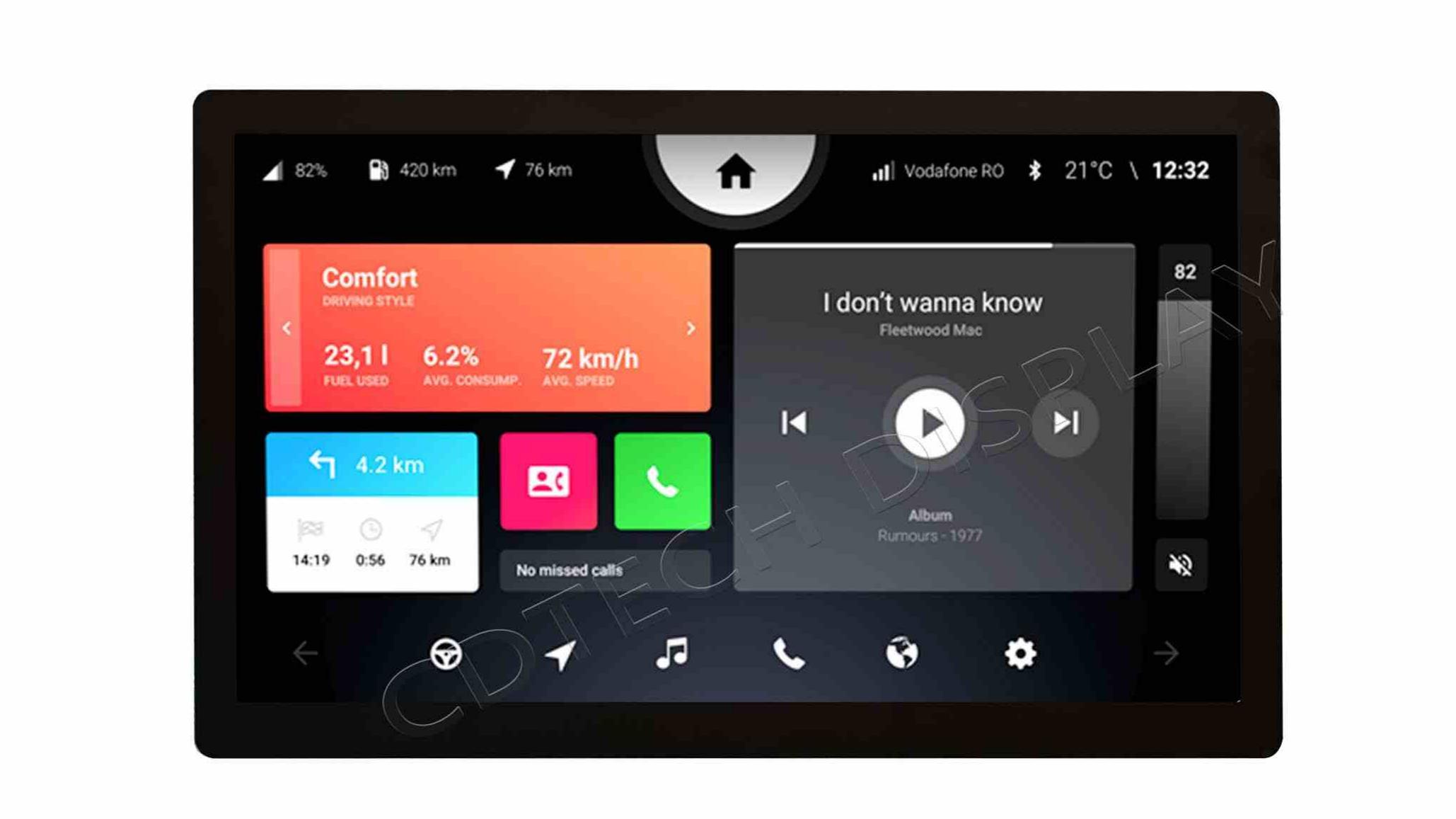
Our key offerings include sunlight-readable automotive screens like CDTech proudly recommends this 12.8-inch automotive touch display, which operates reliably between -30°C to +85°C while maintaining high brightness levels up to 850 nits—ensuring perfect visibility even under direct sunlight conditions.
Through these innovations, we continue driving progress in human–machine interface technology by merging functionality with aesthetic excellence.
FAQ
Q: What Are the Most Common Applications for Each Type?
A: Touch screen panels are commonly used in smartphones, tablets, kiosks, smart home controls, vehicles’ infotainment systems. While standalone touch panels find their place in industrial machines or laboratory instruments where tactile accuracy is essential.
Q: Can I Replace a Touch Panel with a Touch Screen Panel on My Device?
A: In most cases yes—but compatibility must be verified first since hardware interfaces (like LVDS or HDMI) and software drivers differ between models.
Q: How Do I Maintain My Touch Screen Panel to Ensure Longevity?
A: Regularly clean it using a microfiber cloth, avoid harsh chemicals and prevent exposure to extreme temperatures. This preserves both sensitivity and visual clarity over extended use periods consistent with professional maintenance standards recommended by manufacturers like CDTech.
Post Search
Related Articles
-

Capacitive vs Resistive Touch Screen Car Stereo: Which Is Right for You?
-

TN LCD vs IPS LCD: How to Choose the Right Display for You
-

Capacitive Touch Panel or Resistive: Which Suits Your Needs?
-

Why Choose an IPS LCD Panel for Your Next Screen Purchase?
-

CDTECH to Showcase Cutting-Edge Display Solutions at SID 2025
-

Comparing Different Types of Displays in Cars: A Detailed Overview