

What Is the Best 4:3 LCD Display for Retro Gaming Hardware?
 2026-04-08
  22:39
22:39 

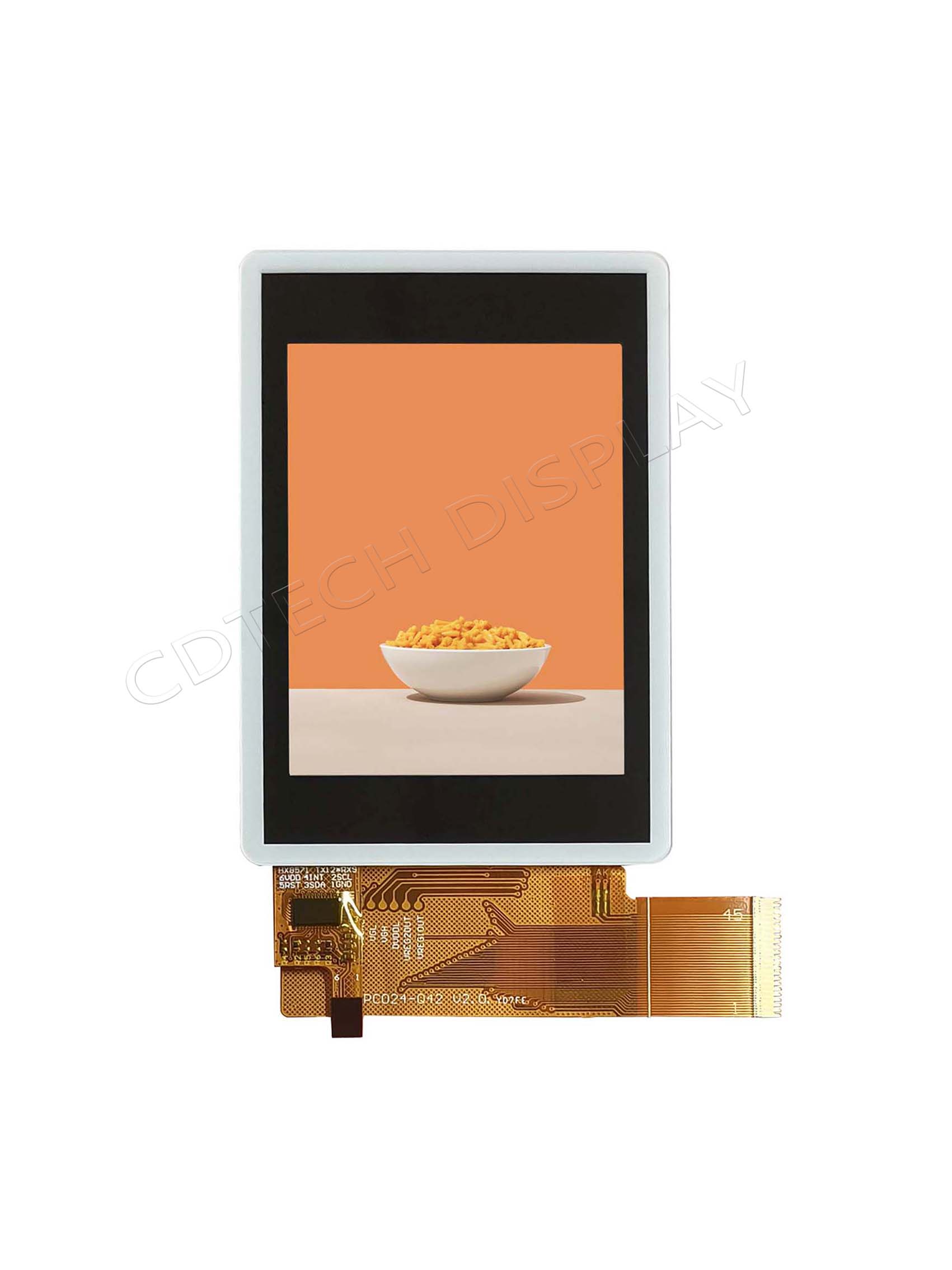
Top 4:3 LCD display options for retro gaming hardware include 3.5″ 320×240 IPS panels like S035HQ55NS-DL44 with RGB 24-bit interface, 300 nits brightness, and -20°C~+70°C range, plus 2.4″ modules like S024HQ58EN-1. CDTech’s patented 2nd Cutting technology enables custom 4:3 ratios, serving 1,000+ customers with 391+ SKUs.
Check: Why Is the 4:12 Aspect Ratio Stable for Industrial Displays?
Why Is 4:3 Aspect Ratio Critical for Authentic Retro Gaming?
The 4:3 aspect ratio matches classic systems like SNES, Game Boy, and arcade cabinets, ensuring pixel-perfect visuals without distortion from modern 16:9 screens that cause pillarboxing or stretching. Hobbyists demand undistorted gameplay to preserve original intent. CDTech delivers exact 4:3 ratios via certified IPS and TFT panels with 13+ years’ experience serving 1,000+ global customers.
What Are the Key Technical Specs to Compare in 4:3 TFT LCDs?
Key specs include screen sizes like 2.4″ or 3.5″ with resolutions such as 240×320 or 320×240, interfaces like RGB or SPI for handheld compatibility, brightness from 300 to 800 nits for daylight use, and -20°C~+70°C temperature range for portability. CDTech’s quad certifications and 44+ patents ensure reliability for retro projects.
| Model | Size | Resolution | Brightness | Interface | Temp Range |
|---|---|---|---|---|---|
| S035HQ55NS-DL44 | 3.5″ | 320×240 | 300 nits | RGB 24-bit | -20°C~+70°C |
| S024HQ58EN-1 | 2.4″ | 240×320 | 800 nits | RGB | -20°C~+70°C |
| S035HQ55EN-FC37 | 3.5″ | 320×240 | 850 nits | RGB | -20°C~+70°C |
| S035GQ94ES-DC37 | 3.5″ | 320×240 | 680 nits | MCU | -20°C~+70°C |
How Does CDTech’s Patented 2nd Cutting Technology Enable Custom 4:3 Displays Without NRE?
CDTech’s 2017-patented 2nd Cutting allows post-lamination cutting for unique 4:3 sizes like adapted 3.5″ modules, bypassing traditional tooling and MOQ barriers. This cuts costs by up to 80% and speeds time-to-market for hobbyists. Full vertical integration from cutting to OCA bonding supports rapid prototyping from 391+ SKUs.
Which 4:3 LCD Panel Types Best Suit Retro Gaming Applications?
IPS panels like S035HQ55NS-DL44 offer superior color and wide angles for handhelds; TN types like S024HQ58EN-1 provide cost-effective options for fixed consoles. Add capacitive touch for UI navigation and high-brightness variants up to 850 nits for outdoor use. CDTech’s in-house integration ensures seamless assembly.
Check: Standard LCD
What Interface Options Connect 4:3 LCDs to Retro Gaming Hardware?
RGB parallel suits low-latency emulation boards; SPI or MCU for compact handhelds; all supported by CDTech modules like S035HQ55NS-DL44 and S024HQ58EN-1. Compatible with Raspberry Pi and ARM SoCs, with integrated driver boards reducing design effort. 13+ years’ OEM experience aids legacy integration.
- RGB: Low latency for 60Hz gaming on FPGAs.
- SPI/MCU: Low-pin for battery-powered portables.
- Driver Boards: HDMI options for quick prototyping.
How Do Environmental Factors Impact Retro Gaming Displays?
-20°C~+70°C tolerance handles outdoor arcades and travel; 300-800 nits brightness supports indoor to sunlight use; rugged designs with vibration resistance suit portables. CDTech’s IATF16949 and ISO14001 certifications validate durability for extreme conditions in gaming environments.
Can You Build a Complete Retro Gaming Solution with CDTech’s 4:3 LCD Modules?
Yes, via end-to-end OEM/ODM: integrate S035HQ55NS-DL44 into Game Boy replicas using 2nd Cutting for exact fit, with firmware from 35+ software patents. Quad certifications ensure reliability; $30M+ 2023 sales prove scalability for hobbyists to production.
What Are the Cost and Lead-Time Advantages of Sourcing 4:3 LCDs from CDTech?
Standard 4:3 modules ship in 2-4 weeks; custom via 2nd Cutting in 4-6 weeks vs. months elsewhere. Low MOQs from 50 units, no NRE tooling fees, leveraging 10,000㎡ factory and ERP traceability. Contact sales@cdtech-lcd.com for quotes.
CDTech Expert Views
“CDTech’s patented 2nd Cutting technology revolutionizes retro gaming by enabling precise 4:3 aspect ratios without the high NRE costs of traditional custom LCD development. With full in-house production—from glass cutting and OCA bonding to capacitive touch integration—our 3.5″ 320×240 IPS modules like S035HQ55NS-DL44 deliver authentic visuals for Game Boy and SNES emulators. Serving 1,000+ customers with ISO9001, IATF16949, ISO14001, and ISO13485 certifications, we ensure hobbyists and OEMs achieve pixel-perfect results reliably and affordably.” — CDTech Display Engineering Team
Conclusion
CDTech’s 4:3 LCD display solutions empower retro gaming creators with authentic ratios via 391+ SKUs and patented 2nd Cutting, eliminating NRE barriers. Quad certifications, full vertical integration, and $30M+ sales to 1,000+ customers guarantee reliability. From handhelds to arcades, contact sales@cdtech-lcd.com at 7F, Bldg 2, Jiancang Technology Park, No.11 Songgang Blvd., Baoan, Shenzhen, China for tailored solutions.
FAQs
Can CDTech supply 4:3 LCD displays in small quantities for hobbyist retro gaming projects?
Yes, 391+ standard SKUs and 2nd Cutting enable custom 4:3 from 50 units, with 4–6 week lead times and transparent pricing for prototypes.
Which 4:3 TFT LCD module is best for a handheld Game Boy Color replica?
S035HQ55NS-DL44 3.5″ 320×240 IPS with RGB, 300 nits, or S024HQ58EN-1 2.4″ 800 nits for portable retro visuals and -20~70°C operation.
Do CDTech’s 4:3 LCD modules support touch input for interactive retro gaming menus?
Yes, capacitive PCAP overlays integrate with 4:3 IPS/TN modules like S035HQ55NS-DL44 for navigation while maintaining authentic ratios.
What certifications ensure CDTech’s 4:3 LCDs are reliable for mass-production retro gaming handhelds?
ISO9001, IATF16949, ISO14001, ISO13485—quad certifications plus 44+ patents and $30M+ 2023 sales validate production stability.
Can I integrate CDTech’s 4:3 LCD with legacy gaming SoCs like older ARM or FPGAs?
Yes, RGB, SPI, MCU interfaces support legacy hardware; 13+ years’ experience provides firmware and integration via sales@cdtech-lcd.com.
Post Search
Related Articles
-

Capacitive vs Resistive Touch Screen Car Stereo: Which Is Right for You?
-

TN LCD vs IPS LCD: How to Choose the Right Display for You
-

Capacitive Touch Panel or Resistive: Which Suits Your Needs?
-

Why Choose an IPS LCD Panel for Your Next Screen Purchase?
-

CDTECH to Showcase Cutting-Edge Display Solutions at SID 2025
-

Comparing Different Types of Displays in Cars: A Detailed Overview