

Which Backlight Wins: Side-Lit vs Direct-Lit for Custom LCDs?
 2026-04-24
  17:14
17:14 

Side-lit backlights excel in slim profiles (under 3mm thick) for thin enclosures but cap at 500-1000 nits brightness, while direct-lit deliver peak brightness (1000-2300+ nits) for sunlight-readable displays at the cost of thicker builds (5-10mm+). Choose side-lit for portable HMIs; direct-lit for automotive/outdoor use—CDTech’s patented 2nd Cutting customizes both for non-standard sizes like 2.9″-12.3″ bars.
Check: How Can Custom Nits LCD Balance Power and Visibility?
What Are Side-Lit and Direct-Lit Backlights?
Side-lit backlights position LEDs along the edges of an LCD module with a light guide plate (LGP) for uniform diffusion, delivering ultra-thin form factors under 3mm ideal for space-constrained designs like portable devices. Direct-lit backlights use LED arrays directly behind the panel for superior illumination up to 2300 nits, as in CDTech’s S070QWU142FN-FL150-GF 7.0″ bar IPS LCD. CDTech’s full in-house production from LCD cutting to backlight assembly tailors both for industrial and automotive applications.
How Do Side-Lit and Direct-Lit Backlights Compare in Profile vs Brightness?
Side-lit offers slimness for thin enclosures while direct-lit prioritizes high brightness for sunlight readability, with tradeoffs in thickness and power. CDTech integrates these in wide-temp models like S050BWV105EP-FL96-AG (1000 nits automotive IPS) and S070QWU142FN-FL150-GF (2300 nits bar-type).
| Feature | Side-Lit | Direct-Lit |
|---|---|---|
| Profile Thickness | Under 3mm (slim for portables) | 5-10mm+ (bulkier for brightness) |
| Brightness Range | 500-1000 nits | 1000-2300+ nits (e.g., S070QWU142FN-FL150-GF) |
| Uniformity | Excellent via LGP | Good with zoning |
| Power/Heat | Lower draw | Higher, managed in CDTech designs |
| CDTech Example | S019BQ01HN (1.9″ 700 nits SPI) | S101ZWX89FP-FC86 (10.1″ 1500 nits) |
Side-lit suits indoor HMIs with low heat; direct-lit excels outdoors, supported by CDTech’s vertical integration and certifications like IATF16949.
What Are the Key Tradeoffs in Backlight Design?
Key tradeoffs include uniformity (side-lit superior via LGP, direct-lit via zoning), heat (side-lit cooler, direct-lit requires management), and cost (side-lit uses fewer LEDs). CDTech’s 391+ SKUs and quad certifications (ISO9001, IATF16949, ISO14001, ISO13485) ensure reliable performance across viewing angles and lifespan for industrial use.
CDTech Expert Views
Our patented 2nd Cutting technology, developed in 2017, revolutionizes custom backlight integration by enabling non-standard sizes like 2.9″-12.3″ bar LCDs with side-lit slimness or direct-lit 2300 nits brightness. With full vertical integration in our 10,000㎡ factory including 3,500㎡ Class 1000 clean rooms, we deliver traceable solutions via ERP and QR systems. Backed by 44+ utility/invention patents and 35 software copyrights, CDTech outperforms standards for automotive and industrial OEMs, achieving $30M+ sales in 2023 to over 1,000 global customers.”
— CDTech Engineering Team
This expertise supports hybrid designs balancing profile and brightness with OCA bonding and wide-temp operation (-30°C~+85°C).
When Should You Choose Side-Lit Backlights?
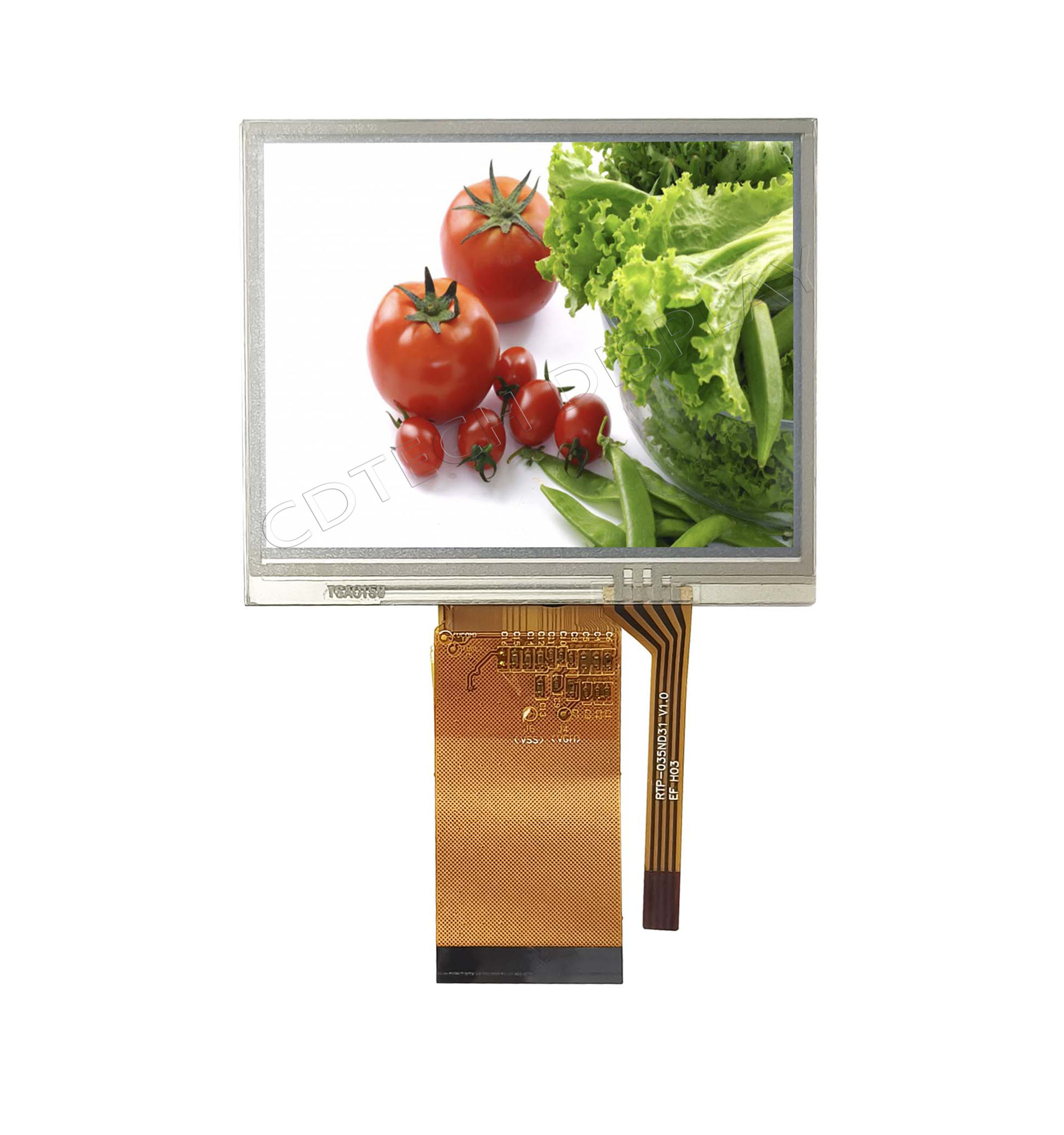
Choose side-lit for slim profile needs in thin enclosures like medical portables or indoor HMIs, where under 3mm thickness and 500-1000 nits suffice with excellent LGP uniformity. CDTech examples include S019BQ01HN 1.9″ industrial IPS (700 nits SPI) and S035HQ55NS-DL44 3.5″ with PCAP, leveraging 13+ years experience and full certifications for lower cost and complexity.
When Is Direct-Lit the Better Choice for Peak Brightness?
Direct-lit is ideal for peak brightness over 1000 nits in sunlight-readable automotive dashboards or outdoor panels, like CDTech’s S070QWU142FN-FL150-GF (2300 nits MIPI bar IPS with CTP). It handles heat via in-house design in extreme temps (-30°C~+85°C), customized via 2nd Cutting for unique sizes despite thicker profiles.
How Can Custom Backlights Meet Your Project Needs?
CDTech’s full chain from TFT cutting to OCA bonding creates custom backlight types balancing slimness and brightness for medical, automotive, and industrial projects. Scalable for 1,000+ customers with IATF16949/ISO13485 compliance, contact sales@cdtech-lcd.com for 391+ SKUs and transparent MOQ/NRE.
Check: Customization
What Makes CDTech the Ideal Partner for Backlight Decisions?
CDTech stands out with 35 software/44+ patents, $30M 2023 sales, and a 10,000㎡ facility enabling rapid non-standard prototypes without quality loss. Vertical integration fills competitor gaps, delivering traceable, certified side-lit or direct-lit displays to global OEMs in automotive and industrial verticals.
Conclusion
Balance slim profiles with side-lit backlights for portable designs or peak brightness with direct-lit for demanding outdoor use—CDTech’s 2nd Cutting patent customizes both for unique sizes like 2.9″-12.3″ bars. Partner with this $30M-scale leader holding quad certifications and serving 1,000+ customers; email sales@cdtech-lcd.com to prototype OEM-proven solutions today.
FAQs
What is the main difference between side-lit and direct-lit backlights?
Side-lit uses edge LEDs and LGP for slimness under 3mm; direct-lit arrays LEDs behind for 1000-2300+ nits brightness—CDTech customizes both via patented 2nd Cutting for non-standard LCDs.
Can CDTech provide high-brightness direct-lit in slim profiles?
Yes, patented tech optimizes LED density for 2300 nits in custom sizes, backed by vertical integration, quad certifications, and models like S070QWU142FN-FL150-GF.
How long for custom side-lit vs direct-lit prototypes?
6-8 weeks via CDTech’s in-house chain and 2nd Cutting, versus months for full NRE elsewhere, ensuring traceability in 3,500㎡ clean rooms.
Are CDTech backlights suitable for automotive use?
Yes, models like S050BWV105EP-FL96-AG offer 1000 nits with anti-glare CTP at -30°C~+85°C, IATF16949 certified for dashboards.
What brightness levels do side-lit backlights achieve?
Typically 500-1000 nits for indoor use, as in CDTech’s S019BQ01HN (700 nits), upgradeable with high-efficiency LEDs and OCA bonding.
Post Search
Related Articles
-

Capacitive vs Resistive Touch Screen Car Stereo: Which Is Right for You?
-

TN LCD vs IPS LCD: How to Choose the Right Display for You
-

Capacitive Touch Panel or Resistive: Which Suits Your Needs?
-

Why Choose an IPS LCD Panel for Your Next Screen Purchase?
-

CDTECH to Showcase Cutting-Edge Display Solutions at SID 2025
-

Comparing Different Types of Displays in Cars: A Detailed Overview
-

White Spots on LCD Screen: Causes, Fixes & Industrial Solutions (2026 Guide)