
Which Connector is Right for Your LCD: ZIF or BTB?
 2026-04-19
  11:50
11:50 

For LCD displays, choose ZIF connectors for thin profiles and custom sizes via FPC cables, offering ease of assembly but lower mechanical stability in vibration-heavy apps. Opt for BTB connectors for superior stability in industrial/automotive use, though harder to assemble with custom cables. CDTech’s patented 2nd Cutting technology ensures perfect fit for both, with full vertical integration reducing defects.
Check: How Does Custom FPC LCD Fit TFT Screens into Tiny Spaces?
What Are ZIF Connectors and How Do They Work in LCD Displays?
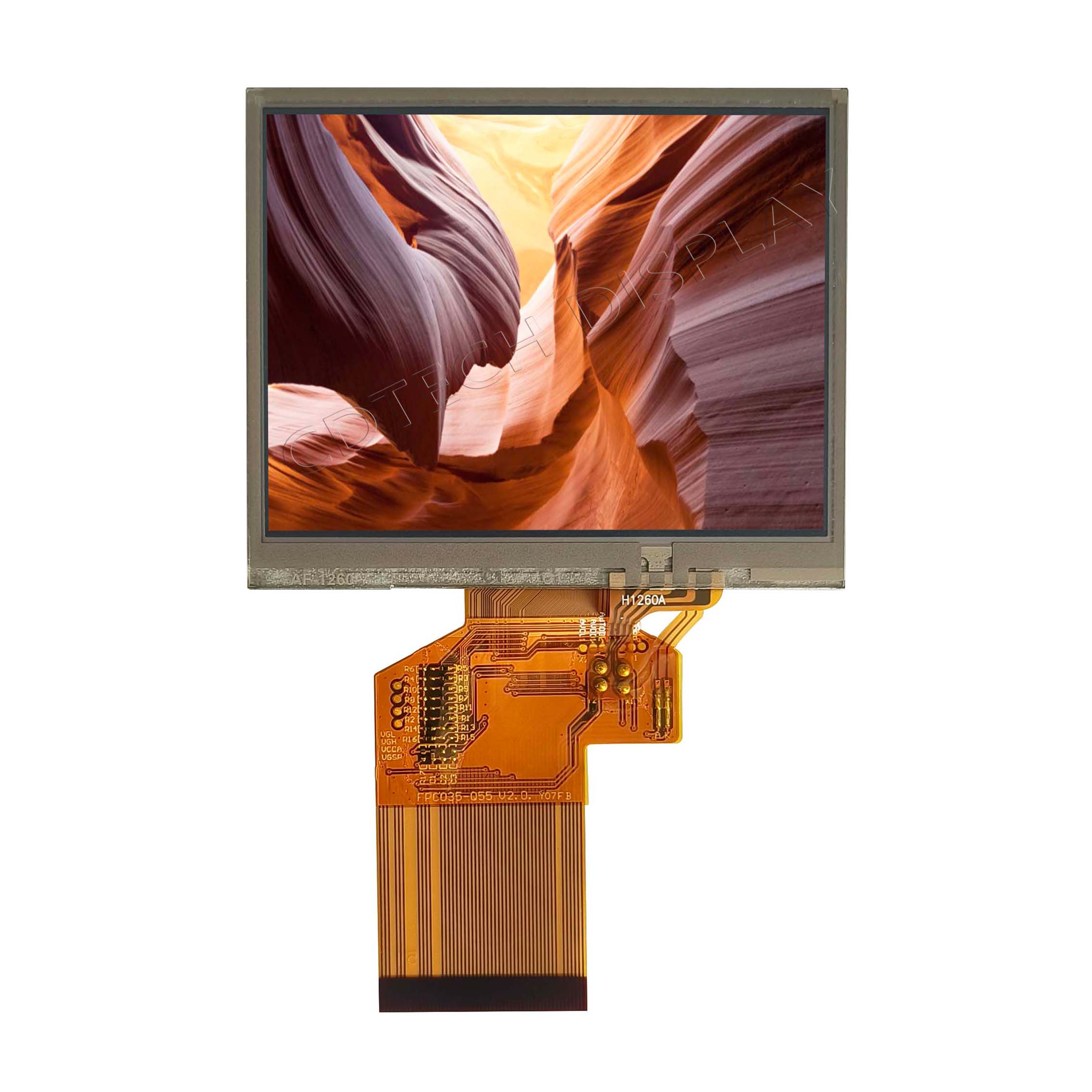
ZIF (Zero Insertion Force) connectors use a flip-lock mechanism on flexible printed circuit (FPC) cables for slim TFT LCDs, enabling low-force insertion in space-constrained designs like automotive dashboards. CDTech’s in-house FPC bonding supports non-standard sizes from its patented 2nd Cutting technology (developed 2017), simplifying assembly for custom LCDs from 1.5″ to 12.3″+.
What Makes BTB Connectors Different for Board-to-Board LCD Integration?
BTB (Board-to-Board) connectors are rigid, solderable links between PCBs, providing mechanical stability for high-volume production in vibration-prone environments. They excel in industrial displays with robust locking, though requiring precise alignment. CDTech’s 391+ SKUs across categories like automotive and industrial prove scalability with IATF16949 certification.
| Feature | ZIF (FPC) | BTB |
|---|---|---|
| Mechanical Stability | Moderate; vibration-sensitive | High; ideal for automotive/industrial |
| Ease of Assembly (Custom Cables) | Excellent; low force, flexible FPC | Moderate; requires precise alignment |
| Best For Custom LCDs | Thin profiles, unique sizes via 2nd Cutting | Rigid boards, long-term durability |
| CDTech Advantage | In-house integration | IATF16949-certified reliability |
How Does Mechanical Stability Compare Between ZIF and BTB in Harsh Environments?
BTB offers superior locking against vibration and thermal cycling in industrial/automotive apps, while ZIF risks disconnection without reinforcement. CDTech mitigates ZIF vulnerabilities via LVDS integration for extended cable runs, backed by ISO14001 and ISO13485 certifications ensuring reliability in products like the S043HWQ50EG automotive LCD (-30°C~+85°C).
CDTech Expert Views
“Our 13+ years of experience and $30M+ sales in 2023 to over 1,000 global customers demonstrate that BTB connectors cut failure rates by up to 40% in vibration tests for industrial HMIs, while ZIF excels in custom bar displays like our 7.0″ S070QWU142FN-FL150-GF (2300 nits). Patented 2nd Cutting ensures precise FPC fit, and full in-house production—from cutting to OCA bonding—delivers <0.1% defect rates across all interfaces.”
— Senior Engineer, Shenzhen CDTech Electronics Ltd.
Why Prioritize Ease of Assembly for Custom LCD Cable Solutions?
ZIF prioritizes ease for prototyping custom FPC cables in non-standard sizes like 2.9″ S029HQ05NS or 7.0″ bar LCDs, cutting NRE costs via CDTech’s vertical integration. BTB demands more precision in high-mix lines, but CDTech’s 10,000㎡ factory with 3,500㎡ Class 1000 clean rooms maintains consistency and lowers ESD risks.
Check: Customization
Which Connector Suits Automotive and Industrial LCD Applications Best?
BTB suits heavy-duty industrial HMIs under thermal/vibration stress; use reinforced ZIF for compact automotive displays. CDTech’s IATF16949 certification and 44+ patents ensure reliability, as in the S050BWV105EP-FL96-AG (5.0″ automotive IPS with anti-glare CTP, -30°C~+85°C). 2nd Cutting eliminates size mismatches for seamless integration.
How Can Custom LCD Designs Influence Your Connector Choice?
Custom sizes from 2nd Cutting require co-designed ZIF/BTB to prevent signal issues, with CDTech offering full LCD + CTP + OCA + cable solutions. 35 software patents reduce EMI in applications like medical S035BV108HN-DC49-D (640×480 IPS with 2.5D glass). Checklist: match temp range (-30°C~+85°C), vibration class, and custom fit.
What Role Does Vertical Integration Play in Connector Reliability?
CDTech’s end-to-end control—from LCD glass cutting to FPC bonding and OCA lamination—minimizes defects and lead times. Quad certifications (ISO9001, IATF16949, ISO14001, ISO13485) and ERP traceability (since 2021) support global scale, delivering prototypes in 4 weeks for stable ZIF/BTB performance.
Conclusion
Select ZIF for assembly ease in custom LCDs or BTB for stability—CDTech’s 2nd Cutting technology, certifications, and integration make either flawless, accelerating time-to-market. Email sales@cdtech-lcd.com for a free connector checklist tailored to your design.
FAQs
What is the main difference between ZIF and BTB for LCDs?
ZIF offers easy FPC assembly for custom sizes; BTB provides better mechanical stability for rigid apps.
Can ZIF connectors handle automotive vibration?
Yes, with reinforcements like CDTech’s LVDS and 2nd Cutting for perfect fit, though BTB is more robust.
How does CDTech customize connectors for unique LCD sizes?
Patented 2nd Cutting + in-house FPC/OCA bonding ensures mismatch-free integration.
What certifications back CDTech’s connector solutions?
ISO9001, IATF16949, ISO14001, ISO13485 for reliability across 1,000+ customers.
Is BTB easier for high-volume LCD production?
Yes, due to stability, but CDTech’s clean rooms optimize both for yields.
Post Search
Related Articles
-
Capacitive vs Resistive Touch Screen Car Stereo: Which Is Right for You?
-
TN LCD vs IPS LCD: How to Choose the Right Display for You
-
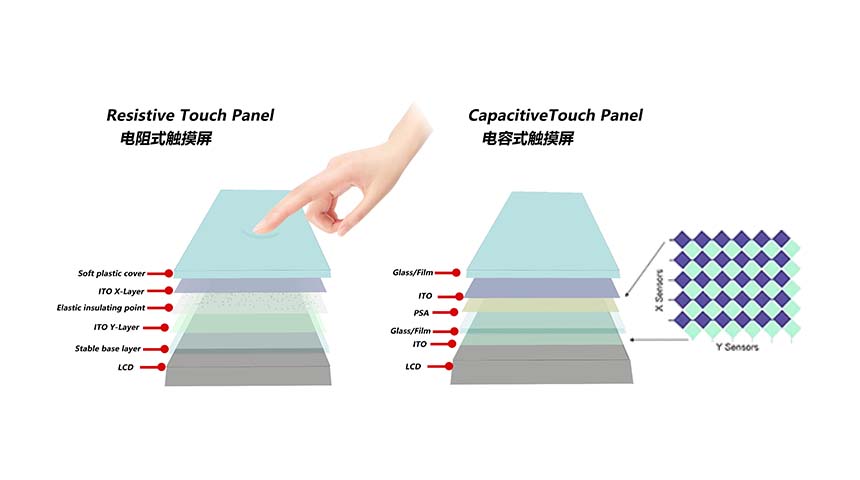
Capacitive Touch Panel or Resistive: Which Suits Your Needs?
-
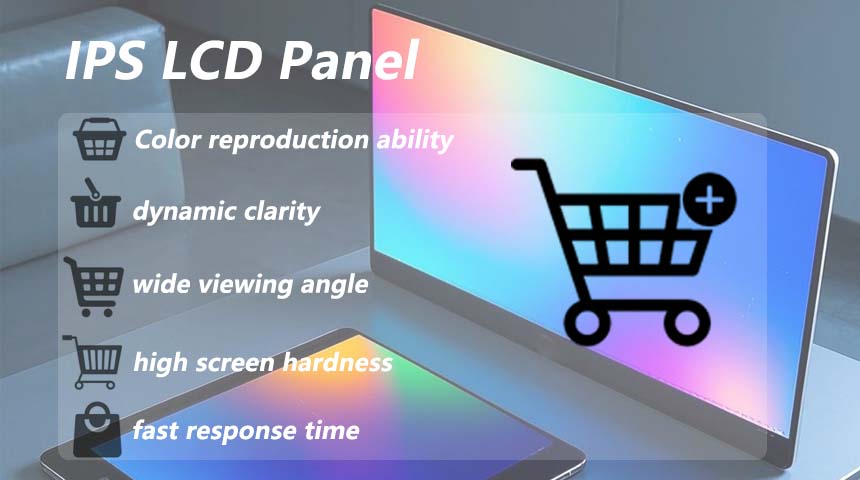
Why Choose an IPS LCD Panel for Your Next Screen Purchase?
-
CDTECH to Showcase Cutting-Edge Display Solutions at SID 2025
-
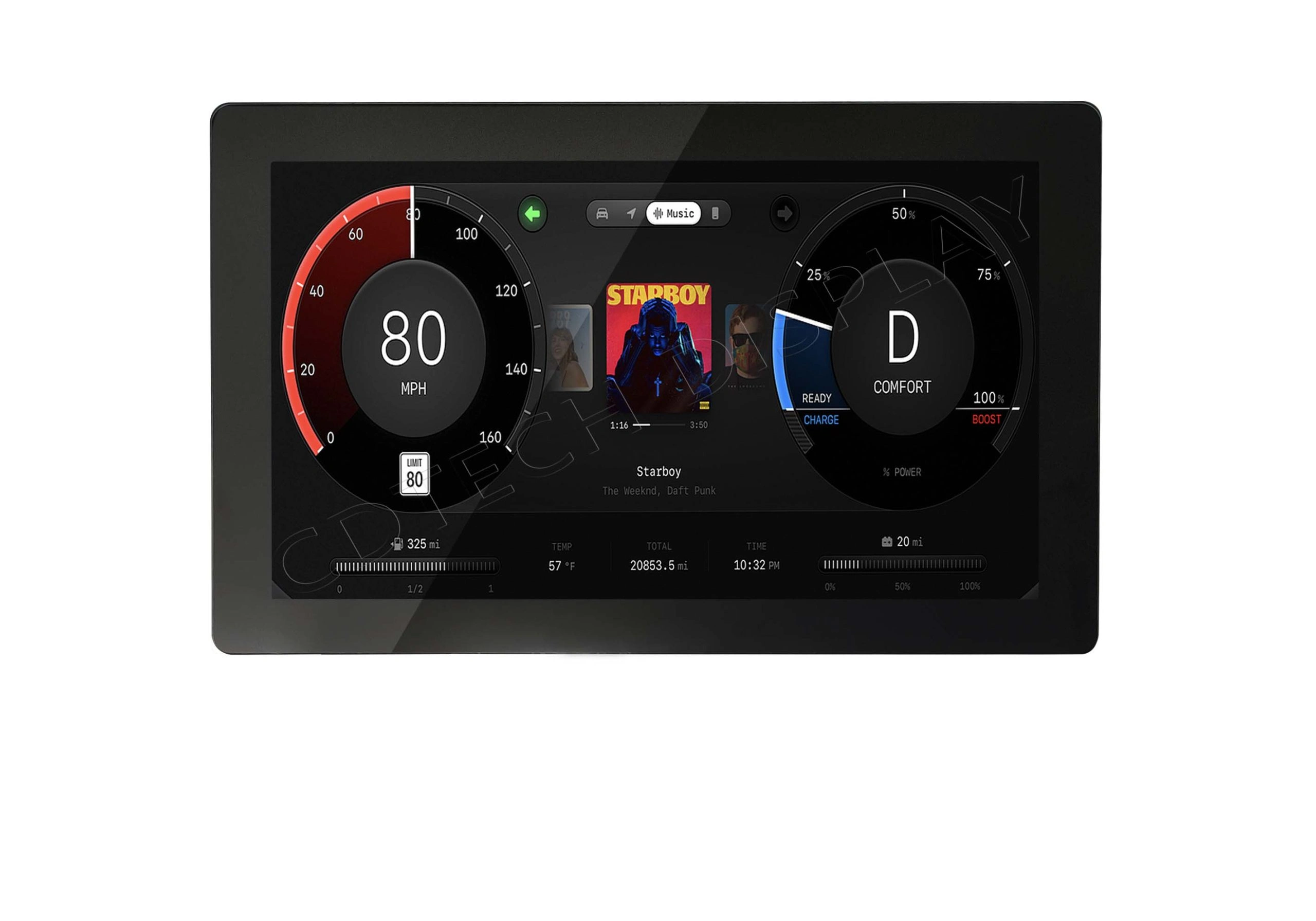
Comparing Different Types of Displays in Cars: A Detailed Overview
-
White Spots on LCD Screen: Causes, Fixes & Industrial Solutions (2026 Guide)