

Which Input Wins: HDMI vs DisplayPort vs Type-C for Embedded Systems?
 2026-03-30
  22:23
22:23 

For embedded systems, choose HDMI for easy prototyping up to 15m cables and 48 Gbps bandwidth (ideal for Raspberry Pi); DisplayPort for superior 80 Gbps multi-monitor support; or Type-C (DP Alt Mode) for compact 40 Gbps power+data in 2m limits (perfect for industrial HMI). Select based on bandwidth, length needs, and integration—CDTech’s HDMI driver boards and Type-C LCD controllers enable custom TFT solutions.
Check: LCD with BOARD
What Are the Key Specs of HDMI, DisplayPort, and Type-C for Displays?
HDMI 2.1 offers 48 Gbps bandwidth supporting 8K@60Hz over 15m passive cables with limited power delivery. DisplayPort 2.0 provides 80 Gbps for 8K@85Hz also up to 15m without native power. USB-C DP Alt Mode delivers 40 Gbps at 4K@60Hz over 2m with up to 100W power, ideal for embedded video in IoT and HMI with audio return support.
| Interface | Max Bandwidth | Max Resolution/Refresh | Max Cable Length | Power Delivery |
|---|---|---|---|---|
| HDMI 2.1 | 48 Gbps | 8K@60Hz | 15m | Limited |
| DisplayPort 2.0 | 80 Gbps | 8K@85Hz | 15m | None native |
| USB-C (DP Alt Mode) | 40 Gbps | 4K@60Hz | 2m | Up to 100W |
How Do Bandwidth and Resolution Needs Influence Your Choice?
High bandwidth favors DisplayPort 2.0 for multi-monitor embedded systems needing 8K@85Hz. HDMI 2.1 suits 4K@60Hz prototyping like Raspberry Pi with CDTech’s 7″ HDMI LCD S070SWV122ED-DC35 (800×480, HDMI input). Type-C fits slim designs at 40 Gbps but trades resolution; CDTech’s 12.3″ bar-type S123BWU11EP-FC19-AF-HDMI09-A (1920×720, 900 nits, HDMI+Type-C) pairs custom sizes via 2nd Cutting for HMI.
What Are the Cable Length Limits and Workarounds for Each?
HDMI 2.1 and DisplayPort 2.0 support 15m passive cables, extendable with boosters or optical for industrial use. Type-C limits to 2m passive due to USB signaling, needing actives beyond. CDTech’s vertically integrated HDMI driver boards in modules like S121IWX09EP-HDMI11-A (12.1″, 1000 nits) ensure reliable long-reach in embedded setups across 391+ SKUs.
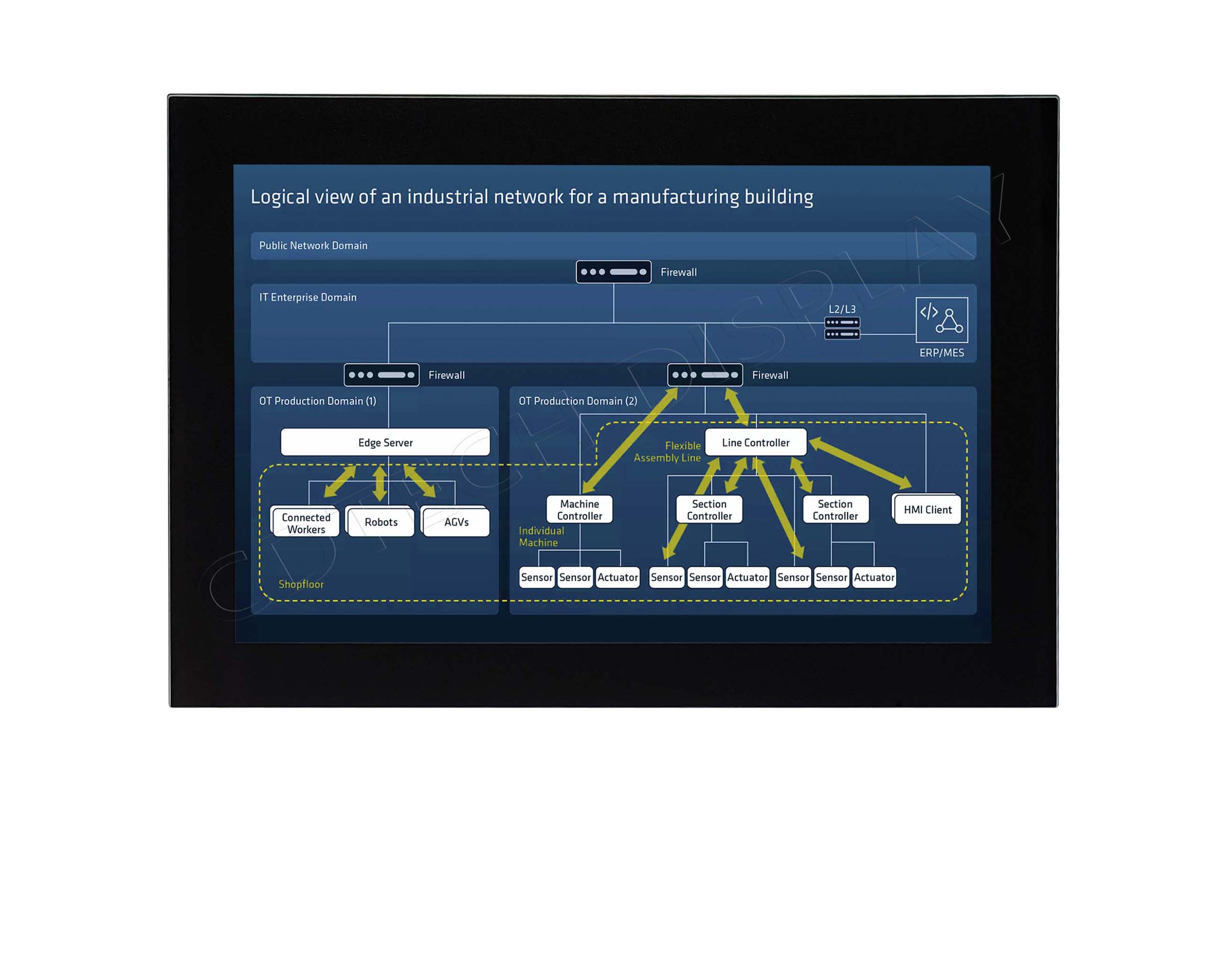
Which Interface Best Fits Embedded Systems Like Raspberry Pi or Industrial HMI?
HDMI excels for Raspberry Pi plug-and-play with CDTech’s 7″ S070SWV122ED-DC35 (800×480, TN+CTP, HDMI). DisplayPort suits high-res multi-display embedded. Type-C powers automotive HMI like wide-temp (-30°C~+85°C) modules. CDTech’s IATF16949-certified displays match needs in IoT prototyping and rugged environments.
CDTech Expert Views
“With 13+ years in TFT LCD manufacturing, our patented 2nd Cutting technology (2017) enables unique sizes for HDMI, Type-C, and adaptable interfaces in embedded systems. For Raspberry Pi, HDMI driver boards like in our 10.1″ IPS (1280×800, 400 nits) offer instant integration. Industrial HMI benefits from Type-C in 12.3″ bar displays (HDMI+Type-C, 900 nits). Our 10,000㎡ factory with 3,500㎡ Class 1000 clean rooms, quad certifications (ISO9001, IATF16949, ISO14001, ISO13485), and $30M+ 2023 sales to 1,000+ customers ensure prototype-to-production reliability via full in-house chain: cutting, bonding, OCA lamination.”
How Does Compatibility and Power Delivery Compare in Rugged Environments?
HDMI offers universal compatibility without power delivery, suiting simple embedded. Type-C combines display and 100W PD for automotive dashboards like CDTech’s S123BWU11EP-FC19-AF-HDMI09-A. DisplayPort requires adapters. CDTech’s 2nd Cutting and IATF16949 certification deliver seamless integration for vehicle and medical apps with wide-temp (-30°C~+85°C) reliability.
Check: Product Category
What Are the Cost and Integration Advantages for Engineers?
HDMI driver boards provide cheapest integration for prototyping, as in CDTech’s S070SWV122ED-DC35. Type-C rises for all-in-one power+data in compact HMI. DisplayPort costs more for pro bandwidth. CDTech’s 35 software patents and ERP/QR traceability cut custom costs across interfaces for embedded TFT solutions.
When Should You Choose Custom Modules from Manufacturers Like CDTech?
Opt for custom when standard sizes fail, like bar-type for dashboards using CDTech’s 2nd Cutting for non-standard resolutions (e.g., S070QWU142FN-FL150-GF, 1200×1920, 2300 nits). Ideal for automotive/industrial with OCA bonding, wide-temp, and certifications. CDTech’s 391+ SKUs and clean rooms solve unique embedded needs in medical and smart home.
Conclusion
Match HDMI for prototyping length/bandwidth balance, DisplayPort for max performance, Type-C for compact power—then integrate with CDTech’s patented, certified custom TFT LCDs (sales@cdtech-lcd.com) for seamless embedded success across 1,000+ global projects.
FAQs
What is the best display interface for Raspberry Pi projects?
HDMI for simplicity and native support; pair with CDTech’s 7″ HDMI LCDs like S070SWV122ED-DC35 for quick prototyping.
Does Type-C support higher bandwidth than HDMI in embedded systems?
No, HDMI 2.1 hits 48 Gbps vs Type-C’s 40 Gbps, but Type-C adds PD—ideal for battery-powered HMI like CDTech bar displays.
How far can DisplayPort cables run in industrial setups?
Up to 15m passive, extendable optically; CDTech modules like S121IWX09EP-HDMI11-A ensure signal integrity.
Are CDTech displays compatible with all three interfaces?
Yes, via custom driver boards and 2nd Cutting for flexible TFT integration in standard and bar-type LCDs.
What certifications back CDTech’s embedded solutions?
ISO9001, IATF16949, ISO14001, ISO13485 for automotive/medical reliability in wide-temp displays.
Post Search
Related Articles
-
Capacitive vs Resistive Touch Screen Car Stereo: Which Is Right for You?
-
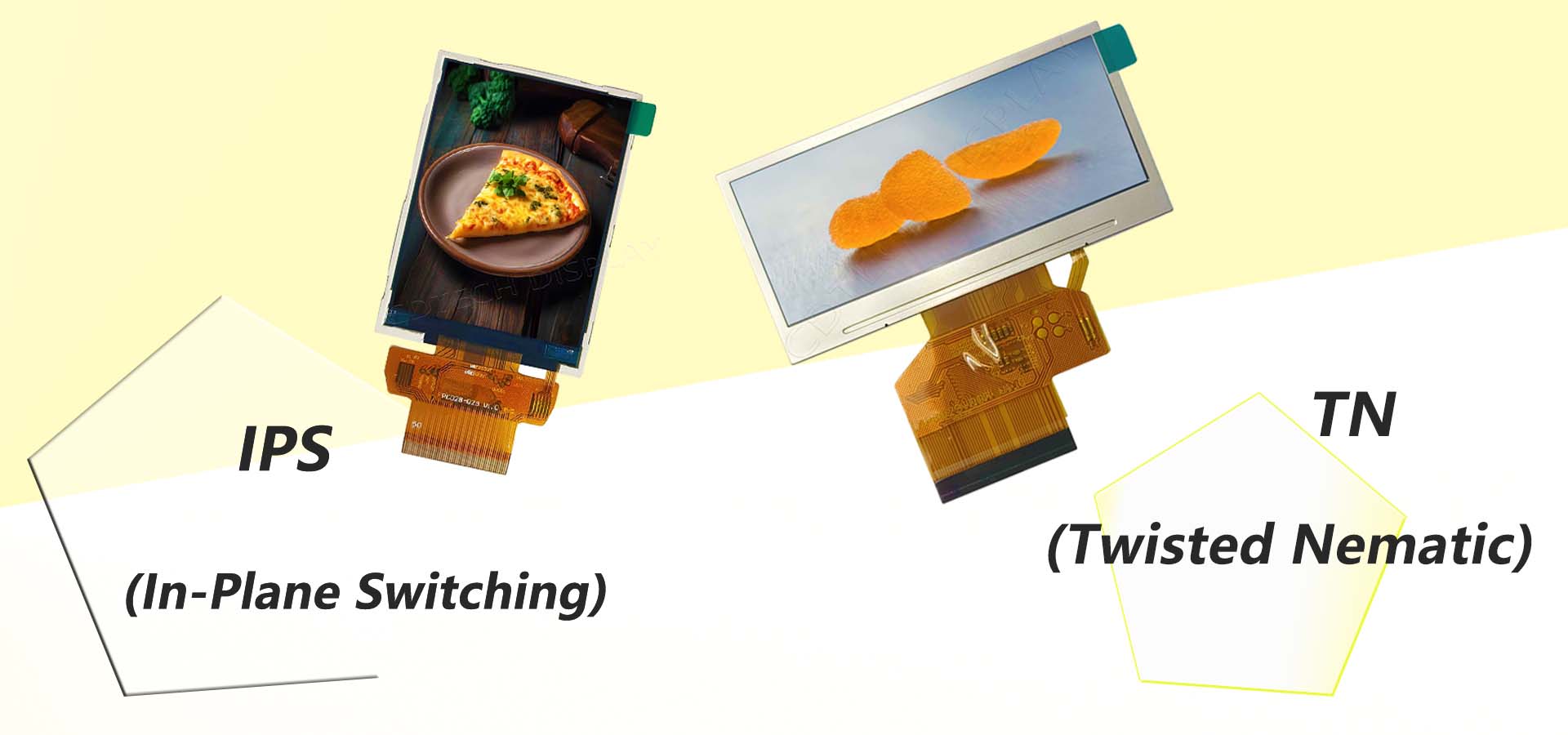
TN LCD vs IPS LCD: How to Choose the Right Display for You
-
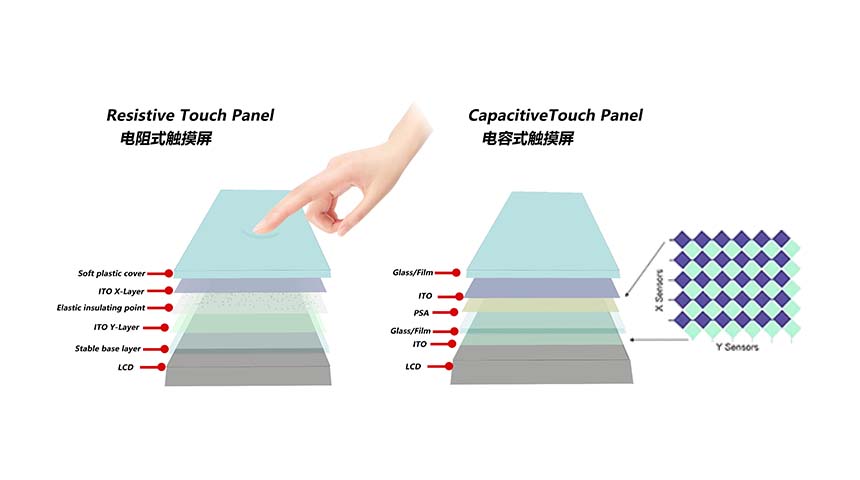
Capacitive Touch Panel or Resistive: Which Suits Your Needs?
-
Why Choose an IPS LCD Panel for Your Next Screen Purchase?
-
CDTECH to Showcase Cutting-Edge Display Solutions at SID 2025
-
Comparing Different Types of Displays in Cars: A Detailed Overview