

Which Interface Wins: MIPI DSI vs LVDS vs RGB for TFT LCDs?
 2026-03-31
  21:49
21:49 

MIPI DSI excels for high-res industrial displays with up to 6 Gbps/lane bandwidth and low power consumption, ideal for automotive dashboards. LVDS offers 1-2 Gbps/pair at medium power for rugged TFTs, while RGB suits low-res legacy apps but draws high power. Choose based on bandwidth needs vs power constraints—CDTech’s custom boards optimize all via patented 2nd Cutting tech.
Check: CUSTOM PRODS
What Are MIPI DSI, LVDS, and RGB Interfaces in TFT LCDs?
MIPI DSI is a serial mobile interface for high-speed data transmission in TFT LCDs, LVDS is a differential serial interface providing noise immunity, and RGB is a parallel interface for simple low-resolution setups. MIPI packets data efficiently, LVDS reduces EMI over cables, and RGB sends raw pixels directly. CDTech supports all in its 391+ SKUs for automotive and medical TFT LCDs.
How Do Bandwidth Requirements Compare for MIPI DSI vs LVDS vs RGB?
MIPI DSI provides the highest bandwidth at 6 Gbps per lane, LVDS delivers 1-2 Gbps per pair, and RGB offers 0.1-0.5 Gbps via parallel lines. MIPI suits 1080p+ resolutions like CDTech’s S070QWU142FN-FL150-GF 7.0″ bar LCD with 1200×1920 and MIPI interface. LVDS fits WVGA to 1080p in wide-temp modules, while RGB works for VGA or lower.
| Interface | Max Bandwidth | Lanes/Pairs Needed | Power Consumption | Best Resolution Fit |
|---|---|---|---|---|
| MIPI DSI | 6 Gbps/lane | 1-4 lanes | Low (0.5-1W typical) | 1080p+ high-res |
| LVDS | 1-2 Gbps/pair | 2-4 pairs | Medium (1-2W) | WVGA to 1080p |
| RGB | 0.1-0.5 Gbps (parallel) | 24-bit wide | High (2-5W) | VGA or lower |
Data for 7″ TFT LCDs; CDTech optimizes via vertical integration and patented 2nd Cutting technology from 2017 for non-standard sizes without bandwidth loss.
Why Does Power Consumption Matter in Industrial Display Interfaces?
Power consumption impacts battery life in portable devices and heat in enclosed industrial setups. MIPI’s low-voltage serial design uses 0.5-1W, saving 30-50% over LVDS’s 1-2W medium draw, while RGB’s parallel lines consume 2-5W. For CDTech’s -30°C~+85°C automotive LCDs like S050BWV105EP-FL96-AG, low power ensures reliability in harsh environments.
CDTech Expert Views: How Do We Optimize MIPI, LVDS, and RGB for Custom Projects?
At CDTech, our full in-house production chain—from patented LCD 2nd Cutting in 2017 to OCA optical bonding in our 10,000㎡ factory with 3,500㎡ Class 1000 clean rooms—allows us to tailor MIPI for high-bandwidth needs like the 2300 nits S070QWU142FN-FL150-GF, LVDS for rugged industrial modules such as S050BWV125ES, and RGB for cost-effective small displays like S015HQ01EN-2. Our ERP and QR traceability system ensures optimized power and performance, backed by ISO9001, IATF16949, ISO14001, and ISO13485 certifications. With 35 software patents and 44+ utility/invention patents, we reduce power by up to 20% through custom PCBA integration, serving over 1,000 global customers with $30M+ sales in 2023.” — CDTech Engineering Team
Check: Product Category
What Are the Pros and Cons of MIPI DSI vs LVDS for High-Res Industrial Displays?
MIPI DSI pros include high 6 Gbps/lane bandwidth and low 0.5-1W power for 1080p+ like CDTech’s high-res bar LCDs, but integration is complex. LVDS pros are reliable noise immunity and cost-effectiveness at 1-2 Gbps/pair for WVGA-1080p, though speed-limited. Both outperform RGB for modern high-res industrial and automotive TFT LCDs with IATF16949 certification.
When Should You Choose LVDS vs RGB for Rugged TFT LCD Applications?
Choose LVDS for rugged apps needing noise immunity over long cables and medium 1-2W power, like CDTech’s wide-temp S050BWV125ES 5.0″ automotive IPS LCD with LVDS. Opt for RGB in budget low-res scenarios under 0.5 Gbps, such as small MCU-driven displays, but avoid for new designs due to high power and EMI. CDTech customizes both via 2nd Cutting.
How Can Custom Controller Boards Solve MIPI/LVDS Power-Bandwidth Trade-Offs?
Custom controller boards from CDTech integrate MIPI’s high bandwidth with optimized power for embedded apps, or tailor LVDS for reduced draw in medical devices. In-house PCBA design supports interfaces like those in S101ZWX89FP-FC86 10.1″ LVDS LCD, balancing trade-offs. 13+ years of experience since 2011 ensures prototypes for smart home and industrial HMI.
Which Interface Fits Your Automotive or Medical TFT LCD Project Best?
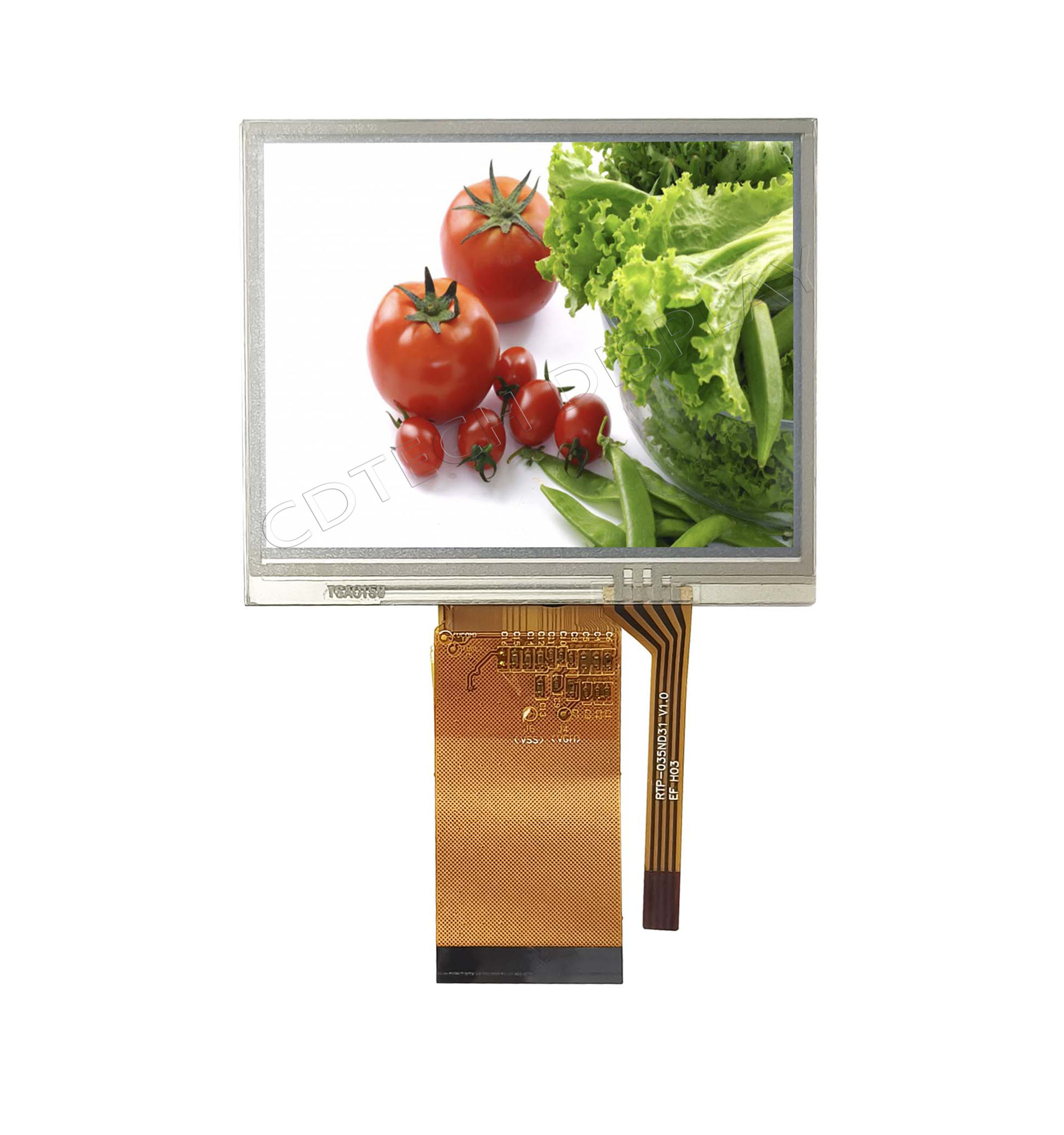
For high-res power-sensitive automotive dashboards, select MIPI DSI as in CDTech’s S070QWU142FN-FL150-GF. Use LVDS for rugged medium-res like S050BWV105EP-FL96-AG industrial/automotive. RGB fits budget low-res medical with 2.5D glass like S035BV108HN-DC49-D. CDTech’s patented flexibility and quad certifications guide the best fit.
FAQs
What is the main difference in MIPI DSI vs LVDS bandwidth?
MIPI offers 6 Gbps/lane for high-res vs LVDS’s 1-2 Gbps/pair; CDTech custom boards scale both for TFT LCDs like 1200×1920 bar types.
Does MIPI consume less power than LVDS in industrial LCDs?
Yes, MIPI uses 30-50% less power at 0.5-1W versus LVDS’s 1-2W, ideal for CDTech’s wide-temp automotive solutions like S043HWQ50EG.
Can CDTech provide RGB interfaces for legacy TFT projects?
Yes, CDTech offers RGB on displays like S015HQ01EN-2 1.5″ 1000 nits IPS, with custom controller boards optimizing power for low-res industrial/medical uses.
How does 2nd Cutting tech affect interface choices?
CDTech’s patented 2017 2nd Cutting enables non-standard sizes with MIPI/LVDS without bandwidth loss, unique for custom bar and stretched TFT LCDs.
What certifications back CDTech’s display interfaces?
ISO9001, IATF16949, ISO14001, ISO13485 ensure reliable, low-power custom TFT LCDs with MIPI, LVDS, and RGB for automotive and medical sectors.
Conclusion
In the MIPI DSI vs LVDS vs RGB showdown for TFT LCDs, prioritize bandwidth and power needs: MIPI for high-res efficiency, LVDS for rugged reliability, and RGB for simple legacy. CDTech’s patented 2nd Cutting technology, vertical integration, and certifications deliver optimized custom solutions for industrial, automotive, and medical success. Explore cdtech-display.com/custom-lcd for 391+ SKUs. Email sales@cdtech-lcd.com for tailored quotes proving our $30M-scale reliability.
Post Search
Related Articles
-

Capacitive vs Resistive Touch Screen Car Stereo: Which Is Right for You?
-

TN LCD vs IPS LCD: How to Choose the Right Display for You
-

Capacitive Touch Panel or Resistive: Which Suits Your Needs?
-

Why Choose an IPS LCD Panel for Your Next Screen Purchase?
-

CDTECH to Showcase Cutting-Edge Display Solutions at SID 2025
-

Comparing Different Types of Displays in Cars: A Detailed Overview