

Why Are Custom LCD Solutions Replacing Standard Displays in EV Charging Stations?
 2026-03-24
  22:07
22:07 

Custom LCD solutions are replacing standard displays in EV charging stations due to superior performance in harsh outdoor conditions. They offer high brightness (1000-2300 nits) for sunlight readability, wide temperature ranges (-30°C~+85°C) and vibration resistance for durability, patented custom sizes like stretched bar types via CDTech’s 2nd Cutting technology for slim kiosks, and automotive-grade OCA bonding to prevent failures—ensuring reliable HMI in booming EV infrastructure.
Check: HOT LCD PICKS
What Drives the EV Infrastructure Boom and Display Demand?
Global EV charging station growth, projected to reach millions by 2026, demands robust HMIs for user interfaces, payments, and status monitoring. Standard displays fail outdoors, driving a shift to custom TFT LCDs optimized for EV charger displays, addressing glare, extreme heat/cold, and kiosk size mismatches.
Why Do Standard Displays Fail in EV Charging Environments?
Standard displays fail due to low brightness under 500 nits causing washout in direct sun and narrow temp ranges like -20°C~70°C leading to blackouts or cracks. They lack ruggedization against vibrations, dust, and moisture, increasing downtime in 24/7 outdoor EV use.
| Feature | Standard LCDs | Custom LCDs (CDTech) |
|---|---|---|
| Brightness | <500 nits | 1000-2300 nits |
| Temp Range | -20°C~70°C | -30°C~+85°C |
| Durability | No vibration resistance | IATF16949 certified, OCA bonding |
| EV Suitability | Poor (frequent failures) | Excellent (wide temp, rugged) |
How Does High-Contrast and Sunlight Readability Solve Glare Issues?
Sunlight readable TFT EV charging tech uses 1000-2300 nits brightness from high-power LEDs and anti-reflective coatings. OCA optical bonding eliminates air gaps in high brightness LCD EV station setups, reducing reflections by over 50% for clear visibility of maps and instructions in harsh sun.
What Makes Custom Sizes Essential for Modern EV Chargers?
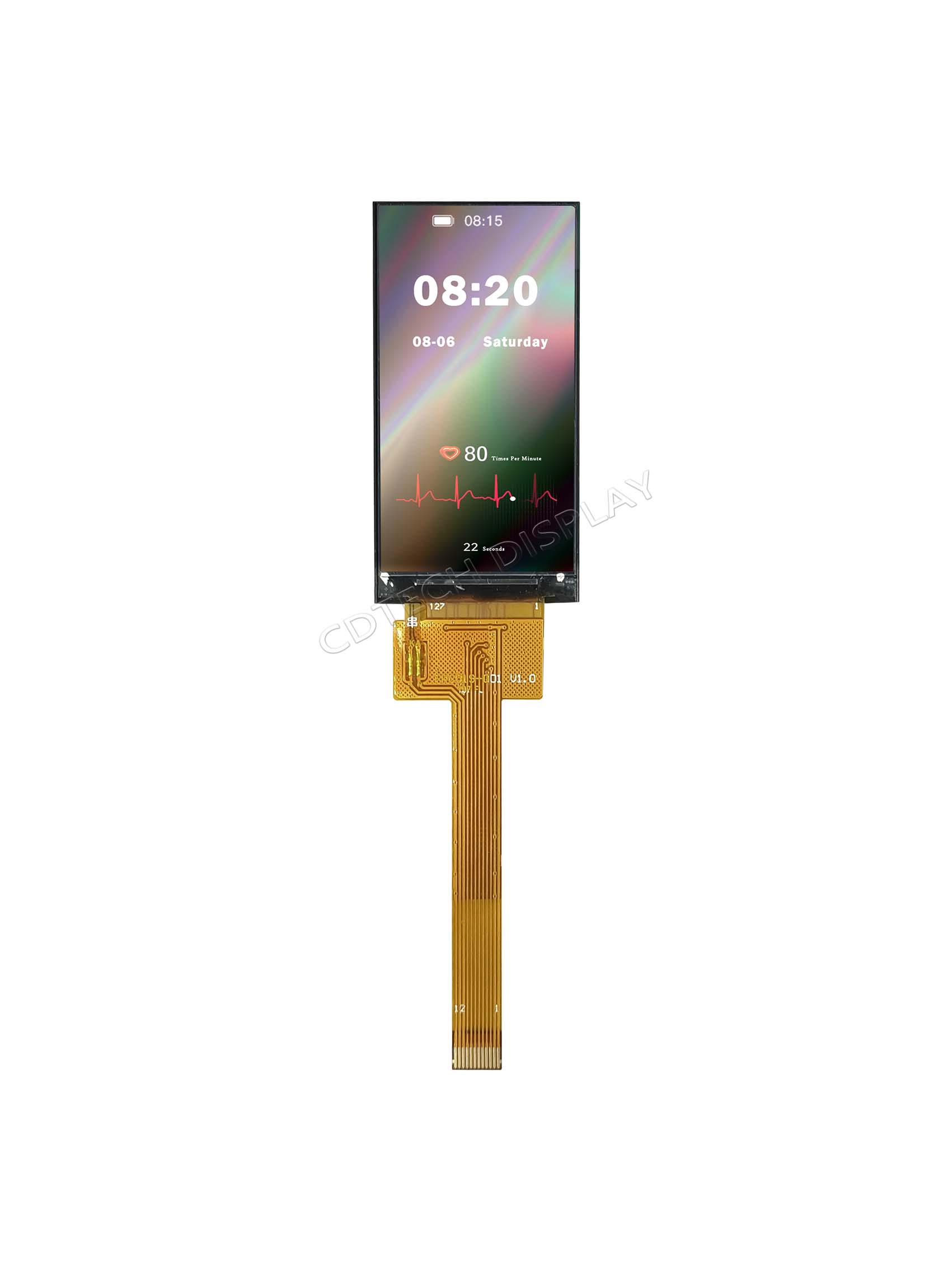
Custom stretched LCD display and bar type LCD for charging stations like 7.0″ 1200×1920 fit slim, space-constrained kiosk designs unavailable off-shelf. CDTech’s patented 2nd Cutting technology (2017) enables precise cuts from mother glass for EV-optimized form factors with full vertical integration.
CDTech Expert Views
“Our 2nd Cutting patent delivers custom LCD for EV charger sizes that standard panels can’t match, proven in 1,000+ global customers,” says a CDTech senior engineer. With $30M+ 2023 sales, a 10,000㎡ factory including 3,500㎡ Class 1000 clean rooms, and certifications like ISO9001, IATF16949, ISO14001, ISO13485, CDTech ensures automotive reliability. For instance, wide-temp (-30°C~+85°C) rugged TFT display EV infrastructure powers outdoor stations without failure.
Why Is Automotive-Grade Durability Critical for EV Stations?
Automotive grade EV charger screen specs include IATF16949 vibration/shock resistance, wide temperature custom display EV operation from -30°C~+85°C, and IP65+ sealing. OCA optical bonded LCD EV kiosk prevents delamination in humidity/vibration via full lamination and in-house processes like TFT deposition, LC sealing, and backlight/FPC assembly.
How Does CDTech’s Vertical Integration Accelerate EV Projects?
CDTech’s end-to-end control from LCD glass cutting, polarizer attachment, IC/FPC bonding, backlight assembly, CTP production, to OCA lamination minimizes lead times versus fragmented suppliers. Low MOQ/NRE, ERP+QR traceability ensure EV charger display prototypes in weeks for OEMs, backed by 13+ years experience and 391+ SKUs.
What Are the Cost and ROI Benefits of Switching to Custom LCDs?
Custom LCDs save 40-60% on maintenance by reducing failures; perfect fit avoids redesigns for faster EV deployments. CDTech’s scale (1,000+ customers, $30M+ 2023 sales) proves efficiency in the EV boom.
| Metric | Standard LCDs | Custom LCDs (CDTech) |
|---|---|---|
| Upfront Cost | Lower initial | Moderate with low MOQ |
| Failure Rate | High (outdoor exposure) | Low (IATF16949 rugged) |
| Lifecycle Savings | Poor | 40-60% via durability |
FAQs
What brightness is needed for sunlight readable EV charger displays?
1000-2300 nits minimum; CDTech models like S070QWU142FN-FL150-GF hit 2300 nits with OCA for zero glare.
Can custom LCDs handle -30°C to +85°C in EV stations?
Yes, CDTech’s wide-temp rugged TFT displays like S043HWQ50EG with IATF16949 certification ensure operation in extreme conditions.
How does 2nd Cutting technology enable custom sizes?
Patented 2017 process cuts non-standard shapes (e.g., stretched bars like S070QWU142FN) from mother glass, unavailable from stock panels.
What certifications prove EV readiness?
CDTech holds ISO9001, IATF16949 (automotive), ISO14001, ISO13485 for quality, reliability, and traceability.
What’s the MOQ for custom EV charger LCDs?
Flexible low MOQ with transparent NRE; contact sales@cdtech-lcd.com for quotes.
Conclusion
In the EV charging surge, custom LCD solutions outperform standards with unmatched durability, readability, and fit—CDTech’s patented tech, certifications, and proven scale ($30M sales, 1,000+ customers) make it the reliable partner for future-proof EV charger displays. Explore CDTech’s custom options at cdtech-display.com or email sales@cdtech-lcd.com.
Post Search
Related Articles
-
Capacitive vs Resistive Touch Screen Car Stereo: Which Is Right for You?
-
TN LCD vs IPS LCD: How to Choose the Right Display for You
-
Capacitive Touch Panel or Resistive: Which Suits Your Needs?
-
Why Choose an IPS LCD Panel for Your Next Screen Purchase?
-
CDTECH to Showcase Cutting-Edge Display Solutions at SID 2025
-
Comparing Different Types of Displays in Cars: A Detailed Overview