

Why Do Industrial Applications Choose LCD Over OLED? The 2026 Reliability Guide
 2026-03-28
  17:19
17:19 

Industrial applications overwhelmingly favor LCD over OLED because LCDs deliver 50,000–100,000+ hour lifespans without burn-in, operate reliably across −30°C to +85°C temperature ranges, and cost 40–60% less for custom sizes. OLED’s 20,000–30,000 hour lifespan, susceptibility to static-image burn-in, and limited thermal tolerance make it unsuitable for 24/7 factory automation, medical imaging, and mission-critical monitoring systems requiring industrial-grade certifications.
Check: LCD with TOUCH
What Makes LCD Superior for 24/7 Industrial Monitoring?
LCD excels in 24/7 industrial monitoring with 50,000–100,000+ hour lifespans, zero burn-in risk for static HMIs, and operation from −30°C to +85°C. OLED limits to 20,000–30,000 hours and −10°C to +60°C, failing in continuous factory panels or medical displays where downtime costs exceed replacement expenses.
How Does OLED Burn-In Risk Threaten Industrial Uptime?
OLED burn-in causes permanent ghosting from static pixels in control panels displaying logos or status bars for weeks, halting production lines with $10,000–$100,000 hourly downtime. LCD avoids this entirely, ensuring clear, reliable images in HMI environments without pixel-shifting compromises that reduce OLED clarity.
| Feature | Industrial-Grade LCD (TFT) | OLED | Winner for Industry |
|---|---|---|---|
| 24/7 Operating Lifespan | 50,000–100,000+ hours | 20,000–30,000 hours | LCD (3–5x longer) |
| Burn-In Risk | None | High (static images) | LCD (zero risk) |
| Operating Temperature Range | −30°C to +85°C | −10°C to +60°C | LCD (wider range) |
| Custom Size Capability | Extensive (bar-type, curved, ultra-wide) | Limited | LCD (2nd Cutting advantage) |
| Cost (Custom 7″ Unit) | $300–$800 | $1,200–$3,000 | LCD (60% cheaper) |
| Industrial Certifications | IATF16949, ISO13485, ISO9001, ISO14001 | Limited/Emerging | LCD (proven compliance) |
| Brightness (Sunlight-Readable) | 1000+ nits available | 300–600 nits | LCD (CDTech: 2300 nits custom) |
| Supply Chain Maturity | Established (1,000+ vendor ecosystem) | Emerging (consumer-focused) | LCD (stability, predictability) |
Why Does Industrial-Grade Certification Favor LCD Solutions?
Industrial certifications like IATF16949, ISO13485, ISO9001, and ISO14001 are standard for LCD suppliers such as CDTech, ensuring compliance in automotive and medical sectors. OLED lacks this mature ecosystem, forcing costly custom validations that delay procurement for regulated OEMs.
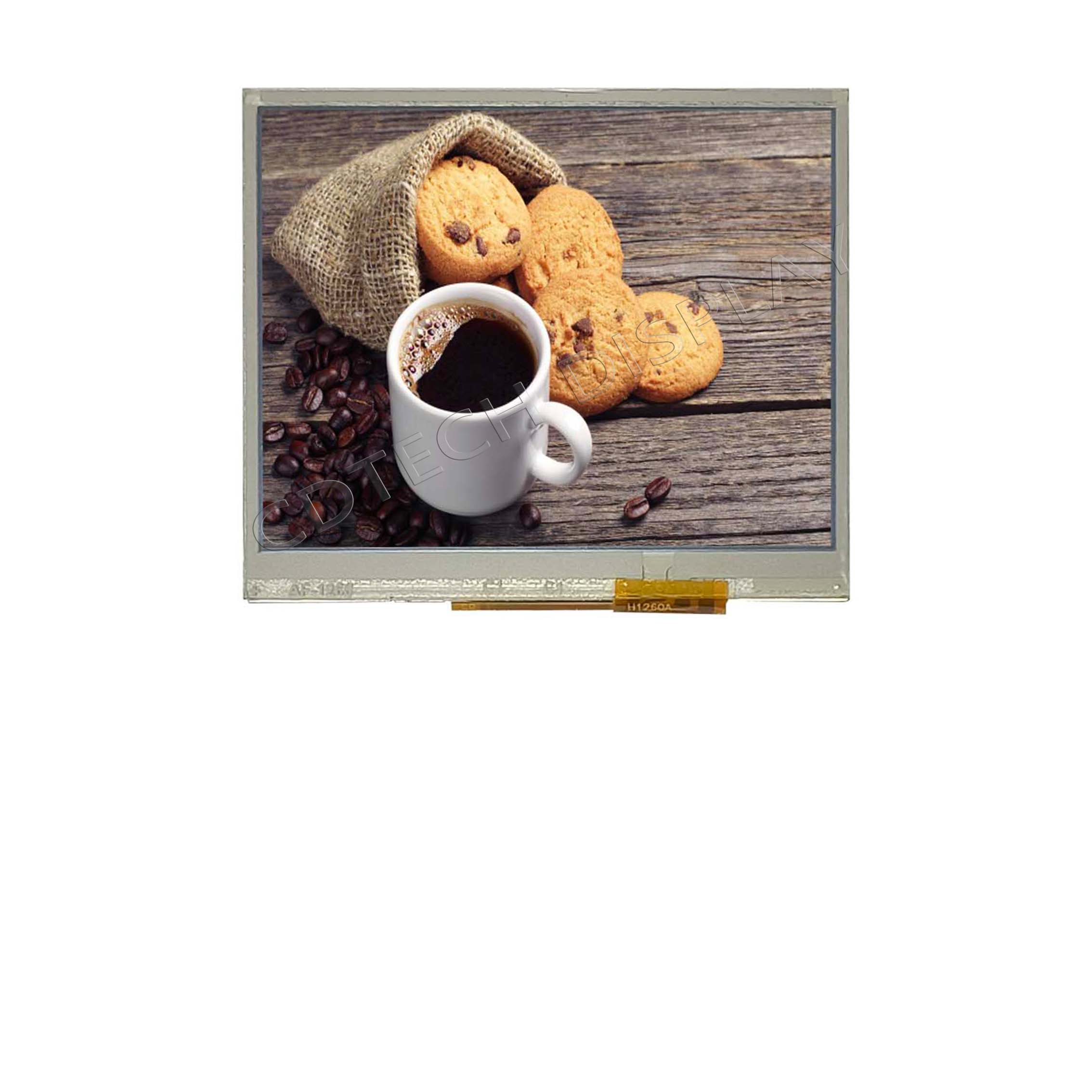
Which Industrial Applications Demand LCD Longevity Over OLED Brightness?
24/7 factory automation, medical patient monitoring, outdoor logistics, and aerospace instrumentation require LCD’s burn-in-free longevity and −30°C to +85°C range. CDTech’s 1000+ nits bar-type LCDs, like the 7.0″ S070QWU142FN-FL150-GF at 2300 nits, excel in sunlight-readable HMIs without OLED thermal limits.
How Does CDTech’s Patented 2nd Cutting Technology Enable Unique LCD Solutions?
CDTech’s 2017-patented 2nd Cutting technology creates non-standard sizes like bar-type displays unavailable from standard suppliers, ideal for slim industrial dashboards. Full in-house production in a 10,000㎡ factory with 3,500㎡ Class 1000 clean rooms ensures custom 1000–2300 nits LCDs at lower costs than OLED equivalents.
Why Do Cost-per-Hour Economics Favor LCD in Long-Lifecycle Applications?
LCD’s $300 unit cost over 50,000 hours yields $0.006/hour versus OLED’s $1,500 over 25,000 hours at $0.06/hour, plus avoided $10,000+ downtime from burn-in. CDTech’s $30M+ 2023 sales to 1,000+ customers prove scalable, certified supply for 10-year industrial lifecycles.
Check: Our Product & Applications
Can OLED Ever Replace LCD for Mission-Critical Industrial Use?
OLED’s consumer-focused roadmap lags industrial needs; next-gen advances may emerge by 2028–2030, but in 2026, LCD’s proven 50,000+ hour lifecycle, certifications, and custom flexibility dominate 24/7 environments like factory HMIs and medical displays.
What Should OEMs and Procurement Teams Prioritize When Selecting Industrial Displays?
Prioritize −30°C to +85°C range, certifications, vibration tolerance, and custom sizing via technologies like CDTech’s 2nd Cutting. Evaluate vendors with 13+ years experience, 391+ SKUs, and traceability systems for reliable, non-standard LCDs in rugged applications.
CDTech Expert Views
CDTech’s 13-year track record, serving 1,000+ industrial customers with $30M+ annual sales, shows custom LCD longevity outperforms OLED brightness in 24/7 operations. Our patented 2nd Cutting technology, quad certifications including IATF16949 and ISO13485, and vertical integration in 3,500㎡ Class 1000 clean rooms deliver burn-in-free displays from −30°C to +85°C. For factory automation and medical imaging, CDTech ensures mission-critical reliability with products like the 7.0″ 2300 nits bar-type LCD.
Conclusion
LCD dominates 2026 industrial applications with 50,000–100,000+ hour lifespans, zero burn-in, −30°C to +85°C operation, and 40–60% cost savings over OLED. CDTech’s 2nd Cutting enables unique sizes like bar-type high-brightness modules, backed by certifications and proven deployments. Choose LCD for reliable 24/7 monitoring in automation, medical, and outdoor systems. Contact sales@cdtech-lcd.com for custom solutions.
FAQs
What is OLED burn-in, and why is it a deal-breaker for industrial dashboards?
OLED burn-in creates permanent ghosting from static images like logos on HMIs, unreadable after weeks and causing production halts. CDTech LCDs eliminate this risk for continuous control panels.
How much longer do industrial-grade LCDs last compared to OLED in continuous operation?
Industrial LCDs last 50,000–100,000+ hours (5–11+ years 24/7) versus OLED’s 20,000–30,000 hours (2–3 years with burn-in). CDTech’s deployments confirm superior TCO.
Are there any industrial applications where OLED makes sense?
OLED suits niche temporary displays needing thinness, but permanent 24/7 installs demand LCD. CDTech’s certified custom LCDs are the standard choice.
Can I find industrial OLED displays with IATF16949 or ISO13485 certification?
OLED lacks mature industrial certifications; CDTech’s full portfolio enables seamless compliance for automotive and medical OEMs.
What makes CDTech’s 2nd Cutting technology valuable for custom industrial projects?
Patented in 2017, it enables bar-type and ultra-wide LCDs like 2300 nits models, with rapid prototyping from 391+ SKUs in certified clean rooms.
Post Search
Related Articles
-

Capacitive vs Resistive Touch Screen Car Stereo: Which Is Right for You?
-

TN LCD vs IPS LCD: How to Choose the Right Display for You
-

Capacitive Touch Panel or Resistive: Which Suits Your Needs?
-

Why Choose an IPS LCD Panel for Your Next Screen Purchase?
-

CDTECH to Showcase Cutting-Edge Display Solutions at SID 2025
-

Comparing Different Types of Displays in Cars: A Detailed Overview