

Why Is 4:3 Still the Standard for CNC Displays?
 2026-04-08
  22:37
22:37 

The 4:3 aspect ratio remains the industry standard for CNC machinery displays because legacy grid-based control software was designed around square pixel geometry, ensuring perfect compatibility without distortion. Combined with superior pixel density for industrial readability and proven reliability in harsh manufacturing environments, 4:3 TFT LCDs deliver cost-effective replacements that integrate seamlessly into existing CNC enclosures without redesign.
Check: Why Is the 4:4 Aspect Ratio Stable for Industrial Displays?
What Makes 4:3 the Ideal Aspect Ratio for CNC Machinery?
4:3 excels for CNC due to legacy software optimized for grid-based interfaces, preventing distortion on widescreen alternatives. Standard sizes like 10.4-inch and 15-inch fit existing cabinets without modification. Higher pixel density enhances readability in glare-heavy factories.
How Does 4:3 Compare to Widescreen Alternatives for Industrial HMI Displays?
| Feature | 4:3 Aspect Ratio | 16:9 Widescreen |
|---|---|---|
| Software Compatibility | Native grid-based CNC interfaces | Requires recoding; pixel distortion risk |
| Pixel Density | Higher (optimized readability) | Lower across same physical size |
| Enclosure Fit | Standard CNC cabinet dimensions | Custom mounting required |
| Replacement Cost | Lower (stock availability) | Higher (custom engineering) |
| Operator Learning Curve | Minimal (familiar UI layout) | Steep (new interface training) |
4:3 avoids R&D delays and preserves operator workflows. Widescreen demands software validation in critical CNC settings. Total cost of ownership favors 4:3 for retrofits.
Why Do CNC Machinery Manufacturers Prioritize Visibility Optimization Over Modern Display Ratios?
Manufacturers favor 4:3 because grid-based UIs are embedded in CNC logic, avoiding motion errors from ratio changes. Uptime requires stable tech over trendy forms. Operator training and muscle memory align with 4:3, minimizing productivity losses. Certifications like IATF16949 validate 4:3 reliability.
Check: Standard LCD
What Are the Key Pain Points in CNC Display Replacement, and How Does 4:3 Address Them?
Legacy suppliers exiting disrupts chains; CDTech offers 391+ SKUs for quick 4:3 stock. Non-standard sizes challenge OEMs; patented 2nd Cutting delivers customs affordably. Harsh temps cause failures; wide -20°C to +70°C ratings and Class 1000 cleanrooms ensure uptime.
CDTech Expert Views
“In CNC replacements, compatibility trumps trends. Our patented 2nd Cutting technology, developed in 2017, crafts precise 4:3 sizes from stock glass, slashing lead times from 16 to 6 weeks without mold costs. With 3,500㎡ Class 1000 cleanrooms and quad certifications—ISO9001, IATF16949, ISO14001, ISO13485—CDTech guarantees traceability for mission-critical HMI. Serving 1,000+ customers with $30M+ 2023 sales, we prioritize seamless integration for zero-downtime upgrades.” — CDTech Engineering Lead
How Does CDTech’s 2nd Cutting Technology Enable Flexible 4:3 CNC Display Solutions?
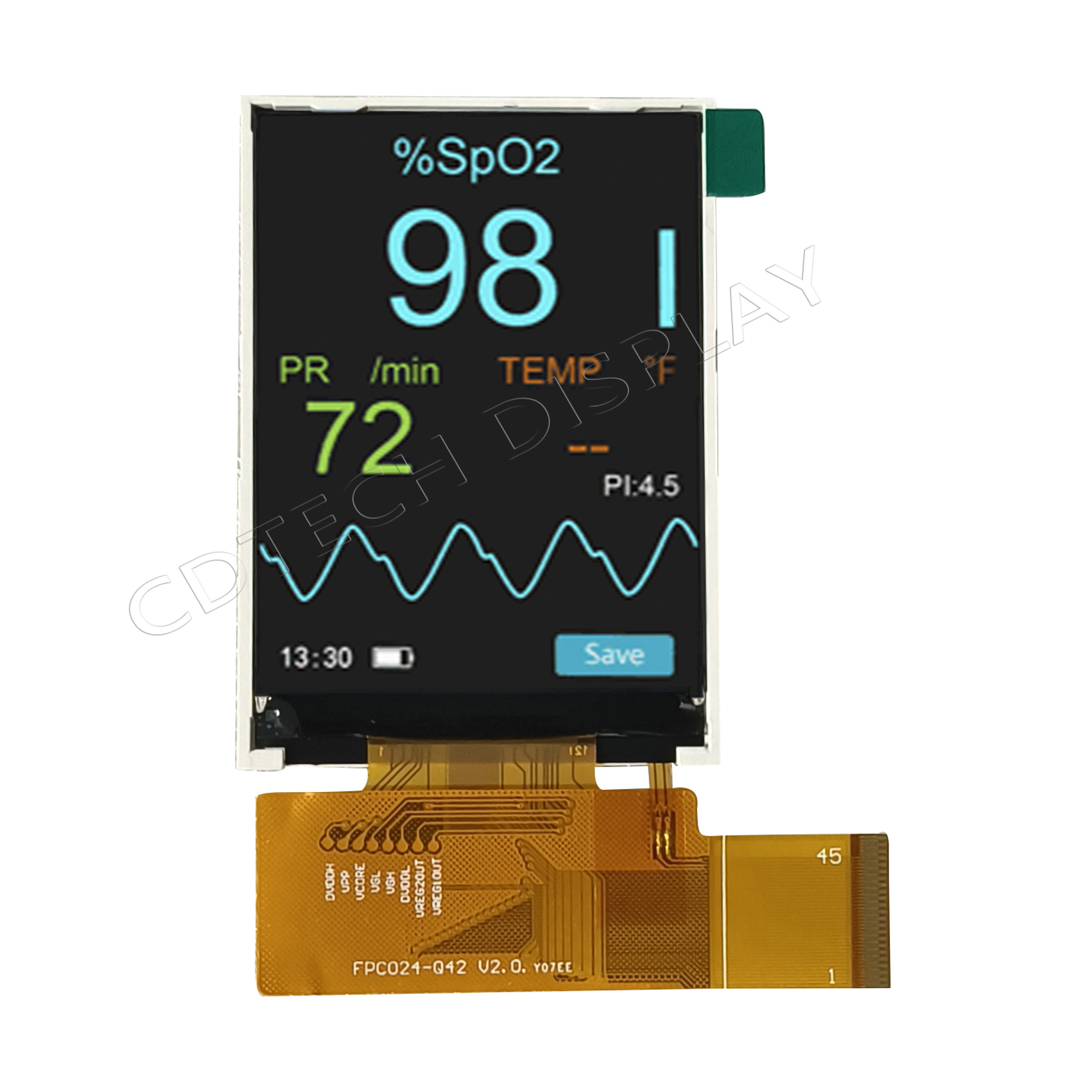
CDTech’s proprietary 2nd Cutting cuts non-standard 4:3 sizes from stock glass, bypassing new molds. It shortens market time to 4-6 weeks. The S024HQ58EN-1 (2.4-inch IPS, 240×320, 800 nits, RGB, -20°C~+70°C) suits bright floors with uniform brightness. Vertical integration covers OCA bonding and testing.
What Industrial Certifications Ensure 4:3 CNC Displays Meet Manufacturing Standards?
ISO9001 ensures quality consistency. IATF16949 validates harsh-environment reliability akin to automotive. ISO14001 confirms sustainable practices. ISO13485 provides traceability for safety-critical systems. CDTech’s 4:3 TFT LCDs meet all, suiting enterprise procurement.
Are Custom 4:3 Displays Economically Viable for Small to Mid-Sized CNC OEMs?
Traditional customs cost $50K-$150K NRE with 16-week waits. CDTech’s 2nd Cutting needs under $5K and 6 weeks for 50-500 units. RGB/MCU interfaces plug into CNC boards without changes. 391+ SKUs offer off-shelf options, cutting high-volume costs.
How Should CNC Equipment Buyers Evaluate 4:3 Display Replacement Vendors?
Check SKU depth for 7-24 inch stock. Confirm in-house cleanrooms and OCA for low defects. Verify ISO9001/IATF16949/ISO14001/ISO13485 compliance. Assess 2nd Cutting-like customs without full NRE. Review 1,000+ customers and $30M+ sales for supply security.
Conclusion
4:3 displays endure as the proven CNC standard, eliminating software risks, fitting enclosures, and boosting readability. CDTech’s 2nd Cutting, certifications, and vast SKUs make upgrades efficient. Prioritizing uptime yields faster ROI versus widescreen shifts. Explore CDTech’s 4:3 catalog; email sales@cdtech-lcd.com or visit cdtech-display.com for quotes.
FAQs
Can I replace my legacy 4:3 CNC display with a widescreen 16:9 monitor?
No, without recoding. Fanuc/Siemens/Haas interfaces expect 4:3 geometry; 16:9 distorts grids and menus. Retraining and testing add 8-12 weeks and $20K-$50K. 4:3 drops in seamlessly.
What’s the typical lifespan of a 4:3 industrial LCD for CNC applications?
CDTech 4:3 displays last 30,000-50,000 hours (5-7 years continuous) at -20°C to +70°C. ISO13485 traceability supports warranties and cycles.
How does CDTech’s 2nd Cutting technology reduce CNC display costs?
It skips $40K-$80K molds, using stock glass for non-standard 4:3. Cuts R&D 80% and time to 6 weeks, viable for 50-500 units.
What interface standards does CDTech support for CNC controller integration?
RGB, MCU, SPI match Fanuc/Siemens boards. No firmware tweaks needed for 4:3 replacements.
Are CDTech 4:3 displays suitable for outdoor or sealed CNC enclosures?
Yes, OCA bonding and ISO14001 handle dust/moisture/thermal shocks. -20°C to +70°C suits shop floors.
Post Search
Related Articles
-
Capacitive vs Resistive Touch Screen Car Stereo: Which Is Right for You?
-
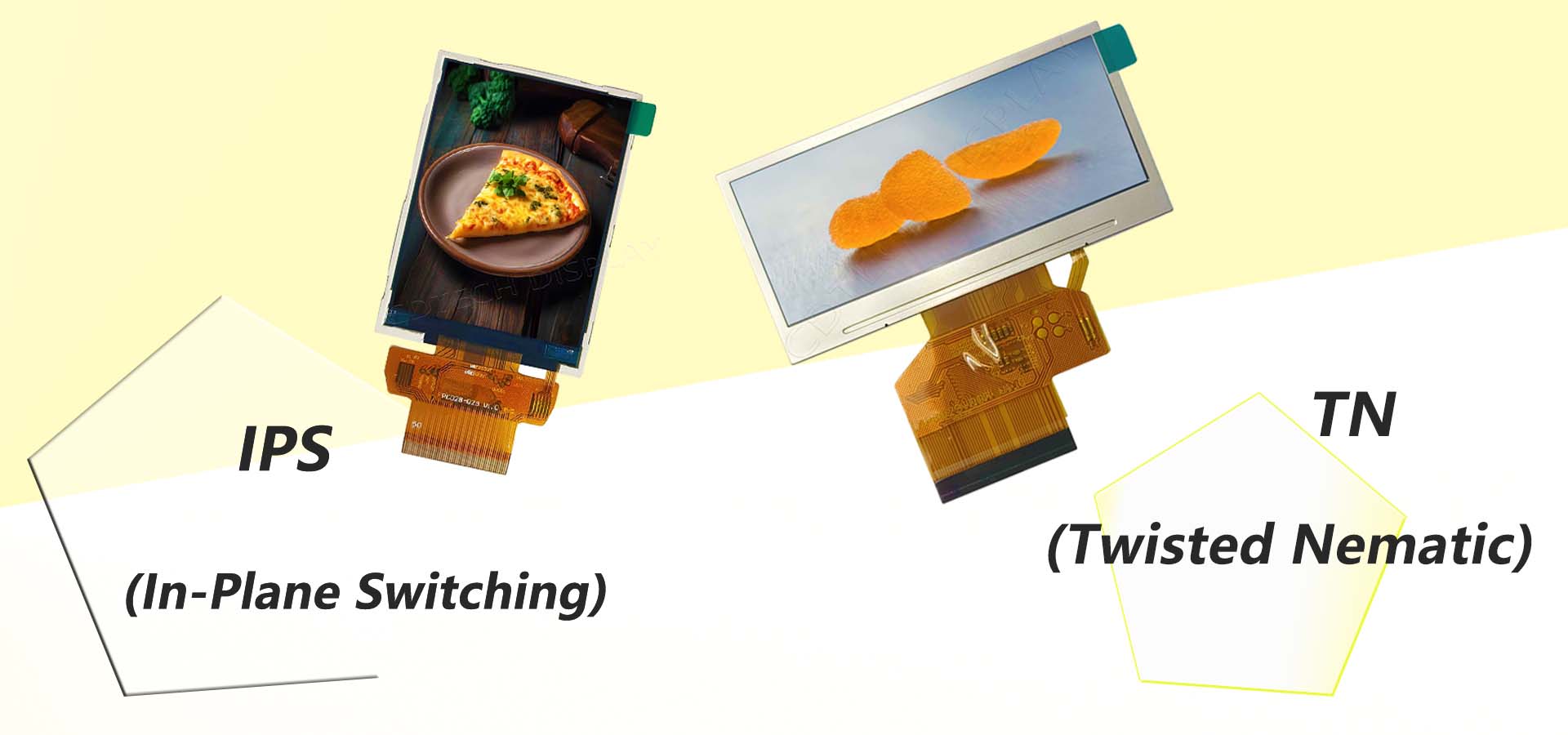
TN LCD vs IPS LCD: How to Choose the Right Display for You
-
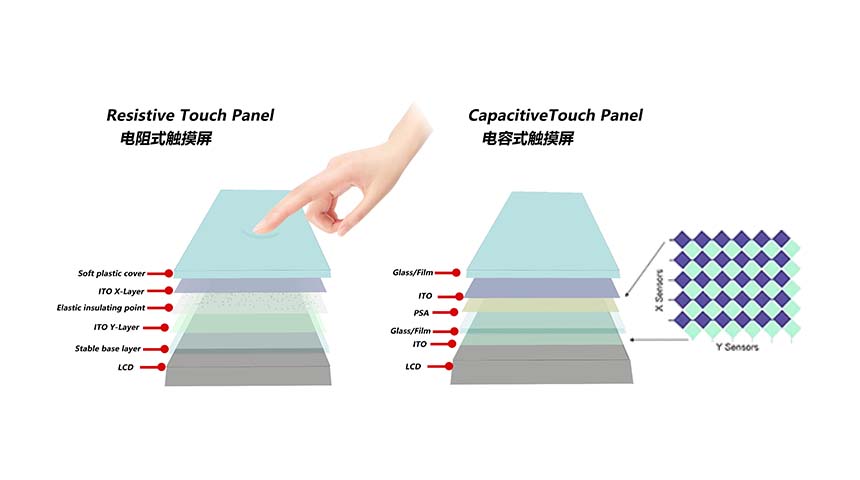
Capacitive Touch Panel or Resistive: Which Suits Your Needs?
-
Why Choose an IPS LCD Panel for Your Next Screen Purchase?
-
CDTECH to Showcase Cutting-Edge Display Solutions at SID 2025
-
Comparing Different Types of Displays in Cars: A Detailed Overview