

Why Is Optical Bonding the Secret to Sunlight Readable LCDs?
 2026-03-28
  17:18
17:18 

Optical bonding eliminates the air gap between touchscreens and LCDs using optically clear adhesive (OCA), making sunlight readable LCDs possible by reducing reflections by up to 70%, boosting contrast, and enhancing visibility in direct sunlight—even at 1000–2300 nits. Unlike air bonding, it minimizes glare for outdoor touch screens, delivering crisp images in harsh conditions.
Check: LCD with TOUCH
What Is Optical Bonding and How Does It Work?
Optical bonding fills the air gap between a touchscreen and LCD panel with optically clear adhesive, matching refractive indices to prevent light scattering. This process allows light to pass directly through without internal reflections, a critical advantage for sunlight readable touch displays. CDTech applies OCA in-house within its 3,500㎡ Class 1000 clean rooms, ensuring precision lamination that delivers consistent high-brightness display performance. The physics behind optical bonding is straightforward: by eliminating the reflective interface created by trapped air, the display achieves superior clarity and contrast in bright outdoor environments.
What’s the Difference Between Optical Bonding vs. Air Bonding?
Air bonding leaves a small gap between layers, trapping ambient light and causing multiple internal reflections. Optical bonding fills this gap with OCA, virtually eliminating reflection and parallax errors. The contrast improvement is dramatic: air-bonded displays suffer 5–10% reflection rates and lower contrast ratios, while optically bonded displays reduce reflection to less than 1% and boost contrast by up to 70%.
| Method | Reflection Rate | Contrast Ratio Improvement | Sunlight Readability | Durability | Cost |
|---|---|---|---|---|---|
| Air Bonding | 5–10% | Standard | Poor in direct sun | Moderate | Lower |
| Optical Bonding (OCA) | <1% | +70% boost | Excellent at 1000–2300 nits | High | Higher investment |
Optical bonding outperforms air bonding in demanding outdoor applications where reflections and glare reduce usability. CDTech’s optically bonded solutions, such as the S101ZWX89FP-FC86 (10.1″ IPS LCD with 1500 nits), demonstrate this superiority in automotive and industrial environments where clarity cannot be compromised.
How Does Optical Bonding Reduce Reflection and Increase Contrast?
Optical bonding reduces reflection by matching the refractive index of OCA adhesive to both the LCD and touchscreen layers. This index matching eliminates the reflective interface that bounces ambient light back toward the viewer. Contrast increases sharply because blacks become darker and colors remain vivid without internal light scattering. CDTech achieves up to 70% contrast improvement in optically bonded displays, enabling crystal-clear visibility even at extreme brightness levels. For example, CDTech’s S070QWU142FN-FL150-GF bar-type display reaches 2300 nits with optical bonding, delivering exceptional outdoor readability without image washout.
Why Are Sunlight Readable LCDs Essential for Outdoor Applications?
Sunlight readable LCDs are critical for automotive dashboards, industrial control panels, medical field devices, and portable outdoor equipment. Standard displays become nearly invisible in direct sunlight due to high ambient light overwhelming the panel’s brightness output. Optical bonding solves this by allowing displays rated 800–2300 nits to cut through glare and deliver usable images. CDTech serves automotive, industrial, and medical sectors with 1000+ global customers relying on optically bonded displays where glare directly impacts safety and usability.
CDTech Expert Views
“CDTech’s optical bonding capability, combined with our patented 2nd Cutting technology, enables custom sunlight readable LCD sizes that standard suppliers simply cannot deliver. With over 13 years of TFT LCD manufacturing experience and a 10,000㎡ factory featuring Class 1000 clean rooms, we apply OCA lamination in-house across our full product portfolio. This vertical integration—from LCD cutting to final optical bonding—ensures ERP traceability and rapid prototyping. Our quad certifications (ISO9001, IATF16949, ISO14001, ISO13485) and 44+ utility patents demonstrate our commitment to reliability in automotive, medical, and industrial applications. Optical bonding is no longer optional for outdoor touch displays; it’s the standard that separates premium solutions from commodity alternatives.”
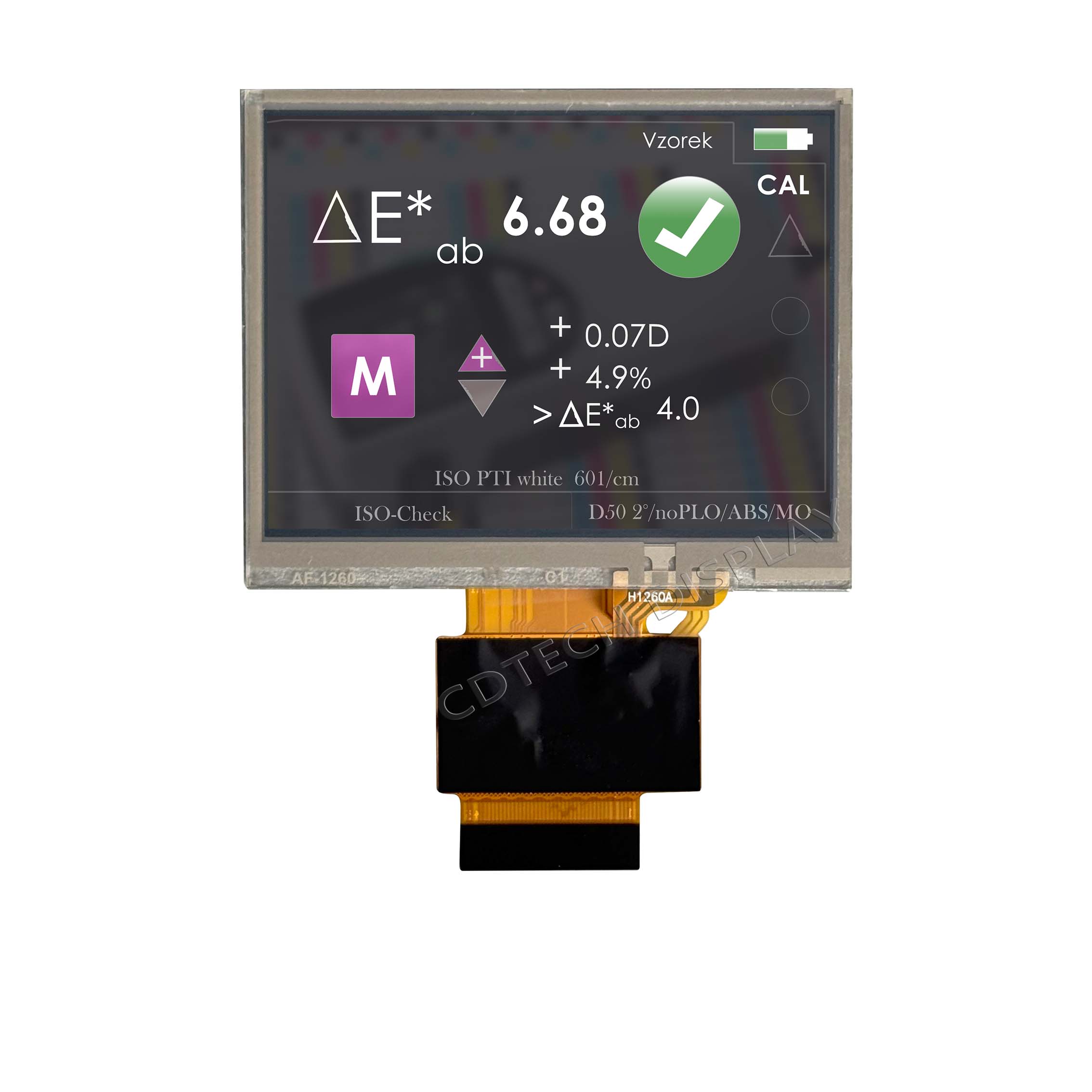
How Does CDTech Deliver Superior Optical Bonding Solutions?
CDTech combines three competitive edges: patented 2nd Cutting technology for custom display sizes, in-house OCA lamination in Class 1000 clean rooms, and full vertical integration from glass cutting to final assembly. The 2nd Cutting patent enables creation of unique LCD dimensions unavailable from standard panel manufacturers, ideal for automotive dashboards and industrial HMI applications. Examples include the S043HWV104EN-FL63 (4.3″ bar-type IPS LCD with 800 nits optical bonding) and S101ZWX89FP-FC86 (10.1″ IPS LCD with 1500 nits optical bonding). CDTech’s IATF16949 and ISO13485 certifications validate quality for automotive and medical markets, while the company’s $30M+ 2023 sales and 1000+ customer base prove scalability and reliability.
What Real-World Results Prove Optical Bonding’s Impact?
CDTech’s optically bonded displays demonstrate 4x better sunlight readability compared to air-bonded competitors. Automotive dashboards maintain clarity at 2000+ nits in direct sunlight without image degradation. Industrial HMI panels deliver precise touch response and color accuracy in glaring outdoor environments. Medical portable devices benefit from enhanced visibility and durability for field use. These real-world results stem from CDTech’s precision OCA application, which eliminates air bubbles and ensures uniform adhesive thickness—critical for consistent optical performance across all production units.
When Should You Choose Optical Bonding for Your Project?
Choose optical bonding when your application faces direct sun exposure, high-vibration environments, or requires brightness exceeding 1000 nits. Automotive dashboards, outdoor industrial controls, portable medical devices, and field-deployed rugged equipment are ideal candidates. If your project demands sunlight readability and touch functionality, optical bonding is essential. CDTech recommends optical bonding for OEMs requiring custom sizes; the company delivers prototypes in weeks and provides transparent MOQ and NRE pricing upfront. The initial optical bonding investment yields long-term benefits: improved energy efficiency, enhanced durability, and superior user experience that justifies the cost premium.
Can Optical Bonding Be Applied to Custom LCD Sizes?
Yes. CDTech’s patented 2nd Cutting technology enables optical bonding on non-standard display sizes. The company manufactures bar-type displays (stretched aspect ratios), automotive-grade panels, and medical-rated modules with full OCA lamination. Examples include the S070QWU142FN-FL150-GF (7.0″ bar IPS LCD, 2300 nits, optically bonded) and custom solutions built to specification. This capability differentiates CDTech: most suppliers stock only standard sizes, whereas CDTech’s in-house glass-cutting infrastructure and OCA application facility support bespoke dimensions for innovative products worldwide.
Check: Our Product & Applications
What Certifications and Standards Back Optical Bonding Quality?
CDTech holds ISO9001 (quality management), IATF16949 (automotive), ISO14001 (environmental), and ISO13485 (medical device) certifications. These credentials ensure optical bonding processes meet automotive reliability standards and medical device cleanliness requirements. The company’s ERP system with QR scanning (implemented 2021) tracks every display from raw substrate through final lamination, guaranteeing full production traceability. For automotive clients, IATF16949 certification is mandatory; for medical device manufacturers, ISO13485 compliance is non-negotiable. CDTech’s quad-certified optical bonding facility satisfies both requirements simultaneously.
Conclusion
Optical bonding is the cornerstone technology enabling true sunlight readable LCDs by slashing reflections below 1%, boosting contrast by 70%, and delivering usable images at 1000–2300 nits brightness. Unlike air bonding, which traps reflections and limits outdoor visibility, optical bonding uses OCA adhesive to match refractive indices and eliminate glare. CDTech leads the market by combining optical bonding with its patented 2nd Cutting technology, enabling custom sunlight readable LCD sizes unavailable from competitors. With over 13 years of manufacturing expertise, a 10,000㎡ facility, and quad certifications (ISO9001, IATF16949, ISO14001, ISO13485), CDTech delivers optically bonded displays to 1000+ global customers in automotive, industrial, and medical sectors. The company’s vertical integration—from LCD glass cutting to final OCA lamination—ensures precision, traceability, and rapid prototyping. For projects requiring outdoor touch screens, automotive dashboards, or high-brightness industrial panels, optical bonding is no longer optional; it is the standard that separates premium solutions from commodity displays. Contact CDTech to explore custom sunlight readable LCD designs tailored to your application.
Frequently Asked Questions
What is OCA optical bonding?
OCA (Optically Clear Adhesive) optical bonding eliminates air gaps between touchscreen and LCD layers by filling them with optically transparent adhesive that matches refractive indices. This process reduces internal reflections to below 1%, enabling sunlight readable displays even at 1000–2300 nits. CDTech applies OCA in-house within Class 1000 clean rooms, ensuring precision lamination for automotive, industrial, and medical applications.
How much does optical bonding improve contrast?
Optical bonding improves contrast by up to 70% compared to air-bonded displays. This dramatic improvement occurs because OCA eliminates light scattering at the air-gap interface, allowing blacks to appear darker and colors to remain vivid. CDTech’s 2300-nit bar-type display (S070QWU142FN-FL150-GF) demonstrates this contrast boost in real-world outdoor environments.
Is optical bonding necessary for all outdoor touch screens?
Optical bonding is essential for outdoor touch screens experiencing direct sun or requiring brightness above 1000 nits. For indoor or low-glare applications, air bonding may suffice. CDTech recommends optical bonding over air bonding for automotive dashboards, industrial HMI panels, and portable medical devices where sunlight readability and glare reduction are non-negotiable.
Can CDTech provide custom sunlight readable LCD sizes?
Yes. CDTech’s patented 2nd Cutting technology enables custom LCD dimensions unavailable from standard suppliers. The company manufactures non-standard bar-type displays, automotive panels, and medical-rated modules with full optical bonding. Examples include the S070QWU142FN-FL150-GF and S043HWV104EN-FL63, both optically bonded and available in custom sizes.
What certifications back CDTech’s optical bonding?
CDTech holds ISO9001 (quality), IATF16949 (automotive), ISO14001 (environmental), and ISO13485 (medical device) certifications. These credentials validate optical bonding processes for automotive reliability and medical device cleanliness. The company’s ERP traceability system ensures every optically bonded display meets stringent production standards for 1000+ global customers.
Post Search
Related Articles
-

Capacitive vs Resistive Touch Screen Car Stereo: Which Is Right for You?
-

TN LCD vs IPS LCD: How to Choose the Right Display for You
-

Capacitive Touch Panel or Resistive: Which Suits Your Needs?
-

Why Choose an IPS LCD Panel for Your Next Screen Purchase?
-

CDTECH to Showcase Cutting-Edge Display Solutions at SID 2025
-

Comparing Different Types of Displays in Cars: A Detailed Overview