
320×240 TFT LCD Display: Features, Specifications and Industrial Applications
 2026-10-30
 11:00


A compact 320×240 TFT LCD might work for small S-Class industrial interfaces, but this pixel matrix measurement is only talking about the basics of a specification. 320×240 screen resolution defines 76,800 addressable pixels in a grid:4:3. It does not define physical size, pixel pitch, panel mode, brightness, touch interface or temperature range. Instead of treating every QVGA module as interchangeable, select a 320×240 add-on by matching the UI, host, viewing conditions and mechanical drawing.
What Is a QVGA TFT LCD Display?
QVGA (Quarter VGA) is often used to describe a 320×240 pixel matrix, which has one quarter of the pixels as in the original B6x640 ×480 pixel. To be clear, just because it’s described as QVGA doesn’t mean that the actual panel itself was a good IPS or TN-based display with touch support and excellent in all use cases—just so it meets its QWVA PC-limited conditions.
How Does a 320×240 Pixel Grid Shape the User Interface?
As you can see, the 4:3 grid is useful when your screens are very focused on something specific like machine status, numerical values (or a couple of short menus), simple trends and entering parameters. Develop assets for the native matrix rather than squeezing a desktop layout. Test text, icons and other alarms at the target position on hardware as far away from a test location. 320×240 can be made to work with a task-focused interface without the processing and memory overhead involved in an denser display.
Which Specifications Are Not Defined by 320×240 Resolution?
Resolution does not determine the diagonal size of a display, active area, pixel pitch or density viewing angle for luminance related systems panel interface connector touch technology mechanical outline operating temperature range We can find IPS or TN panels with documented brightness levels from 250 to850 nits for895xwearables3.5-inch320×240 modules . This includes non-touch, resistive touch and capacitive touch versions as part of the configurations. Hence, buyers should check the entire mechanical drawing and technical specifications instead of relying solely on a resolution label.

320×240 vs. 800×480 Display Resolution: What Changes?
How Do Content Density and Aspect Ratio Affect the Choice?
In other words, the 4:3 rectangle of 320×240 works well for compact or centered interfaces. 800×480’s 5:3 scheme opens up more room for side-by-side values, trends or navigation More pixels equals higher graphics fidelity and more content on the screen at once, but available physical active area in conjunction with viewing distance still determines size. Prototyping the UI native, not lost in pixel counts.
What Changes in Framebuffer, Interface, and UI Migration?
A frame of 800×480 requires five times as much pixel storage space at the same color depth than a frame of 320×240. Can run on more data, render bigger assets and support different timing by the host as well. True requirements vary based upon standard color format, buffering characteristics, refresh rate and controller construction. Moving or Wrapping Also implies redrawing resources, repositioning controls, checking touch co-ordinates and re-checking efficiency.
How Do Pixel Pitch and Panel Technology Affect a 320×240 Display?
How Pixel Pitch Affects a 320×240 Display
Pixel pitch is the center-to-center spacing between adjacent pixels. For a verified 3.5-inch module with a 70.08 × 52.56 mm active area, dividing by 320 columns and 240 rows gives 0.219 mm in both directions. This shows how pixel pitch affects a 320×240 display: the same resolution on a larger active area has a larger pitch. Judge the result at the intended viewing distance; a smaller pitch is not automatically better.
TFT vs. IPS Display: What Is the Difference?
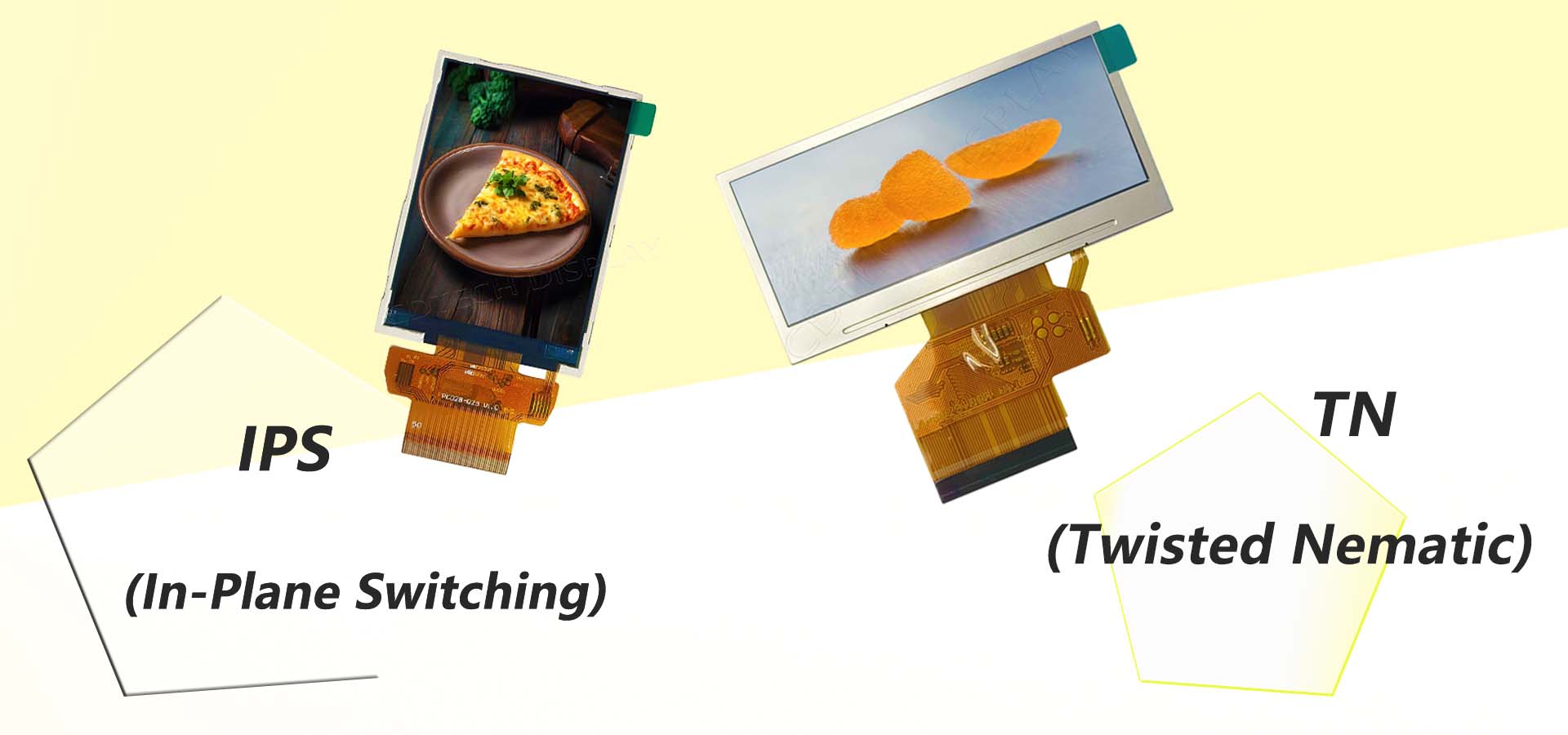
TFT vs IPS display: what is the difference? Compares terms from different levels. TFT is the acronym were actually for active-matrix transistor structure and this TFT LCD panels comes fitted including a liquid-crystal alignment mode which usually involves IPS. Hence, a display can be TFT or an IPS. It is best utilized as IPS vs TN or some other mode. For viewing-angle, cost and optical application requirements for example IPS, TN can be verified with 320×240.
Which Interfaces, Touch Options, and Industrial Applications Matter?
After the optical format is chosen, the module must match the processor, connector, touch input, enclosure, and operator. Display and touch signals should be treated as separate integration paths.
How Should the LCD Interface and Touch Interface Be Matched?
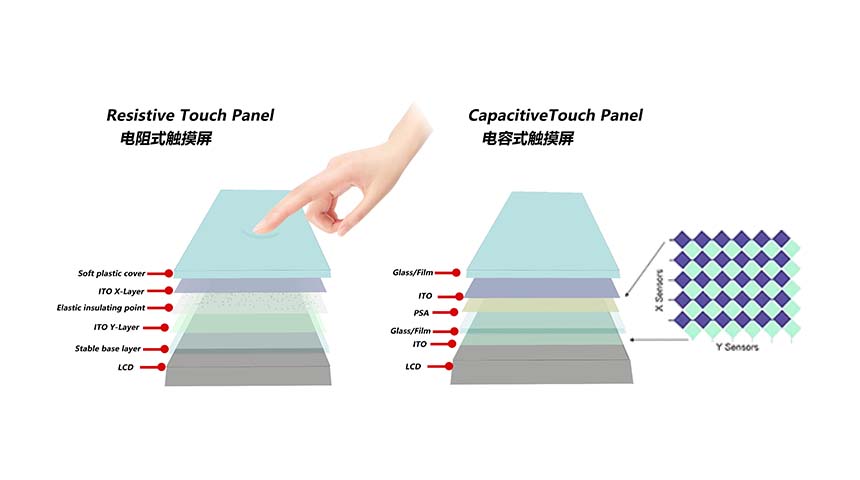
Modules are verified to 3.5-inch 320×240, and use RGB input for video (common at this resolution), but touch configurations vary between the two: Take that model with no touch, and add four-wire resistive touchscreen — onto a capacitive version uses I2C for touch. LCD timing and touch path must be supported by the host; calibration and orientation are handled in firmware. Simultaneously review connector pitch, FPC routing capability power and stack height.
Where Does a 320×240 TFT LCD Display for Industrial Control Panels Fit?
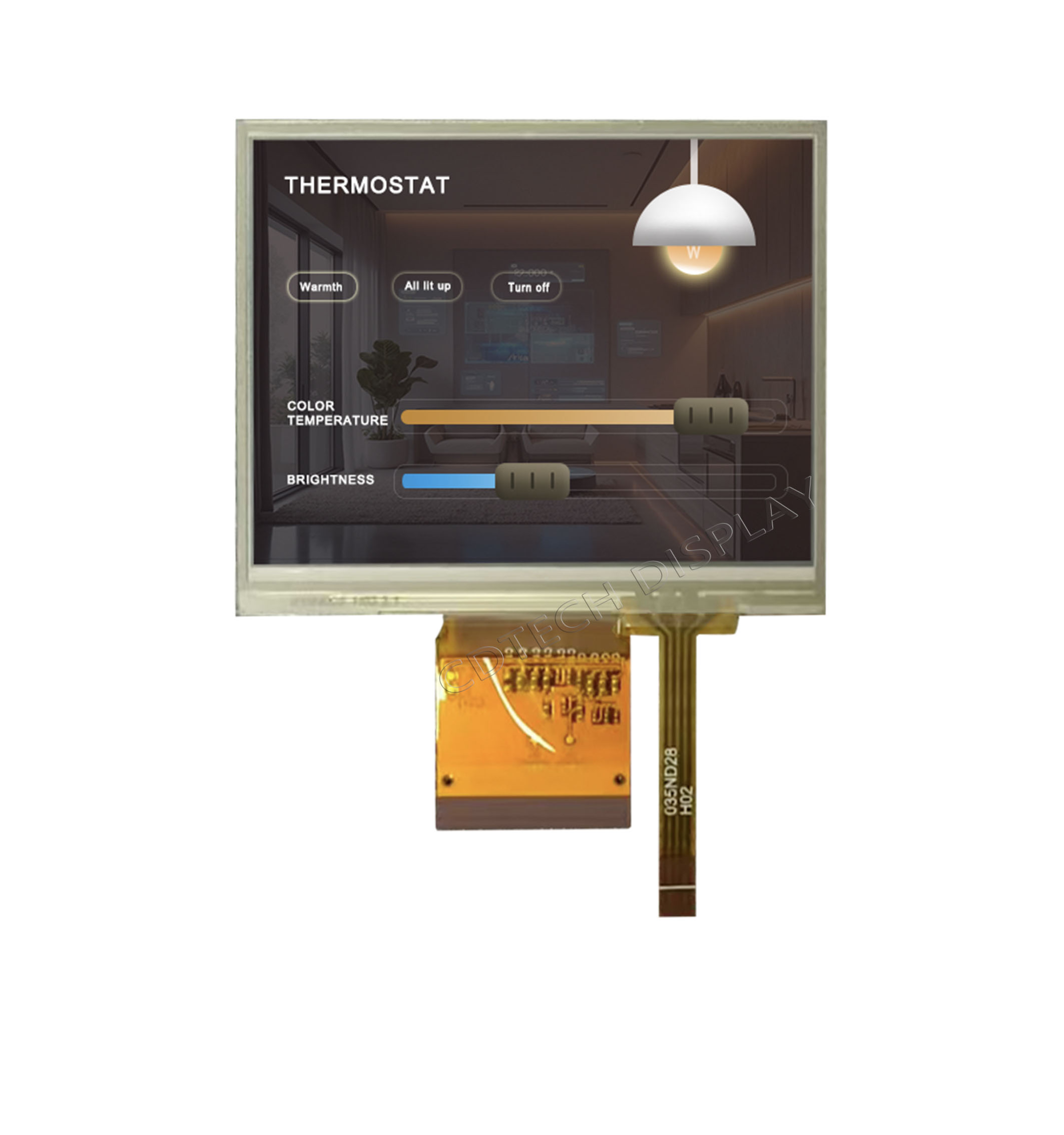
320×240 TFT LCD Industrial Control Panel Display can be adequate for status screens, entering parameters, compact stations and handheld instruments as well specialized controls. A 350-nit luminance, 24-bit RGB, -30°C to +85°C operating range; and a related IPS non-touch model (35) adds resistive touch. It still needs to be data dense, alarms appropriate (way better than watch faces or heart rate monitors that go off multiple times every day) input method and complexity based on time of day ambient light distance and temperature. A more complex dashboard may require a higher resolution.
How Can CDTech Configure a 320×240 TFT LCD for an OEM Project?
For a CDTech module, the project brief can be compared with verified panel, backlight, touch, interface, FPC, and mechanical options. The sensible starting point is the most similar available model configuration, together with an explicit list of specification gaps that need to be assessed.
Which Verified 320×240 Configurations Can Anchor Evaluation?
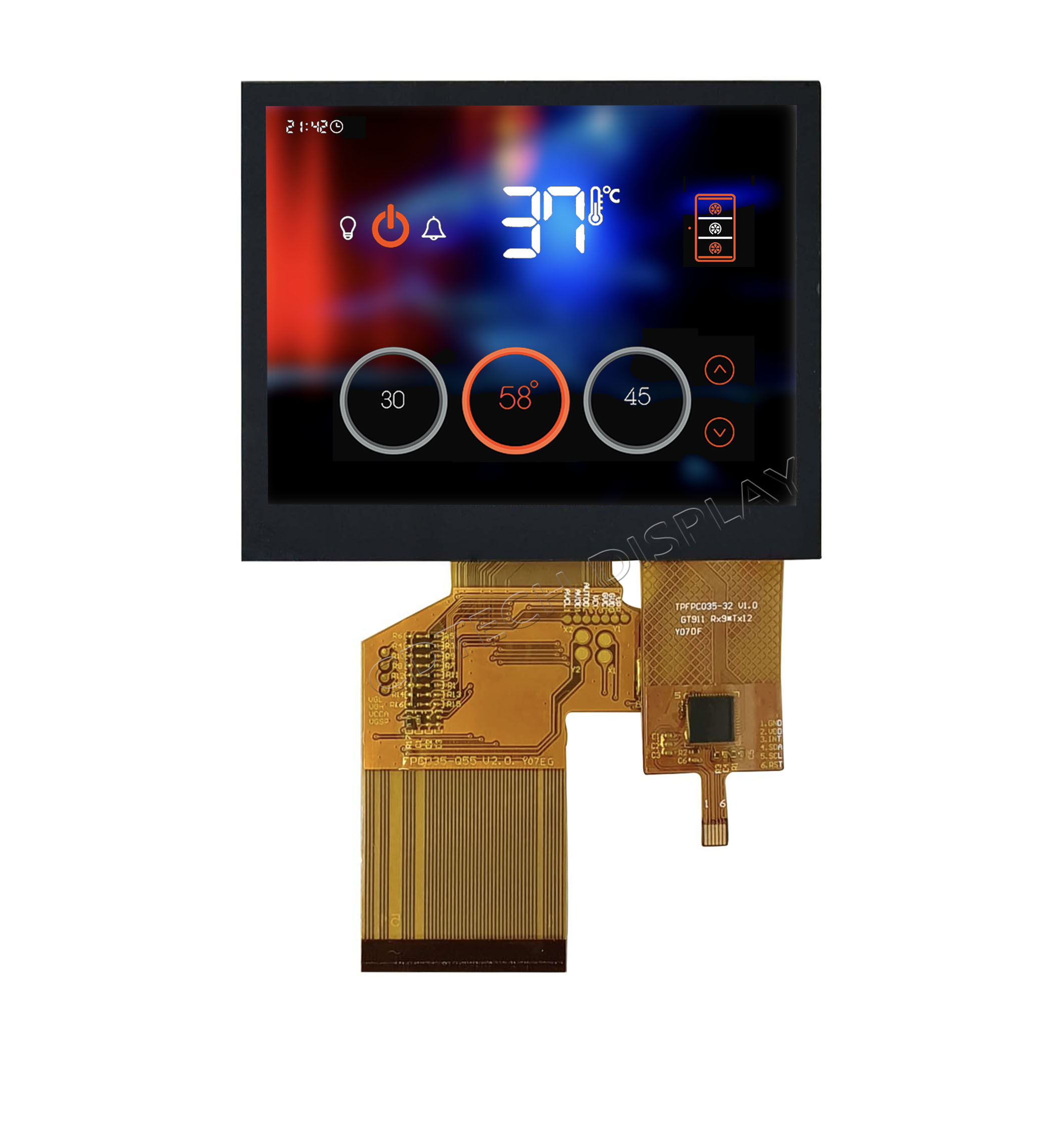
OEMs often need to review verified 320×240 configurations. During this process, they must compare the available models. Key factors to check include brightness levels and touch technology. Buyers also need to look at the panel interface, connector design, and physical mechanical dimensions. Take an 850-nit IPS module with capacitive touch as a helpful example. This specific screen works well for projects needing strong light output. It also fits devices that demand clear touch input. After picking a display, teams must test their final choice. The screen has to match the host interface properly. Furthermore, the unit must fit inside strict enclosure limits and meet everyday environmental needs.
What Should an OEM Send for Engineering Review?
Below is a summary of key items to include in the brief including UI screen shots, viewing distance, required active area and outline. Connector & FPC limits (lengths), interface timing needed such as touch method, target luminance if possible though not mandatory, cover lens or bonding needs along with operating and storage temperatures backlight-control unit requirements qualification tests forecasted volume for production targets etc. CDTech can then highlight which specs are covered and where customisation or sample validation is required. The OEM can also streamline the process by defining clear acceptance criteria to compare prototypes.
FAQ
Q: Is QVGA the Same as 320×240?
A: QVGA commonly refers to a 320×240 pixel matrix. The term identifies the resolution, not the diagonal size, panel mode, brightness, interface, touch method, or environmental rating.
Q: Can a 320×240 Display Use IPS Technology?
A: Yes. 320×240 displays can use IPS technology. IPS and TN are panel technologies within the broader TFT LCD category. The choice should be based on viewing-angle performance, optical characteristics such as color reproduction, cost, and application requirements.
Q: Is 320×240 Enough for an Industrial HMI?
A: A 320×240 display often does a great job. It is ideal for basic status updates, reading parameters, and simple control screens. Whether this screen fits your project relies on a few key factors. You need to look at the UI layout and the expected viewing distance. The size of your touch targets also matters. Furthermore, you must check your host processing resources and overall environmental requirements. Sometimes, your interface might need lots of controls on the screen at once. It could also show packed trend graphs. In those specific cases, you should think about choosing a higher-resolution option instead.
Post Search
Related Articles
-
Capacitive vs Resistive Touch Screen Car Stereo: Which Is Right for You?
-
TN LCD vs IPS LCD: How to Choose the Right Display for You
-
Capacitive Touch Panel or Resistive: Which Suits Your Needs?
-
Why Choose an IPS LCD Panel for Your Next Screen Purchase?
-
CDTECH to Showcase Cutting-Edge Display Solutions at SID 2025
-
Comparing Different Types of Displays in Cars: A Detailed Overview
-
White Spots on LCD Screen: Causes, Fixes & Industrial Solutions (2026 Guide)