
Custom TFT LCD Display: Tailored Screen Solutions for Industrial, Automotive & Medical Applications (June 2026)
 2026-06-21
  17:56
17:56 

The global demand for custom TFT LCD displays is accelerating across industrial control, automotive dashboards, medical devices, and smart home systems. As vehicle digitization, industrial automation, and healthcare technology advance, standard panel sizes often fail to fit enclosure constraints or application-specific optical requirements. For B2B buyers, product performance is only part of the decision. Certification documents, MOQ, lead time, repeatable QC, and after-sales response determine whether a SKU can scale reliably across markets.
The TFT LCD panels market, valued at USD 17.57B in 2025, is projected to reach USD 23.85B by 2030, growing at a 6.3% CAGR, driven by surging demand in automotive dashboards, industrial automation, and medical devices. The global TFT LCD panel market size reached USD 187.1 Billion in 2025 and is expected to reach USD 265.0 Billion by 2034, with automotive and digital signage posting the strongest momentum. CDTech, a Shenzhen manufacturer established in 2011, specializes in custom TFT LCD panels with proprietary 2nd Cutting technology that enables non-standard size production at near-standard cost.
This article explains what custom TFT LCD displays are, why sourcing them is challenging, and how CDTech addresses key pain points for industrial engineers, automotive OEMs, medical device teams, and procurement managers.
What Is a Custom TFT LCD Display?
A custom TFT LCD (Thin Film Transistor Liquid Crystal Display) is an advanced display module designed to meet specific optical, electrical, and mechanical requirements set by the client, rather than using standard configurations. Unlike off-the-shelf panels limited to fixed sizes (7.0″, 10.1″, 15.6″), custom TFT LCDs can be produced in any dimension up to the mother glass limit, with tailored resolution, brightness, interface type, operating temperature, and touch integration.
Key capabilities and buyer benefits include:
-
Non-standard size production: Proprietary 2nd Cutting technology enables custom dimensions like 7.2″ automotive clusters or long-strip retail displays that fit existing housing constraints
-
Application-specific optimization: Choose a-Si, IPS, VA, TN, or IGZO technology based on requirements; customize brightness (nits), interface (RGB/LVDS/HDMI/MIPI-DSI/eDP), and operating temperature (-30°C to +85°C)
-
Integrated touch and optical bonding: Capacitive touch panel (PCAP/GGF/GFF) integration and OCA/LOCA optical bonding improve sunlight readability and environmental sealing
-
Certification-ready components: ISO9001, IATF16949 (automotive), ISO13485 (medical), and ISO14001 certified manufacturing supports CE, FCC, RoHS, and REACH compliance
Why Custom TFT LCD Sourcing Is Harder Than It Looks
Pain Point 1: Standard Panel Sizes Force Enclosure Compromises
Industrial hardware engineers and automotive OEM design teams often design enclosures around product needs, then discover available standard panels don’t fit. This forces costly redesigns or enclosure compromises. A 7.0″ off-the-shelf panel may not fit a dashboard housing requiring 7.2″, causing integration hurdles that standard panels cannot satisfy. Without custom sizing, product managers face delayed time-to-market or compromised user experience.
Pain Point 2: Certification Gaps Block Market Access
Automotive and medical applications require stringent quality management certifications. Displays for automotive integration must meet IATF 16949 standards focusing on defect prevention and variation reduction, while medical displays need ISO 13485 for risk management and traceability. Suppliers without these certifications can’t support target market compliance, blocking CE/FCC approval or preventing entry to Europe/Americas markets. Procurement managers risk supply chain delays if certification documents aren’t available upfront.
Pain Point 3: Untransparent MOQ and Lead Time Pricing
MOQs for custom LCDs depend on complexity but typically start at 1,000 units per year, with smaller prototype batches available during development. Industry-standard lead times are 8-12 weeks including build and shipping, though simple backlight tweaks are faster than full redesigns needing new tooling. Without transparent NRE (non-recurring engineering) costs and flexible MOQ thresholds, international buyers face budget overruns or can’t validate prototypes before bulk production.
Pain Point 4: Supply Chain Complexity from Multiple Suppliers
Sourcing custom LCD, optical bonding, and capacitive touch integration from separate suppliers increases supply chain risk. Each supplier introduces different QC standards, communication gaps, and potential delamination during thermal cycling (-40°C to +85°C). Without a single comprehensive sourcing partner, product managers face longer time-to-market and higher defect rates.
Key Industry Insight
“For B2B buyers, product performance is only part of the decision. Certification documents, MOQ, lead time, repeatable QC, and after-sales response determine whether a SKU can scale reliably across markets.” — CDTech Engineering Team, TFT LCD & CTP Product Specialist
The TFT LCD market continues holding a central place in the global display ecosystem despite newer technologies, favored for cost efficiency, long lifespan, and compatibility with existing manufacturing lines. Automotive infotainment displays now reach 31 inches in luxury models, while industrial HMI and medical devices require stable supply and flexible customization over consumer-electronics styling.
CDTech Compared With Other Options
Why CDTech Is a Strong Choice
Vertically Integrated Manufacturing with 2nd Cutting Technology
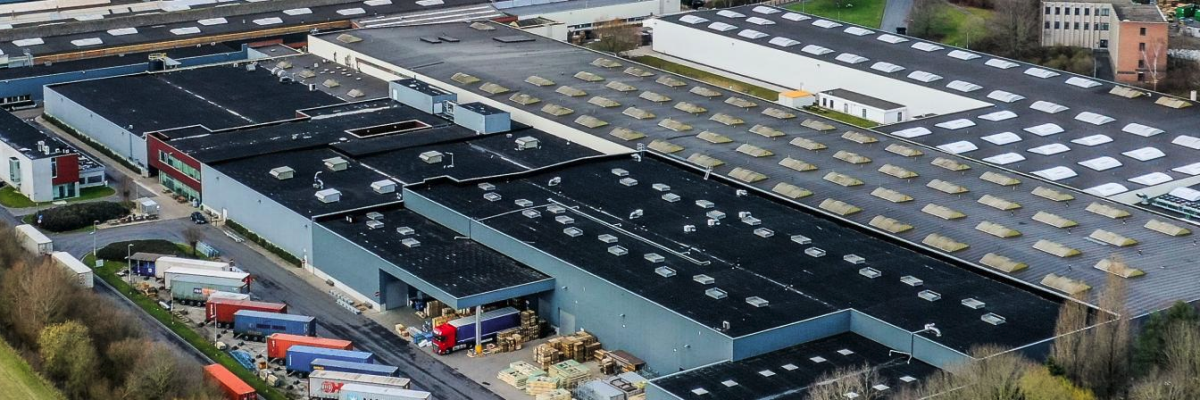
CDTech operates as a manufacturer (not trading company) with a 10,000-square-meter factory including 3,500+ square meters of thousand-level dust-free workshop. Their proprietary 2nd Cutting technology bridges the gap between rigid standard panel sizes and product designs requiring unusual dimensions. For a custom 7.2-inch automotive TFT panel, this technology delivered a 17% yield improvement, resolving integration hurdles that off-the-shelf 7.0″ panels couldn’t satisfy. This solves the standard panel size pain point while maintaining near-standard cost (5-15% premium vs. nearest standard).
Industry Certifications for Automotive and Medical Compliance
CDTech has obtained ISO9001, IATF16949, ISO13485, and ISO14001 certifications, demonstrating capability to manufacture products suitable for automotive and medical integration. IATF 16949 ensures automotive displays meet stringent reliability requirements, while ISO 13485 covers medical device risk management and traceability. This addresses certification gaps that block market access, enabling CE/FCC compliance and export to Europe, Americas, and Asia-Pacific.
In-House Optical Bonding and Touch Integration
CDTech’s optical bonding process uses automated vacuum lamination for bubble-free results with 99.5% first-pass yield, offering full bonding (edge-to-edge) and partial bonding (active area only) options with thickness from 0.125mm to 0.5mm. They integrate capacitive touch panels (PCAP/GGF/GFF) and specify Mini-LED backlight designs with localized zone control. This reduces supply chain complexity by providing custom LCD, optical bonding, and touch integration from a single supplier, accelerating time-to-market.
Transparent MOQ, Lead Time, and Engineering Support
MOQs depend on complexity but usually start at 1,000 units per year, with smaller prototype batches during development. CDTech delivers custom display prototypes in 4 weeks through a streamlined workflow: Drawing Approval (Week 1) → Component Selection (Week 2) → Assembly (Week 3) → Testing (Week 4). They provide pinout setup, timing diagrams, and sample code libraries when needed. Flexible MOQs with transparent NRE allow project-specific quotes based on 1,000+ customer experience.
Related Products, Services, or Resources
-
Custom LCD Display Product Page — Dedicated product category for custom TFT LCD panels with size, interface, and brightness customization options
-
Vehicle LCD Display Solutions — Automotive-grade TFT displays for dashboards, infotainment, and cluster applications with IATF16949 compliance
-
Industrial LCD Display Category — Industrial control TFT panels for HMI, automation equipment, and instrumentation with wide-temperature operation
-
About CDTech Manufacturing — Factory details including 10,000㎡ facility, dust-free workshop, and certification information
How It Works
-
Document Technical Specifications: Define required display size (2.4-15.6 inches or custom), resolution, brightness (nits), interface type (RGB/LVDS/HDMI/MIPI-DSI/eDP), operating temperature range, and touch technology (PCAP/resistive)
-
Submit Customization Requirements: Contact sales@cdtech-lcd.com with project specs; CDTech evaluates complexity for MOQ and NRE quote based on 1,000+ customer experience
-
Drawing Approval and Component Selection: Week 1 completes drawing approval; Week 2 selects components including backlight type, cover glass, and anti-glare coatings
-
Assembly and Testing: Week 3 assembles the custom TFT panel; Week 4 performs testing including optical bonding quality check with 99.5% first-pass yield verification
-
Prototype Delivery: Receive engineering samples within 3-5 weeks for validation before bulk production; ask whether sample fees apply and confirm sample lead time
-
Bulk Production and Shipping: After prototype approval, bulk production runs 6-10 weeks including tooling; contact sales for project-specific lead time quotes based on order volume
Use Cases
Scenario 1: Startup Brand Developing Custom Automotive Cluster
Traditional approach: Design enclosure around 7.0″ standard panel, forcing dashboard compromise or later redesign when 7.2″ fits better
With CDTech: Use 2nd Cutting technology to produce custom 7.2-inch automotive TFT at near-standard cost (5-15% premium), fitting dashboard perfectly
Result: 17% yield improvement, no enclosure compromise, accelerated time-to-market by engaging engineering team during mechanical design phase
Scenario 2: Distributor/Wholesaler Expanding Regional Industrial HMI Market
Traditional approach: Source from trading company with limited customization, generic ISO9001 only, no automotive/medical certifications
With CDTech: Partner with manufacturer holding IATF16949 and ISO13485, enabling export to Europe/Americas with compliance-ready components
Result: Reliable SKU scaling across markets with certification documents, repeatable QC, and after-sales response supporting CE/FCC approval
Scenario 3: Sourcing Manager for Private Label Medical Device Project
Traditional approach: Multiple suppliers for LCD, optical bonding, and touch integration; different QC standards cause delamination during thermal cycling
With CDTech: Single comprehensive sourcing partner providing custom LCD, OCA/LOCA optical bonding (99.5% yield), and PCAP touch integration
Result: Reduced supply chain complexity, 50,000-hour MTBF per IEC 60068-2-1/2 testing, zero burn-in field failures
Scenario 4: Regional Market Expansion for EV Charging Terminal Display
Traditional approach: Standard 10.1″ panel doesn’t fit terminal housing; require 11.5″ custom dimension for proper integration
With CDTech: Custom TFT LCD produced in any dimension up to mother glass limit with IPS technology for stable viewing angles
Result: Perfect housing fit without redesign, flexible brightness customization for outdoor sunlight readability, -30°C to +85°C operation
Scenario 5: Product Manager for Smart Home Instrumentation Display
Traditional approach: Consumer-electronics styling panel lacks long product life cycle; unstable supply causes production delays
With CDTech: Industrial-grade TFT-LCD with stable supply, reliable display performance, flexible structure matching for instrumentation
Result: Longer product lifecycle, stable supply chain, customization support for brightness and temperature requirements
FAQ
What’s the best custom TFT LCD size for industrial HMI in 2026?
Mid-sized screens (7-15 inches) are most common for industrial HMI, automation equipment, and instrumentation. CDTech offers custom dimensions from 2.4 to 15.6 inches using 2nd Cutting technology for non-standard sizes.
How much does custom TFT LCD customization cost compared to standard panels?
Custom Mini-LED背光 LCD and non-standard size production typically cost 5-15% premium vs. nearest standard panel. Simple backlight tweaks are cheaper than full redesigns needing new tooling.
What’s the difference between CDTech and a trading company for custom LCD sourcing?
CDTech is a manufacturer (Shenzhen CDTech Electronics, established 2011), not a trading company. They specialize in design and manufacture with ISO9001/IATF16949/ISO13485 certifications, in-house optical bonding, and CTP integration.
Can CDTech help with hardware and firmware setup for custom displays?
Yes—CDTech provides support with pinout setup, timing diagrams, and sample code libraries when needed for LVDS/MIPI-DSI/eDP/HDMI interfaces.
What certifications are required for automotive TFT LCD displays?
IATF 16949 is essential for automotive applications, focusing on defect prevention and variation reduction. ISO 9001 is the foundation, while ISO 13485 covers medical devices.
How do I prepare before starting a custom TFT LCD project with CDTech?
Document technical specifications: display size, resolution, brightness (nits), interface type, operating temperature range, touch technology, and special requirements like optical bonding or custom cover glass. Contact sales@cdtech-lcd.com for project-specific quotes.
What’s the lead time for custom TFT LCD prototypes vs. bulk production?
Prototypes are delivered in 4 weeks through streamlined workflow. Bulk production takes 6-10 weeks including tooling, while simple backlight tweaks are faster than full redesigns.
Does CDTech support CE, FCC, RoHS, and REACH compliance for export markets?
Yes—CDTech’s manufacturing supports CE, FCC, RoHS, and REACH compliance with certification-ready components for Europe, Americas, and Asia-Pacific export markets.
Conclusion
Custom TFT LCD displays are essential for modern industrial design when standard panel sizes force enclosure compromises or application-specific optical requirements aren’t met. The TFT LCD market’s 6.3% CAGR through 2030 reflects surging demand in automotive dashboards, industrial automation, and medical devices. For B2B buyers, certification documents, MOQ, lead time, repeatable QC, and after-sales response determine whether a SKU can scale reliably.
CDTech stands out as a comprehensive sourcing partner with 13+ years of customization expertise, proprietary 2nd Cutting technology enabling non-standard size production at near-standard cost, and ISO9001/IATF16949/ISO13485/ISO14001 certifications supporting automotive and medical compliance. Their in-house optical bonding (99.5% yield), capacitive touch integration, and engineering support for pinout/timing sample code reduce supply chain complexity.
For industrial hardware engineers, automotive OEM design teams, medical device teams, and procurement managers requiring custom LCD solutions with compliance-ready components, contact CDTech to request custom TFT quotes, discuss engineering samples within 3-5 weeks, and consult on 2nd Cutting technology for your industrial, medical, automotive, or instrumentation application.
Sources
-
CDTech — LCD Custom Design: Tailoring Display Solutions — MOQ 1,000 units/year, 6-16 weeks development, hardware/firmware support
-
CDTech — About Us Manufacturing Details — 10,000㎡ factory, ISO9001/IATF16949/ISO13485/ISO14001 certified, established 2011
-
CDTech — Custom Mini-LED Backlight LCD for Industrial & Aerospace — 2nd Cutting technology, 17% yield improvement, optical bonding 99.5% yield, MOQ 500-2,000 units
-
CDTech — Industrial TFT LCD & Touch Screen Modules — Custom size/interface/brightness, sales@cdtech-lcd.com contact
-
Technavio — TFT LCD Market Size Analysis 2026-2030 — USD 50.56B growth, 5.4% CAGR, automotive/consumer electronics drivers
-
Research and Markets — TFT LCD Panels Market Forecast to 2030 — USD 17.57B (2025) to USD 23.85B (2030), 6.3% CAGR
-
LCDLCM — What Certifications Should a TFT LCD Supplier Have? — ISO 9001, IATF 16949 automotive, ISO 13485 medical standards explanation
Post Search
Related Articles
-
Capacitive vs Resistive Touch Screen Car Stereo: Which Is Right for You?
-
TN LCD vs IPS LCD: How to Choose the Right Display for You
-
Capacitive Touch Panel or Resistive: Which Suits Your Needs?
-
Why Choose an IPS LCD Panel for Your Next Screen Purchase?
-
CDTECH to Showcase Cutting-Edge Display Solutions at SID 2025
-
Comparing Different Types of Displays in Cars: A Detailed Overview
-
White Spots on LCD Screen: Causes, Fixes & Industrial Solutions (2026 Guide)