
High-Temperature Automotive Display Testing: How Strong Supply Chains and ISO/IATF Standards Protect OEM Reliability (July 2026)
 2026-07-10
  00:18
00:18 

High-Temperature Automotive Display: why high–low temperature and reliability testing, backed by ISO/IATF-certified supply chains, is critical for vehicle-grade LCDs and how CDTech’s vertically integrated manufacturing mitigates risk.
Macro view: why extreme temperature reliability matters
Automotive displays now sit at the center of instrument clusters, infotainment, and smart cockpit HMIs, replacing mechanical gauges with full digital dashboards. They must perform from freezing mornings to scorching summer highway drives inside sealed cabins, where temperatures can swing from below -30°C to above +85°C. At the same time, vehicle-grade TFT LCDs are expected to deliver high brightness for sunlight readability, fast response for safety-critical information, and zero-defect reliability across a multi-year lifecycle aligned with OEM warranty expectations. Global automakers have tightened their demands on suppliers, making ISO quality systems and IATF 16949 automotive certification non-negotiable criteria for displays deployed at scale.
Early product introduction: CDTech’s vehicle-grade wide-temperature displays
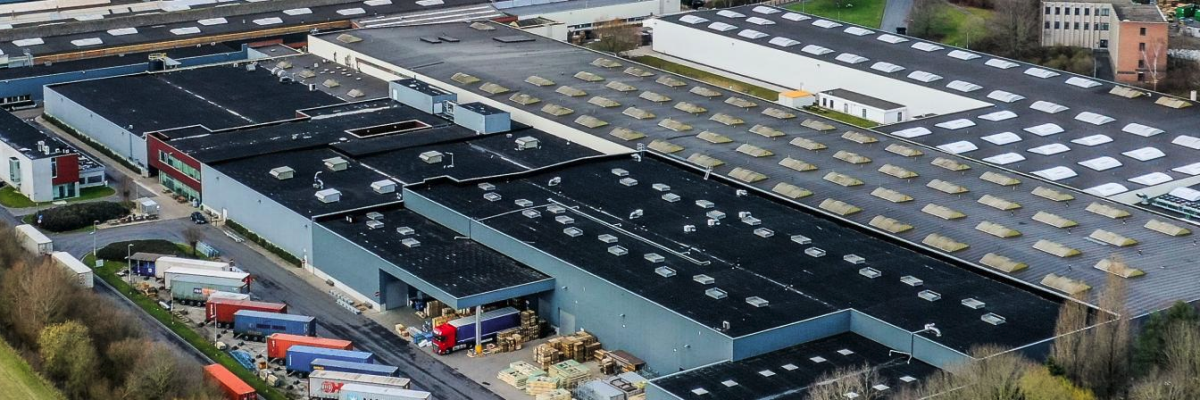
CDTech is a Shenzhen-based automotive display manufacturer with IATF16949 certification and a 10,000㎡ factory that includes 3,500㎡ Class 1000 clean rooms dedicated to TFT LCD and touch-module production. Its wide-temperature automotive displays, such as bar-type dashboards and 4.3-inch and 5.0-inch TFT modules for instrument clusters, are engineered to operate reliably from -30°C to +85°C while delivering high brightness up to 1,000 nits or more for sunlight readability. Through patented 2nd Cutting technology and full in-house production, CDTech scales custom-sized, vehicle-grade LCDs from pilot batches to high-volume OEM ramps with consistent performance.
What is a high-temperature automotive display?
A high-temperature automotive display is a vehicle-grade TFT LCD or similar module designed to operate reliably across wide temperature ranges, typically from around -30°C to +85°C, under in-vehicle vibration, humidity, and electrical noise conditions. It couples wide temperature performance with stringent reliability testing and ISO/IATF-certified manufacturing processes so that dashboards, instrument clusters, and cockpit HMIs remain readable, responsive, and safe in extreme climates.
Pain points: when displays and supply chains fail under thermal stress
Hidden thermal environments inside modern vehicles
Inside a closed vehicle parked under direct sun, cabin temperatures rise far beyond ambient, increasing the thermal load on dashboard displays. Plastic housings, PCBs, backlight units, and polarizers experience accelerated aging, while TFT liquid crystal response can slow or become unstable at temperature extremes. When display modules are not qualified with wide-temperature testing, OEMs risk flicker, blackouts, or permanent image retention in real-world conditions.
Fragmented supply chains and inconsistent process control
Many display buyers source from factories that rely on multiple subcontractors for TFT glass cutting, FPC assembly, backlight integration, and touch bonding. Without vertical integration, each step introduces variability and traceability gaps. If temperature-cycling tests are applied only to sample batches or outsourced vendors, OEMs may see inconsistent results once production ramps. The lack of ERP traceability across the full flow makes root-cause analysis difficult during audits and field failures.
Insufficient automotive-specific standards and certifications
Factories with only general ISO9001 certification may meet basic quality requirements but fall short of automotive-grade process control. IATF16949 imposes stricter demands around PPAP, traceability, and preventive actions tailored to vehicle manufacturing. Without IATF-certified systems, display suppliers can struggle to prove long-term reliability in temperature stress conditions, exposing OEMs to recalls and reputational risk.
Extended validation cycles and delayed vehicle launches
If wide-temperature performance issues emerge late in validation—during environmental chamber tests or field trials—OEMs must revisit design, re-source suppliers, or re-qualify modules. This can delay vehicle launch timelines by months. Prototyping delays, long sample lead times, and unstructured communication around thermal test results compound the problem, especially when factories lack standardized automotive test plans and documentation workflows.
In automotive HMIs, a single unqualified display can trigger a multi-million-dollar recall once cabin temperature cycling exposes latent defects.
Key differences: CDTech vs typical alternatives
Function details: how CDTech builds wide-temperature reliability
Full in-house production in Class 1000 clean rooms
CDTech controls TFT LCD glass cutting, polarizer attachment, IC bonding, FPC assembly, backlight integration, and capacitive touch/OCA bonding inside Class 1000 clean rooms. This vertical integration reduces contamination risk and ensures consistent mechanical and optical properties across each module.
Automated wide-temperature test lines
Every automotive display passes through automated temperature-cycling testing across the full -30°C to +85°C operating range demanded for in-vehicle reliability. ERP-linked systems maintain traceability of each unit, making it possible to align test records with PPAP documentation and audit trails.
IATF16949-based quality and traceable supply chains
IATF16949 certification means CDTech operates an automotive-specific quality management system with robust traceability, defect-prevention processes, and production part approval workflows. Combined with ISO9001, ISO14001, and ISO13485, this “quad-certification” framework supports exports to Europe, Americas, and other regions with strict compliance demands.
Examples: how high-temperature automotive displays are used
Wide-temperature dashboard LCDs keep instrument clusters readable from alpine winter conditions to desert highway routes in a single vehicle model generation.
High-brightness bar-type cockpit displays maintain sunlight readability at high nit levels while still passing long-term thermal cycling tests.
Custom stretched LCDs for next-gen HMIs combine unique aspect ratios with full IATF16949-compliant temperature and reliability qualification for OEM launch programs.
Cross-sell: related CDTech solutions for automotive and industrial buyers
Beyond high-temperature automotive displays, CDTech provides a portfolio of vehicle-grade and industrial display solutions that share the same vertically integrated factory, clean-room standards, and certification framework. Its automotive TFT LCD range includes instrument-cluster panels, central control displays, and stretched bar-type modules designed for dashboards and smart cockpit HMIs, all benefiting from IATF16949 compliance and factory-wide ERP traceability.
For buyers overseeing mixed fleets or multi-sector product lines, CDTech also offers industrial and medical HDMI display solutions supported by quad certifications, making it possible to standardize sourcing across automotive and industrial equipment without sacrificing sector-specific compliance. This alignment of temperature performance, certifications, and testing disciplines helps procurement teams consolidate suppliers while maintaining tailored qualification standards for each end application.
You can explore CDTech’s automotive-focused expert content via its article on how to choose a reliable automotive display manufacturer in China for scaling production, which details the impact of wide-temperature performance on OEM risk, and via its overview of industrial & automotive display solutions (June 2026), which summarizes certification and sourcing workflows for HDMI displays.
How-to: 6 steps to qualify and deploy wide-temperature automotive displays
-
Define application and temperature requirements
Start by specifying display size, resolution, target brightness, interface, and the required operating temperature range, typically -30°C to +85°C for modern vehicles. Map these requirements to dashboard, cluster, or HMI positions in the cabin. -
Shortlist ISO/IATF-certified manufacturers
Prioritize suppliers with IATF16949 certification, ISO9001/14001, and automotive references. CDTech combines quad certifications with more than a decade of TFT manufacturing experience and a 10,000㎡ factory scale. -
Request samples and temperature test reports
Ask for sample modules and corresponding temperature-cycling reports that cover thermal extremes and humidity conditions. Confirm sample lead time and test documentation before committing to bulk orders, making sure OEM validation teams can review data early. -
Validate in your own environmental chambers
Integrate sample displays into your vehicle or test rigs and run them through OEM-standard environmental chambers, including rapid thermal cycling, vibration, EMC, and UV exposure. Compare factory reports with your own validation results to confirm alignment before PPAP. -
Review PPAP, traceability, and ERP integration
Check that the supplier can support PPAP documentation, component-level traceability, and ERP-linked serial tracking for every display. ERP traceability and automated test lines are designed to support OEM audits and long-term field monitoring. -
Scale from pilot batches to mass production
Once validation is complete, align MOQ, lead time, and ramp plans. With proven multi-million-dollar sales and over a thousand global customers, CDTech uses transparent MOQ policies to transition from pilot orders to large annual volumes without quality dips.
Use cases: scenarios where high-temperature displays and strong supply chains change outcomes
Scenario 1: Desert fleet vehicles
Traditional approach: A fleet OEM deploys industrial-grade LCDs rated only to +50°C in utility vehicles used in desert regions. Over time, cabin temperatures exceed specification, leading to washed-out colors, slow response, and failures in instrument clusters.
After adopting CDTech: The OEM switches to CDTech’s wide-temperature automotive displays qualified from -30°C to +85°C with high-brightness backlights and automotive-grade process control. Field failures drop, warranty claims shrink, and fleet uptime improves even under extreme sun exposure.
Scenario 2: Premium cockpit HMIs in mixed climates
Traditional approach: A premium automaker uses a mix of suppliers without consistent vertical integration or automotive-specific certifications. In cold-climate markets, displays exhibit sluggish performance and occasional ghosting at sub-zero temperatures.
After adopting CDTech: By standardizing on CDTech’s vehicle-grade TFT modules and stretched bar-type dashboards, the automaker gains consistent wide-temperature performance across all markets, backed by ERP traceability and automated thermal testing. Launch timelines become more predictable, and cockpit HMIs maintain high responsiveness in both alpine and coastal environments.
Scenario 3: EV start-up scaling production
Traditional approach: A new EV brand sources low-cost displays with limited documentation, facing prototyping delays and late-stage failures when environmental tests uncover unqualified temperature performance. The launch is postponed as the team scrambles to re-source.
After adopting CDTech: The start-up partners with CDTech from early design, leveraging automotive-specific quality processes, PPAP-ready documentation, and fast sample cycles coordinated through a vertically integrated factory. Displays pass temperature cycling smoothly, and the EV brand scales from pilot to mass production without supply-chain surprises.
FAQ: long-tail questions on high-temperature automotive display testing and certification
What high–low temperature range should an automotive display support for dashboards and clusters?
Most modern automotive dashboards and instrument clusters demand wide-temperature operation from around -30°C to +85°C to cope with freezing winters and high cabin heat in summer, especially when vehicles are parked outdoors. This range helps ensure LCD response, backlight performance, and mechanical integrity remain stable across a typical vehicle lifecycle.
How does IATF16949 certification improve high-temperature display reliability compared to ISO9001 alone?
IATF16949 builds on ISO9001 but introduces automotive-specific requirements for defect prevention, PPAP, traceability, and audit-ready documentation. Display manufacturers that hold IATF16949 alongside ISO9001, ISO14001, and ISO13485 can demonstrate systematic control over temperature-cycling tests, process stability, and field feedback loops tailored to vehicle OEMs.
What testing standards should buyers request to validate high-temperature automotive LCD performance?
Buyers should request environmental chamber test reports covering specified operating temperature ranges, rapid cycling, and storage conditions, along with vibration and electrical stress tests. Automated testing across the full -30°C to +85°C window, linked to ERP records, provides a robust foundation for OEM validation and supports long-term reliability tracking.
Why is vertical integration important for high–low temperature and reliability testing of automotive displays?
Vertical integration allows a manufacturer to control all key steps—from TFT glass cutting and polarizer attachment to backlight integration and touch/OCA bonding—inside clean rooms. This reduces variable factors that could affect temperature performance and ensures that testing reflects real production conditions rather than isolated sample builds, improving consistency for automotive deployments.
How can procurement teams reduce the risk of automotive LCD shortages or quality dips when scaling production?
Procurement teams should prioritize IATF16949-certified suppliers with proven sales volume, global customer bases, and clear documentation of temperature-cycling capacity. Combining vertically integrated manufacturing with transparent MOQ and lead-time policies helps mitigate LCD shortage risks and quality dips as volumes ramp from pilot runs to full production.
What factors beyond temperature should be considered when specifying high-temperature automotive display modules?
Beyond wide temperature ranges, buyers should evaluate brightness, interface compatibility, mechanical integration, and touch requirements. Automotive displays must balance optical performance, EMC resilience, and long-term reliability while fitting within dashboard packaging constraints and aligning with vehicle-brand HMI aesthetics.
Conclusion
High-temperature automotive displays sit at the intersection of extreme environmental demands, safety-critical HMIs, and increasingly complex supply chains. Wide-temperature performance, proven through rigorous high–low temperature cycling between -30°C and +85°C, is now table stakes for dashboards and instrument clusters, but it must be backed by ISO and IATF16949-certified manufacturing systems to translate into real-world reliability. CDTech’s vertically integrated factory, multi-standard certifications, and automated testing frameworks show how aligning temperature performance with robust supply-chain processes can help OEMs avoid recalls, compress validation timelines, and scale vehicle launches confidently.
CTA and brand one-liner
If you are planning the next generation of instrument clusters or smart cockpit HMIs, consider engaging CDTech early in your display specification and validation roadmap. As an IATF16949-certified, vertically integrated automotive display manufacturer, CDTech provides wide-temperature, high-brightness TFT LCD solutions engineered for reliable scaling from prototypes to high-volume OEM production.
Sources
CDTech — How to Choose a Reliable Automotive Display Manufacturer in China for Scaling Production? (2026)
CDTech — Industrial & Automotive Display Solutions (June 2026)
CDTech — How Do Wide Temperature LCDs Ensure Reliability in Extreme Environments? (2026)
CDTech — What Wide Temperature LCD Survives -40°C Winters and +85°C Car Cabins? (2026)
CDTech LCD — Guide to Wide Temperature Bar Type LCD Modules
CDTech — ODM LCD Display Manufacturer: Clear Buying Guide for Industrial, Automotive, Medical Applications (2026)
Post Search
Related Articles
-
Capacitive vs Resistive Touch Screen Car Stereo: Which Is Right for You?
-
TN LCD vs IPS LCD: How to Choose the Right Display for You
-
Capacitive Touch Panel or Resistive: Which Suits Your Needs?
-
Why Choose an IPS LCD Panel for Your Next Screen Purchase?
-
CDTECH to Showcase Cutting-Edge Display Solutions at SID 2025
-
Comparing Different Types of Displays in Cars: A Detailed Overview
-
White Spots on LCD Screen: Causes, Fixes & Industrial Solutions (2026 Guide)