

How Does CDTech’s LCD ECN Process Minimize Production Downtime?
 2026-04-14
  00:09
00:09 

CDTech’s LCD ECN process enables seamless post-launch design changes without halting production, using patented 2nd Cutting technology for custom TFT LCD sizes. It follows six steps from ERP request to integration, proven with 1,000+ customers and $30M+ 2023 sales.
Check: How to Develop a Custom LCD Display: 8 Steps from Inquiry to Production
What Is an ECN and Why Does It Matter for Custom LCD Displays?
An ECN (Engineering Change Notice) is formal documentation for post-launch modifications like TFT LCD design revisions, touch screen updates, or size tweaks in industrial and automotive applications. Poor ECN management risks production downtime, high NRE costs, and supply chain disruptions, critical for OEMs with ongoing lines. CDTech’s full vertical integration supports these changes without external dependencies.
How Does CDTech’s Patented 2nd Cutting Enable Post-Launch Updates?
CDTech’s 2nd Cutting technology, patented in 2017, allows unique LCD dimensions like bar-type from standard panels mid-lifecycle, minimizing scrap and enabling TFT LCD design revisions without new tooling. In-house cutting in 3,500㎡ Class 1000 cleanrooms ensures zero contamination for custom LCD ECN management, supporting embedded display updates across 391+ SKUs for automotive and industrial uses.
What Are the 6 Steps in CDTech’s LCD ECN Process?
CDTech’s LCD ECN process includes: 1) Submit request via ERP or sales@cdtech-lcd.com for changes like brightness or touch. 2) Engineering impact review using vertical integration. 3) Low MOQ/NRE quote (e.g., 500 units). 4) Prototype in cleanrooms. 5) Validate with traceability. 6) Integrate into ongoing production without stops.
| Aspect | Standard Suppliers | CDTech Advantage |
|---|---|---|
| Custom Size Changes | New tooling (high NRE) | Patented 2nd Cutting (low cost) |
| Production Impact | Full line stop | Zero downtime (vertical integration) |
| Certifications | Basic ISO | Quad (IATF16949/ISO13485 for automotive/medical) |
| Scalability | Limited SKUs | 391+ SKUs, 1,000+ customers |
Why Is Vertical Integration Key for Industrial Display ECN?
CDTech’s 10,000㎡ facility with 3,500㎡ Class 1000 cleanrooms handles industrial display ECN from panel cutting to OCA bonding, reducing lead times for revisions. No third-party delays ensure continuity for high-volume runs, as shown by $30M+ 2023 sales. Ideal for automotive LCD change orders with IATF16949 certification.
CDTech Expert Views
“Our patented 2nd Cutting technology and ERP system make the touch screen ECN process invisible to your production lines—over 1,000 clients worldwide rely on it for seamless updates,” says Senior Engineer at CDTech. In one case, an automotive client revised a dashboard display mid-launch with zero downtime using 2nd Cutting for custom bar-type sizes. An industrial HMI project updated specs for higher brightness without halting assembly, thanks to in-house vertical integration from LCD cutting to OCA bonding.
How Do Certifications Ensure Reliable Post-Launch Modifications?
CDTech’s quad certifications—ISO9001 for quality, ISO14001 for environment, ISO13485 for medical, IATF16949 for automotive—back 35 software patents and 44+ utility/invention patents. They ensure traceable ECN compliance, reducing audit risks in regulated sectors and outperforming competitors without display-specific vertical integration.
What Results from CDTech’s ECN Management for Global Clients?
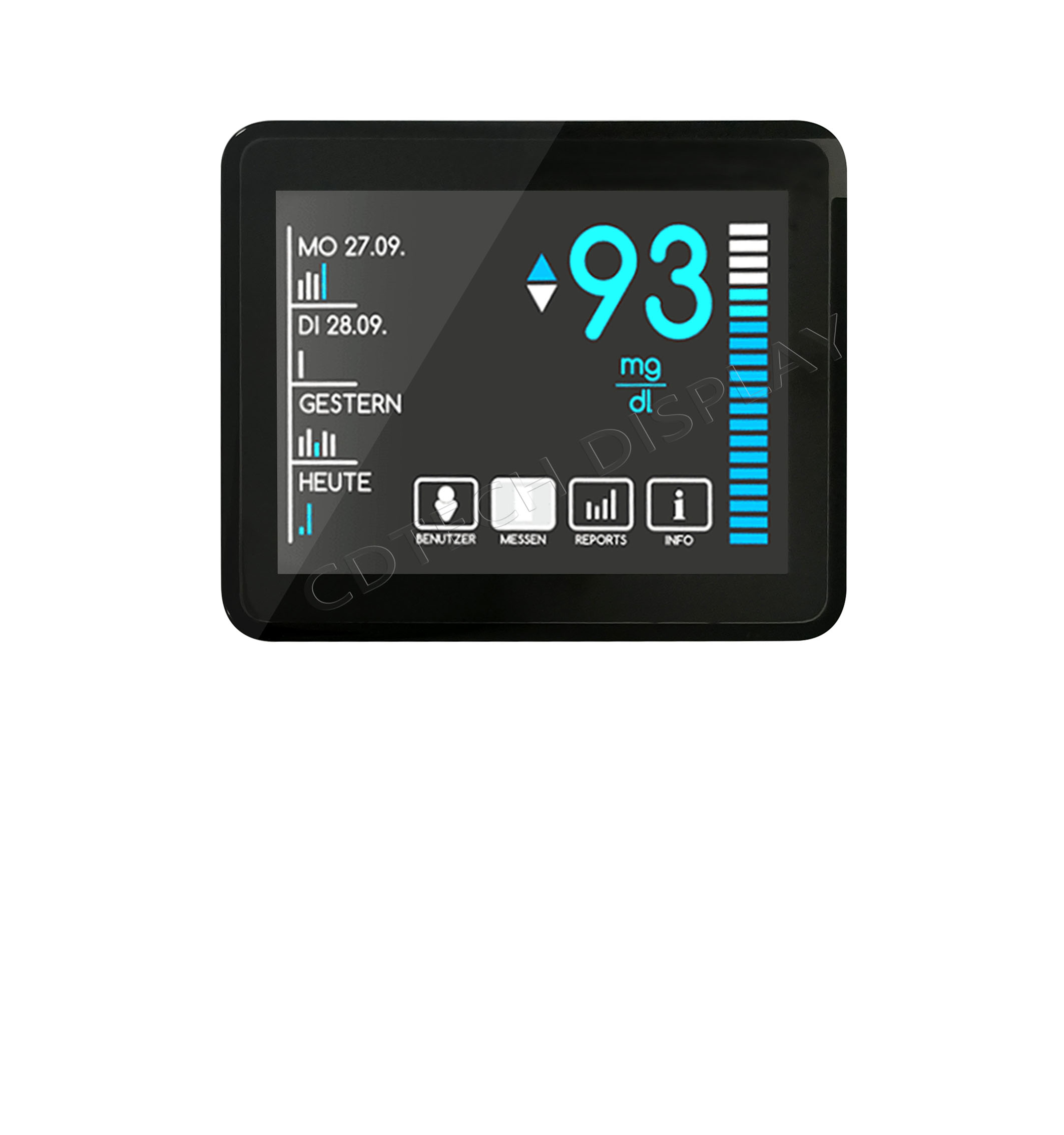
CDTech’s custom LCD ECN management drove $30M+ 2023 sales and serves 1,000+ customers worldwide with zero-downtime revisions for automotive dashboards like the 12.3″ bar HDMI LCD and industrial panels such as the 1.5″ 1000 nits IPS. Proven over 13+ years since 2011 with national high-tech status.
Check: Customization
How Does the LCD ECN Process Support Automotive and Medical Displays?
CDTech’s process handles automotive LCD change orders with IATF16949 certification for wide-temp displays like the 5.0″ 1000 nits IPS at -30°C~+85°C, and medical updates via ISO13485 for modules with 2.5D glass. Vertical integration ensures compliance without production interruptions.
Why Choose CDTech for Touch Screen ECN Processes?
CDTech excels in touch screen ECN processes with full CTP production and OCA bonding in cleanrooms, supporting updates like adding PCAP to existing LCDs such as the 10.1″ 1500 nits IPS. ERP traceability and low MOQ enable seamless integration for industrial HMI and smart home applications.
Conclusion
CDTech’s LCD ECN process delivers uninterrupted production through patented innovations, quad certifications, and vertical integration, serving 1,000+ clients with risk-free design evolution. Update your custom TFT LCD, bar-type, or touch displays today—contact sales@cdtech-lcd.com for transparent MOQ/NRE quotes and start your seamless revision.
FAQs
What is the typical timeline for an LCD ECN process at CDTech?
2-4 weeks from request to integration, thanks to in-house prototyping and 2nd Cutting—faster for minor tweaks like interface changes.
How much are NRE costs for post-launch display design changes?
Low and transparent (e.g., starting under $5K for custom sizes); MOQ as low as 500 units, quoted per case via sales@cdtech-lcd.com.
Can CDTech handle ECNs for automotive or medical displays?
Yes, with IATF16949/ISO13485 certifications ensuring compliance for automotive LCD change orders or medical touch screens like 3.5″ 2.5D glass models.
What if my design change affects touch screen integration?
Full touch screen ECN process supported via CTP expertise and cleanroom assembly—no production halts, as in optical bonded modules like 7.0″ 2300 nits bar LCD.
How do I start an ECN with CDTech?
Email sales@cdtech-lcd.com or use the ERP portal; initial review is free, with engineering partnership from prototype to rollout.
Post Search
Related Articles
-

Capacitive vs Resistive Touch Screen Car Stereo: Which Is Right for You?
-

TN LCD vs IPS LCD: How to Choose the Right Display for You
-

Capacitive Touch Panel or Resistive: Which Suits Your Needs?
-

Why Choose an IPS LCD Panel for Your Next Screen Purchase?
-

CDTECH to Showcase Cutting-Edge Display Solutions at SID 2025
-

Comparing Different Types of Displays in Cars: A Detailed Overview
-
White Spots on LCD Screen: Causes, Fixes & Industrial Solutions (2026 Guide)