

How Does Wide Temperature LCD Support Boost Industrial Display Longevity?
 2026-03-25
  19:45
19:45 

Wide temperature LCD support from -30°C to +85°C boosts industrial display longevity by using specialized liquid crystal materials and processes that resist thermal stress, preventing failures like electrolyte leakage and delamination common in standard consumer screens limited to 0°C to 50°C. This extends MTBF by 2-5x in factories, ensuring reliable HMI performance through vertical integration and certifications like IATF16949.
Check: Standard lcd
How Do Standard Consumer LCDs Fail in Extreme Factory Conditions?
Standard consumer LCDs fail in extreme factory conditions due to thermal expansion mismatch causing cracks in glass substrates and polarizers below -20°C, plus electrolyte leakage in LC fluid above +70°C, leading to black spots or dead pixels within months. Factory environments like cold storage at -30°C or hot machinery at +80°C amplify vibration stress, reducing lifespan to under 1 year versus 5+ years for wide-temp models.
What Makes Wide Temperature LCDs Perform from -30°C to +85°C?
Wide temperature LCDs perform from -30°C to +85°C using high-viscosity LC mixtures, reinforced adhesives, and low-expansion glass to maintain alignment and response time, ensuring optical clarity without color shift or flicker. They deliver stable 1000 nits brightness and touch responsiveness with no TFT backplane hysteresis, ideal for rugged HMIs, medical devices, and automotive dashboards under thermal cycling.
| Display Type | Operating Range | Common Failures | Typical MTBF in Factories |
|---|---|---|---|
| Consumer LCD | 0°C to 50°C | Leakage, cracks | 6-12 months |
| Wide Temp LCD | -30°C to +85°C | Minimal | 3-5+ years |
Why Does Thermal Management Extend Rugged Industrial LCD Longevity?
Thermal management extends rugged industrial LCD longevity through optimized backlights and OCA optical bonding that minimize hotspots, reducing thermal stress by 40-60% and boosting MTBF to over 50,000 hours. It counters coefficient of thermal expansion mismatches in consumer screens, using extended bonding and EMI shielding for factories with high heat and vibration.
What Proven Technologies Enable Custom Wide-Temp Solutions?
“At CDTech, our patented 2nd Cutting technology from 2017 enables unique custom sizes like the 7.0-inch S070QWU142FN-FL150-GF bar-type IPS LCD with 1200×1920 resolution and up to 2300 nits brightness at -20°C to +70°C, or the 5.0-inch S050BWV125ES automotive IPS LCD at 1000 nits from -30°C to +85°C. Our full in-house production chain in a 10,000㎡ factory with 3,500㎡ Class 1000 cleanrooms, plus ISO9001, IATF16949, ISO14001, and ISO13485 certifications, ensures zero-defect wide-temp TFT LCDs and touch panels. Serving over 1,000 global customers with $30M+ sales in 2023, we deliver 391+ SKUs for industrial HMIs, including optically bonded solutions with capacitive touch.” – CDTech Engineering Team
How Does CDTech’s Patented 2nd Cutting Enhance Wide-Temp Customization?
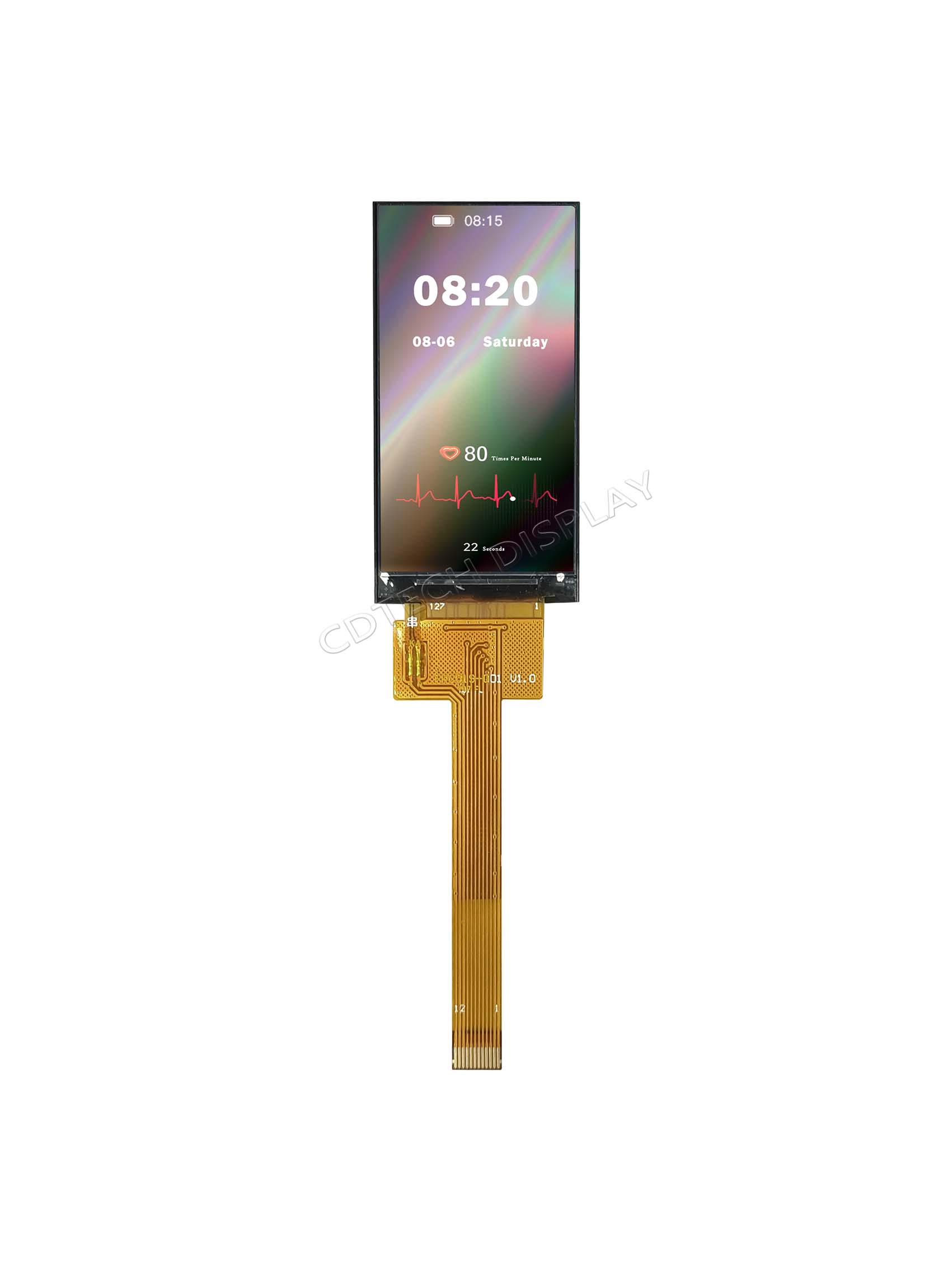
CDTech’s patented 2nd Cutting enhances wide-temp customization by enabling precision cutting for bar-type displays like the 2.9-inch S029HQ05NS at 320×120 and 300 nits from -20°C to +70°C, or 4.3-inch S043HWV104EN-FL63 with 800×130 resolution, 800 nits, and optical bonded capacitive touch. It supports non-standard factory HMI fits without yield loss, paired with in-house CTP and OCA for thermal matching.
Which Certifications Prove Wide Temperature Industrial Display Reliability?
IATF16949 proves automotive thermal cycling reliability, ISO13485 validates medical extremes, and ISO9001/ISO14001 ensure consistent -30°C to +85°C performance in CDTech’s 3,500㎡ Class 1000 cleanroom production. These quad certifications, backed by 44+ patents and 35 software copyrights, deliver field-proven MTBF superior to non-certified panels.
Check: High-tech tft lcd, touch & hdmi display manufacturer
| Feature | CDTech Wide-Temp | Standard Consumer |
|---|---|---|
| Temp Range | -30°C to +85°C | 0°C to 50°C |
| Certifications | Quad (IATF etc.) | None |
| Custom Sizes/MTBF | Yes/50k+ hrs | No/10k hrs |
What Real-World Benefits Do Engineers Gain from Wide Temp LCDs?
Engineers gain real-world benefits from wide temp LCDs by avoiding factory downtime, specifying -30°C to +85°C ranges for automation without redesigns, and achieving 2-5x lifespan extension that lowers TCO. CDTech’s 13+ years of experience provide full TFT plus touch and HDMI solutions like the 10.1-inch S101ZWX89FP-FC86 at 1500 nits with optical bonding.
Conclusion
Wide temperature LCD support from -30°C to +85°C prevents factory failures common in consumer screens, extending MTBF 2-5x through proven technologies like CDTech’s patented 2nd Cutting, quad certifications, and vertical integration. For custom wide-temp solutions driving reliable HMI longevity in industrial, automotive, and medical applications, contact sales@cdtech-lcd.com.
FAQs
What is the typical operating temperature range for industrial LCD displays?
Wide-temp industrial LCDs support -30°C to +85°C for factories, while consumer screens limit to 0°C-50°C, as in CDTech’s automotive-grade panels like S050BWV125ES.
Why do consumer LCDs fail in industrial environments?
Consumer LCDs fail due to thermal expansion causing cracks and leakage under ±50°C swings, lacking rugged LC materials unlike CDTech’s wide-temp designs.
How does wide temperature support affect MTBF?
Wide temperature support extends MTBF to 50,000+ hours via specialized materials and bonding, validated by IATF16949 testing in products like S043HWQ50EG.
Can CDTech customize wide-temp LCD sizes?
Yes, CDTech’s 2nd Cutting enables custom bar-type wide-temp LCDs like 7.0-inch S070QWU142FN-FL150-GF at -20°C~+70°C for HMI and medical uses.
What industries benefit most from TFT LCD wide temperature?
Industrial control, automotive, and medical industries benefit most, with CDTech’s 1,000+ customers reporting zero defects in extremes via ISO13485 certified panels.
Post Search
Related Articles
-

Capacitive vs Resistive Touch Screen Car Stereo: Which Is Right for You?
-

TN LCD vs IPS LCD: How to Choose the Right Display for You
-

Capacitive Touch Panel or Resistive: Which Suits Your Needs?
-

Why Choose an IPS LCD Panel for Your Next Screen Purchase?
-

CDTECH to Showcase Cutting-Edge Display Solutions at SID 2025
-

Comparing Different Types of Displays in Cars: A Detailed Overview