

How to Reduce Glare in Automotive Displays for Safer Night Driving?
 2026-04-21
  19:54
19:54 

To reduce glare in automotive displays for safer night driving, implement auto-dimming screens with high-brightness IPS LCDs (1000 nits) paired with ambient light sensors; apply anti-glare coatings and OCA optical bonding to eliminate reflections; integrate night mode via LVDS or MIPI interfaces; and select wide-temperature automotive LCDs operating from −30°C to +85°C. CDTech’s custom stretched-bar automotive displays, such as 12.3-inch models with 900 nits brightness, deliver glare-free dashboards certified to IATF16949 safety standards.
Check: How Do Automotive Bar LCD Displays Modernize Digital Cockpits?
What Causes Glare in Automotive Displays at Night?
Glare in automotive displays emerges when high-brightness LCD panels (designed for daytime sunlight readability at 1000 nits) clash with low-light nighttime environments. Reflections from oncoming headlights, dashboard curvature, and road surfaces amplify scatter on standard untreated LCDs. Additional contributors include direct ambient light entering uncoated glass surfaces and the contrast between bright instrument clusters and dark vehicle interiors, causing driver eye fatigue and visual distraction. These conditions create a significant safety risk during night driving when OEM cockpits demand precise, readable information without visual strain.
How Does Night Mode Improve Driver Safety in Vehicles?
Night mode automatically adjusts display brightness via ambient light sensors, dimming screens from peak daytime levels (1000 nits) to reduced nighttime levels (under 50 nits) while maintaining contrast and text legibility. This adaptive approach reduces pupil dilation stress, minimizes driver distraction, and supports compliance with IATF16949 automotive safety standards. Wide-temperature automotive LCDs operating reliably from −30°C to +85°C ensure consistent night-mode performance across global climates. By preserving readability without glare, night mode enables drivers to maintain focus on road conditions and vehicle data simultaneously.
What Is Auto-Dimming and How to Implement It in Car Screens?
Auto-dimming uses integrated ambient light sensors to detect cabin brightness and trigger PWM (pulse-width modulation) dimming on high-brightness TFT LCD panels. Implementation requires pairing sensors with LVDS or MIPI interfaces that support variable power states, combined with OCA optical bonding to ensure uniform light distribution across curved surfaces. CDTech’s automotive portfolio—including the 5.0-inch S050BWV105EP-FL96-AG with 1000 nits, anti-glare coating, and capacitive touch—demonstrates full vertical integration from LCD cutting to OCA lamination, enabling prototypes within 6–8 weeks. This approach guarantees consistent nighttime dimming without image degradation.
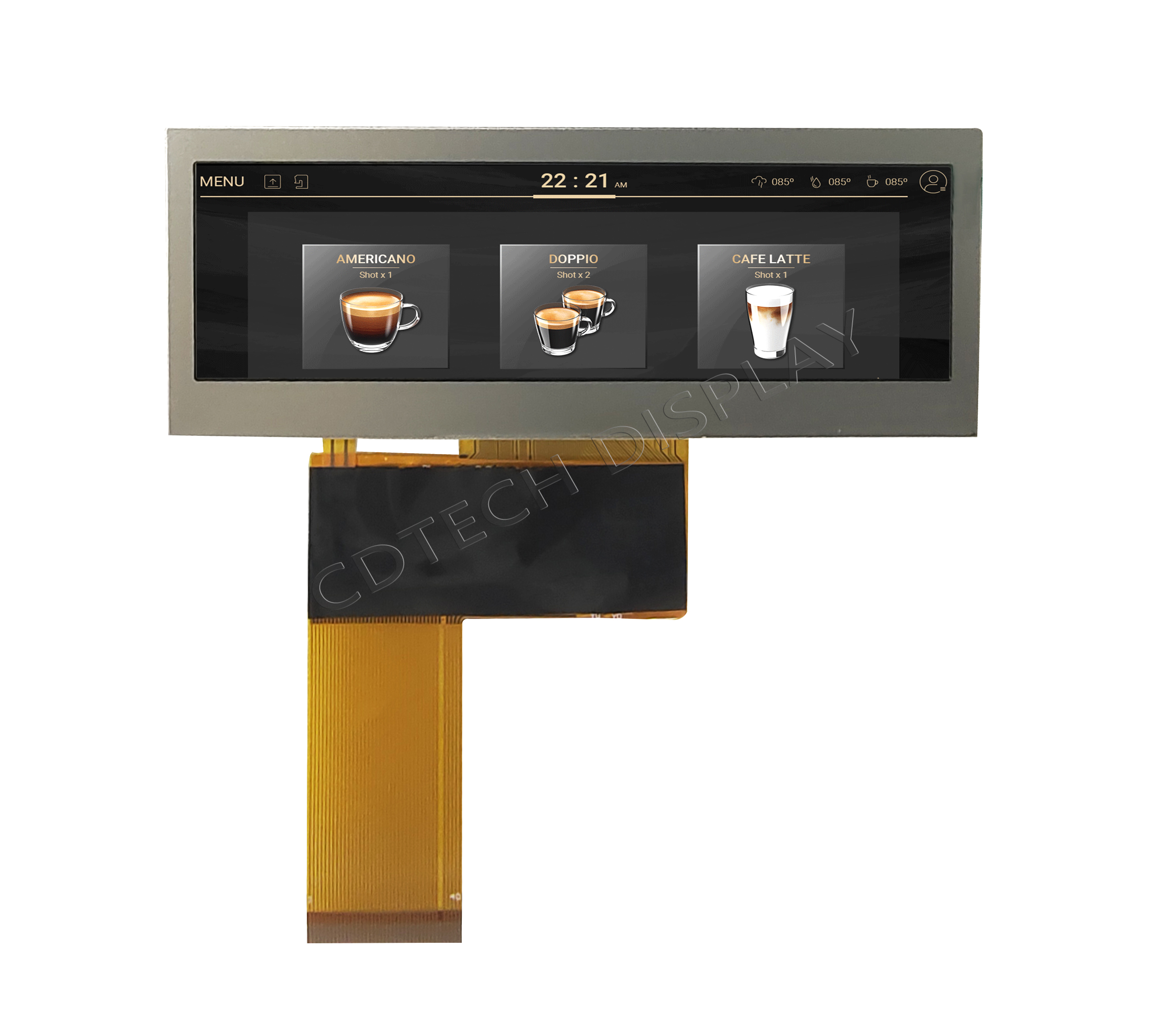
| Technology | Brightness Range | Key Benefit | CDTech Example |
|---|---|---|---|
| Sensor-Based Dimming | 50–1000 nits | Real-time adaptive adjustment | S123BWU11EP-FC19-AF-HDMI09-A (12.3″ bar, 900 nits) |
| AG + OCA Bonding | 300–1500 nits | 70–80% glare reduction | S050BWV105EP-FL96-AG (5.0″ wide-temp, touch) |
| Standard LCD (Untreated) | Fixed 500–800 nits | Not recommended for automotive | Not applicable |
Which Anti-Glare Technologies Work Best for Automotive LCDs?
Anti-glare (AG) hard-coated surfaces and OCA full-lamination bonding represent the most effective glare-reduction solutions for automotive displays. AG coatings scatter ambient light diffusely, reducing specular reflections by 70–80% compared to untreated glass. OCA optical bonding eliminates air gaps between the LCD panel and cover glass, enhancing light transmission and minimizing internal reflections. High-PPI IPS panels further improve diffuse reflection control through increased pixel density. CDTech’s automotive LCD lineup incorporates both technologies: the 4.3-inch S043HWQ50EG delivers 1000 nits with wide-temperature reliability (−30°C to +85°C), and the 12.3-inch stretched-bar S123BWU11EP-FC19 combines 900 nits with HDMI and Type-C interfaces for seamless smart-cockpit integration.
Why Choose Custom Stretched Bar Displays for Night Mode Dashboards?
Custom stretched-bar displays enable OEMs to optimize instrument cluster layouts for modern curved dashboards without performance compromises. CDTech’s patented 2nd Cutting technology (developed 2017) allows manufacturers to create unique aspect ratios unavailable from standard panel suppliers—such as the 12.3-inch bar-type display. This customization accelerates prototyping (6–8 weeks), supports integration with advanced driver-assistance systems, and maintains wide-temperature stability (−30°C to +85°C). Seamless curves and reduced bezels enhance cabin aesthetics while delivering IATF16949-certified safety compliance. Custom sizing also allows optimized auto-dimming sensor placement, improving night-mode responsiveness and driver comfort.
Check: Stretched LCD
How Do Wide-Temperature Displays Ensure Reliable Night Driving Performance?
Automotive-grade LCDs operating from −30°C to +85°C prevent display dimming failures, color shifts, or response delays in extreme climates. Wide-temperature capability ensures consistent auto-dimming accuracy during cold-weather startups and high-temperature summer driving. Pairing wide-temperature panels with MIPI or LVDS interfaces enables low-power night-mode operation while maintaining signal integrity across thermal extremes. CDTech’s automotive portfolio includes 391+ SKUs, with full in-house manufacturing from LCD glass cutting through OCA optical bonding, ensuring uniform thermal performance. Comprehensive testing via ISO9001 and IATF16949 certified processes guarantees zero-failure auto-dimming in safety-critical applications.
What Certifications Make Automotive Display Partners Trustworthy?
IATF16949 (automotive quality management), ISO13485 (medical-grade reliability), ISO9001 (process excellence), and ISO14001 (environmental responsibility) establish manufacturer credibility for vehicle displays. These certifications ensure zero-defect production, rigorous supplier audits, and continuous improvement in critical systems like night-mode dimming. IATF16949 specifically mandates traceability, statistical process control, and risk mitigation—essential for OEM validation cycles. CDTech holds all four certifications and maintains national high-tech enterprise status in China. With $30 million in 2023 sales and 1,000+ global customers, CDTech demonstrates mission-driven leadership in display manufacturing, reducing OEM validation timelines and accelerating product launches.
CDTech Expert Views
“Our patented 2nd Cutting technology and full vertical integration—from LCD glass cutting to OCA optical bonding—enable automotive OEMs to deploy custom, glare-free night-mode dashboards in 6–8 weeks. The combination of anti-glare coatings, 900–1000 nits IPS brightness, and wide-temperature reliability (−30°C to +85°C) ensures safe, readable instrument clusters in all lighting conditions. As an IATF16949-certified manufacturer with 35 software patents and 44+ utility/invention patents, CDTech delivers zero-defect auto-dimming solutions trusted by 1,000+ customers worldwide.”
Conclusion
Glare reduction in automotive displays requires a multifaceted approach combining sensor-driven auto-dimming, anti-glare coatings, OCA optical bonding, and wide-temperature LCD reliability. High-brightness IPS panels (1000 nits) with LVDS or MIPI interfaces enable seamless night-mode integration, while IATF16949 certification guarantees safety compliance. CDTech’s patented 2nd Cutting technology, full in-house manufacturing chain, and portfolio of 391+ automotive-grade SKUs position the company as a trusted partner for OEMs seeking glare-free, custom-sized dashboards. By selecting certified suppliers with proven thermal stability and rapid prototyping capabilities, automotive manufacturers can deliver superior driver safety and user experience across global markets and extreme climates.
FAQs
What is the brightness range for auto-dimming automotive displays?
Automotive auto-dimming typically operates across 50–1000 nits, with CDTech’s IPS models such as the S050BWV105EP-FL96-AG (5.0-inch, 1000 nits, wide-temperature) supporting sensor-driven adjustment. Daytime brightness of 1000 nits ensures sunlight readability, while nighttime dimming below 50 nits reduces glare and eye fatigue. This adaptive range maintains contrast and legibility throughout day and night driving cycles without visual strain.
How does OCA bonding reduce glare in car screens?
OCA (Optical Clear Adhesive) optical bonding eliminates air gaps between the LCD panel and cover glass, creating a unified optical layer. This process reduces internal reflections by 70–80% and enhances light transmission uniformity, particularly effective when combined with anti-glare coatings. The result is a glare-free display ideal for curved automotive dashboards and high-brightness environments, such as CDTech’s optical-bonded automotive models.
Can CDTech provide custom sizes for night mode dashboards?
Yes. CDTech’s patented 2nd Cutting technology enables custom LCD sizes unavailable from standard suppliers. Examples include 12.3-inch stretched-bar displays (S123BWU11EP-FC19-AF-HDMI09-A, 900 nits) designed for modern curved dashboards. Custom prototypes are delivered within 6–8 weeks with full IATF16949 certification, supporting OEMs in rapid night-mode dashboard development and deployment.
What interfaces support night mode integration?
LVDS (Low-Voltage Differential Signaling), MIPI DSI, HDMI, and Type-C interfaces all support night mode integration in automotive displays. CDTech’s automotive portfolio includes 900–1000 nits wide-temperature models compatible with these interfaces, enabling seamless sensor-driven dimming and smart-cockpit connectivity for modern vehicle platforms.
How can I contact CDTech for glare reduction prototypes?
Contact CDTech via email at sales@cdtech-lcd.com or visit cdtech-display.com for quotes on custom automotive displays. CDTech’s engineering team supports end-to-end development from prototype through production, with transparent MOQ and NRE policies. The company’s 391+ SKU portfolio and 13+ years of manufacturing experience ensure rapid turnaround on glare-free, auto-dimming dashboard solutions.
Post Search
Related Articles
-

Capacitive vs Resistive Touch Screen Car Stereo: Which Is Right for You?
-

TN LCD vs IPS LCD: How to Choose the Right Display for You
-

Capacitive Touch Panel or Resistive: Which Suits Your Needs?
-

Why Choose an IPS LCD Panel for Your Next Screen Purchase?
-

CDTECH to Showcase Cutting-Edge Display Solutions at SID 2025
-

Comparing Different Types of Displays in Cars: A Detailed Overview
-

White Spots on LCD Screen: Causes, Fixes & Industrial Solutions (2026 Guide)