

LCD Display Guide: LCD Technology, Market Trends, and Buying Decisions
 2026-03-14
  12:07
12:07 

Liquid crystal display, often simply called LCD, remains the backbone of modern visual interfaces from smartphones and laptops to industrial control panels, medical monitors, and automotive dashboards. As newer technologies like OLED and Micro‑LED mature, LCD continues to evolve with higher brightness, better power efficiency, integrated touch, and smart connectivity that keep it highly competitive for cost‑sensitive and mission‑critical applications.
What Is an LCD Display and How It Works
An LCD display is a flat‑panel display technology that uses liquid crystal material sandwiched between glass substrates, controlled by electrodes and driven by backlight. When voltage is applied, liquid crystal molecules twist or realign, modulating the amount of light that passes through color filters to create images in each pixel.
Most modern LCD modules use TFT LCD, or thin‑film transistor liquid crystal display, where each pixel is controlled by its own transistor. This active‑matrix architecture enables faster response, higher refresh rates, improved color accuracy, and stable images compared with older passive‑matrix designs. In practical terms, that means smooth video, sharp text, and reliable performance in both consumer and industrial LCD applications.
Key LCD Types: TN, IPS, VA, and Specialized TFT LCD
Within TFT LCD technology, different panel modes have emerged to optimize contrast, viewing angle, speed, and cost for specific use cases.
Twisted Nematic, or TN LCD, is a low‑cost technology known for very fast response times that benefit gaming displays and simple industrial interfaces. However, TN LCD panels often have limited viewing angles and comparatively modest color reproduction, making them less suitable for premium visual experiences.
In‑Plane Switching, or IPS LCD, rearranges liquid crystals parallel to the panel, allowing up to roughly 178‑degree viewing angles with richer color and more stable contrast. IPS TFT LCD is popular in design monitors, smartphones, tablets, and high‑end automotive displays where consistent color and wide viewing are crucial.
Vertical Alignment, or VA LCD, aligns crystals vertically in the off state, delivering very high static contrast ratios and deep blacks compared with TN. VA‑based TFT LCD panels are common in televisions and digital signage where dark‑room performance and cinematic visuals matter.
On top of these mainstream modes, specialized LCD technologies such as transflective TFT LCD, sunlight‑readable high‑brightness LCD, and wide‑temperature industrial LCD modules address outdoor kiosks, field equipment, and ruggedized embedded systems.
LCD Market Size, Growth, and Demand Trends
The global LCD display market continues to show solid growth driven by smartphones, televisions, automotive clusters, industrial HMI panels, and digital signage. Industry research indicates that LCD market revenue in 2024 exceeded hundreds of billions of dollars and is projected to reach well above a trillion‑dollar level around 2030, with strong compound annual growth fueled by consumer electronics, automotive, and advertising displays.
Dedicated LCD display market reports estimate that standalone LCD displays accounted for tens of billions of dollars in 2024, with revenue expected to grow at roughly mid‑single‑digit to high‑single‑digit annual rates through 2032. Asia‑Pacific, led by China, remains the dominant manufacturing and consumption hub, with more than forty percent share in some analyses, thanks to its panel fabs, electronics manufacturing clusters, and rapidly expanding domestic demand.
A closely related custom LCD display market, covering tailored TFT modules, unique sizes, and special interfaces, is also expanding from over eighty billion dollars in the mid‑2020s to beyond one hundred forty billion by early next decade. This reflects shifting demand away from commodity panels toward customized LCD display solutions optimized for IoT devices, industrial equipment, smart home products, and wearables.
Smart LCD Displays and Industrial LCD Market Momentum
Smart LCD displays combine classic LCD panels with embedded controllers, connectivity, and computing capability, enabling integrated HMI systems, connected signage, and intelligent dashboards. Market outlooks for smart LCD displays project a jump from a few billion dollars in 2024 to more than ten billion around 2034, implying robust double‑digit CAGR over the next decade.
Industrial LCD displays show similar momentum as factories, utilities, and transportation systems digitize. Industrial display market studies highlight growth from around six billion dollars in the mid‑2020s to nearly nine billion by 2030, supported by demand for rugged TFT LCD panels with touch, protection glass, wide‑temperature operation, and long‑life backlights. These industrial LCD panels power equipment such as PLC panels, CNC machines, process control systems, and medical and laboratory instruments.
LCD vs Competing Display Technologies: OLED, Mini‑LED, Micro‑LED
When comparing LCD vs OLED, LCD vs Mini‑LED, or LCD vs Micro‑LED, it is important to focus on cost, performance, lifetime, and ecosystem.
OLED display technology offers self‑emissive pixels with perfect blacks and extremely high contrast, ideal for flagship phones, high‑end TVs, and AR/VR headsets. However, OLED panels are more expensive, can suffer from burn‑in in static UI applications, and may have lifetime trade‑offs under high brightness.
Mini‑LED and Micro‑LED are often used in combination with LCD or as separate emissive technologies. A Mini‑LED LCD uses thousands of small LEDs for fine backlight control, significantly boosting contrast and HDR performance while leveraging mature LCD panel infrastructure. Pure Micro‑LED displays offer exceptional brightness, efficiency, and longevity but remain costly and manufacturing‑intensive.
Standard TFT LCD retains a clear advantage in price‑to‑performance ratio, compatibility with existing manufacturing, and versatility in sizes from under one inch to over one hundred inches. For many mainstream smartphones, notebooks, automotive dashboards, medical devices, and industrial HMIs, an LCD display module remains the most economical and reliable solution.
Core TFT LCD Technology: Structure, Backlight, and Color Performance
A TFT LCD display stack typically consists of a backlight unit, rear polarizer, TFT glass with electrodes, liquid crystal layer, color filter glass, front polarizer, and protective cover glass or touch panel. The backlight, often LED‑based, provides white illumination that is modulated by the liquid crystal and color filter to generate red, green, and blue subpixels.
Pixel control is achieved through a matrix of thin‑film transistors deposited on the glass substrate. Each transistor acts as a switch that charges a tiny capacitor at the pixel, holding a specific voltage during refresh and maintaining brightness until the next frame. Thanks to this architecture, standard TFT LCD response times are typically in the realm of a few milliseconds, sufficient for video and gaming when combined with modern overdrive and high refresh rate driving.
Improvements in LED backlight design, such as edge‑lit, direct‑lit, and Mini‑LED backlights, increase brightness, uniformity, and dynamic contrast. Meanwhile, advances in color filters, quantum dots, and wide‑gamut backlights allow TFT LCD panels to cover a large percentage of professional color spaces, supporting HDR content and color‑critical applications like photo editing and medical imaging.
LCD Display Market Segmentation by Application and Region
LCD demand segments into consumer electronics, automotive, industrial, medical, retail signage, education, and more. Consumer electronics still account for over half of total LCD display revenue in some research, driven by TVs, monitors, smartphones, and tablets. Even as premium segments migrate to OLED or Mini‑LED, the volume of mid‑range and entry‑level devices using LCD remains very substantial.
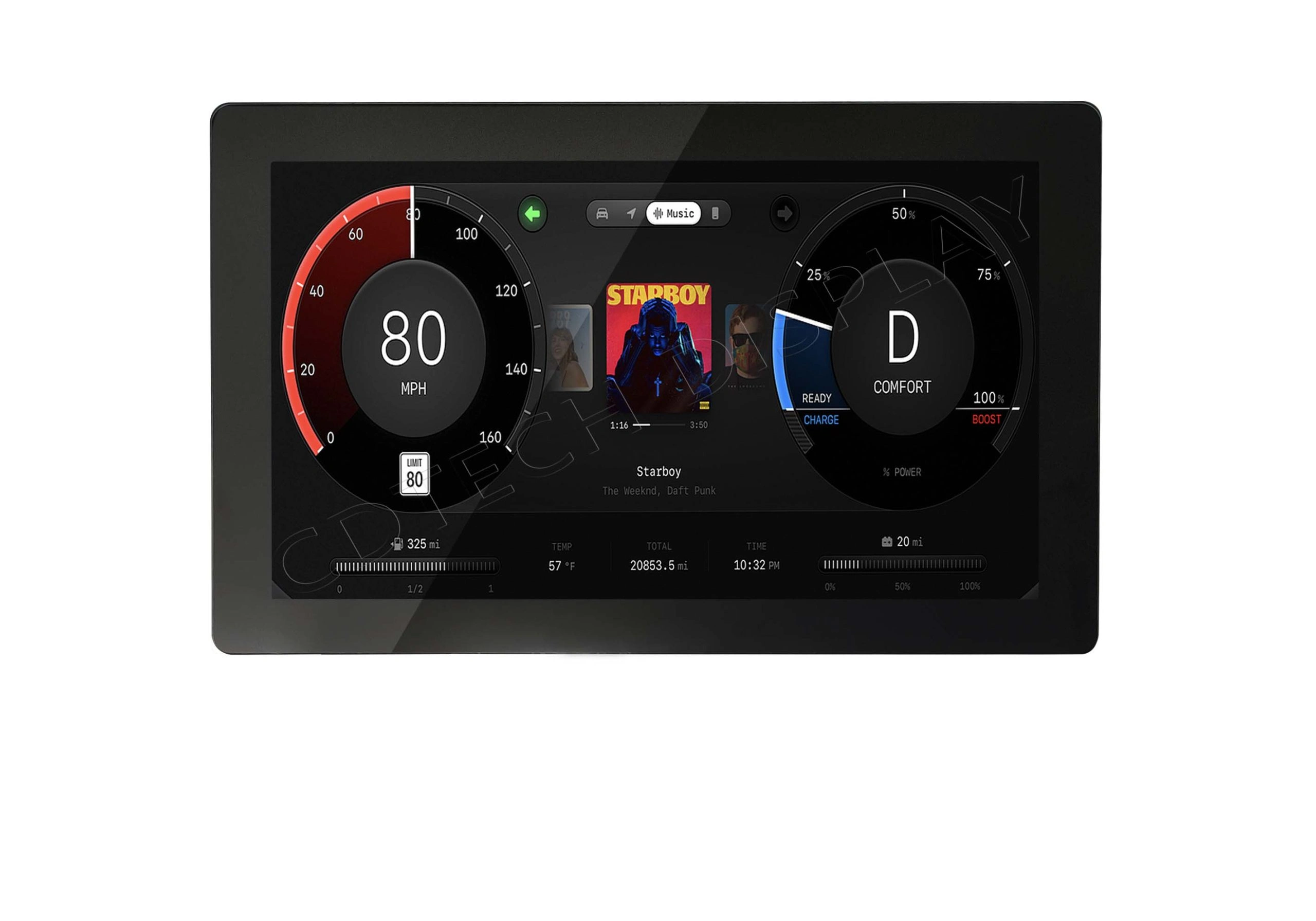
Automotive displays are one of the fastest growing application areas, as instrument clusters, center stacks, rear‑seat entertainment, and head‑up displays transition from analog gauges to high‑definition TFT LCD screens. Driver information systems increasingly require configurable layouts, navigation maps, camera feeds, and ADAS visualizations, all enabled by bright, wide‑viewing IPS or VA LCD modules.
Industrial and medical LCD applications prioritize long‑term availability, extended temperature ranges, and high durability. These sectors often rely on dedicated industrial LCD suppliers that can guarantee seven‑ to ten‑year lifecycle support, special form factors, and strict quality documentation, so the custom LCD market is particularly strong here.
Regionally, Asia‑Pacific dominates both production and consumption, followed by North America and Europe as major markets for high‑value industrial and automotive LCD systems. Emerging economies in Latin America, Southeast Asia, and the Middle East contribute to growing TV and smartphone shipments as incomes rise.
Integrated LCD and Touch Solutions: Capacitive Touch LCD Modules
Modern devices rarely use display panels alone; most require interactive touch control. Projected capacitive touch, or PCAP, has become the preferred technology, offering multi‑touch, gesture recognition, high transparency, and scratch resistance.
An integrated capacitive touch LCD module combines the TFT LCD panel, capacitive sensor, and cover glass into a single solution. This reduces assembly complexity, ensures optical bonding quality, and improves shock resistance. Optical bonding between the LCD and touch cover helps minimize internal reflection, boost outdoor readability, and avoid condensation in rugged or outdoor LCD applications.
Designers can choose between standard cover glass designs and fully custom touch screens with tailored thickness, printed borders, holes, and logo graphics to match their housing and branding. Such integrated LCD and touch solutions are widely used in smart home wall panels, charging station interfaces, medical diagnostic devices, and industrial control HMIs.
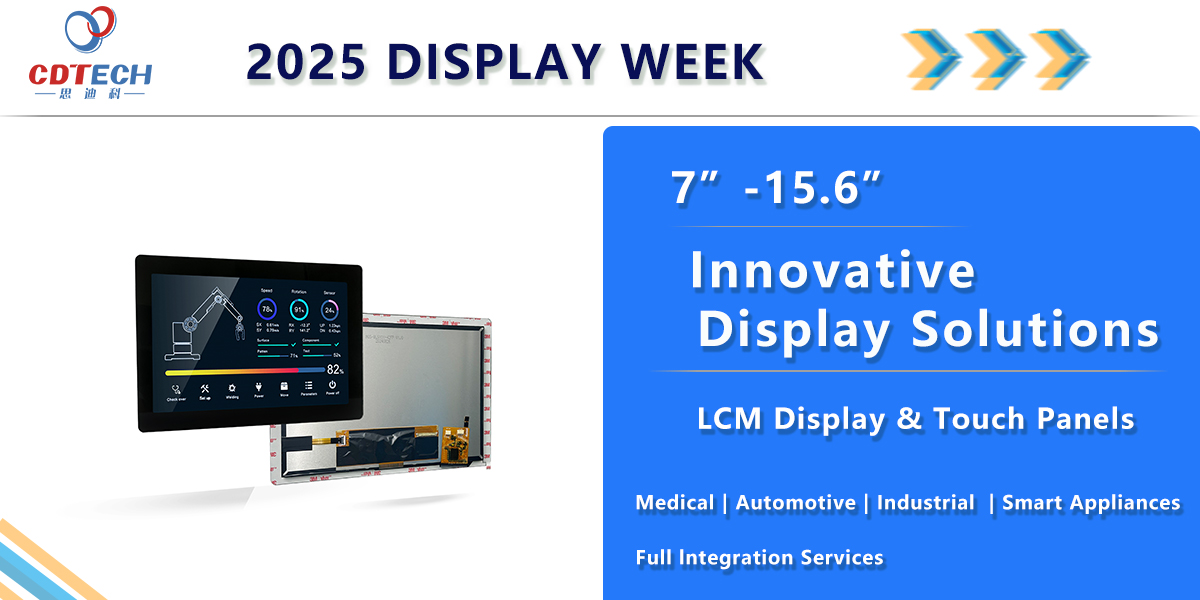
Shenzhen CDTech Electronics Ltd., founded in 2011, is an example of a national high‑tech enterprise dedicated to TFT LCD displays, capacitive touch panels, and integrated display solutions. Leveraging more than a decade of customization experience and 2nd Cutting technology for unique LCD sizes, the company serves global customers seeking reliable, application‑specific display and touch solutions.
Custom LCD: 2nd Cutting, Unique Sizes, and Special Interfaces
Custom LCD displays are increasingly important as device makers differentiate products through unique shapes, resolutions, and interface options. Second cutting, often called 2nd Cutting, refers to processing mother glass or standard panels into non‑standard aspect ratios, bar‑type LCDs, square modules, or circular displays.
Bar LCD displays, for instance, are ideal for industrial rack systems, advertising signage, train and bus destination boards, and automotive mirrors. Circular TFT LCDs fit smartwatches, HVAC controllers, and automotive dials, while square displays integrate well into compact IoT devices. Custom LCD modules also cover unique resolutions, interface combinations such as RGB, LVDS, MIPI, eDP, and integrated driver boards or HDMI input for rapid prototyping.
Besides mechanical customization, custom LCD projects often involve tuning brightness, contrast, backlight lifetime, and polarizer type. For outdoor LCD displays, designers specify high‑brightness LED backlights, anti‑glare surface treatment, and wide‑temperature liquid crystal material. For handheld or battery‑powered devices, low‑power LCD modes and efficient LED drivers minimize energy consumption while maintaining legibility.
LCD Display Performance Metrics That Matter
When assessing LCD quality, several technical metrics determine visual performance and user experience.
Brightness, measured in nits or candelas per square meter, defines how well an LCD panel performs in bright environments. Office monitors typically sit around 250 to 350 nits, while outdoor LCD and sunlight‑readable LCD displays can exceed 1000 nits or more. Higher brightness needs to be balanced against power consumption and thermal management.
Contrast ratio, defined as the ratio of luminance between fully white and fully black, is another critical parameter. VA LCD panels tend to offer higher static contrast, while IPS panels trade slightly lower contrast for wider viewing angles. Effective contrast in real‑world HDR content also depends on local dimming backlights or Mini‑LED implementations.
Resolution and pixel density govern sharpness. Full HD LCD, Quad HD LCD, and 4K LCD resolutions are common in monitors and TVs, with many smartphones using even higher pixel densities for crisp text and graphics. Refresh rate and response time influence motion handling; 120 Hz and above LCD gaming monitors with fast gray‑to‑gray response times deliver smooth animations and reduced motion blur.
Color gamut and color accuracy matter for creative professionals and medical professionals. Wide‑gamut LCD panels that cover large portions of DCI‑P3 or Adobe RGB, combined with factory calibration and hardware LUTs, ensure faithful color reproduction for photography, video, and diagnostic imaging.
LCD Display Market Leaders and Supply Chain
The LCD panel ecosystem is dominated by a handful of large panel manufacturers complemented by numerous module integrators and specialty suppliers. Major panel makers in Asia operate enormous Gen 8 and Gen 10 fabs producing TV, monitor, and notebook panels at scale. Companies such as Samsung Display, LG Display, BOE Technology, AUO, Innolux, and others have historically represented the majority of global LCD capacity.
Downstream, thousands of LCD module assemblers and solution providers take open‑cell panels or raw glass and integrate them into LCD modules with drivers, interface boards, touch panels, and mechanical housings. These companies serve segments like industrial display, automotive LCD, medical equipment, smart home control, and consumer IoT. They also provide engineering services, firmware customization, and long‑term support.
Component suppliers for LED backlights, polarizers, driver ICs, and touch controllers form another critical layer in the LCD supply chain. Disruptions in glass, polarizer, or semiconductor components can fluctuate lead times and pricing, so device makers often work with multiple LCD partners and maintain second‑source strategies.
Real‑World LCD Use Cases and Measurable ROI
LCD deployment decisions are often driven by return on investment, not just technical features. Real‑world case studies illustrate how switching to optimized LCD solutions can reduce maintenance costs, improve safety, and unlock new revenue.
In industrial automation, replacing analog gauges and lamps with 7‑inch to 15‑inch industrial TFT LCD panels enables operators to visualize more data in real time. This leads to faster troubleshooting, fewer unplanned downtimes, and improved throughput. Companies often report reduced training time because graphical dashboards are more intuitive than legacy controls.
Retail and transportation signage are another strong LCD use case. Deploying high‑brightness, networked LCD signage in stores and railway stations allows dynamic advertising, schedule updates, and emergency announcements. Retailers can track lift in sales when certain promotions run on digital signage compared with static posters, quantifying incremental revenue attributable to LCD media.
In medical environments, medical‑grade LCD monitors with calibrated color and high resolution support radiology, surgery, and diagnostics. Improved image quality and reliable luminance can translate into faster diagnosis times and better collaboration between clinicians. The longer lifecycle and robust cleaning compatibility of these medical LCD displays also lower total cost of ownership over many years.
LCD Buying Guide: Choosing the Right Display for Your Application
Selecting the best LCD solution requires aligning application needs with panel specifications and integration constraints. Start by clarifying the primary environment: indoor office, factory floor, in‑vehicle, outdoor kiosk, or handheld device. This affects required brightness, operating temperature, ruggedness, and sealing.
Next, determine the optimal screen size, resolution, and aspect ratio for your user interface. Consider whether a bar‑type LCD, square LCD, round LCD, or conventional wide‑screen format is most efficient for your layout. Assess interface requirements: simple SPI or MCU‑driven LCD modules might suffice for small embedded devices, while MIPI, LVDS, or eDP are typical for high‑resolution displays in tablets, laptops, and automotive clusters.
Power budget and thermal constraints also guide decisions. Battery‑powered devices may prioritize low‑power LCD modes and ambient light sensors that automatically adapt brightness. Fixed installations with strong ventilation can support higher‑brightness LCD signage with greater power draw. Finally, consider availability and lifecycle commitments; industrial and medical applications often need display modules guaranteed for many years to avoid costly redesigns.
Top LCD Product Categories and Use Cases
Below is a simplified view of common LCD product categories, their advantages, perceived ratings, and typical use cases.
These categories overlap, and many vendors offer hybrid products, such as high‑brightness IPS LCD with industrial touch or bar‑type VA LCD for digital signage.
LCD Competitor Comparison Matrix: LCD vs OLED vs Micro‑LED
The following matrix offers a concise comparison across major display technologies commonly evaluated during design.
For many mainstream and industrial products today, the balance of cost, maturity, and flexibility still favors LCD display modules, especially where static content and long lifetimes are important.
Real User Scenarios: LCD in Automotive, IoT, and Industry 4.0
Automotive LCD clusters and center displays are a clear example of value creation. Transitioning from analog dials to fully digital LCD clusters gives automakers freedom to redesign instrument layouts, add navigation maps, and include driver‑assist visualizations without physical changes. Fleet operators gain consistent user interfaces across models, and over‑the‑air updates can improve user experience long after vehicles leave the factory.
In smart home and IoT devices, 2‑ to 5‑inch TFT LCD modules with capacitive touch are embedded in thermostats, air purifiers, EV chargers, and security systems. These LCD HMI panels support feature‑rich apps, remote monitoring, and user education. Manufacturers benefit from reduced support calls and stronger customer engagement because users can quickly understand system status and options through intuitive LCD interfaces.
Industry 4.0 initiatives rely on industrial LCD displays for real‑time visualization of production data, OEE metrics, and predictive maintenance alerts. Machine builders who upgrade to modern LCD HMIs can market their equipment as connected, data‑driven platforms, commanding premium pricing and building recurring service revenue around analytics dashboards.
Future Trends in LCD Technology and Market Evolution
Looking ahead, LCD technology will continue to integrate with other innovations rather than stand still. High refresh rate LCD, already common in gaming monitors at 120 Hz and beyond, will spread further into mainstream notebooks and tablets, improving visual comfort for scrolling, pen input, and video.
Hybrid approaches such as Mini‑LED backlit LCD will become more accessible, bringing near‑OLED contrast to laptops and monitors while keeping costs manageable. Flexible and curved TFT LCD panels will enable new form factors in automotive dashboards, aviation cockpits, and architectural displays, merging seamlessly with interior design.
Sustainability will drive changes in LCD manufacturing, such as using more recyclable materials, reducing hazardous substances, and minimizing energy consumption in both production and usage. As smart devices proliferate, AI‑optimized display control, automatic brightness and color adaptation, and intelligent power management will further refine how LCD screens look and feel in daily use.
FAQs About LCD Displays
What is the difference between LCD and LED display?
An LED display in most consumer marketing refers to an LCD display that uses LED backlighting instead of older CCFL lamps; the core imaging technology remains liquid crystal.
Why is TFT LCD still widely used?
TFT LCD provides a strong balance of image quality, cost, reliability, and manufacturing maturity, making it ideal for mass‑market and industrial applications where budget and long‑term supply matter.
Is IPS better than TN for LCD monitors?
IPS LCD generally offers better color reproduction and much wider viewing angles than TN, making it preferable for creative work, movies, and general use, while TN may still appeal to some cost‑sensitive gaming scenarios.
Can LCD displays be used outdoors?
Yes, with high‑brightness backlights, suitable polarizers, anti‑glare treatments, and wide‑temperature components, specialized outdoor LCD displays can deliver readable and reliable performance in direct sunlight and challenging weather.
How long do LCD panels typically last?
LCD panel lifetime depends on backlight design and operating conditions; well‑designed LCD modules often achieve tens of thousands of hours of operation before noticeable brightness degradation, with industrial and medical LCDs engineered for extended service life.
Conversion‑Focused Next Steps for LCD Projects
If you are planning a new device that needs a display, define your primary use case, environment, and lifetime expectations, then shortlist LCD technologies that match those constraints. For many projects, a robust TFT LCD module with integrated capacitive touch, tailored brightness, and an appropriate interface will balance performance, cost, and long‑term support.
Once you have a high‑level specification, engage with an LCD solution provider experienced in custom LCD and touch integration to refine mechanical design, optically bond cover glass, and optimize firmware driving for response, color, and power. As your design matures, rely on rapid prototyping samples and thorough qualification testing so that the chosen LCD display module performs exactly as required throughout the product lifecycle.
Post Search
Related Articles
-
Capacitive vs Resistive Touch Screen Car Stereo: Which Is Right for You?
-
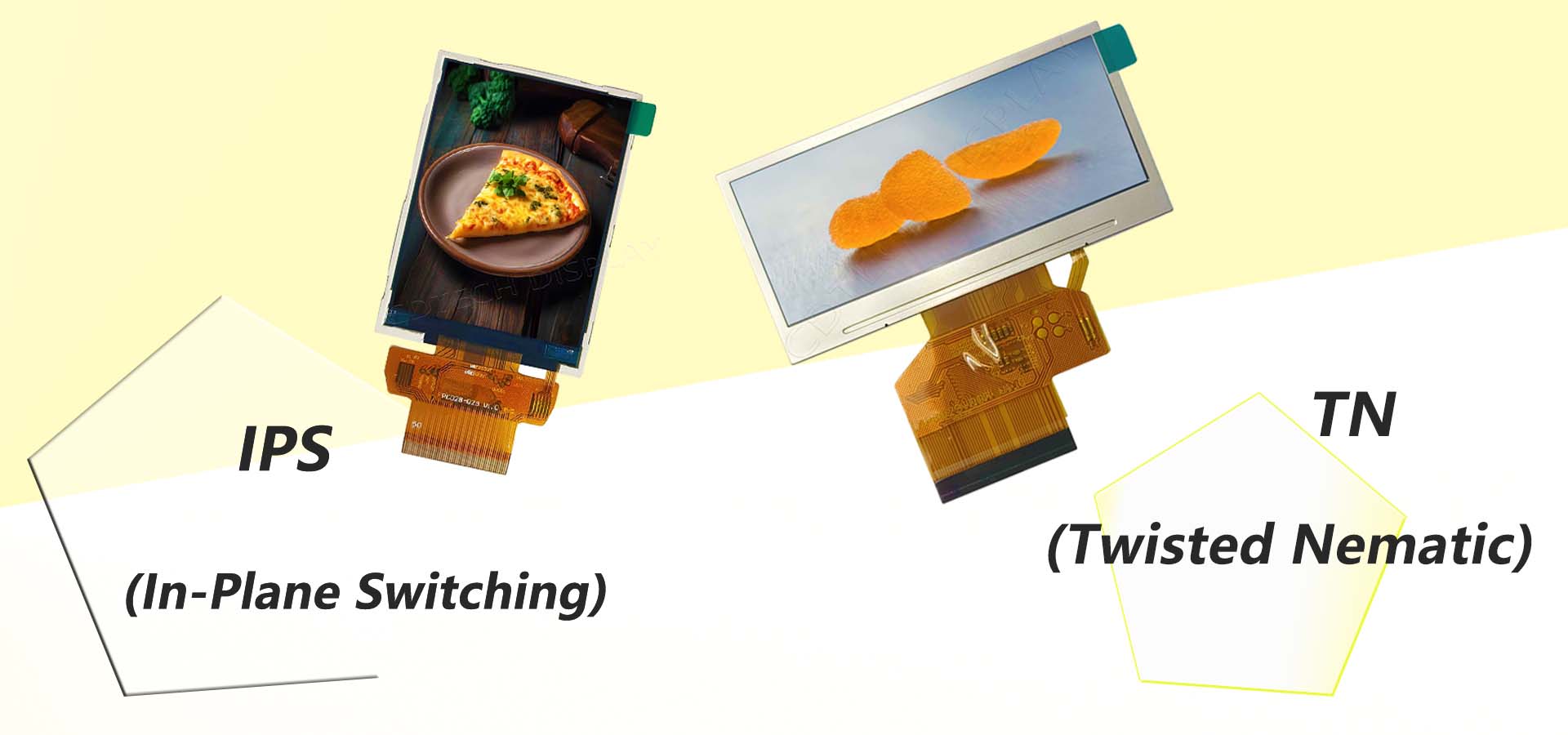
TN LCD vs IPS LCD: How to Choose the Right Display for You
-
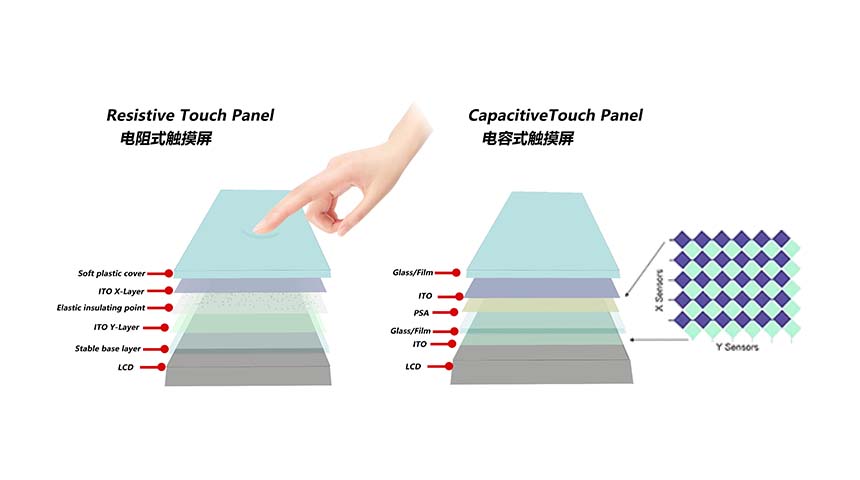
Capacitive Touch Panel or Resistive: Which Suits Your Needs?
-
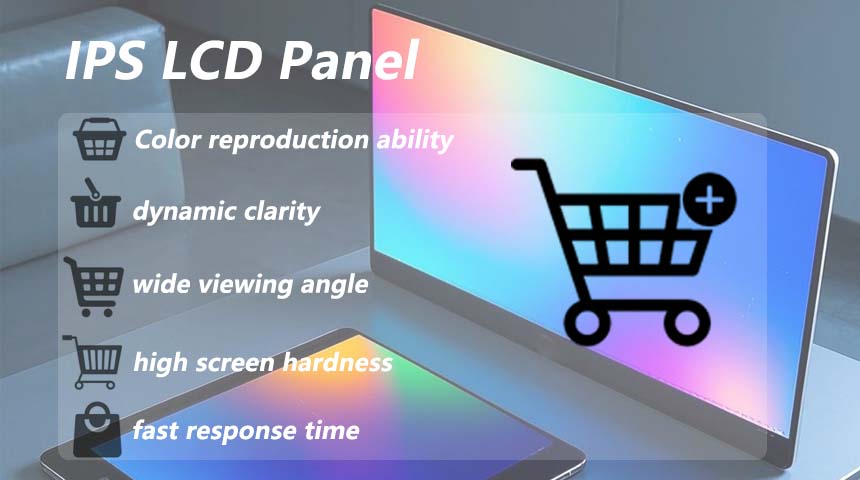
Why Choose an IPS LCD Panel for Your Next Screen Purchase?
-
CDTECH to Showcase Cutting-Edge Display Solutions at SID 2025
-
Comparing Different Types of Displays in Cars: A Detailed Overview