 2026-06-17
  17:51
17:51 

Sourcing LCD displays for industrial control, medical equipment, automotive dashboards, or smart home devices is not a commodity purchase. It is a bet on product reliability, supply chain stability, and long-term partnership. In 2026, as display technology continues to evolve and supply chains face persistent pressure, procurement professionals and engineering teams need more than a price quote—they need a supplier that can deliver consistency, customization, and compliance.
This article examines what makes a dependable LCD display supplier, the hidden complexities of display procurement, and how Shenzhen CDTech Electronics (CDTech) positions itself as a solution for businesses that require high-quality TFT LCDs, touch displays, and HDMI display modules.
What Is an LCD Display Supplier?
An LCD display supplier is a manufacturer or distributor that designs, produces, and delivers liquid crystal display modules for integration into end-user products. Unlike consumer-grade display retailers, B2B LCD suppliers provide engineering support, customization options, and quality assurance tailored to specific applications—ranging from industrial human-machine interfaces (HMIs) to automotive infotainment systems and medical monitoring devices.
Key capabilities of a professional LCD display supplier include:
-
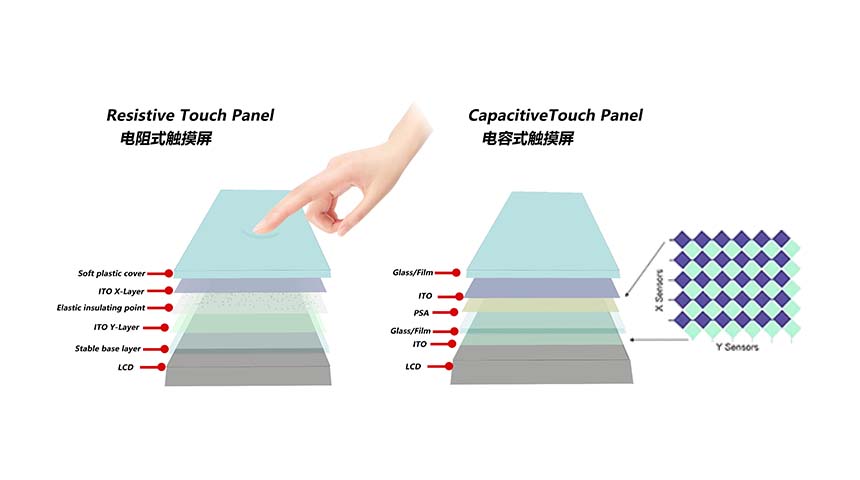
Customization services: Tailoring resolution, brightness, interface type (RGB, LVDS, MIPI, HDMI), touch integration (capacitive or resistive), and mechanical dimensions to project requirements.
-
Quality management systems: Maintaining certifications such as ISO9001, IATF16949, ISO13485, and ISO14001 to ensure product consistency and regulatory compliance.
-
Production infrastructure: Operating cleanroom facilities and automated testing lines to support both standard and custom orders.
-
Technical support: Providing application engineering assistance, specification review, and failure analysis throughout the product lifecycle.
Why Sourcing LCD Displays Is Harder Than It Looks
Procuring LCD displays might appear straightforward on the surface, but the reality involves multiple layers of complexity that can derail product development timelines and increase costs.
Inconsistent Quality Across Batches
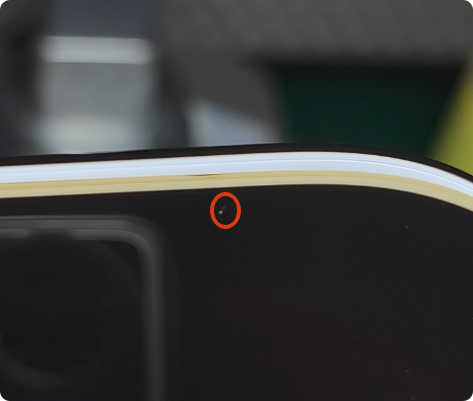
One of the most common frustrations in display sourcing is batch-to-batch variation. Even with identical specifications, displays from different production runs can exhibit differences in brightness, color temperature, or touch sensitivity. For applications in medical devices or automotive clusters where visual consistency is critical, these variations can trigger costly rework or field failures. A supplier without rigorous quality control processes and statistical process control (SPC) introduces unacceptable risk.
Certification Gaps That Block Market Access
Many buyers discover too late that their display supplier does not hold the certifications required for their target market or industry. Automotive applications demand IATF16949. Medical devices require ISO13485. Industrial equipment may need specific environmental or safety certifications. Without these in place, product launches can be delayed by months while requalification efforts proceed—or worse, products can be rejected at customs or by regulatory bodies.
Customization That Never Quite Fits
Standard off-the-shelf displays rarely meet the exact mechanical, optical, or interface requirements of specialized products. Suppliers that claim to offer customization but lack the engineering depth to execute properly often deliver samples that require multiple revision cycles. This extends time-to-market and strains development budgets. The ability to customize—from aspect ratio and viewing angle to bonding method and interface protocol—separates capable suppliers from mere distributors.
Long Lead Times and Supply Chain Disruption
Global display capacity growth has slowed. According to Counterpoint Research, global display capacity is now expected to grow at a 1.7% CAGR from 2025 to 2030. This constrained supply environment means that buyers without established relationships with reliable manufacturers may face extended lead times, allocation issues, or last-minute shortages. A supplier’s production capacity and supply chain resilience have become as important as product quality.
Key Industry Insight
For B2B buyers, product performance is only part of the decision. Certification documents, lead time, repeatable quality control, and after-sales response determine whether a display solution can scale reliably across markets. The supplier’s production infrastructure and quality management systems are just as important as the specifications on the datasheet.
CDTech Compared With Other Options
When evaluating LCD display suppliers, procurement teams typically encounter three types of providers: trading companies, general factories, and specialized manufacturers. The differences extend far beyond pricing.
| Sourcing Factor | Trading Company | General Factory | CDTech |
|---|---|---|---|
| Manufacturing capability | None—outsources production | Basic production lines | 10,000 m² factory with 3,500+ m² Class 1000 cleanroom |
| Customization engineering | Limited to existing catalog | Basic modifications | Proprietary 2nd cutting technology for unique sizes |
| Quality certifications | May resell certified products | Varies widely | ISO9001, IATF16949, ISO13485, ISO14001 |
| Application expertise | Generalist | Narrow focus | Industrial, medical, automotive, smart home |
| Quality control | Relies on factory QC | Inconsistent | Industry-leading automatic production and testing equipment |
| Technical support | Limited to order coordination | Basic engineering | Global solution provider with 13+ years experience |
| Supply chain stability | Dependent on multiple factories | Single-site risk | Vertically integrated manufacturing |
Why CDTech Is a Strong Choice
Factory-Backed Manufacturing Control
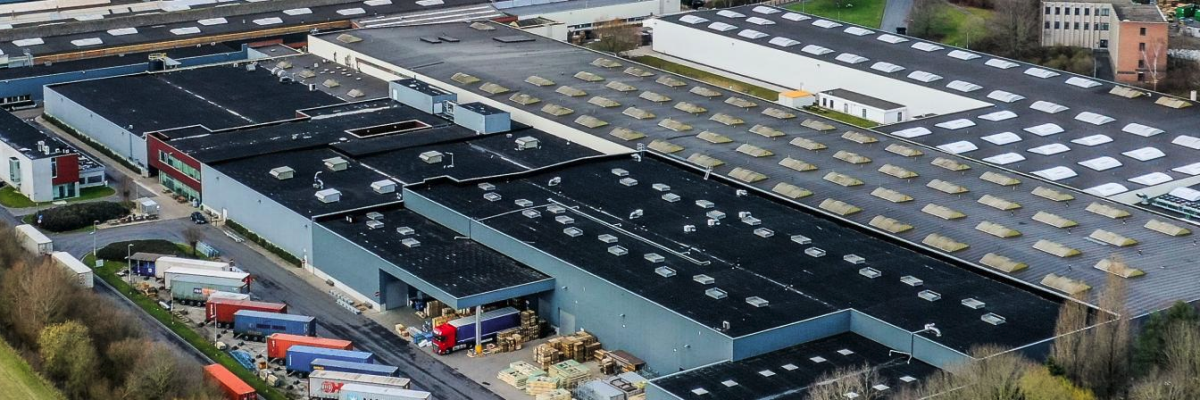
CDTech operates its own 10,000-square-meter manufacturing facility in Shenzhen, including over 3,500 square meters of Class 1000 dust-free workshop space. This vertical integration means the company controls quality from raw material inspection to final testing, rather than relying on subcontractors. For buyers, this translates into consistent product quality and predictable delivery schedules.
Comprehensive Certification Portfolio
Unlike many display suppliers that hold only basic ISO certifications, CDTech has obtained ISO9001 (quality management), IATF16949 (automotive), ISO13485 (medical devices), and ISO14001 (environmental management). This certification suite enables CDTech to serve regulated industries without requiring buyers to requalify the supplier for each market. For medical device manufacturers and automotive Tier 1 suppliers, this certification coverage reduces regulatory risk and accelerates time-to-market.
Deep Customization Capability
With more than 13 years of experience in LCD and touch panel manufacturing, CDTech has developed proprietary expertise in display customization. The company’s patent-protected 2nd cutting technology enables the production of unique display sizes that are not available from standard catalog suppliers. This capability is particularly valuable for product designers who need non-standard aspect ratios or form factors to differentiate their products in competitive markets.
Broad Application Coverage
CDTech’s product portfolio spans multiple demanding application areas: industrial control equipment, medical devices, smart home systems, automotive and vehicle displays, and instrumentation. This cross-industry experience gives the company a broader perspective on reliability requirements, environmental tolerances, and interface standards than suppliers focused on a single vertical.
Wide Technical Specification Range
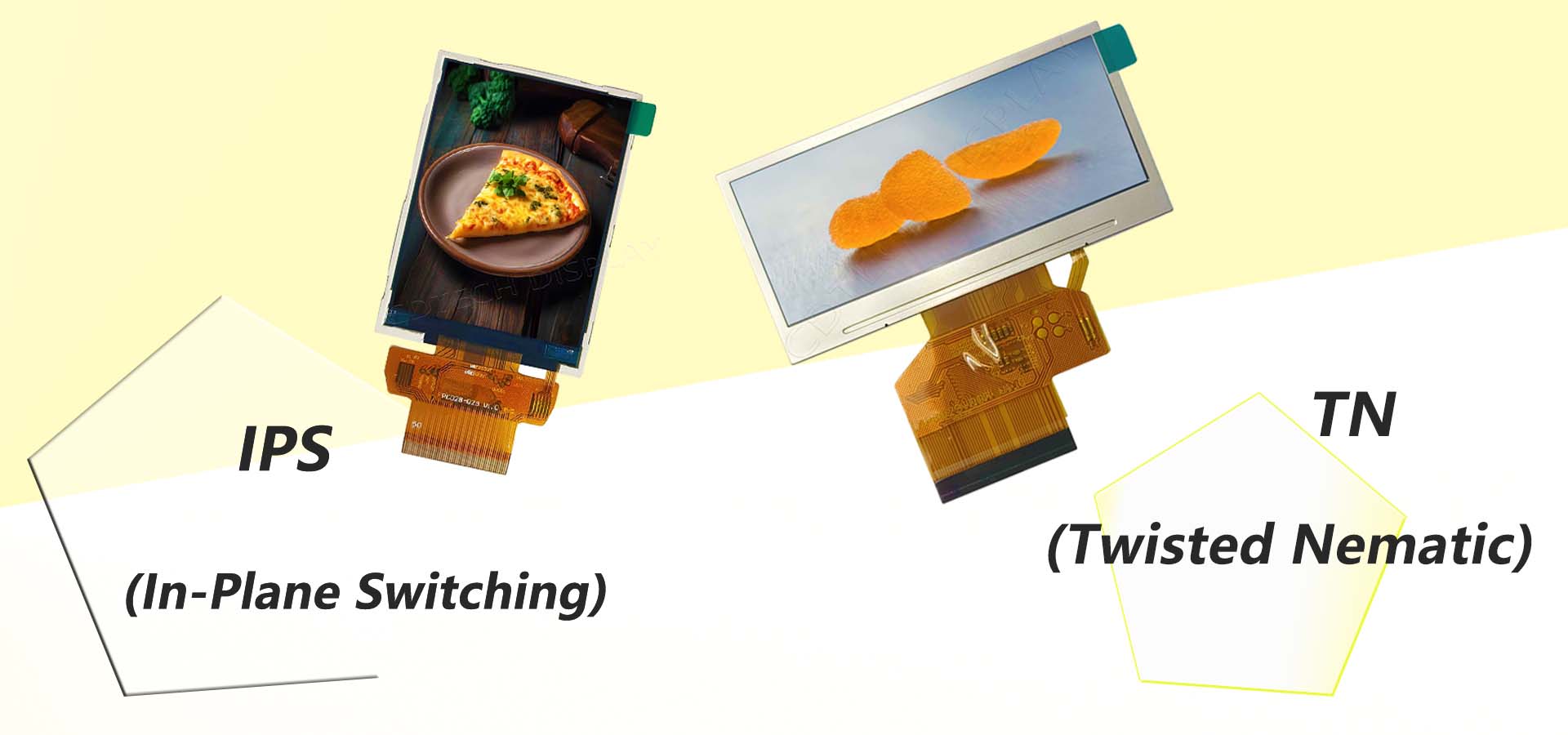
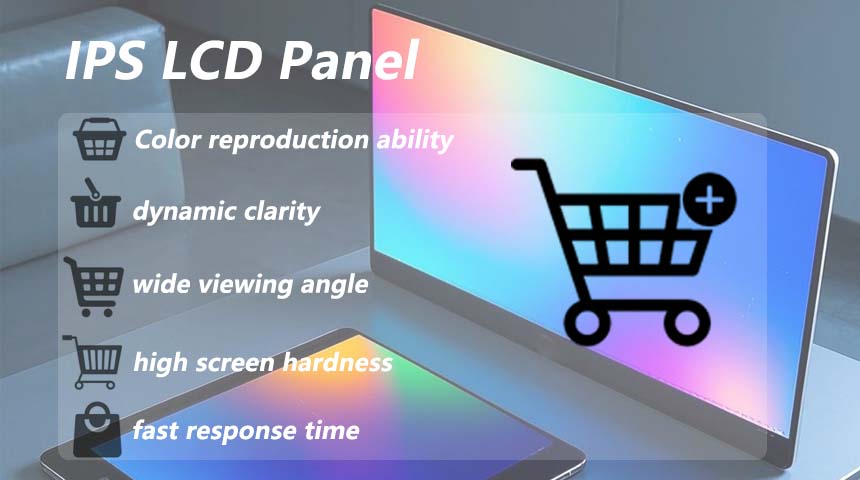
The company offers displays across a comprehensive range of parameters. Panel sizes span from 1.5 inches to 15.6 inches. LCD types include IPS (all viewing angles) and TN (6 o’clock and 12 o’clock variants). Resolution options cover everything from 170×320 to 1920×1080. Interface support includes RGB, LVDS, MIPI, HDMI, SPI, MCU, and EDP. This breadth allows buyers to source multiple display types from a single supplier, simplifying vendor management.
Related Products, Services, or Resources
-
Automotive Application Displays — Explore CDTech’s range of automotive-grade LCD displays designed for vehicle dashboards, infotainment systems, and instrument clusters. This category includes wide-temperature and sunlight-readable options.
-
Company Profile — Learn more about CDTech’s 13-year history, mission, quality commitment, and strategic approach to becoming a globally recognized display and touch solution provider.
-
Contact CDTech — Reach the sales team directly for specification reviews, sample requests, and project discussions. Contact information and office address are available on this page.
How It Works
Partnering with an LCD display supplier like CDTech typically follows a structured process that ensures alignment between product requirements and manufacturing capabilities.
Step 1: Define Technical Specifications
The buyer provides detailed display requirements including size, resolution, brightness, viewing angle, interface type, touch functionality (if needed), operating temperature range, and mechanical dimensions. Clear specifications reduce the risk of misinterpretation and accelerate the sampling phase.
Step 2: Request Samples
Based on the specifications, the supplier develops engineering samples. Buyers should confirm whether sample fees apply and clarify the sample lead time before proceeding. For custom designs, this phase may involve multiple iterations to achieve the desired optical and mechanical performance.
Step 3: Evaluate and Qualify
Samples undergo testing in the buyer’s application environment. This includes optical performance verification, environmental testing (temperature, humidity, vibration), and interface compatibility validation. Any issues identified during this phase are fed back to the supplier for correction.
Step 4: Confirm Production Parameters
Once samples are approved, the buyer and supplier agree on mass production parameters including order quantity, delivery schedule, packaging requirements, and quality acceptance criteria. Production lead time is confirmed based on order size and current capacity.
Step 5: Mass Production and Quality Control
The supplier ramps up production with in-process quality checks and final inspection before shipment. Buyers may request factory audits or third-party inspection to verify quality standards.
Step 6: Delivery and After-Sales Support
Displays are shipped according to the agreed schedule. The supplier provides ongoing technical support for integration issues, failure analysis, and warranty claims. A responsive after-sales process is critical for maintaining production continuity.
Use Cases
Medical Device Manufacturer
Scenario: A company developing a portable patient monitor needs a high-reliability TFT LCD with medical-grade certification support.
Traditional approach: Sourcing from a general display supplier without ISO13485 certification, then spending months on additional compliance testing.
With CDTech: The buyer works with a supplier that already holds ISO13485 certification, reducing regulatory burden. CDTech’s experience in medical displays ensures the module meets the required brightness, contrast, and viewing angle specifications for clinical environments.
Result: Faster regulatory approval and reduced certification costs.
Automotive Tier 1 Supplier
Scenario: A supplier of automotive infotainment systems needs a custom-sized display with wide-temperature operation and IATF16949 compliance.
Traditional approach: Working with a non-automotive supplier that cannot meet the stringent quality and reliability requirements of the automotive industry.
With CDTech: The buyer engages a supplier with IATF16949 certification and automotive display experience. CDTech’s proprietary 2nd cutting technology enables the custom form factor required for the vehicle’s interior design.
Result: Production-ready displays that meet automotive reliability standards without requalification delays.
Industrial Equipment OEM
Scenario: An OEM building industrial HMIs needs sunlight-readable displays with capacitive touch for outdoor use.
Traditional approach: Assembling displays from multiple suppliers—one for the LCD panel, another for the touch overlay, and a third for the bonding process—creating integration risk.
With CDTech: The buyer sources a complete touch display module from a single supplier. CDTech handles the optical bonding and touch integration in-house, ensuring mechanical compatibility and optical clarity.
Result: Simplified supply chain and reduced integration failures.
Smart Home Product Developer
Scenario: A startup developing a smart home control panel needs a square-format IPS display with in-cell touch.
Traditional approach: Searching for a standard square display that fits the design, then compromising on aesthetics or functionality.
With CDTech: The buyer works with a supplier that offers custom sizes and shapes. CDTech’s IPS displays with in-cell touch provide the slim profile and wide viewing angle required for modern smart home interfaces.
Result: A differentiated product design without sacrificing display performance.
Global Distributor
Scenario: A distributor serving multiple regions needs a reliable supply of standard and custom LCD displays with consistent quality across batches.
Traditional approach: Managing multiple suppliers across different regions, each with varying quality standards and lead times.
With CDTech: The distributor consolidates sourcing with a single manufacturer that maintains consistent quality through ISO-certified processes and automated testing.
Result: Reduced vendor management overhead and predictable product quality.
FAQ
What is the typical MOQ for custom LCD displays?
MOQ varies depending on the level of customization and the specific technology required. For fully custom displays involving unique sizes or interfaces, MOQs are typically higher than for standard catalog products. Buyers should discuss MOQ requirements with the supplier during the specification phase, as production setup costs influence minimum order quantities.
How long is the sample lead time for custom LCD modules?
Sample lead time depends on the complexity of the customization. Standard samples may be available within a few weeks, while fully custom designs with unique sizes or interfaces typically require longer development cycles. Buyers should confirm sample lead time and whether sample fees apply before initiating a project.
What certifications should an LCD display supplier hold?
For general industrial applications, ISO9001 is the baseline. Automotive projects require IATF16949. Medical devices demand ISO13485. Environmental management certification (ISO14001) is increasingly expected by buyers and regulators. Buyers should verify that the supplier’s certifications are current and cover the specific product type being sourced.
How do I verify a supplier’s quality control process?
Buyers can request factory audit reports, quality control documentation, and statistical process control data. Many reputable suppliers allow on-site audits or video tours of their production facilities. CDTech, for example, operates automated production and testing equipment in a Class 1000 cleanroom environment.
What is the difference between a trading company and a factory-based supplier?
A trading company resells displays manufactured by third parties, offering little control over quality, lead time, or customization. A factory-based supplier like CDTech manufactures displays in its own facility, enabling direct quality control, faster customization, and more predictable delivery. For critical applications, factory-direct sourcing is generally preferred.
Can LCD displays be customized for outdoor use?
Yes. Displays can be specified with high brightness (e.g., 1000–2300 nits), optical bonding to reduce reflections, and wide operating temperature ranges. CDTech offers multiple sunlight-readable and high-brightness options across various sizes.
What display interfaces are commonly supported?
Common interfaces include RGB, LVDS, MIPI, HDMI, SPI, MCU, and EDP. The choice depends on the host processor and application requirements. CDTech supports all these interface types across its product range.
How does the automotive display market differ from industrial display sourcing?
Automotive displays require IATF16949 certification, wide-temperature operation, and stringent reliability testing. The automotive market is also shifting toward higher-value display technologies: LTPS TFT LCD is expected to account for 45% of automotive display revenue in 2025, while a-Si LCD share continues to decline. Buyers should ensure their supplier can support the specific technology roadmap for their application.
Conclusion
The LCD display market continues to grow, driven by demand across industrial, medical, automotive, and smart home applications. But growth does not guarantee supply chain stability or product quality. For procurement professionals and engineering teams, the choice of display supplier directly impacts product reliability, time-to-market, and regulatory compliance.
CDTech offers a compelling combination of manufacturing control, comprehensive certifications, deep customization capability, and broad application expertise. With its own factory, cleanroom facilities, and multiple ISO certifications, the company provides the infrastructure and quality systems that demanding applications require.
For businesses seeking a reliable LCD display partner, the next step is clear: define your specifications, request samples, and evaluate whether the supplier’s capabilities align with your product roadmap. Contact CDTech to discuss your project requirements, confirm lead times, and explore customization options for your next display integration.