
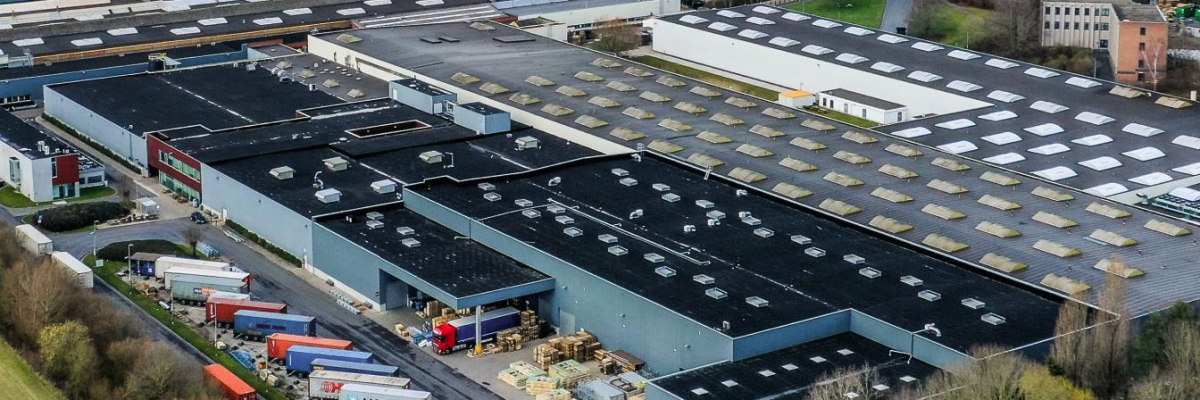
Storage Temperature Requirements for TFT LCD Displays
 2026-11-12
 11:00


Read the storage row with the power off. Now picture the actual trip: cold vehicle, warm assembly room, perhaps a month in between. The end points alone cannot describe that journey. Package condition, humidity, elapsed time and the step before power-up give storage temperature its practical meaning.
Where does storage temperature begin and end?
No image performance is promised at the storage limit because the module is inactive. Packaging changes the case as well. Think of a sealed, moisture-protected carton and an unpacked screen waiting beside the line; calling both simply “stored” hides an important difference.
Why not reuse the operating range?
Operation powers the panel, backlight, controller and touch layer. Storage does not. Even identical end points would answer two separate questions, so storage temperature and operating temperature need separate entries wherever the product is bought, handled or qualified.
How should a TFT LCD storage temperature range be read?
The range gives the lower and upper non-operating points accepted for a selected construction under stated handling conditions. Ask whether the value covers the packaged assembly, complete touch module or bare LCD panel. Ask when acclimatisation is required before power-up.

Why packaging belongs in TFT LCD Module Storage Requirements
A carton is not just an insulating box. Cushioning should stop movement without pressing on the active area, while the connector, cover glass and FPC remain clear of dirt and impact.
Where can the packaging load reach the module?
Begin with the obvious failure points: movement, pressure on the active area, a bent connector and dust. The route may also call for moisture protection, a stated orientation, stacking limits or electrostatic precautions. Record those choices with the TFT LCD module storage requirements, including the points to inspect when the carton arrives.
What should happen after a cold carton reaches a warm room?
Cold equipment can collect moisture in warm air. How long should it wait? The carton and the room decide, not a universal rule. Inspect the package, allow it to acclimatise and confirm that the surfaces and connector are dry before attaching a cable. Then try the image, backlight, touch path and host connection.
Which LCD Storage Conditions belong in the logistics record?
The record should travel with the product. Otherwise, the freight team can protect one condition while the warehouse and assembly line expect another.
What gives a TFT display non-operating temperature range context?
Place the package state, exposure time, expected humidity, route and recovery instruction beside the TFT display non-operating temperature range. Which hardware does it cover: bare LCD, touch assembly or adapter board as well? If the carton may sit for months, say what gets inspected before release.
How do shipment and installation stages change storage temperature?
Storage does not happen in one warehouse. The module can wait at staging, in transit, at customs, and again before installation. With every handoff comes another chance for stacking, vibration, moisture, or delay. A purchase order can’t manage those changes on its own. Engineering and logistics should share one LCD storage-conditions record — and revise it when the carton, route, or schedule moves.
What model evidence can be used without overgeneralising?
Model records are comparison points, not portfolio-wide promises. Take S101HWX53EP-FC47-AG: 10.1 inches, 1280×800, IPS, -30°C to +80°C for operation and -40°C to +80°C for storage. The separate 2.9-inch bar records show -30°C to +80°C for storage. Those values stay with the named constructions. A similar diagonal is not permission to copy them elsewhere.

Which questions should accompany a storage number?
Four answers clarify the number: the hardware that was switched off, the package used, the possible exposure time and the inspection before start-up. The touch stack, controller and cover glass may not share the LCD’s record, which is why assembly scope cannot be left implicit.
Why test the final assembly after storage?
After a long, cold or humid trip, do more than check whether the screen lights. Does normal content render? Does touch respond? Is the backlight stable, and does the host find the interface? Record those answers against the model and package revision that travelled.
How CDTech reviews storage and recovery
At CDTech, we begin with the selected model and trace what will happen to it before installation. The carton, route, warehouse time, humidity concern and first inspection all enter that conversation. Storage temperature then describes part of a journey instead of standing alone in a datasheet column.
What can we separate during review?
We can distinguish an existing module record from a custom display request. Model-specific ranges stay tied to the selected LCD, touch construction and package, while recovery checks are listed separately.
What should an OEM send with a quotation request?
Send us the package drawing and route, along with the expected warehouse period, humidity concern, power-up procedure, touch requirement, and installation date. We can mark which TFT LCD module storage requirements already have model support and which still need a sample or a logistics check.
Don’t let the procedure stop at “open carton.” Before any cable is attached, note moisture, shifted cushioning, pressure marks, connector damage, and contamination. Name the person who records the condition and the person who clears the unit for power-up. That handoff links the unboxing to the display test. A box can sit inside its temperature limit and still arrive cold enough to need recovery in a humid room.

Long storage also needs an owner and a review date. A new carton, another route or a different installation site can change the recovery step. The record has a practical purpose: the person opening the box should be working from the condition that engineering actually qualified.
FAQ
Q: Can a TFT LCD show an image throughout the storage temperature range?
A: No. Storage is a non-operating condition. The module should recover according to the project procedure before power is applied.
Q: What makes a TFT LCD storage temperature range useful?
A: The range should name assembly scope, package state, exposure assumptions and recovery method. A bare-panel figure cannot automatically qualify a touch module in another package.
Q: Can CDTech approve a shipment from a storage temperature number alone?
A: No. We need the package, route, duration, humidity exposure and selected model before the storage and recovery plan can be reviewed.
Post Search
Related Articles
-
Capacitive vs Resistive Touch Screen Car Stereo: Which Is Right for You?
-
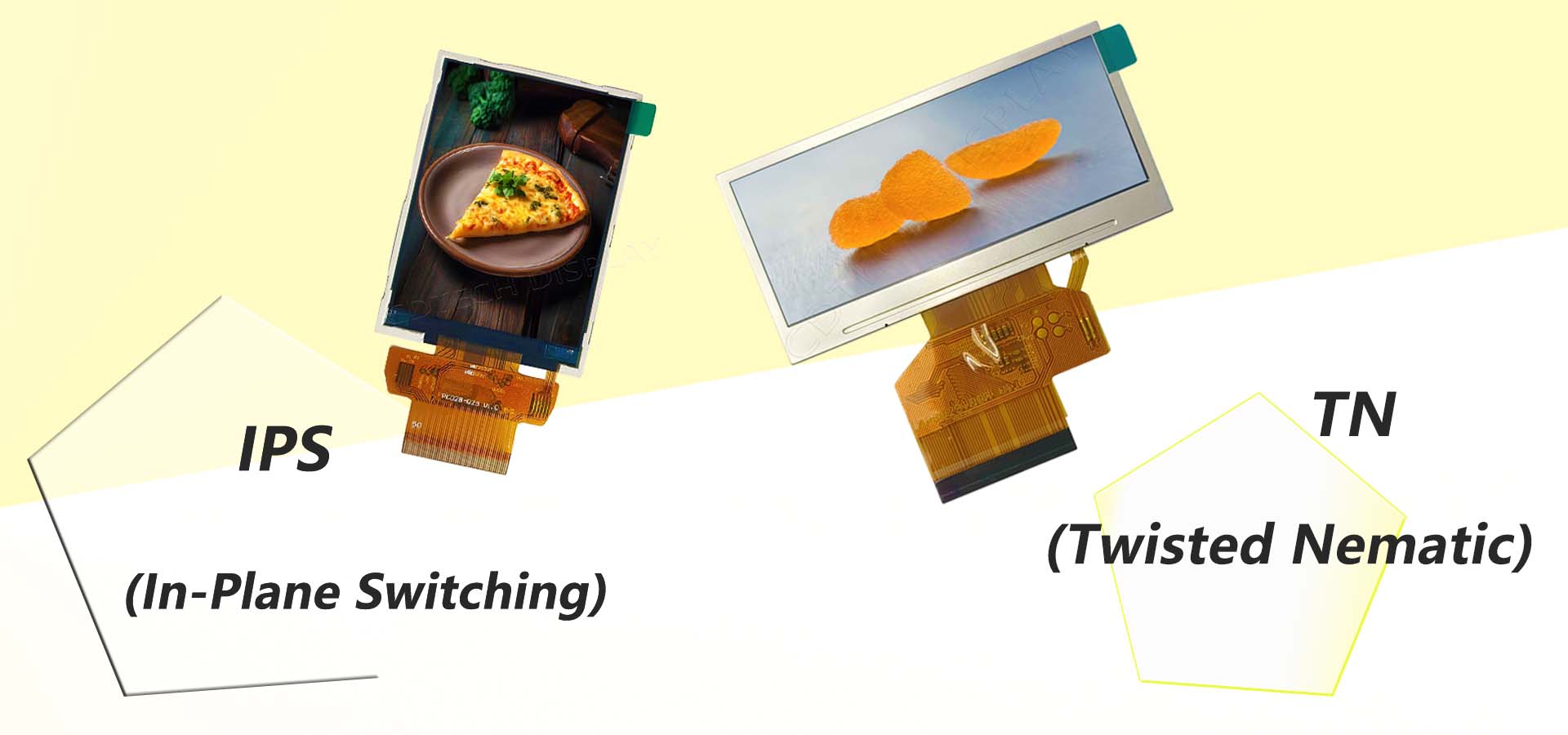
TN LCD vs IPS LCD: How to Choose the Right Display for You
-
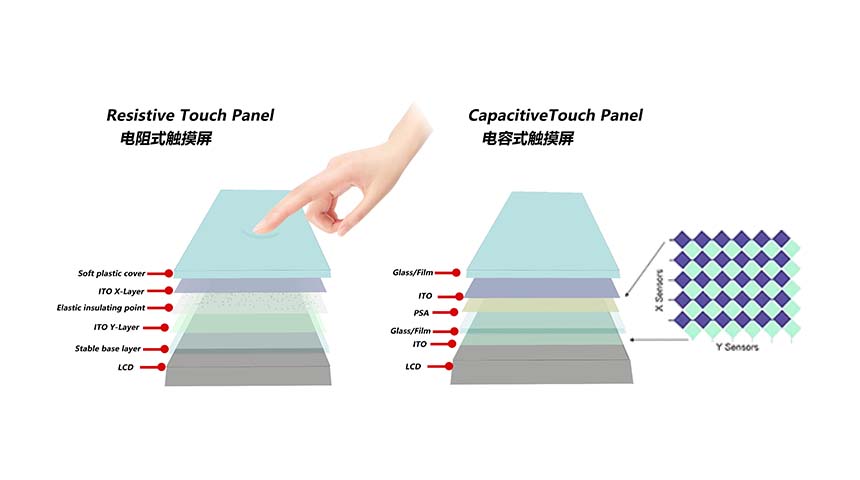
Capacitive Touch Panel or Resistive: Which Suits Your Needs?
-
Why Choose an IPS LCD Panel for Your Next Screen Purchase?
-
CDTECH to Showcase Cutting-Edge Display Solutions at SID 2025
-
Comparing Different Types of Displays in Cars: A Detailed Overview
-
White Spots on LCD Screen: Causes, Fixes & Industrial Solutions (2026 Guide)