

What Is My Screen Resolution? Here’s How to Find & Fix It (2026 Guide)
 2026-01-23
  11:50
11:50 

What is Screen Resolution?
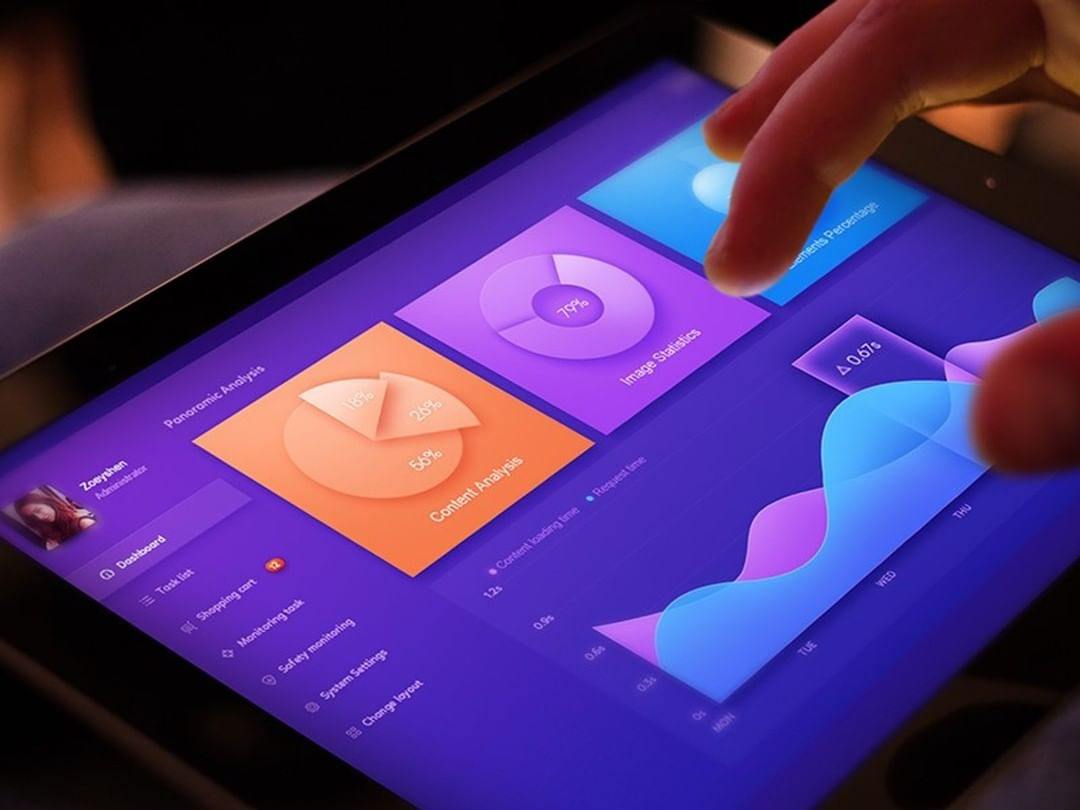
Screen resolution quantifies the total number of pixels a display can present horizontally and vertically. This specification—expressed as dimensions like 1920×1080—directly determines a screen’s maximum visual information capacity. Modern displays increasingly employ dense pixel configurations to improve image fidelity and detail clarity.
Technical Fundamentals of Resolution
Pixel Matrix Configuration
Displays utilize a systematic grid of picture elements (pixels) to form visual output. For example, 1920×1080 denotes 1,920 horizontal pixels arranged across 1,080 vertical rows. This matrix serves as the structural foundation for all rendered graphical content.
Industry Standard Resolutions
Current manufacturing adheres to several established standards:
-
Full HD (1920×1080) – Baseline for most consumer displays
-
Quad HD (2560×1440) – Common in professional and gaming applications
-
Ultra HD (3840×2160) – Prevalent in high-end consumer and professional markets
-
Specialized Formats – Includes ultrawide (3440×1440) and 5K (5120×2880) configurations for niche use cases
How Can You Verify Your Screen Resolution?
Windows Operating System Detection
-
Access the desktop context menu via right-click
-
Navigate to Display Settings in the system configuration panel
-
Locate the Display Resolution section for current configuration data
-
Identify the manufacturer-recommended setting (typically marked as Recommended)
macOS Display Configuration
-
Select the Apple menu from the system toolbar
-
Access System Settings → Displays preference pane
-
View current resolution specifications in the primary display panel
-
Use scaling options for interface adjustment when necessary
How Should You Optimize Your Screen Resolution?
Display Size and Pixel Density Correlation
Physical screen dimensions and resolution significantly impact visual quality. Larger displays require proportionally higher pixel counts to maintain acceptable density. Industry guidelines suggest:
-
24-inch displays: 1920×1080 provides adequate pixel density
-
27-inch displays: 2560×1440 delivers optimal clarity
-
32-inch and larger: 3840×2160 prevents visible pixel structure
Application-Specific Configuration
Different tasks benefit from distinct resolution setups:
-
Text-based productivity: Moderate resolutions with appropriate scaling
-
Visual content creation: Higher resolutions for precise editing
-
Interactive entertainment: Resolution balanced against refresh rate
-
Multitasking environments: Expanded resolutions for enhanced workspace
How Do You Troubleshoot Screen Resolution Issues?
Image Quality Anomalies
Blurring or distortion typically stems from resolution/refresh rate mismatches. Corrective measures:
-
Verify native display resolution settings
-
Update graphics drivers from official sources
-
Confirm display connection integrity (cable and port inspection)
-
Create custom resolutions via GPU control panels if needed
Multi-Display Configuration Management
Heterogeneous display arrays require individual calibration. System-level scaling adjustments maintain interface consistency across varying pixel densities. Professional implementations often use dedicated management utilities for precision control.
Advanced Display Technology Integration
Supplemental Visual Enhancement Technologies
Modern high-resolution displays frequently incorporate:
-
High Dynamic Range (HDR) imaging – Extends contrast and color parameters
-
Adaptive Synchronization – NVIDIA G-SYNC and AMD FreeSync implementations
-
Advanced Panel Technologies – OLED and Mini-LED backlighting systems
-
Professional Color Calibration – Hardware-level accuracy maintenance
Industry Application Considerations
Specialized applications impose unique requirements:
-
Medical imaging systems – Require exceptional grayscale resolution
-
Aviation/automotive interfaces – Need sunlight-readable clarity
-
Industrial control systems – Demand extended durability and continuous operation
-
Digital signage – Benefit from high-brightness panels with wide viewing angles
Implementation Guidelines for Technical Professionals
System Compatibility Assessment
Before display acquisition or configuration, evaluate:
-
Graphics processing unit output capabilities
-
Video interface specifications (DisplayPort/HDMI versions)
-
System memory and processing resource allocation
-
Operating system scaling and rendering limitations
Performance Optimization Techniques
-
GPU driver configuration – Application-specific profile setup
-
Refresh rate synchronization – Match display capabilities with content
-
Color space calibration – Critical for professional color work
-
Power management – Balance visual quality with energy consumption
What Are the Future Technical Trajectories for Screen Resolution?
Emerging Resolution Standards
Technology continues toward increased density:
-
8K implementation expansion – For content creation and simulation
-
Variable resolution displays – Context-aware pixel density adjustment
-
MicroLED maturation – Enhanced brightness and efficiency
Integration with Computational Workflows
Future systems will increasingly incorporate:
-
AI-assisted scaling algorithms – Intelligent resolution adaptation
-
HDR precision enhancement – Per-application tone mapping optimization
-
Cross-platform consistency – Unified visual experiences across devices
Technical Reference Summary
Resolution Selection Criteria
Optimal configuration requires evaluating:
-
Primary application requirements
-
Viewing distance parameters
-
System performance capabilities
-
Ergonomic considerations (text legibility, interface scalability)
Professional integrators emphasize comprehensive evaluation over singular metrics. CDTech exemplifies this through customized solutions addressing specific industry needs alongside resolution considerations.
Maintenance Protocols
Regular maintenance should include:
-
Periodic color calibration verification
-
Firmware update installation
-
Connection interface inspection
-
Ambient lighting condition assessment
Why Choose CDTech Displays?
If you need special designs, particular features, or custom changes, CDTech focuses on providing custom display solutions that go beyond what you expect. Our wide range of standard products aims to satisfy the requirements of various sectors. These include industrial control systems, medical devices, automotive displays and smart home equipment.
We offer complete customization as well. This covers backlight design and interface boards to anti-glare coatings. It all helps ensure they work well with current high-resolution standards.
FAQ
Q: How do I find out my screen resolution quickly?
A: On Windows, right-click the desktop > Display Settings > Look under “Display Resolution”. On macOS: Apple Menu > System Settings > Displays.
Q: How to get screen resolution back to normal?
A: Revert to the recommended setting in display options; update drivers if needed.
Q: Why is my screen resolution stuck or incorrect?
A: It could be due to outdated drivers or incompatible display settings; try updating graphics drivers or reconnecting the monitor.
Post Search
Related Articles
-

Capacitive vs Resistive Touch Screen Car Stereo: Which Is Right for You?
-

TN LCD vs IPS LCD: How to Choose the Right Display for You
-

Capacitive Touch Panel or Resistive: Which Suits Your Needs?
-

Why Choose an IPS LCD Panel for Your Next Screen Purchase?
-

CDTECH to Showcase Cutting-Edge Display Solutions at SID 2025
-

Comparing Different Types of Displays in Cars: A Detailed Overview