
Why Capacitive Screens Rule the Market?
 2026-05-05
  21:23
21:23 

In 2026, the global touch screen display market is set to surge to a staggering USD 112.61 billion. Capacitive touch screens currently dominate this landscape with a massive 68% market share. This dominance is primarily driven by the rising demand for Projected Capacitive (PCAP) technology, which offers superior multi-touch precision and durability for modern consumer and commercial electronics.
How Does Capacitive Touch Panel Work?
How Capacitive Touch Screens Work?
Capacitive touch screens operate by utilizing the electrical properties of the human body. When a finger touches the screen, it alters the localized electrostatic field, which the underlying sensor matrix detects as a touch event. This technology enables the high-speed, accurate multi-touch functionality found in smartphones and advanced commercial interfaces today.
What Is Projected Capacitive (PCAP) Technology?
Projected Capacitive, or PCAP, technology is a sophisticated touch sensing method that employs a grid of conductive material layered beneath a protective glass cover. This setup allows for exceptional sensitivity and multi-touch capabilities, even when a user is wearing gloves. It is widely regarded as the premium choice for high-durability and high-sensitivity electronic display solutions.
Why Are PCAP Displays Market Leaders?
PCAP displays are the clear leaders because they offer unparalleled reliability, scratch resistance, and optical clarity compared to older resistive touch technologies. By delivering a seamless, responsive experience, they have become the industry standard for smartphones, tablets, and interactive industrial equipment. CDTech leverages this superior performance to provide cutting-edge, durable touch solutions for diverse global applications.
Which Industries Rely Most on Capacitive Tech?
The industries most reliant on capacitive technology include consumer electronics, automotive infotainment, healthcare, and industrial automation. These sectors demand high-performance interfaces that can withstand rigorous daily usage while maintaining responsive input capabilities. From high-end medical devices to interactive POS systems, the demand for capacitive precision continues to grow across all major modern technology sectors.
Can Capacitive Screens Be Customized?
Yes, capacitive screens can be highly customized to meet specific application requirements. Through advanced manufacturing processes, companies can adjust screen sizes, glass thickness, and sensitivity levels for unique industrial designs. CDTech specializes in these customization processes, utilizing advanced 2nd Cutting technology to create unique LCD sizes and integrated solutions tailored to complex, innovative product needs worldwide.
Are There Challenges for Capacitive Technology?
While highly effective, capacitive screens face challenges such as interference from moisture or conductive contaminants, which can affect touch accuracy in extreme environments. However, ongoing engineering advancements continue to mitigate these issues. Modern manufacturing techniques are producing screens that maintain stability and reliability even under challenging conditions, ensuring consistent performance for professional-grade and industrial interactive display applications.
How Do Other Touch Techs Compare?
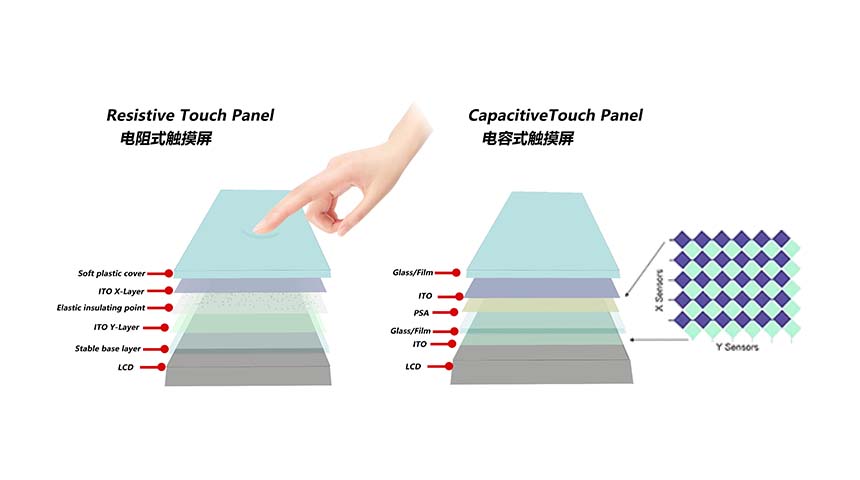
Unlike older resistive technology, which relies on pressure to actuate, capacitive tech uses electrical conductivity, making it faster and more durable.
Is CDTech Leading the Innovation?
CDTech is indeed a leader in this space, focusing on high-durability and high-sensitivity solutions that align with market trends. With over 13 years of expertise, the company ensures that their custom display and touch panel offerings meet the rigorous demands of modern users. CDTech continues to invest in high-tech design to remain at the forefront of the industry.
CDTech Expert Views
“The overwhelming market shift toward Projected Capacitive technology confirms that users no longer accept compromises in interface responsiveness. At CDTech, we see this as a call for precision; by integrating advanced sensor stacks with our custom-cut LCDs, we empower engineers to design products that are as resilient as they are intuitive. The future of the display market lies in bridging the gap between delicate sensitivity and extreme environmental durability.”
Key Takeaways and Advice
The rapid expansion of the capacitive display market underscores a clear trend toward high-performance, multi-touch interfaces. For developers and manufacturers, adopting PCAP technology is no longer optional but essential for remaining competitive. We advise prioritizing high-sensitivity solutions that offer robust environmental protection, as these features drive long-term customer satisfaction and device longevity in an increasingly interactive digital world.
Frequently Asked Questions
What is the main advantage of capacitive screens?
The main advantage is high sensitivity and responsiveness, allowing for multi-touch gestures and a seamless user experience that does not require physical pressure.
Why is PCAP considered premium?
PCAP is considered premium because of its superior durability, exceptional optical clarity, and ability to support multi-touch features even through thick protective glass covers.
How does CDTech support these market trends?
CDTech supports these trends by manufacturing high-durability, customized LCD and capacitive touch solutions that meet the precise requirements of diverse industrial and consumer electronic applications.
Can capacitive screens work in industrial settings?
Yes, modern capacitive screens are designed to be highly durable and reliable, making them suitable for demanding industrial applications when engineered with high-grade components.
Post Search
Related Articles
-
Capacitive vs Resistive Touch Screen Car Stereo: Which Is Right for You?
-
TN LCD vs IPS LCD: How to Choose the Right Display for You
-
Capacitive Touch Panel or Resistive: Which Suits Your Needs?
-
Why Choose an IPS LCD Panel for Your Next Screen Purchase?
-
CDTECH to Showcase Cutting-Edge Display Solutions at SID 2025
-
Comparing Different Types of Displays in Cars: A Detailed Overview
-
White Spots on LCD Screen: Causes, Fixes & Industrial Solutions (2026 Guide)