
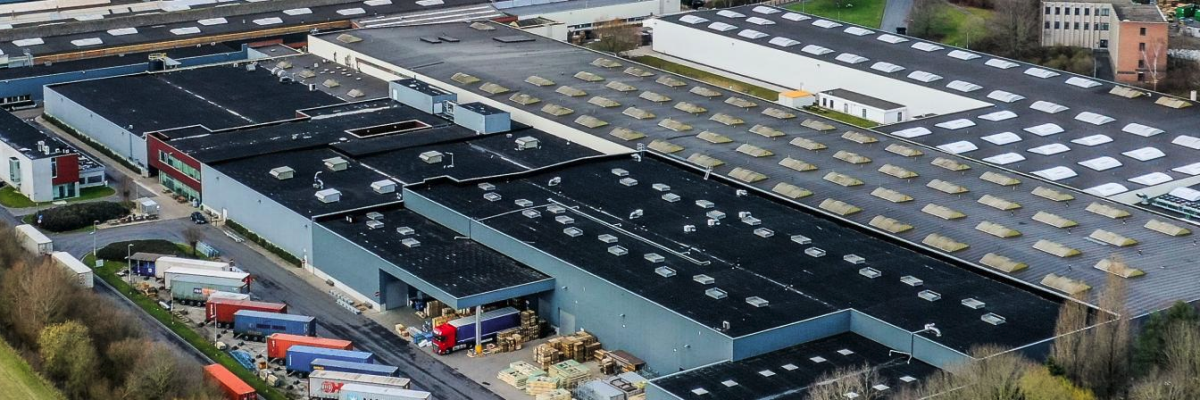
Why Mature Nodes Drive Localisation?
 2026-05-02
  21:23
21:23 

In 2026, high-end chips shift to 3nm/5nm nodes, but automotive and industrial display drivers like JD9168S rely on mature nodes, creating a manufacturing mismatch. Chinese panel makers, holding over 65% module market share, push supply chain localisation for driver ICs, prioritising cost-efficient a-Si tech and localised silicon like Jadard’s JD9168S for reliability.
What Are Mature Nodes in Displays?
Mature nodes refer to semiconductor processes above 28nm, ideal for display drivers needing analog features, high voltage, and reliability over cutting-edge speed. They use proven tech like 40nm/55nm for cost-efficiency in automotive/industrial LCDs.
These nodes dominate display drivers because advanced nodes prioritise logic density, unfit for mixed-signal ICs in DDICs. JD9168S from Jadard exemplifies this, supporting 640×480 IPS panels with RGB interfaces on mature silicon. Chinese localisation accelerates as firms expand mature node fabs four times faster than global demand.
Mature nodes offer high yields and low costs, crucial amid 2026 shortages in legacy processes. CDTech leverages these for TFT LCDs, ensuring robust automotive solutions.
Why Localisation in Supply Chains Now?
Localisation means sourcing driver ICs domestically to cut risks and boost self-sufficiency, driven by 2026 geopolitics and export controls. Chinese panel makers hit 65%+ module share by mandating local ICs.
This shift responds to mature node dependencies, with China expanding capacity rapidly. Panel giants like BOE prioritise “proven localised” silicon for security, elevating Jadard’s JD9168S in LCD modules. Export controls inadvertently spur substitution, raising local equipment share to 35%.
CDTech, with 13+ years in TFT LCDs, aligns via localised touch-integrated displays, reducing foreign reliance.
What Is Manufacturing Mismatch Impact?
The mismatch pits advanced node focus against mature node needs, causing DDIC shortages for autos/industrials. High-end fabs ignore legacy, spiking demand for 55.5% Chinese a-Si LCD dominance.
Automotive displays grow, but supply lags; Chinese makers fill gaps with localised drivers. JD9168S thrives here, offering high-availability for 5-6″ panels in harsh environments. This pushes localisation rates higher for chain security.
Impacts include price premiums (40-70%) for automotive-grade ICs, favouring mature efficiency.
How Does a-Si Cost-Efficiency Fit?
a-Si tech excels in cost-efficient large panels for industrials/autos, dominating 55%+ market via Chinese suppliers. It pairs with mature node DDICs for low-power, reliable drives.
Unlike LTPS/OLED, a-Si avoids premium nodes, aligning with localisation. JD9168S drives a-Si TFTs effectively, supporting 16.7M colors at 640×480. CDTech’s 2nd Cutting tech enhances a-Si custom sizes cost-effectively.
This efficiency sustains 65% Chinese module share, countering advanced node hype.
What Role Does JD9168S Play?
JD9168S, Jadard’s mature node driver, powers 5.6-5.7″ 640×480 IPS LCDs with RGB888 interfaces, ideal for automotive/industrial.
It benefits from 2026 trends, as makers choose localised, proven ICs over risky advanced nodes. Features include 4.5-6V power, wide viewing, transmissive mode. High availability reinforces its staple role in secure chains.
CDTech integrates such drivers in custom TFT solutions for seamless modules.
Which Panel Makers Lead Localisation?
Chinese firms like BOE (15%+ auto share), Tianma (13.8%), CSOT hold 45%+ auto display market, pushing 65% module dominance. They develop in-house DDICs, raising self-sufficiency to 25-30%.
IVO, China Star rise fast; BOE leads OLED too. Localisation hedges disruptions, favouring Jadard ICs. CDTech supplies these with touch panels, boosting integration.
CDTech Expert Views
“At CDTech, we’ve witnessed firsthand how mature node localisation fortifies display supply chains in 2026. Our advanced 2nd Cutting technology allows custom a-Si LCD sizes paired with drivers like JD9168S, ensuring cost-efficiency and reliability for automotive clients. Amid manufacturing mismatches, prioritising localised ICs reduces risks—our stable quality systems and engineering team deliver integrated TFT-touch solutions that meet diverse needs. This trend positions CDTech as a key partner in secure, high-availability modules.” – CDTech Engineering Lead (148 words)
Why Choose Localised Drivers Like JD9168S?
Localised drivers ensure supply security, lower costs via mature nodes, and faster ramps. JD9168S exemplifies with proven performance in industrial LCDs.
They hedge geopolitics, where 75% mature production clusters in Taiwan/China. CDTech’s expertise amplifies this via comprehensive solutions.
What Future for Mature Node Dependency?
Mature nodes will grow, with Chinese capacity outpacing demand; DDIC demand rises 1% YoY for autos. Localisation hits 35% equipment share.
Ongoing fab expansions sustain this, favouring a-Si efficiency.
Key takeaways: Embrace mature node localisation for resilient chains—partner with CDTech for custom LCDs using JD9168S-like drivers. Audit suppliers now, prioritise a-Si for cost, and integrate touch for future-proofing.
FAQs
What is supply chain localisation for displays?
Sourcing ICs/panels domestically to enhance security and cut import risks, vital for Chinese makers at 65% share.
Why mature nodes over advanced for DDICs?
Cost-efficiency, analog strengths, high yields suit automotive reliability better than pricey logic-focused nodes.
How does JD9168S benefit from trends?
As Jadard’s localised mature IC, it gains priority for high-availability in industrial/consumer LCDs amid mismatches.
What is CDTech’s role?
CDTech provides custom TFT LCDs/touch with mature drivers, leveraging 13+ years for secure solutions.
Are Chinese panels dominant in autos?
Yes, 45%+ share via BOE/Tianma, excelling in a-Si for cost-efficient modules.
Post Search
Related Articles
-
Capacitive vs Resistive Touch Screen Car Stereo: Which Is Right for You?
-
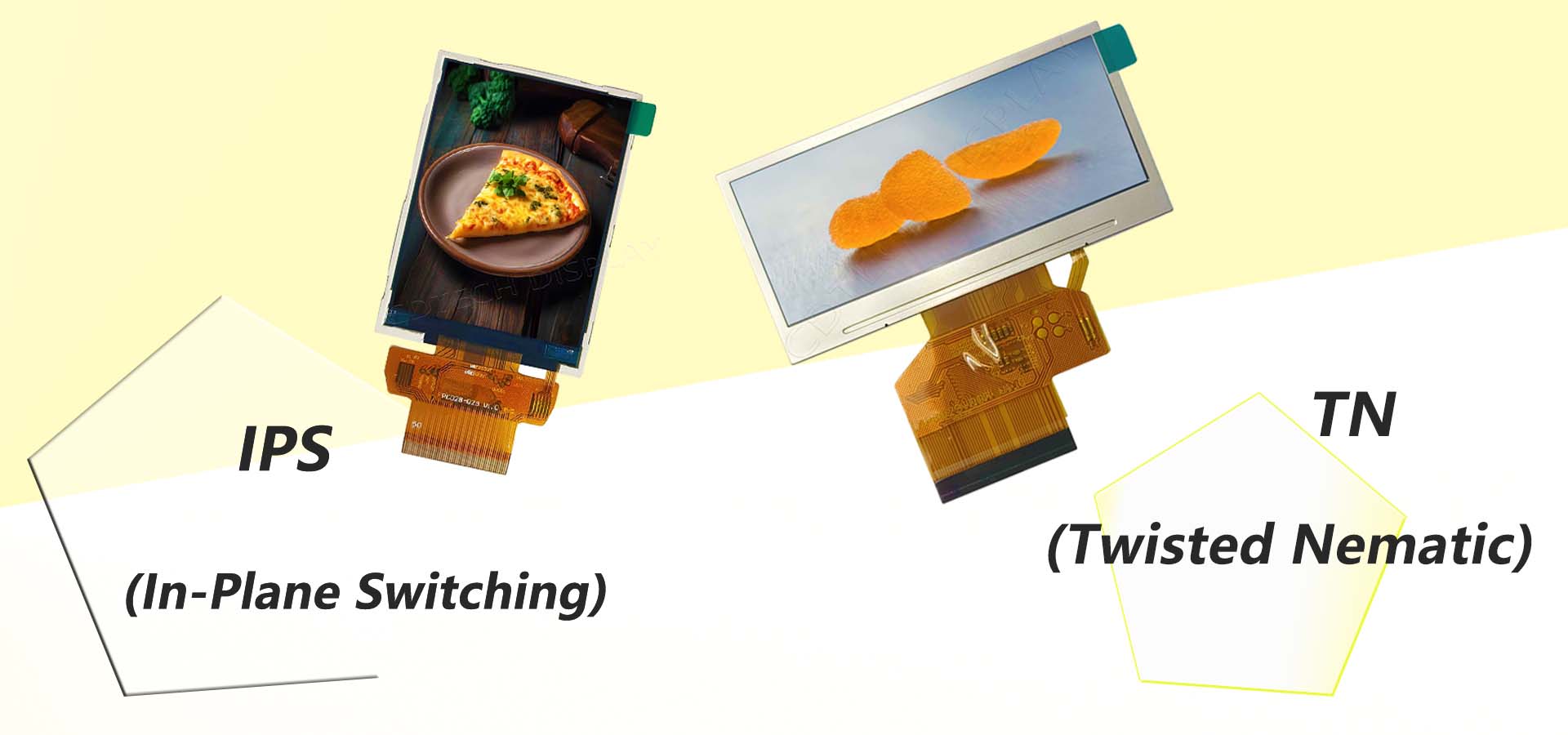
TN LCD vs IPS LCD: How to Choose the Right Display for You
-
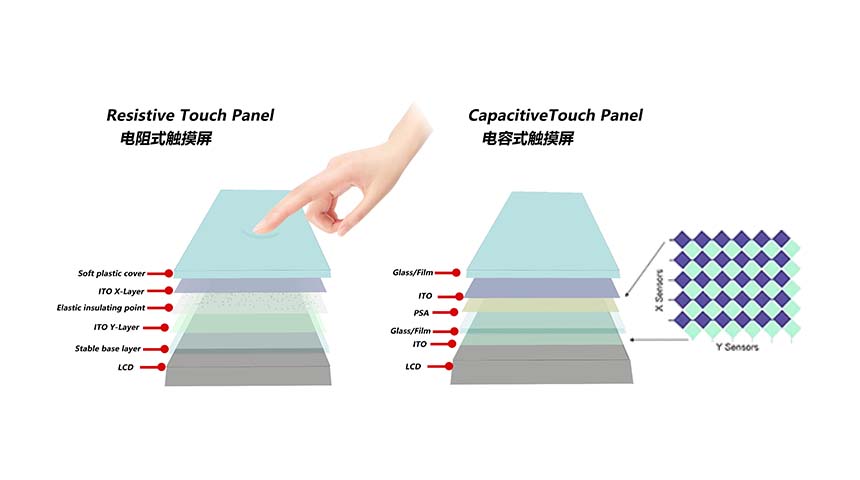
Capacitive Touch Panel or Resistive: Which Suits Your Needs?
-
Why Choose an IPS LCD Panel for Your Next Screen Purchase?
-
CDTECH to Showcase Cutting-Edge Display Solutions at SID 2025
-
Comparing Different Types of Displays in Cars: A Detailed Overview
-
White Spots on LCD Screen: Causes, Fixes & Industrial Solutions (2026 Guide)