
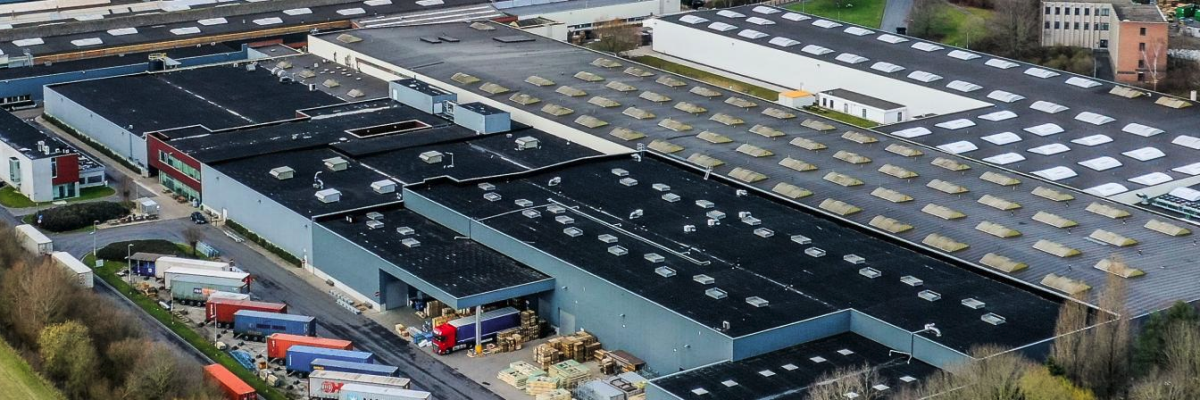
Why Mature Nodes Drive Localization?
 2026-05-02
  21:28
21:28 

In 2026, Chinese panel makers hold over 65% of the module market by prioritizing mature node driver ICs like JD9168S for automotive and industrial displays, ensuring supply chain security amid high-end node shortages. This shift boosts localisation rates, cuts costs via a-Si efficiency, and favors proven silicon from local suppliers like Jadard.
What Are Mature Nodes?
Mature nodes are semiconductor processes at 28nm and above, ideal for cost-efficient, reliable production in automotive and industrial apps. Unlike 3nm/5nm for high-end chips, they offer stable supply and lower costs for display drivers.
These nodes power most display driver ICs (DDICs), including JD9168S, due to their robustness in harsh environments. Chinese firms leverage them for localisation, reducing foreign dependency. Demand surges as leading-edge nodes face shortages, making mature nodes critical for 2026 supply chains. CDTech integrates these in TFT LCDs for seamless performance.
Why Localization in Supply Chains?
Localisation means sourcing 70%+ of components domestically by 2027, driven by geopolitics and tariffs. It secures supply for mature node ICs amid global disruptions.
Chinese panel makers push higher IC localisation rates to control costs and timelines. With 65% module share, they favor local foundries for DDICs like JD9168S. This mismatch—high-end advanced, mature scarce—fuels the trend, benefiting Jadard and partners like CDTech in LCD modules.
What Is Manufacturing Mismatch?
The mismatch pits leading-edge nodes (3nm/5nm) for premium chips against mature nodes for displays, causing shortages in the latter despite high demand.
Automotive/industrial DDICs rely on mature nodes for reliability, not bleeding-edge speed. While TSMC prioritizes advanced, Chinese capacity expands for 28nm+. This drives localisation, with JD9168S exemplifying secure, available silicon. CDTech’s displays pair perfectly with such ICs.
How Does a-Si Boost Cost-Efficiency?
a-Si (amorphous silicon) panels excel with mature node drivers, offering low-cost, high-volume production versus LTPS/IGZO needing advanced nodes.
In industrial LCDs, a-Si cuts fab costs by 20-40%, ideal for JD9168S-driven modules. Chinese makers dominate here, aligning with localisation. Efficiency gains support larger panels at competitive prices, reinforcing market share.
What Role Does JD9168S Play?
Semiconductor Industry Outlook 2026
JD9168S, Jadard’s WVGA driver IC, supports 800×480+ resolutions for a-Si TFT LCDs with low power and wide temp range (-40°C to 85°C).
It embodies 2026 trends: mature node reliability for automotive/industrial use. Features like gamma correction and OTP memory ensure stability. CDTech modules often integrate it for custom sizes via 2nd Cutting tech, enhancing localisation.
This chart illustrates 2026 semiconductor trends, highlighting mature node growth amid localisation pushes.
What Drives Chinese Panel Dominance?
Over 65% module share stems from vertical integration and mature node focus, outpacing global rivals in volume LCDs.
BOE, CSOT lead by localising DDICs, using ICs like JD9168S for cost and security. Industrial/consumer demand favors their scale. CDTech complements as a TFT specialist, supplying touch-integrated solutions.
CDTech Expert Views
At CDTech, we’ve seen firsthand how mature node localisation transforms supply chains. Our 2nd Cutting technology pairs seamlessly with drivers like JD9168S, enabling custom LCD sizes for automotive dashboards and industrial HMI. With over 13 years in TFT and touch, we prioritise stable, local silicon to hit 70%+ localisation targets. This ensures reliability amid mismatches—proven nodes beat risky advanced ones for real-world apps. Clients gain 20-30% cost savings and faster delivery.”
— CDTech Engineering Lead
CDTech, founded in 2011, excels in Shenzhen with stable quality systems. Their expertise supports the localisation wave.
Why Prioritise Local Silicon?
Local silicon like Jadard’s cuts lead times by 50% and mitigates tariffs/geopolitics. It’s “proven” for mature nodes, ensuring availability.
For LCD products, this reinforces JD9168S as high-availability choice. CDTech leverages it for integrated solutions, boosting customer partnerships. Shift from leading-edge dependency secures long-term chains.
Strategic moves favour localisation for resilience.
Key takeaways: Mature nodes power display localisation amid 2026 mismatches; JD9168S exemplifies reliability. Actionable advice: Partner with CDTech for custom LCDs using local ICs—audit chains for 65%+ module alignment, prioritise a-Si for costs, integrate Jadard drivers for security.
FAQs
What is JD9168S used for?
JD9168S drives WVGA a-Si LCDs in automotive/industrial apps, offering low power, gamma correction, and wide temp operation.
Why mature nodes over advanced?
Mature nodes provide cost-efficiency and stability for displays; advanced nodes face shortages and high costs.
Over 65% in 2026, driven by DDIC localisation and vertical integration.
What is CDTech’s role?
CDTech supplies TFT LCDs and touch panels with 2nd Cutting, integrating local drivers like JD9168S for custom solutions.
When will localisation hit 70%?
Targeted for mature processes by 2027, accelerating now.
Post Search
Related Articles
-
Capacitive vs Resistive Touch Screen Car Stereo: Which Is Right for You?
-
TN LCD vs IPS LCD: How to Choose the Right Display for You
-
Capacitive Touch Panel or Resistive: Which Suits Your Needs?
-
Why Choose an IPS LCD Panel for Your Next Screen Purchase?
-
CDTECH to Showcase Cutting-Edge Display Solutions at SID 2025
-
Comparing Different Types of Displays in Cars: A Detailed Overview
-
White Spots on LCD Screen: Causes, Fixes & Industrial Solutions (2026 Guide)