

Operating Temperature of Industrial LCD Display: Standards and Selection Guide
 2026-11-06
 11:00


In a display brief, operating temperature is a working condition, not a decorative line in a table. The number should describe a powered module and the functions that must continue to work. Backlight, controller, touch layer, enclosure and duty cycle belong in the same conversation. A useful temperature requirement gives an OEM something that can be tested.

What does operation temperature mean in an industrial LCD?
The plain definition is the ambient range in which a powered display is expected to perform. The engineering definition is a little longer: the rating needs an assembly scope, brightness state, airflow, mounting condition and required image or touch behaviour.
How is operation temperature different from storage?
During operation, the LCD, LED backlight, driver electronics and touch controller are active. Storage is unpowered. A purchase order should show both values separately and say whether the range assumes a particular airflow, mounting direction or backlight setting. If the figures are swapped, a warehouse limit quietly becomes a powered-performance promise. That is a different claim.
What is missing from an industrial LCD operating temperature range?
The end points need company: powered state, brightness setting, touch requirement and application context. A buyer also needs to know where the number stops. It may describe bare glass, while the shipped part includes an LCD, cover and touch stack. Matching end points do not make those assemblies equivalent.
Why the glass is only part of a TFT LCD Operating Temperature Range
What might an operator notice near either end?
At the cold end, response behaviour, contrast and touch sensitivity may shift. At the hot end, backlight output, optical uniformity, electronics and bonding materials can become a concern. The selected construction decides the exact result. A sensible test includes start-up, steady images, content changes, touch input and recovery after a temperature transition. A frozen screen viewed once is not a qualification plan.
Can one component rating settle the choice?
No. The LCD cell may still be inside its range when the touch controller, backlight driver, cable or adhesive is not. Treat industrial LCD operating temperature limits as an assembly question. Pass or fail should follow the installed unit: it must show the intended image and register the intended input.

Can two wide-temperature claims be compared fairly?
Only when the test conditions match. A module run briefly in an open fixture is not the same case as one held at full brightness inside a sealed housing. The comparison should make that difference visible.
What makes a wide-temperature industrial LCD display claim useful?
Write two cases into the brief first: cold start and the hottest normal duty. For each case, note the airflow, housing, backlight setting, touch stack and nearby heat source. Add the service condition if the display must run with a warm housing open. The host controller’s limit belongs on the same sheet. Another engineer should be able to repeat that setup.
How should cycling and enclosure heat be reviewed?
Do not place the only temperature probe in the room. A sealed box can put the glass between a bright backlight and a warm processor. Add a probe near the display, run the expected cycle and write down the image and touch behaviour before and after the transition. The mounting plate and enclosure wall are part of this heat path.

Where can a suitable industrial LCD still fail?
Usually at the boundary between the panel specification and the finished enclosure.
Does the stated range cover the complete display assembly?
Ask for rating scope, brightness condition and test sequence. A panel-only number may not cover the touch controller or driver board used in the final enclosure.
Can host and enclosure stay inside the same operating temperature window?
The host processor and power supply heat the space behind the panel; even a connector can sit in that warmer pocket. Measure there while production content is running and the backlight uses its normal duty. A suitable panel cannot compensate for an overheated host compartment.
How can CDTech support a temperature-ready display brief?
At CDTech, we read the thermal duty beside the enclosure drawing, host interface, luminance target, touch stack, storage exposure and service condition. Only then does wide-temperature industrial LCD display become a useful description for model review.
What do we need before a quotation?
Send the ambient profile and state exactly what must happen at start-up. Add brightness, airflow, mounting, interface, touch method and the enclosure drawing. We can separate a standard-module check from a custom route and mark thermal questions that still lack evidence.
What remains model-specific?
The selected construction and test conditions remain the reference. One model record cannot become a portfolio-wide temperature promise.
Record the sensor location, not just its reading. Air beside the unit, the glass surface and the driver area may disagree while temperatures settle. Save the displayed page and backlight setting with the measurement so the next test does not copy the number and lose the condition. Keep the host firmware revision in the same record because timing and backlight control can change between builds.
Spell out the start-up case. It could mean a room-temperature boot before heating, a true cold start or a restart in an already warm enclosure. Run the stated case and follow the image, touch response and backlight through the change. The result belongs to that assembly; another housing needs its own review.
FAQ
Q: Why is operation temperature not the same as storage temperature?
A: Operation requires the powered module to display the intended image and accept input. Storage describes the inactive module, so its limits answer another question.
Q: How should an industrial LCD operating temperature range be compared?
A: Compare the assembly scope and test setup, including brightness, airflow, mounting, duty and touch. Equal end points do not make two records equivalent.
Q: Can CDTech confirm a wide-temperature industrial LCD display from ambient values alone?
A: No. We need the display and enclosure brief, then a review of the named model and the sample tests required for that assembly.
Post Search
Related Articles
-
Capacitive vs Resistive Touch Screen Car Stereo: Which Is Right for You?
-
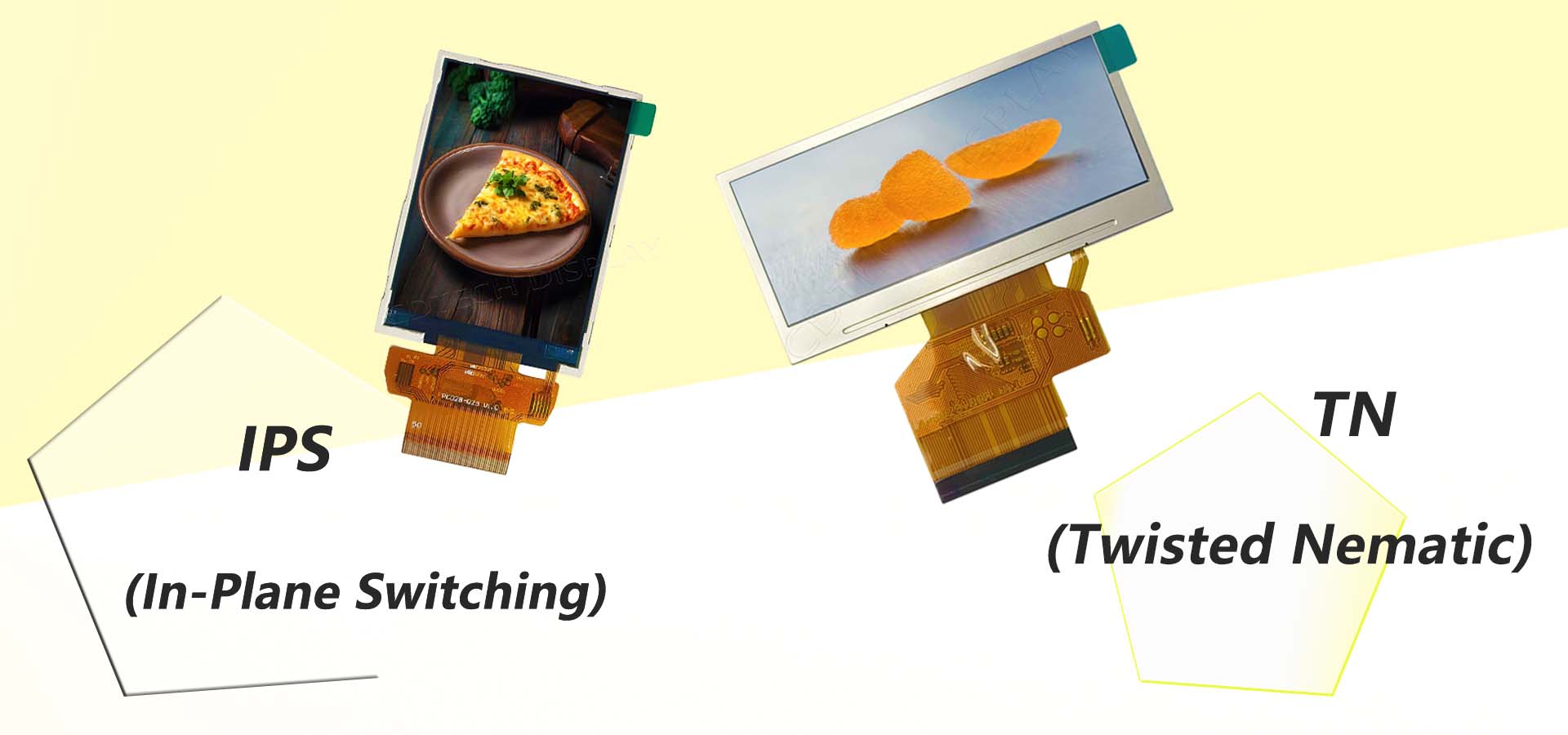
TN LCD vs IPS LCD: How to Choose the Right Display for You
-
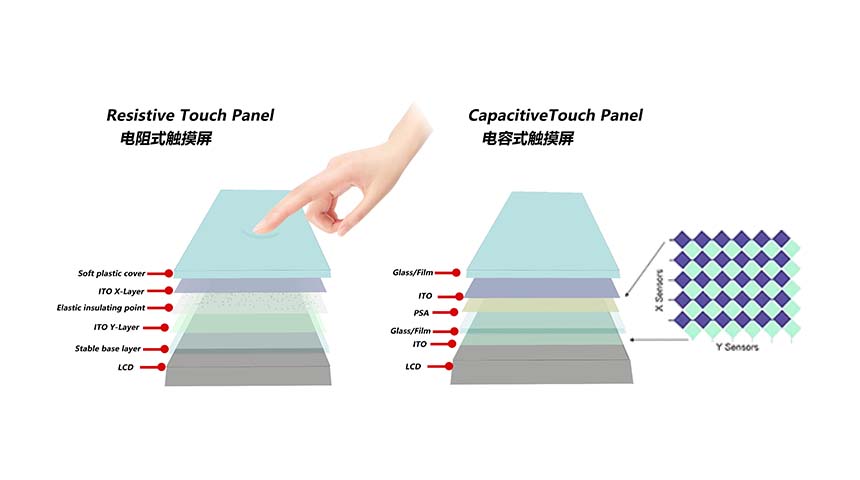
Capacitive Touch Panel or Resistive: Which Suits Your Needs?
-
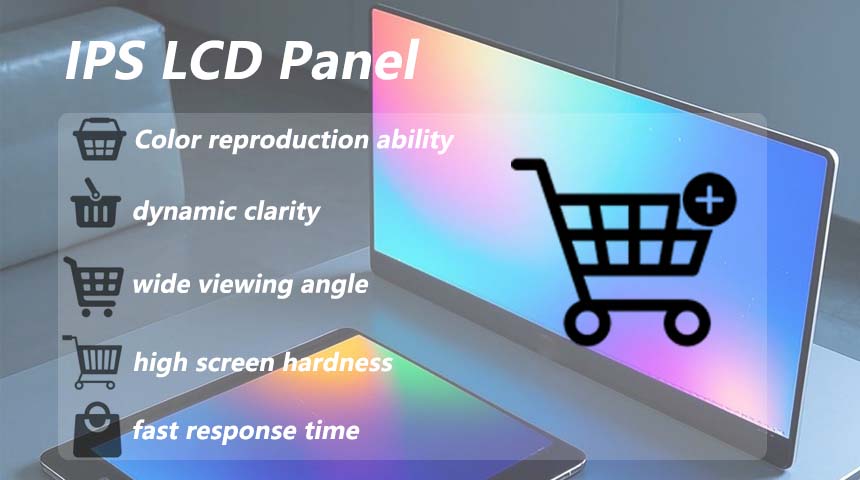
Why Choose an IPS LCD Panel for Your Next Screen Purchase?
-
CDTECH to Showcase Cutting-Edge Display Solutions at SID 2025
-
Comparing Different Types of Displays in Cars: A Detailed Overview
-
White Spots on LCD Screen: Causes, Fixes & Industrial Solutions (2026 Guide)