

How Does the Largest LED Screen in the World Transform Live Event Experiences and Advertising?
 2026-02-02
  17:36
17:36 

The Largest LED Screen in the World and Why It Matters Today
The largest LED screen in the world represents a shift in how cities, venues, and brands communicate at scale. Rather than functioning as oversized billboards, today’s mega LED screens combine architectural presence, real-time content control, and long-term operational stability. This evolution has positioned large-scale LED displays as strategic infrastructure rather than short-term visual attractions.
Public areas now fight harder for notice. Ultra-large LED screens give a strong visual hold that fixed media cannot beat. They can run fun, facts, and ads in one setup. That is why they fit more into major spots around the globe.
What defines the largest LED screen in the world
The largest LED screen in the world means more than just size. Sharpness, pixel spacing, even light levels, and viewing range all decide if a big display works well. A vast screen with weak pixel count or spotty brightness misses real punch.
Outdoor big LED screens need brighter output and tougher shields than indoor ones. These build rules set true large-scale LED jobs apart from plain big displays.
Why global landmarks invest in ultra-large LED displays
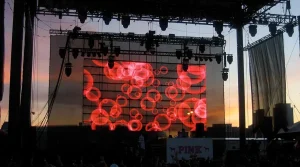
Global landmarks adopt ultra-large LED displays because they create instant visual identity. A giant LED façade or canopy transforms buildings into dynamic media platforms, attracting visitors and increasing engagement without altering physical structures.
From a commercial standpoint, these screens offer long-term flexibility. Content can shift between cultural programming, live events, and advertising, maximizing return on investment while reinforcing the location’s status as a destination.
How the Largest LED Screen in the World Transforms Live Event Experiences
The largest LED screen in the world has reset what people expect from live events. It boosts sight and feeling ties. Big crowds can now share one clear visual across seats. This cuts the gap between acts and watchers.
For planners, giant LED screens let stories grow big. Visuals do not just back events anymore. They drive them.
Immersive viewing experiences at a massive scale
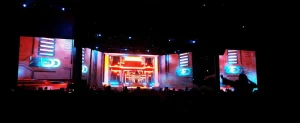
Immersive experiences depend on smooth motion, accurate color, and synchronized playback across thousands of LED cabinets. High refresh rates prevent motion blur, while precise calibration ensures consistent visuals across large surfaces.
These capabilities allow event producers to design content specifically for scale, transforming concerts and festivals into fully immersive environments.
Changing expectations for sports and live entertainment
Sports spots lean more on large LED screens for replays, stats, and live images. Fans want fast info without breaks. Big displays fill this need over wide seat zones.
Air-time quality adds weight, too. No-flicker LED screens aid live shots and world streams. This makes them vital for new stadiums.
The Largest LED Screen in the World as a High-Impact Advertising Platform
The largest LED screen in the world now acts as a top ad spot thanks to its reach and fit. Unlike fixed boards, ultra-large LED displays handle moves, times, and fresh updates.
These traits let brands match messages to shows, hours, or crowd ways. This raises fitness and memory.
Why brands choose the largest LED screen for advertising
Brands prioritize large LED screens because attention density is highest in landmark locations. Massive visuals naturally draw the eye, extending dwell time and strengthening brand memory.
Operational flexibility also plays a role. Campaigns can be updated instantly without physical replacement, reducing long-term media costs.
Advertising content strategies for ultra-large LED screens
Effective content for large LED screens emphasizes movement, contrast, and spatial awareness. Simple static layouts lose impact at scale, while motion-driven designs maintain clarity across distances.
Architectural and curved LED installations further expand creative possibilities, allowing advertising to integrate seamlessly with building design.
Technical and Operational Realities Behind the Largest LED Screens
Every large LED screen hides tough build work. Power handling, heat release, and frame safety all need fixes for steady, long runs.
Good jobs match sight goals with real steps. They skip output problems that hurt big spends.
Engineering challenges of building ultra-large LED displays
Ultra-large LED displays make lots of heat. They call for good heat plans. Power setups must hold steady runs without power wobbles.
Pixel spacing choice matters just as much. Screens for far views differ a lot from those in walk or mix spots.
Reliability, maintenance, and long-term performance
Environmental exposure makes protection standards essential, especially for outdoor installations. Weather resistance and corrosion protection directly affect lifespan.
Maintenance accessibility also reduces downtime. Modular cabinets and front-access designs simplify servicing, ensuring consistent performance over years of use.
How Businesses Decide Whether the Largest LED Screen Strategy Is Right
Putting money into the largest LED screen strategy needs match the firm’s aims. Size by itself does not promise worth if crowd size, spot, or content plans clash.
Groups must think of later bends, too. Unit systems lower risk by letting step-by-step growth.
Cost, ROI, and scalability considerations
Large LED screens involve a higher initial investment, but multi-purpose use often offsets costs over time. Advertising, events, and public communication can share the same platform.
Scalable designs further improve ROI by supporting future upgrades without full replacement.
Aligning screen scale with real business objectives
Mega LED screens work best in busy, clear-view spots. In other cases, smaller or unit displays may be better used.
Sharp checks make sure tech backs plans. It does not outshine them.
How SRYLED Delivers Large-Scale LED Screen Solutions That Solve These Challenges
At SRYLED, we see large-scale LED jobs as full systems, not lone items. We aim to mix sight output, trust, and lasting ease in hard spots.
We back outside marks, stadiums, and event sites with picks made for big-form use.
LED display technologies designed for large-scale projects
For mark ads, the Outdoor 3D Advertising LED Screen With Aluminum LED Panel holds big fronts with light units, bright levels, and front and back fixes. Its frame fits wide setups needing sight layers.
For sports sites, the Stadium Perimeter LED Display For Football Match gives fast refresh and steady output for live plays and airtime. Its unit plan backs long straight displays with good fix ways.
For inside big-form needs, the Fine Pitch LED Display for 4K 8K HD Video Wall sets sharp visuals on wide areas. It keeps near-watch ease.
End-to-end support for complex LED screen deployments
We offer plan talks, system blend help, and tech aid throughout the job life. This way cuts work risks. It makes sure large LED screens give lasting value.
FAQ
Q: What defines the largest LED screen in the world?
A: The largest LED screen in the world is defined by display area, resolution, pixel pitch, brightness, and operational stability rather than size alone.
Q: How does the largest LED screen in the world improve live events?
A: It improves visibility, immersion, and audience engagement by delivering synchronized visuals across large venues.
Q: Is advertising on the largest LED screen in the world more effective?
A: Dynamic content, motion, and real-time updates typically result in higher attention and recall than static billboards.
Q: How should businesses decide on a large LED screen strategy?
A: Businesses should evaluate audience reach, location visibility, content needs, and long-term ROI before investing.
Q: What LED technologies support large-scale screen projects?
A: Modular cabinet systems with high refresh rates, strong environmental protection, and easy maintenance access are essential for large-scale LED screens.
Post Search
Related Articles
-
Can MicroLED Technology Revolutionize the Future of Video Wall Manufacturers?
-
Choosing the Right Automobile Display: Key Factors to Consider
-

How High-Brightness Touch Displays Are Redefining Cockpit Gaming
-
What Is My Screen Resolution? Here's How to Find & Fix It (2026 Guide)
-
How to Choose the Right 7 Inch TFT Screen for Your Needs