
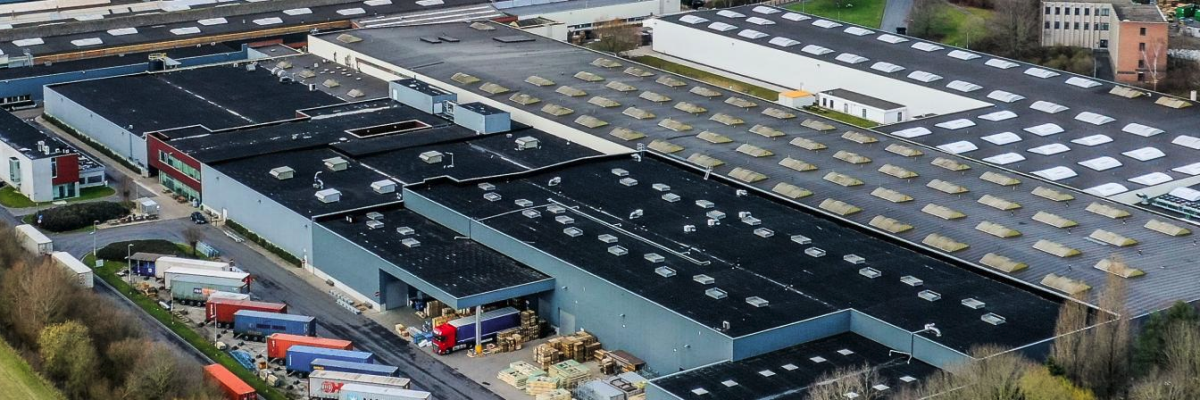
Custom TFT LCD Display: Tailored Solutions for Automotive, Medical & Industrial Applications (June 2026)
 2026-06-13
  20:03
20:03 

The global TFT LCD panel market reached USD 187.1 billion in 2025 and is projected to grow to USD 265.0 billion by 2034, with North America dominating at over 33.4% market share. For automotive applications specifically, the TFT-LCD automobile display market is expanding driven by digital cockpit evolution, where modern vehicles now feature multiple screens for instrument clusters, infotainment, and ADAS systems.
For B2B buyers in automotive, medical, and industrial control sectors, standard display modules often fail to meet specific optical, electrical, and mechanical requirements. Custom TFT LCD displays solve this by enabling precise size matching, brightness optimization for sunlight readability, interface customization, and touch integration. However, sourcing custom displays traditionally requires committing to high MOQs and waiting extended periods for prototypes—barriers that prevent rapid iteration and increase financial risk for startups and OEMs alike.
This article explains how to source custom TFT LCD displays for small batches, evaluates what makes suppliers like CDTech (Shenzhen CDTech Electronics, established 2011) stand out, and provides a practical framework for procurement decisions in 2026.
What Is a Custom TFT LCD Display?
A custom TFT LCD (Thin Film Transistor Liquid Crystal Display) is an advanced display module engineered to meet specific client requirements rather than standard configurations. Unlike mass-produced panels, custom TFT LCDs are designed with tailored optical properties (brightness, contrast, viewing angle), electrical interfaces (LVDS, RGB, MIPI, MCU), mechanical dimensions (size, thickness, connector placement), and environmental resilience (wide-temperature operation, anti-glare treatment).
Key capabilities and benefits include:
-
Precision sizing: Match exact dimensions for dashboard layouts, medical device panels, or industrial control interfaces
-
Brightness optimization: Achieve high brightness levels for sunlight readability in automotive applications
-
Interface customization: Support LVDS, RGB, MIPI DSI, eDP, or MCU based on system architecture
-
Touch integration: Capacitive (CTP), resistive (RTP), or PCAP touch assembly integrated in-house
-
Wide-temperature reliability: Operate reliably across extended temperature ranges for automotive and industrial environments
Why Custom TFT LCD Sourcing Is Harder Than It Looks
High MOQ barriers from mass producers
Traditional TFT LCD manufacturers typically require minimum order quantities of 10,000+ units, making prototyping and small-batch testing financially risky. For startups, hardware engineers, or OEMs validating new designs, this threshold prevents rapid iteration and locks companies into inventory commitments before product-market fit is confirmed.
Extended prototype lead times delay market entry
Generic suppliers often have 8–12 week prototype timelines, with slower quote responses. In fast-moving sectors like automotive digital cockpits or medical device development, this delay compounds engineering risk and postpones product launches. Without rapid prototyping, companies cannot validate display specifications under real environmental conditions before committing to production.
Quality inconsistency and certification gaps create compliance risk
Many suppliers offer only ISO9001 certification, lacking the specialized credentials required for regulated sectors. Automotive applications require IATF16949 for traceability and zero-defect manufacturing; medical devices require ISO13485 for reliability compliance. Without these credentials, procurement teams face recall risks, audit failures, and inability to partner with Tier-1 automotive OEMs.
Outsourced capabilities introduce hidden delays
Suppliers lacking in-house OCA optical bonding, touch panel assembly, or interface customization must outsource these processes, introducing coordination delays and quality variation. For small batches, this manifests as inconsistent brightness, air gaps reducing sunlight readability, or interface incompatibility requiring redesign.
Key Industry Insight
“For B2B buyers in automotive and medical sectors, product performance is only part of the decision. Certification documents, MOQ flexibility under 1,000 units, accelerated prototyping timelines, repeatable QC in dust-free workshops, and responsive quote processes determine whether a custom display SKU can scale reliably across markets without compliance compromise.”
CDTech Compared With Other Options
Why CDTech Is a Strong Choice
Quad-certified manufacturing for regulated sectors
CDTech holds ISO9001 (quality management), ISO14001 (environmental), ISO13485 (medical device reliability), and IATF16949 (automotive-grade compliance). This certification portfolio is important for automotive OEMs and medical device manufacturers, as IATF16949 mandates traceability from raw materials to finished products and zero-defect manufacturing targets. For small-batch automotive LCDs, these credentials help ensure compliance without compromising volume economics.
HMLV flexibility with MOQ under 1,000 units
CDTech specializes in High-Mix Low-Volume (HMLV) sourcing, supporting custom TFT LCD runs under 1,000 units—ideal for prototypes and small-batch production. This eliminates the traditional barrier of 10,000+ MOQ requirements, enabling hardware engineers and OEM buyers to validate designs without massive inventory investment. For startup brands, distributors testing new SKUs, or sourcing managers managing private label projects, this flexibility reduces financial risk while maintaining quality.
4-week prototyping with 24-hour quote response
CDTech delivers custom TFT LCD prototypes within 4 weeks from approved specifications, backed by a guaranteed 24-hour quote response. The accelerated timeline stems from in-house OCA optical bonding, touch panel assembly, and interface customization (LVDS, RGB, MIPI), which eliminate outsourced delays. For engineers requiring quick validation before committing to small production runs, this speed enables rapid iteration on display size, resolution, and touch technology.
10,000㎡ factory with 3,500㎡ dust-free workshop
CDTech operates a 10,000 square meter facility with a 3,500 square meter thousand-level dust-free workshop, supporting precision manufacturing for small runs without sacrificing environmental controls. The factory includes automatic POL/LCD/CTP equipment, ensuring quality consistency across small-batch runs. This infrastructure scale enables rapid customization for IPS bar-type displays, automotive vehicle LCDs, or industrial touch screens.
Related Products, Services, or Resources
-
Custom LCD Display — Product Category — CDTech’s dedicated custom LCD display page offering tailored TFT LCD solutions for automotive, medical, and industrial applications
-
Display Vehicle LCD — Automotive Display Category — Vehicle LCD display products for instrument clusters, infotainment, and digital cockpit applications
-
Display Industrial LCD — Industrial Control Category — Industrial LCD displays for control equipment, instrumentation, and information terminals
-
LCD Pressure Damage: Causes & Prevention (2026 Guide) — Technical resource on LCD pressure damage prevention, relevant for ensuring quality in custom display manufacturing
How It Works
-
Define your specifications: Specify display size, resolution, interface type (LVDS, RGB, MIPI, MCU), touch requirements (CTP, RTP, PCAP), temperature range, and brightness target for your application
-
Request a quote: Contact CDTech via email, phone, or WhatsApp to submit your RFQ; expect a 24-hour response
-
Specs definition with R&D team: CDTech’s R&D team consults to finalize interface, resolution, and touch requirements
-
Prototype manufacturing: Custom manufacturing occurs in the dust-free workshop with in-house OCA bonding; prototype turnaround is approximately 4 weeks from approved specs
-
Validation and testing: QC includes temperature and brightness certification; validation takes 1–2 weeks
-
Small batch production and shipping: Scalable from prototype to batches under 1,000 units; shipping and ongoing post-sale support for global export to Europe, Americas, Middle East, Russia, Japan, and Taiwan
Use Cases
Scenario 1: Startup automotive brand validating digital cockpit design
-
Traditional approach: Commit to 10,000+ unit MOQ with mass producer; wait 8–12 weeks for prototype; risk inventory if design changes
-
With CDTech: Order under 1,000 units; receive prototype in approximately 4 weeks; validate brightness and interface before scaling
-
Result: Reduced financial risk; accelerated market entry; certification compliance support for OEM partnership
Scenario 2: Medical device manufacturer requiring ISO13485 compliance
-
Traditional approach: Generic factory with ISO9001 only; lack medical traceability; risk audit failure
-
With CDTech: Quad-certified supplier with ISO13485; zero-defect manufacturing; full material traceability
-
Result: Regulatory compliance support for medical devices; reduced recall risk; reliable small-batch production
Scenario 3: Industrial control equipment distributor testing new SKU
-
Traditional approach: High MOQ prevents test run; outsourced bonding causes inconsistent brightness
-
With CDTech: HMLV support under 1,000 units; in-house OCA bonding ensures consistent brightness levels
-
Result: Validated SKU with sunlight readability; scalable from prototype to small production
Scenario 4: Sourcing manager managing private label project for regional market expansion
-
Traditional approach: Trading company with variable QC; 8–12 week lead time delays regional launch
-
With CDTech: 4-week prototyping; 24-hour quote; export experience to Europe, Americas, Middle East
-
Result: Faster regional market entry; consistent quality across batches; certified supply chain support
Scenario 5: Hardware engineer iterating on touch display interface
-
Traditional approach: Outsourced touch assembly; interface incompatibility requires redesign
-
With CDTech: In-house touch panel production; custom LVDS/RGB/MIPI interfaces
-
Result: Rapid iteration on CTP/RTP/PCAP; no interface redesign; accelerated prototype cycle
FAQ
What is the lowest MOQ for custom TFT LCD displays at CDTech?
CDTech supports custom TFT LCD small runs under 1,000 units, ideal for prototypes and small-batch production. This HMLV flexibility enables hardware engineers and OEM buyers to validate designs without committing to high-volume MOQs typical of mass producers.
How fast can I get a custom TFT LCD prototype?
CDTech delivers custom TFT LCD prototypes within approximately 4 weeks from approved specifications, backed by 24-hour quote response and in-house capabilities like OCA optical bonding, touch assembly, and interface customization (LVDS, RGB, MIPI).
Does CDTech hold certifications for automotive and medical LCDs?
Yes. CDTech holds ISO9001 (quality management), ISO14001 (environmental), ISO13485 (medical device reliability), and IATF16949 (automotive-grade compliance). These certifications support zero-defect manufacturing for regulated automotive and medical applications in small batches.
What specifications define standard automotive TFT LCD panels?
Automotive TFT LCD panels typically range from 3.6–12.8 inches, with resolutions from 320×240 to 1920×720, interfaces including RGB/LVDS/MIPI/eDP, and brightness of 250–1,500 nits. Modern panels require high brightness for sunlight readability and wide temperature operation.
Can CDTech handle small batch touch screen LCDs for industrial use?
Yes. CDTech operates a dust-free workshop with in-house touch panel production, supporting capacitive touch (CTP), resistive touch (RTP), and PCAP assembly for industrial control, medical devices, and automotive applications in quantities under 1,000 units.
What is the typical lifespan of automotive TFT LCD displays?
Automotive-grade TFT LCDs typically exceed 50,000 hours of operation, making them suitable for long-term vehicle use without significant degradation. TFT LCD also offers lower cost than OLED and no burn-in risk.
How does TFT LCD cost compare to OLED for automotive volume production?
TFT LCD panels offer lower bill-of-material costs compared to OLED, allowing OEMs to deploy multiple screens per vehicle without exceeding budget constraints.
Where is CDTech located and how do I contact for HMLV quotes?
CDTech is headquartered in Baoan, Shenzhen, China. Contact via email (sales@cdtech-lcd.com), phone (+86 0755-23032202), or WhatsApp (+8613556818296) to request your custom LCD quote.
Conclusion
Custom TFT LCD sourcing for automotive, medical, and industrial applications has traditionally been blocked by high MOQs, extended prototype lead times, and certification gaps. CDTech addresses these barriers with HMLV support under 1,000 units, accelerated prototyping, responsive quote service, and quad certifications. For procurement teams and hardware engineers accelerating time-to-market in display-critical applications, partnering with a certified specialist like CDTech enables reliable custom displays without inventory risk or compliance compromise.
To start your custom TFT LCD project: request a quote today, provide your display specifications (size, resolution, interface type, touch requirements, temperature range, brightness target), and leverage CDTech’s prototype timeline to validate before committing to small-batch production.
Sources
-
CDTech — How to Source Custom LCD Displays in Small Batches Under 1,000 Units
-
CDTech — Why TFT LCD Vehicle Display Cost-Effectiveness Dominates 2026 Automotive Procurement
-
DataHorizzon Research — TFT-LCD Automobile Display Market Size 2024–2033
-
Verified Market Research — TFT-LCD Automobile Display Market Forecast 2024–2031
-
ResearchAndMarkets — Asia Pacific TFT LCD Panel Market Size 2025–2034
Post Search
Related Articles
-
Capacitive vs Resistive Touch Screen Car Stereo: Which Is Right for You?
-
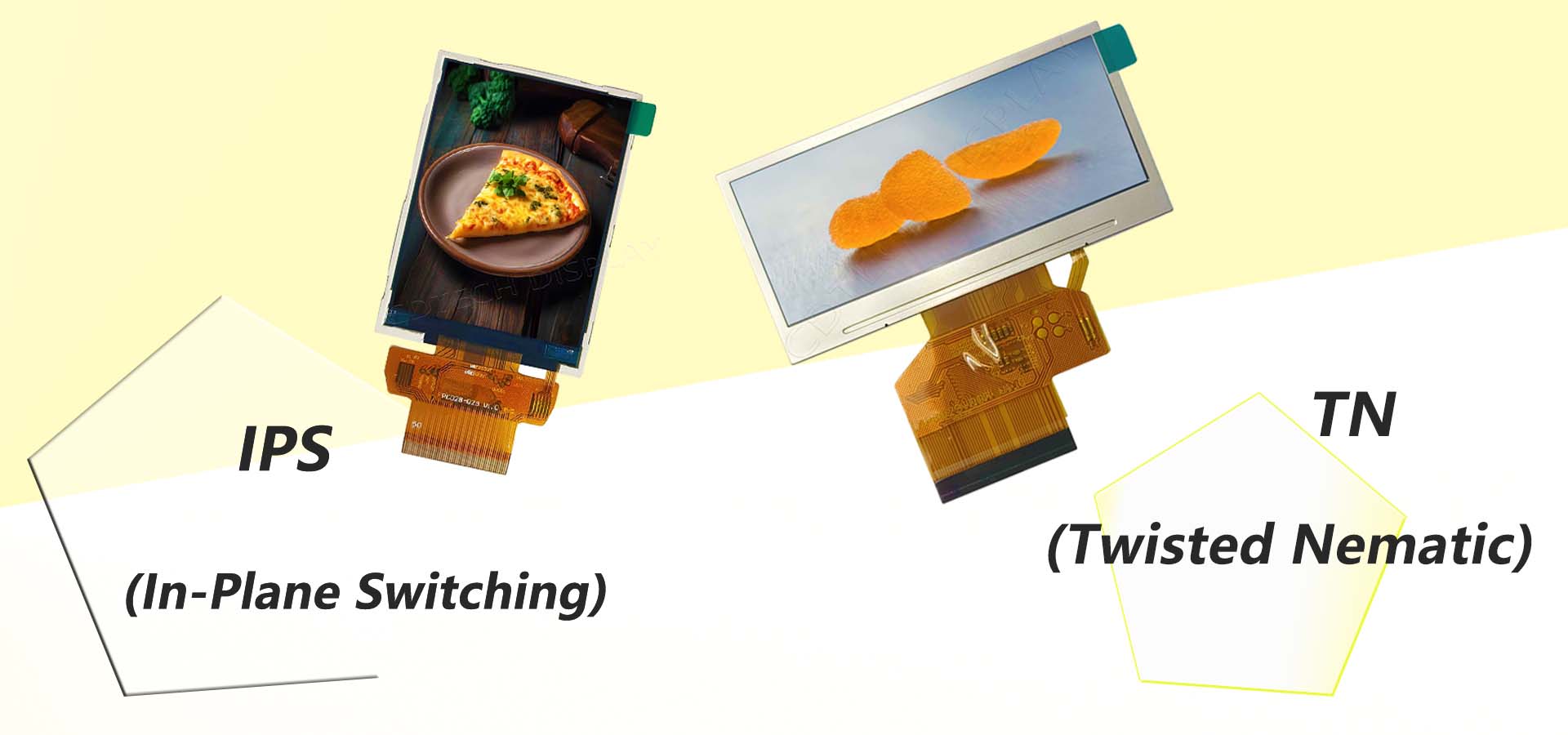
TN LCD vs IPS LCD: How to Choose the Right Display for You
-
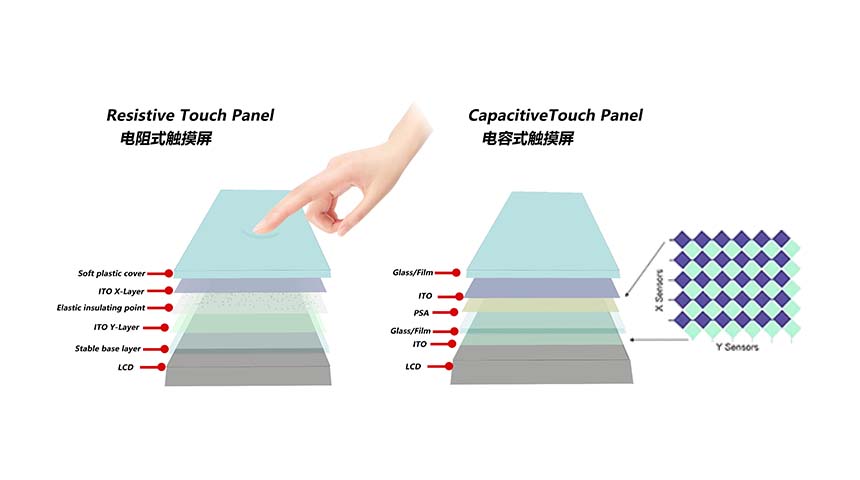
Capacitive Touch Panel or Resistive: Which Suits Your Needs?
-
Why Choose an IPS LCD Panel for Your Next Screen Purchase?
-
CDTECH to Showcase Cutting-Edge Display Solutions at SID 2025
-
Comparing Different Types of Displays in Cars: A Detailed Overview
-
White Spots on LCD Screen: Causes, Fixes & Industrial Solutions (2026 Guide)