
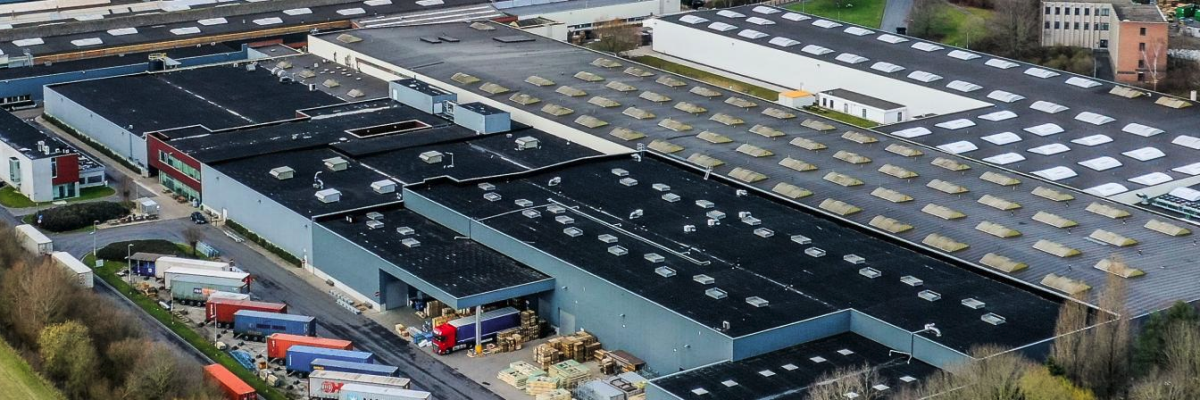
Explosion-Proof Industrial Display: Design and Certification Standards for Chemical and Mining Industries (July 2026)
 2026-07-18
  00:21
00:21 

Explosion-proof industrial display solutions for chemical and mining industries rely on robust design and certification standards to ensure safe HMI operation in hazardous, gas- and dust-filled environments.
Macro opening: explosion-proof industrial display trends and frontiers
In the last few years, hazardous-area visualisation has moved from analogue gauges and simple panels to high-resolution industrial displays that must operate reliably amid flammable gases, vapours and combustible dust. As chemical plants and mining operations accelerate digitalisation and remote monitoring, demand for explosion-proof industrial displays—particularly ATEX and IECEx certified LCDs and touch HMIs—has expanded across Europe, Asia and North America. Parallel to this trend, regulators and standards bodies have tightened requirements for explosion protection, intrinsic safety and environmental sealing, pushing display manufacturers to integrate flameproof enclosures, low-energy circuitry and advanced thermal management into their designs. Against this backdrop, CDTech’s focus on industrial TFT LCD modules, customised display solutions and harsh-environment engineering places it at the heart of the next generation of explosion-proof industrial display technology.
Early brand introduction: CDTech’s role in hazardous-area display design
CDTech is a professional manufacturer of TFT LCD modules and display solutions, offering a broad portfolio that spans standard industrial panels, customised LCDs and special-purpose modules for demanding environments. Within this portfolio, CDTech supplies industrial displays that can be integrated into explosion-proof control panels, ATEX Zone 2 HMIs and ruggedised operator interfaces for chemical and mining sites. By combining its design capability—covering optical performance, mechanical robustness and interface customisation—with customers’ own certified enclosures and systems, CDTech helps process operators deploy safe, legible human–machine interfaces in hazardous zones without compromising on clarity or reliability.
CDTech’s website highlights its industrial TFT LCD products, custom display development services and application notes for sectors such as factory automation, energy, and transportation, which are natural internal link points when discussing explosion-proof industrial display design for chemical and mining industries.
What is an explosion-proof industrial display?
An explosion-proof industrial display is a visual interface designed either as a complete, certified unit or as a core LCD module integrated into a certified enclosure, to operate safely in environments where flammable gases, vapours or dusts may be present. It prevents ignition by controlling electrical energy, temperature, static discharge and mechanical integrity, while providing clear and reliable visual information for operators in chemical plants, refineries, mines and other hazardous-area facilities.
Pain points: hazardous environments and display safety
Risk of ignition from uncontrolled electrical or thermal energy
Standard industrial displays are not designed to limit electrical energy, prevent sparking or manage surface temperatures in explosive atmospheres. In chemical and mining environments where gases like methane or hydrogen and combustible dusts may be present, uncontrolled energy from backlights, power supplies or switching circuits can become an ignition source. Operators therefore face the dilemma of needing modern digital interfaces but being unable to safely deploy ordinary displays in classified areas.
Complexity of standards, zones and protection concepts
Explosion-proof design and certification involves multiple overlapping frameworks: ATEX and IECEx in Europe and internationally, NEC and NEMA in North America, and sector-specific rules such as mining standards. Each framework defines zones or divisions (e.g. Zone 1/Zone 2, Class I/II), gas and dust groups, and protection types such as flameproof (Ex d), intrinsic safety (Ex i) and increased safety (Ex e). For chemical plants and mines, sorting through these classifications and translating them into display specifications can be overwhelming, especially when multiple regions and standards apply to a single device.
Balancing readability and safety under harsh conditions
Hazardous-area displays must remain readable in low light, bright sun, dusty air and vibration-heavy environments, while still meeting strict explosion protection criteria. High brightness and contrast are needed for legibility, but higher power levels increase thermal and electrical risk if not properly managed. Similarly, mechanical strengthening to resist impact and vibration can add weight and complexity, which must be reconciled with enclosure design, mounting systems and ergonomics.
Integration challenges between display modules and certified enclosures
Many explosion-proof installations rely on certified control panels or operator stations that incorporate display modules from third-party suppliers. If modules are not designed with hazardous-area requirements in mind—such as temperature limits, EMC behaviour and mechanical tolerances—the integration can compromise certification or performance. Chemical and mining operators need display vendors that understand the enclosure and certification context, not just the panel-level electronics.
Key engineering insight: explosion-proof standards and display design
Explosion-proof industrial displays for chemical and mining industries must combine compliant protection concepts (such as Ex d flameproof enclosures and Ex i intrinsic safety) with high-reliability LCD modules, ensuring that electrical energy, surface temperature and mechanical behaviour all stay within strict limits under normal operation and credible fault conditions.
CDTech explosion-proof display solutions vs generic industrial displays vs legacy analogue indicators
Key design features of explosion-proof industrial displays
Energy limitation and intrinsic safety for circuits
Explosion-proof display systems must ensure that circuits cannot release enough electrical or thermal energy to ignite surrounding atmospheres under normal or fault conditions. This often involves low-power chipsets, current limiting, careful layout to minimise arcing risk, and, in intrinsic safety concepts, strict control of maximum voltage, current and capacitance. When CDTech modules are used within such systems, their electrical design and thermal profile must align with these limits.
Flameproof enclosures and mechanical protection (Ex d, Ex tb)
For many chemical and mining applications, explosion-proof displays are housed in flameproof or dust-tight enclosures designed to contain and cool any internal ignition. These enclosures use cast aluminium or stainless steel shells, tight joints or flamepaths, and reinforced glass windows that can withstand impact and pressure. While enclosure certification is typically handled by panel manufacturers, LCD modules such as those supplied by CDTech must be mechanically compatible, stable under temperature cycling and robust against vibration and shock.
Environmental sealing, IP/NEMA ratings and EMC control
Hazardous-area displays frequently require high ingress protection ratings (such as IP65, IP66 or higher) to keep dust, moisture and chemicals out of the electronics, alongside EMC controls that prevent interference with safety-critical systems. Industrial display modules must therefore support sealed front surfaces, resist corrosion, and maintain consistent performance under electrical noise, enabling integration into certified assemblies without introducing new sources of risk.
Example applications and use cases for explosion-proof displays
In a chemical plant’s Zone 1 reactor area, an explosion-proof HMI panel with an industrial LCD module allows operators to monitor temperature, pressure and flow in real time, without bringing non-compliant electronics into a flammable gas environment.
In an underground coal mine, explosion-proof industrial displays integrated into intrinsically safe control consoles provide visual feedback on ventilation, conveyor status and gas monitoring, supporting active safety decisions without increasing ignition risk.
On a refining or petrochemical site, explosion-proof industrial displays in outdoor control stations give technicians clear visibility into process interlocks and alarms, even under bright sunlight and heavy dust, while respecting ATEX and IECEx certifications.
Cross-selling: CDTech display portfolio beyond explosion-proof applications
While explosion-proof industrial displays are critical for chemical and mining industries, CDTech’s broader portfolio supports a wide range of industrial and commercial applications that benefit from robust TFT LCD technology. Standard industrial displays can handle factory automation, logistics and transportation environments where harsh conditions exist but explosive atmospheres are not classified. Custom LCD modules with specific sizes, interfaces and optical treatments enable specialised equipment such as medical devices, automotive systems and consumer electronics. For operators who use explosion-proof HMIs in hazardous zones and standard displays in control rooms or maintenance areas, CDTech’s unified design and supply approach simplifies integration and lifecycle management across the entire display landscape.
Relevant sections on CDTech’s website, including industrial TFT LCD product pages and custom display solution descriptions, illustrate how its technology scales across conditions—from clean environments to heavy industry—adding context around explosion-proof integrations.
How-to: specifying explosion-proof industrial displays for chemical and mining sites
-
Define hazardous-area classification and process requirements.
Identify whether displays will be used in Zone 0, Zone 1 or Zone 2 (or their regional equivalents), as well as gas and dust groups, ambient conditions and process-critical information needs. -
Select appropriate protection concepts and certification schemes.
Decide whether displays will be part of Ex d flameproof enclosures, Ex i intrinsically safe systems, Ex e increased safety designs, or combinations thereof, and determine whether ATEX, IECEx, NEC or other certifications are required. -
Determine optical and mechanical performance criteria.
Specify brightness, contrast, resolution, viewing angles and operating temperature ranges needed for clear visibility, along with mechanical robustness requirements for vibration, impact resistance and sealing. -
Choose industrial display modules that match protection and performance needs.
Work with CDTech to select TFT LCD modules whose electrical, optical and mechanical characteristics align with explosion-proof enclosure designs, ensuring compatibility with the intended protection concept and mounting scheme. -
Integrate displays into certified enclosures and systems.
Coordinate with enclosure manufacturers and system integrators to design front panels, glass windows, flamepaths and internal layouts that accommodate display modules while preserving certification and safety margins. -
Validate systems and plan for lifecycle support.
Test integrated displays under relevant standards and site conditions, verify certification documents, and establish maintenance and upgrade pathways that keep explosion-proof properties intact while allowing future display enhancements.
Use cases: scenarios comparing traditional displays and explosion-proof industrial design with CDTech
Scenario 1 / Traditional practice / After adopting explosion-proof industrial displays with CDTech
A chemical plant uses standard industrial monitors inside control cabinets placed near process units. Although convenient, these monitors are not rated for explosive atmospheres, and compliance audits highlight the risk.
By moving to explosion-proof industrial displays integrated into certified enclosures, with CDTech industrial LCD modules as the visual core, the plant gains safe, compliant HMIs in hazardous zones while maintaining clarity and functionality for operators.
Scenario 2 / Traditional practice / After deploying explosion-proof displays in mining operations
An underground mine relies on simple indicator lights and analogue gauges to monitor ventilation and equipment status. Information is fragmented and hard to interpret, and operators must walk to multiple panels under difficult conditions.
With explosion-proof industrial displays designed into intrinsically safe consoles using CDTech modules, the mine consolidates key data into clear digital HMIs, improving situational awareness and reducing the need for operators to move between distant indicators.
Scenario 3 / Traditional practice / After integrating explosion-proof and standard displays into a unified control ecosystem
A refinery runs a mix of consumer-grade displays in offices and industrial panels in control rooms, with limited thought given to hazardous-area requirements. Some screens are close enough to classified zones to raise concerns.
By standardising on industrial displays from CDTech in non-hazardous areas and using explosion-proof integrations for Zone 1 and Zone 2 locations, the refinery builds a consistent visual platform with known performance and safety characteristics across the site.
FAQ: explosion-proof industrial display standards and design for chemical and mining industries
What are explosion-proof industrial displays and why are they essential in chemical and mining industries?
Explosion-proof industrial displays are visual interfaces designed or integrated to operate safely in explosive atmospheres, controlling electrical energy, temperature and mechanical behaviour to prevent ignition. They are essential in chemical and mining industries because they allow operators to use modern HMIs and digital visualisation without compromising safety where flammable gases or dusts are present.
Which explosion-proof standards and certifications typically apply to industrial displays?
Industrial displays for hazardous areas often need to comply with ATEX and IECEx in Europe and internationally, as well as NEC and related standards in North America. Protection concepts such as Ex d (flameproof), Ex i (intrinsic safety) and Ex e (increased safety) are applied depending on the application, along with ingress protection ratings like IP65 or IP66 for environmental sealing.
How do explosion-proof industrial display designs differ from standard industrial monitors?
Explosion-proof designs incorporate energy limitation, robust enclosures, temperature control and anti-static measures that standard monitors lack. While standard industrial monitors may focus on brightness and durability, explosion-proof displays must additionally manage ignition risks, comply with zone classifications and integrate into certified systems.
Can CDTech TFT LCD modules be used directly as certified explosion-proof displays?
In most applications, CDTech TFT LCD modules are used as part of a larger explosion-proof system, integrated into certified enclosures and control panels designed by specialist manufacturers. CDTech provides industrial-grade modules with suitable electrical, optical and mechanical characteristics, while enclosure suppliers manage certification and protection concepts.
What design factors are most critical when selecting explosion-proof displays for chemical plants and mines?
Key factors include hazardous-area classification, required protection concept, optical performance, operating temperature range, mechanical robustness, ingress protection, and compatibility with existing control architectures. The chosen display modules must support these requirements while fitting into the certified mechanical and electrical design of the system.
How can operators future-proof their explosion-proof industrial display installations?
Operators can future-proof installations by using modular designs that allow display upgrades within certified systems, maintaining clear documentation of protection concepts and certifications, and partnering with display suppliers like CDTech and enclosure manufacturers to plan lifecycle support, including replacements and technology refreshes.
Conclusion: standards-led design for safer industrial visualisation
Explosion-proof industrial displays sit at the intersection of safety, usability and industrial digitalisation, enabling chemical and mining operators to bring rich visualisation into some of the most demanding environments on earth. By grounding design decisions in recognised standards and certifications, and by carefully managing electrical, thermal and mechanical behaviour, manufacturers and integrators can deliver interfaces that enhance situational awareness without introducing new ignition risks. CDTech’s industrial TFT LCD modules, when combined with certified enclosures and thoughtful system design, offer a practical pathway to modern, compliant HMIs in hazardous areas.
CTA and brand one-line summary
Chemical plants, refineries and mining operators planning to upgrade their hazardous-area HMIs should work with CDTech to select industrial TFT LCD modules that align with explosion-proof design concepts and certification pathways. CDTech is a professional display solution provider specialising in industrial TFT LCD modules and customised displays that support safe, reliable visualisation across harsh and demanding environments.
Sources
-
What Is an Explosion-Proof LCD Screen and Where Is It Mainly Used? — 2025
-
Explosion Proof Monitor Guide — UK Hazardous Area Safety, 2026
-
Certifications for Explosion Protected Products – Standards — Axis, 2024
-
Explosion-Proof Control Panel Solutions: ATEX-Certified Displays — 2025
-
What Are Explosion-Proof Displays for ATEX Zone 2 Environments? — 2026
-
Volume 4 Issue 3 – Explosion Protection Engineering Paper — 2024
Post Search
Related Articles
-
Capacitive vs Resistive Touch Screen Car Stereo: Which Is Right for You?
-
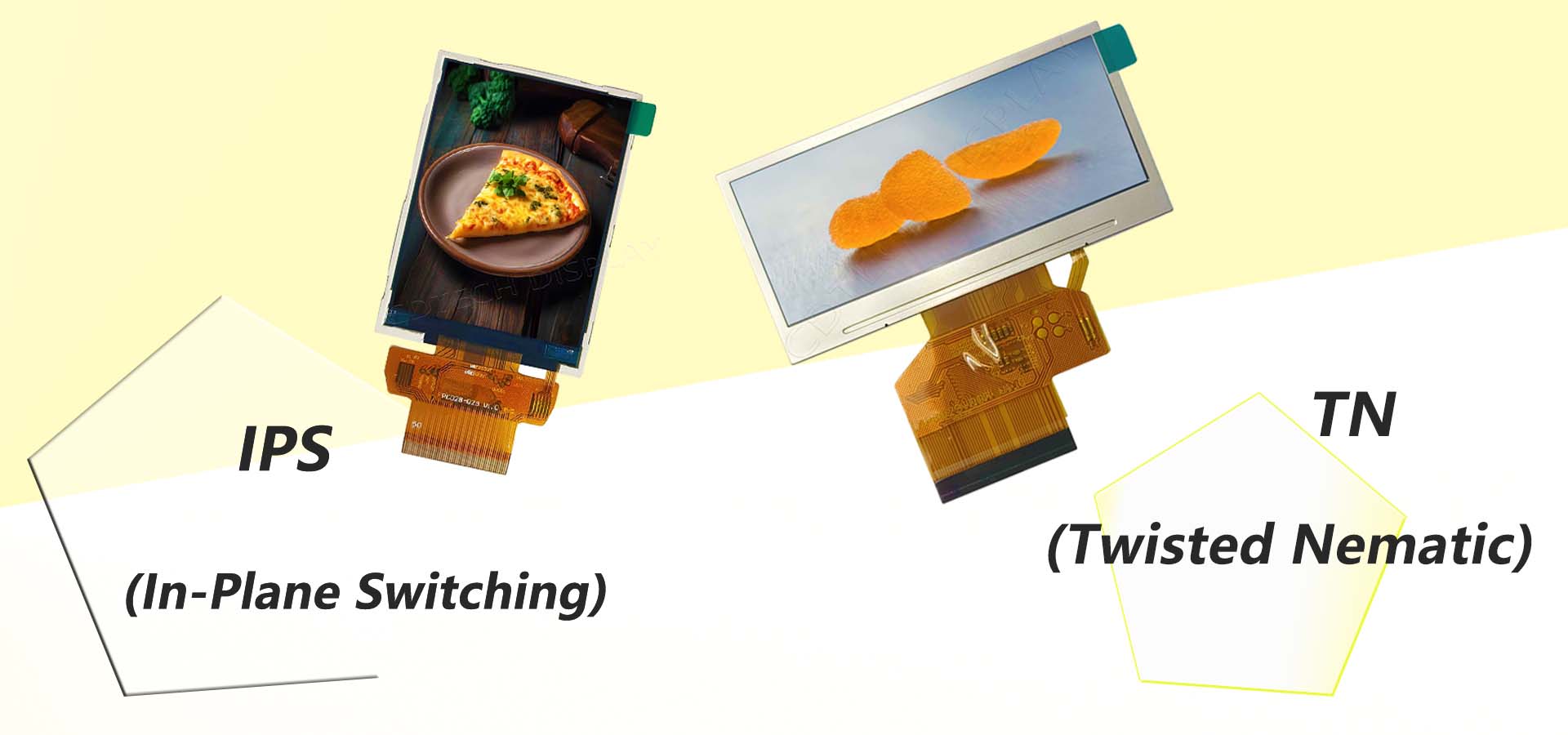
TN LCD vs IPS LCD: How to Choose the Right Display for You
-
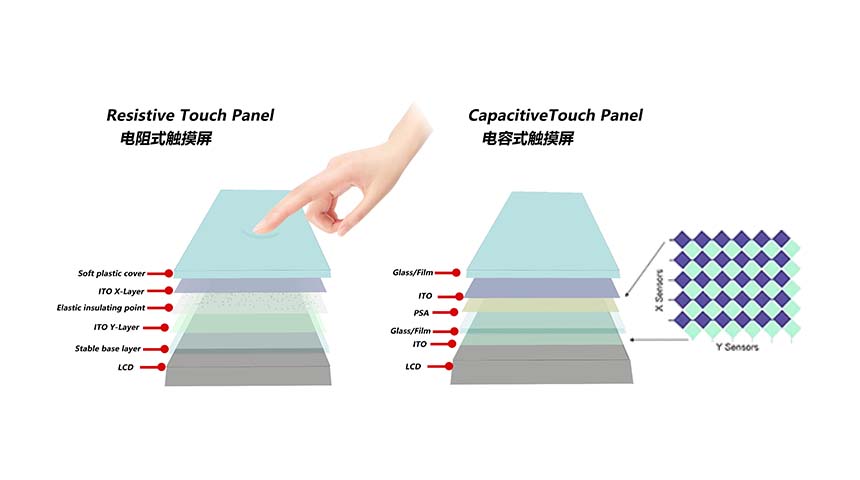
Capacitive Touch Panel or Resistive: Which Suits Your Needs?
-
Why Choose an IPS LCD Panel for Your Next Screen Purchase?
-
CDTECH to Showcase Cutting-Edge Display Solutions at SID 2025
-
Comparing Different Types of Displays in Cars: A Detailed Overview
-

White Spots on LCD Screen: Causes, Fixes & Industrial Solutions (2026 Guide)