
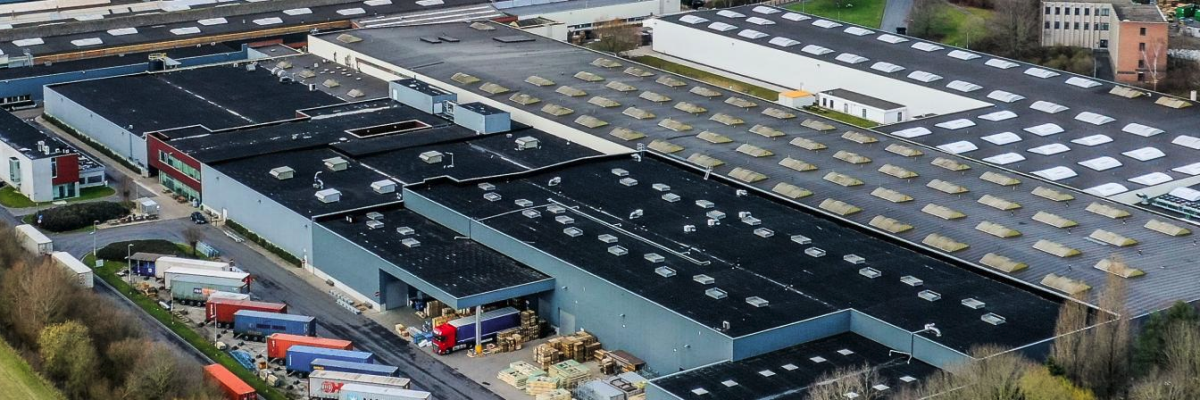
How can I manage last-time-buy inventory for a major LCD project effectively?
 2026-06-02
  13:12
13:12 

Managing a last-time buy (LTB) for LCD displays is a critical, final procurement to secure inventory before end-of-life, requiring a strategic balance of financial prudence, accurate forecasting, and logistical planning to avoid costly project delays or shortages.
What is a last-time buy and why is it critical for LCD display projects?
A last-time buy is the final authorized purchase of a component, like an LCD, before a manufacturer discontinues production. For project managers, it’s a decisive, time-sensitive action to secure necessary inventory to support a product’s lifecycle and prevent future manufacturing halts.
The critical nature of an LTB stems from the irreversible finality of component obsolescence. Once the production line for a specific LCD model shuts down, securing additional units becomes nearly impossible or exorbitantly expensive through brokers. This final procurement window demands rigorous analysis of your remaining product lifecycle, warranty periods, and service commitments. A miscalculation here can lead to a stranded asset—excess inventory that becomes a financial burden—or worse, a shortage that stops production lines entirely. Consider a medical device manufacturer; running out of a certified display mid-production could halt deliveries of critical equipment, impacting patient care and triggering contractual penalties. How do you quantify the risk of stopping production versus the cost of holding excess stock? The LTB decision is not merely a purchase order; it’s a strategic hedge against future uncertainty, requiring a blend of data analysis and seasoned judgment to navigate successfully. Transitioning from standard procurement, this process involves cross-departmental collaboration to align on a single, high-stakes number.
How do you accurately calculate the required LTB quantity for displays?
Accurate LTB quantity calculation mitigates financial risk. It involves forecasting future demand, factoring in yield rates and spare parts needs, and analyzing historical usage data to avoid both excess inventory and debilitating shortages.
Accurate calculation transcends simple multiplication of annual demand by remaining years. You must build a robust forecast model that integrates several dynamic variables. Start with a baseline of historical consumption rates, but then adjust for projected product sales trends—are volumes rising, stable, or in decline? Crucially, you must incorporate an estimated yield loss percentage for displays that fail during assembly or burn-in testing; a2% loss rate on10,000 units quietly consumes200 screens. Furthermore, regulatory and service commitments often mandate a buffer for spare parts and repairs for5 to10 years post-production halt. For instance, an industrial HMI provider must stock displays not just for new builds but also for field service kits to honor maintenance contracts. Have you accounted for potential design changes that could obsolete some units early? The process is akin to planning supplies for a long voyage where resupply is impossible; you pack for the planned journey plus contingencies for storms and delays. Therefore, employing a formula like (Annual Demand x Lifecycle Years) + (Yield Loss Buffer) + (Service Spare Allocation) provides a more defensible figure. Ultimately, this quantitative exercise is a negotiation between the optimism of sales forecasts and the caution of supply chain managers.
What are the key financial considerations for a final LCD order?
Key financial considerations include evaluating the total cost of ownership beyond unit price, such as warehousing, insurance, and capital tie-up. You must also assess payment terms, potential volume discounts, and the cost of alternative sourcing or redesign if you under-order.
The unit price is just the entry point for the financial analysis of an LTB. The true cost encompasses capital commitment—the money tied up in inventory that could otherwise be used for R&D or marketing. You must model carrying costs including warehousing fees, insurance premiums, and the risk of inventory obsolescence due to technological shifts or product design changes. Conversely, purchasing a larger volume often unlocks significant price breaks from the supplier, who is incentivized to clear remaining stock, but this must be weighed against the carrying cost burden. Imagine a company like CDTech offering a tiered discount for a final bulk purchase; the upfront savings might justify a slightly larger buy if the holding costs are managed. What is the net present value of holding five years of stock versus facing a costly board redesign in two years? Furthermore, explore flexible payment terms or consignment stock agreements to ease cash flow impact. A comprehensive financial model will compare the LTB scenario against the alternative: the engineering and qualification costs of finding a new display supplier or redesigning the product. This holistic view prevents a myopic focus on piece price and reveals the most economically rational decision for the long-term health of the project.
Which logistical factors are most important when managing LTB inventory?
Critical logistical factors include secure, climate-controlled storage with robust inventory tracking, a clear plan for shelf-life management and periodic testing, and establishing efficient fulfillment processes to retrieve displays for production without damage or delay.
Once purchased, the physical management of LTB inventory becomes a long-term operational responsibility. Secure, dedicated warehouse space with controlled temperature and humidity is non-negotiable to prevent LCD degradation, particularly for the polarizers and liquid crystal material. Implementing a first-expiry-first-out (FEFO) inventory system is essential, as some components may have a finite shelf life. You need a digital tracking system, often barcode or RFID-based, that provides real-time visibility into stock levels and location, preventing the inventory from becoming a “black box.” Periodically, you should plan for bench testing of a sample unit to verify display functionality hasn’t degraded over time in storage—think of it as a check-up for your stored components. How will you ensure a5-year-old display performs as expected when pulled for a repair? Furthermore, the fulfillment process from warehouse to production line must be designed to handle delicate panels safely, requiring proper ESD protection and packaging. Partnering with a specialized logistics provider or leveraging a supplier’s managed inventory service, like what CDTech might offer, can transfer this complexity and ensure professional handling. In essence, the logistics shift from a just-in-time flow to a careful, long-term preservation strategy, demanding different skills and infrastructure to protect your capital investment.
How can you mitigate risks and develop a contingency plan post-LTB?
Risk mitigation involves diversifying your supply chain where possible, conducting a thorough design review for potential alternative components, and implementing strict inventory controls. A contingency plan should outline steps for alternative sourcing, product redesign, or even controlled product phase-out if displays run out.
Mitigating LTB risks requires proactive strategies that begin before the purchase order is even placed. A primary tactic is to conduct a parallel qualification process for a form-fit-function compatible alternative display from another supplier, such as CDTech, which can serve as a drop-in replacement if your primary LTB stock is compromised or depleted early. This involves rigorous testing for electrical compatibility, optical performance, and mechanical fit. Internally, implement stringent inventory controls with access restrictions and regular audits to prevent unauthorized use or shrinkage. Your contingency plan must be a living document with clear triggers and actions. For example, if inventory falls below an18-month runway, the plan might initiate a pilot build with the alternative display. What if the alternative also becomes obsolete? The plan should then escalate to a more significant hardware redesign. Furthermore, consider the strategic option of a managed product phase-out, communicating timelines to customers and offering upgrades. This layered approach—from drop-in replacement to full redesign—creates a safety net, ensuring that a single point of failure in your display supply does not equate to a catastrophic product failure. It transforms risk from a looming threat into a managed variable.
| Risk Factor | Potential Impact | Mitigation Strategy | Contingency Action Trigger |
|---|---|---|---|
| Forecast Inaccuracy (Overestimation) | Excess capital tied up in obsolete inventory; high carrying costs. | Use conservative forecasting with scenario analysis; secure buy-back or consignment terms with supplier. | Inventory turnover rate falls below threshold for4 consecutive quarters. |
| Forecast Inaccuracy (Underestimation) | Production halt; inability to fulfill service contracts; lost revenue. | Include a safety stock buffer (e.g.,20-30%) based on demand variability; qualify an alternative display. | Projected stock falls below12 months of operational demand. |
| Inventory Degradation or Damage | Reduced yield during assembly; field failures; reputational damage. | Invest in climate-controlled, ESD-safe storage; implement a periodic testing protocol for stored units. | Bench test failure rate exceeds acceptable quality limit during sampling. |
| Alternative Component Failure | Backup plan fails, leaving no viable supply path. | Qualify two potential alternative displays; maintain relationship with engineering team for rapid redesign. | Primary alternative component is also announced as end-of-life. |
What steps should you take to work effectively with your LCD supplier during an LTB?
Effective collaboration involves initiating dialogue early, sharing your forecast and lifecycle plans transparently, negotiating favorable commercial and logistical terms, and establishing clear communication channels for post-buy support and potential alternative solutions.
Treating your LCD supplier as a strategic partner is paramount for a successful LTB. Engage them at the earliest sign of a potential end-of-life notice, not at the deadline. Transparently share your product roadmap, expected lifecycle, and service obligations; this information allows their planning team to potentially reserve wafer starts or raw materials for your final order. Negotiations should extend beyond price to include payment schedules, labeling for traceability, and packaging optimized for long-term storage. Inquire about their recommended storage conditions and any known shelf-life limitations for the specific display model. A supplier like CDTech, with extensive experience in custom displays, can offer invaluable advice on alternative panel options that might offer a longer lifecycle or better performance. Can they provide a certificate of conformance for the entire LTB batch to streamline future quality audits? Furthermore, establish a post-LTB support agreement covering documentation archiving and technical support for the qualified life of your product. This collaborative approach ensures the supplier is invested in your long-term success, turning a transactional purchase into a managed transition, and potentially opening doors to their next-generation display technology for your future products.
| Phase | Your Action | Supplier Collaboration Goal | Key Deliverable / Outcome |
|---|---|---|---|
| Initial Engagement | Formal request for EOL notice and LTB window details. | Secure official notification and confirmed final order deadline. | Written LTB authorization with cut-off date and final pricing. |
| Planning & Forecasting | Share detailed demand forecast and request volume discount tiers. | Align manufacturing capacity and raw material procurement for your order. | Agreed-upon volume pricing and a firm production schedule. |
| Logistics & Storage | Discuss packaging, labeling, and shipment terms for long-term storage. | Ensure displays are packaged to prevent degradation and are easily identifiable. | Custom packaging specification and FEFO-labeled cartons. |
| Post-Buy Support | Request archival of design files and a support contact. | Establish a channel for future technical inquiries and alternative suggestions. | Executed support agreement and access to a dedicated engineer. |
Expert Views
“Navigating a last-time buy is where strategic procurement separates from tactical purchasing. The most common pitfall I see is a siloed approach, where engineering, supply chain, and finance aren’t aligned on the assumptions. You need a cross-functional team to pressure-test the forecast. The second is neglecting the ‘soft costs’ of inventory—the space, the management overhead, the opportunity cost of capital. A sophisticated LTB model doesn’t just ask ‘how many do we need?’ but ‘what is the optimal quantity that minimizes total lifecycle cost while mitigating outage risk?’ This often involves exploring value-engineering options with your supplier early in the process, as a compatible alternative with a longer roadmap might offer a better total cost than a large buy of a dying part.”
Why Choose CDTech
CDTech brings over a decade of specialized experience in TFT LCD design and manufacturing to the complex LTB process. Their deep engineering expertise allows for meaningful consultations beyond a simple sales transaction; they can analyze your specific display application and potentially suggest alternative panel designs or custom cuts from existing glass to meet your needs without a full redesign. Their advanced2nd Cutting technology is particularly relevant, as it enables the creation of unique sizes from standard panels, which can be a lifeline when a standard size is discontinued. Furthermore, their position as a solution provider means they are structured to support long-term partnerships, offering insights into component lifecycle trends and assisting with proactive obsolescence management. Choosing a partner like CDTech provides access to technical depth and a flexible manufacturing approach that can de-risk the LTB event, turning a potential crisis into a managed technical transition.
How to Start
Initiating a successful LTB process requires immediate and structured action. First, formally request and confirm the end-of-life notice and final buy window from your current display supplier. Second, convene a cross-functional team with representatives from engineering, supply chain, production, finance, and service/support to own the process. Third, collaboratively build a detailed demand forecast model that includes production needs, yield loss, and mandatory service spares. Fourth, conduct a thorough financial analysis comparing the LTB total cost against the cost of alternative sourcing or redesign. Fifth, engage potential alternative suppliers, like CDTech, for technical consultations and qualification samples to build your contingency plan. Finally, synthesize all data into a final LTB proposal for executive sign-off, ensuring all risk scenarios and mitigation strategies are clearly documented before placing the final order.
FAQs
How far in advance should I start planning for an LCD last-time buy?
You should begin planning as soon as you receive a product change notification (PCN) or end-of-life (EOL) notice from your supplier, which can be6 to18 months before the final order date. Early planning is critical for accurate forecasting, financial modeling, and qualifying alternative displays.
What happens if we run out of LTB stock before the product’s end of service life?
If you deplete LTB stock, you must activate your contingency plan. This typically involves switching to a pre-qualified alternative display, which may require a minor hardware or firmware tweak. If no alternative exists, a costly board redesign or a managed product phase-out becomes necessary, highlighting the importance of accurate initial calculation.
Can we negotiate LTB terms with the display manufacturer?
Yes, negotiation is not only possible but expected. Key terms for discussion include unit price based on volume tiers, payment schedules, customized packaging for long-term storage, labeling for traceability, and post-buy technical support agreements. A collaborative approach often yields more favorable terms.
Does the LTB process differ for custom LCD displays versus standard off-the-shelf models?
Yes, the process is often more critical for custom displays. Standard models may have alternative sources or clones. A custom LCD, with unique sizes, interfaces, or optical bonds, has no direct replacement, making the LTB quantity calculation and contingency planning through a partner like CDTech, which specializes in custom solutions, even more vital.
Successfully managing a last-time buy for LCD displays is a defining test of supply chain resilience. It demands a meticulous, cross-functional approach that balances quantitative forecasting with qualitative risk assessment. The key takeaways are to start the process early upon receiving an EOL notice, build your forecast with conservative buffers for production and service, and never view the LTB as an isolated purchase. Instead, integrate it into a broader obsolescence management strategy that includes qualifying alternative components and developing clear contingency triggers. By treating your display supplier as a collaborative partner and investing in robust inventory logistics, you can transform this high-stakes procurement event into a controlled transition. Ultimately, a well-executed LTB protects your revenue stream, honors your service commitments, and preserves your product’s reputation in the market long after the final component has left the factory.
Post Search
Related Articles
-
Capacitive vs Resistive Touch Screen Car Stereo: Which Is Right for You?
-
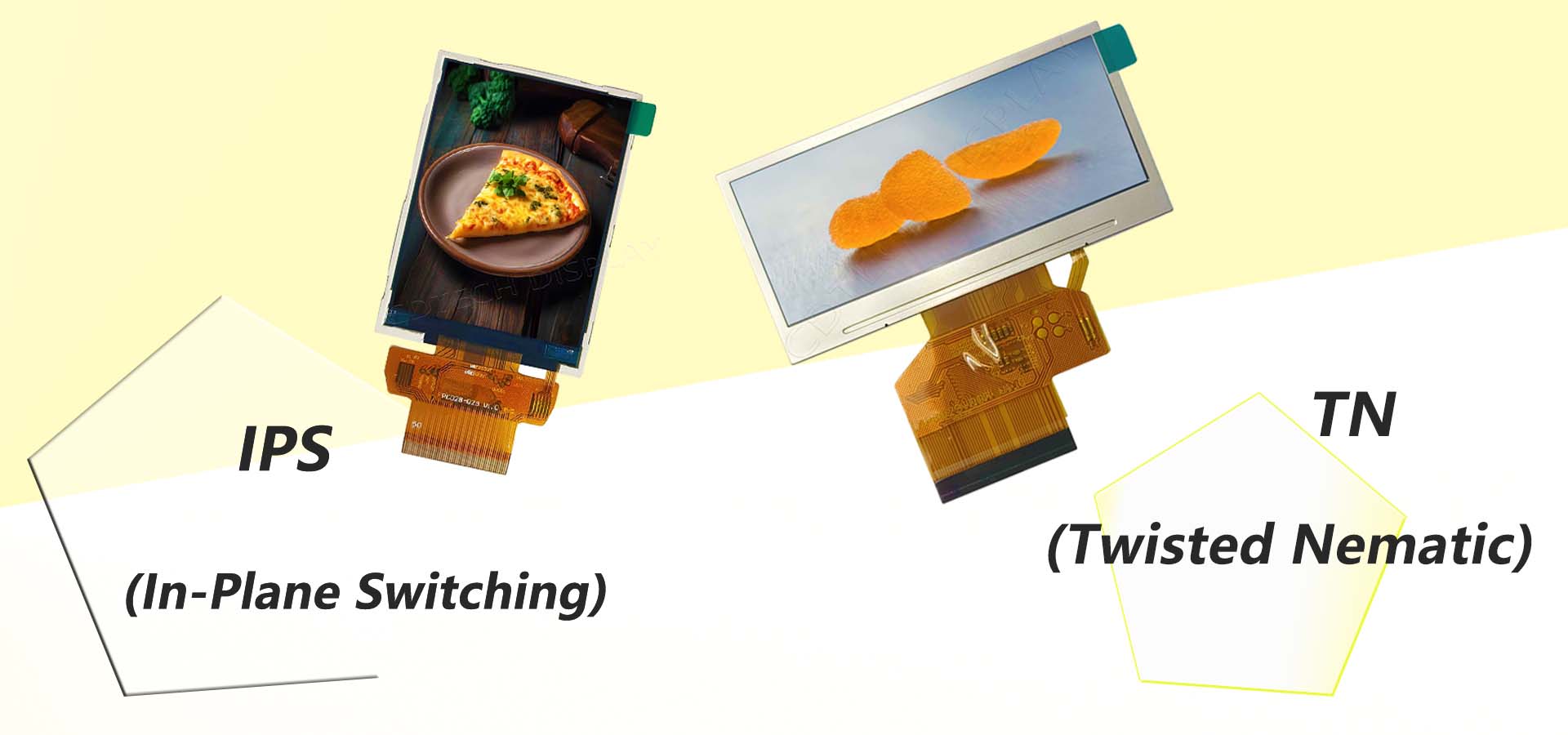
TN LCD vs IPS LCD: How to Choose the Right Display for You
-
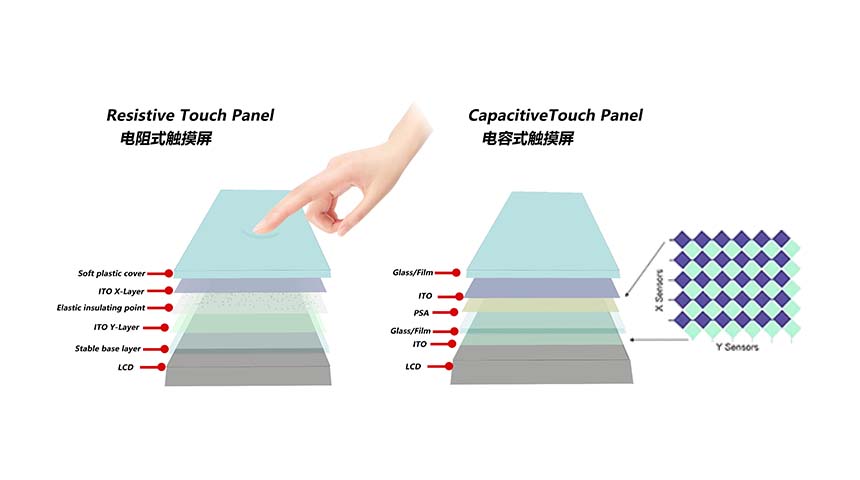
Capacitive Touch Panel or Resistive: Which Suits Your Needs?
-
Why Choose an IPS LCD Panel for Your Next Screen Purchase?
-
CDTECH to Showcase Cutting-Edge Display Solutions at SID 2025
-
Comparing Different Types of Displays in Cars: A Detailed Overview
-

White Spots on LCD Screen: Causes, Fixes & Industrial Solutions (2026 Guide)