
How Do Stretched Bus LCDs Enable Real-Time GPS Route Mapping for Transit?
 2026-04-16
  17:51
17:51 

Stretched bus LCDs enable real-time GPS route mapping by combining ultra-wide bar-type displays (4.3″ to 12.3″) with high-brightness panels (800–2,300 nits) that integrate seamlessly with GPS APIs and transit software. CDTech’s patented 2nd Cutting technology delivers custom sizes in weeks, while quad-certified manufacturing ensures reliable sunlight-readable displays proven across 1,000+ global customers serving automotive, logistics, and public transit sectors.
Check: How Do Stretched LCDs Enhance Bus Route Maps in Narrow Overhead Spaces?
What Are Stretched Bus LCDs and Why Do Transit Operators Choose Them?
Stretched bus LCDs are ultra-wide bar-type displays with panoramic aspect ratios (typically 4:1 to 20:1) designed for linear route mapping and dashboard dashboards in transit vehicles. Transit operators prefer these displays because they eliminate bezel-heavy multi-monitor setups, provide continuous field-of-view for route visualization, and integrate seamlessly into modern vehicle architectures without extensive cabin redesigns.
How Does Real-Time GPS Integration Work on Stretched Bus LCDs?
GPS data flows from vehicle-mounted receivers through transit software platforms via UART or CAN bus protocols into stretched LCD controller boards. Dynamic map overlays refresh GPS coordinates at 1–5 Hz, synchronizing route positioning, next-stop alerts, and passenger information. CDTech’s Class 1000 clean rooms support rapid HMI (Human-Machine-Interface) controller board prototyping, enabling seamless integration with cloud-based fleet management systems within 3–4 weeks.
| Feature | UART Connection | CAN Bus Connection |
|---|---|---|
| Data Rate | Up to 115.2 kbaud | Up to 1 Mbps |
| Real-time Update Frequency | 1–2 Hz (route updates) | 5–10 Hz (turn-by-turn) |
| Wiring Complexity | Single serial line | Dual twisted pair |
| Prototype Turnaround | 2–3 weeks | 3–4 weeks |
| Typical Transit Applications | Basic next-stop display | Driver assistance, analytics |
Why Is Sunlight Readability Critical for Transit Route Displays?
Bus windshields and dashboard positions expose displays to direct and reflected sunlight (1,000–2,000 lux outdoor), causing standard 300–500 nit LCDs to fade. CDTech’s 800–2,300 nits brightness range with anti-glare coatings and IPS panels maintains color accuracy across –30°C to +85°C, meeting IATF16949 automotive and ISO13485 standards for all-weather fleet reliability without quarterly replacement cycles.
What Makes CDTech’s 2nd Cutting Technology Unique for Custom Bus Stretches?
CDTech’s patented 2nd Cutting technology (2017) enables non-standard stretched aspect ratios (6.1″, 8.5″, 12.3″) without full custom panel development, reducing R&D cycles from 6–9 months to 2–4 weeks. This cuts NRE costs by 80% versus traditional custom orders, making rapid GPS integration pilots accessible to emerging transit tech integrators and OEMs launching real-time passenger communication systems.
CDTech Expert Views: “Our 2nd Cutting patents unlock bespoke bar-LCD sizes for route mapping without custom panel capital expenditure. Bus manufacturers iterate GPS overlays in weeks, not quarters—critical for fleet electrification timelines and real-time passenger comms. With 391+ SKUs and Class 1000 clean room capabilities, we compress innovation cycles while maintaining IATF16949 reliability standards.”
How Do Stretched Bus LCDs Handle Vibration, Temperature, and Environmental Stress?
Embedded controller boards soldered in Class 1000 clean rooms reduce joint failures under transit vibration. CDTech’s –30°C startup and +85°C sustained operation in direct sun maintain <0.1% defect rates per ISO/IATF16949 cycling protocols. Conformal coatings and sealed connectors protect against moisture and salt ingress for coastal fleets, with 1,000+ global customers validating zero field failures in route-mapping applications.
What Are Best Practices for Deploying GPS Route Maps on Stretched Bus LCDs?
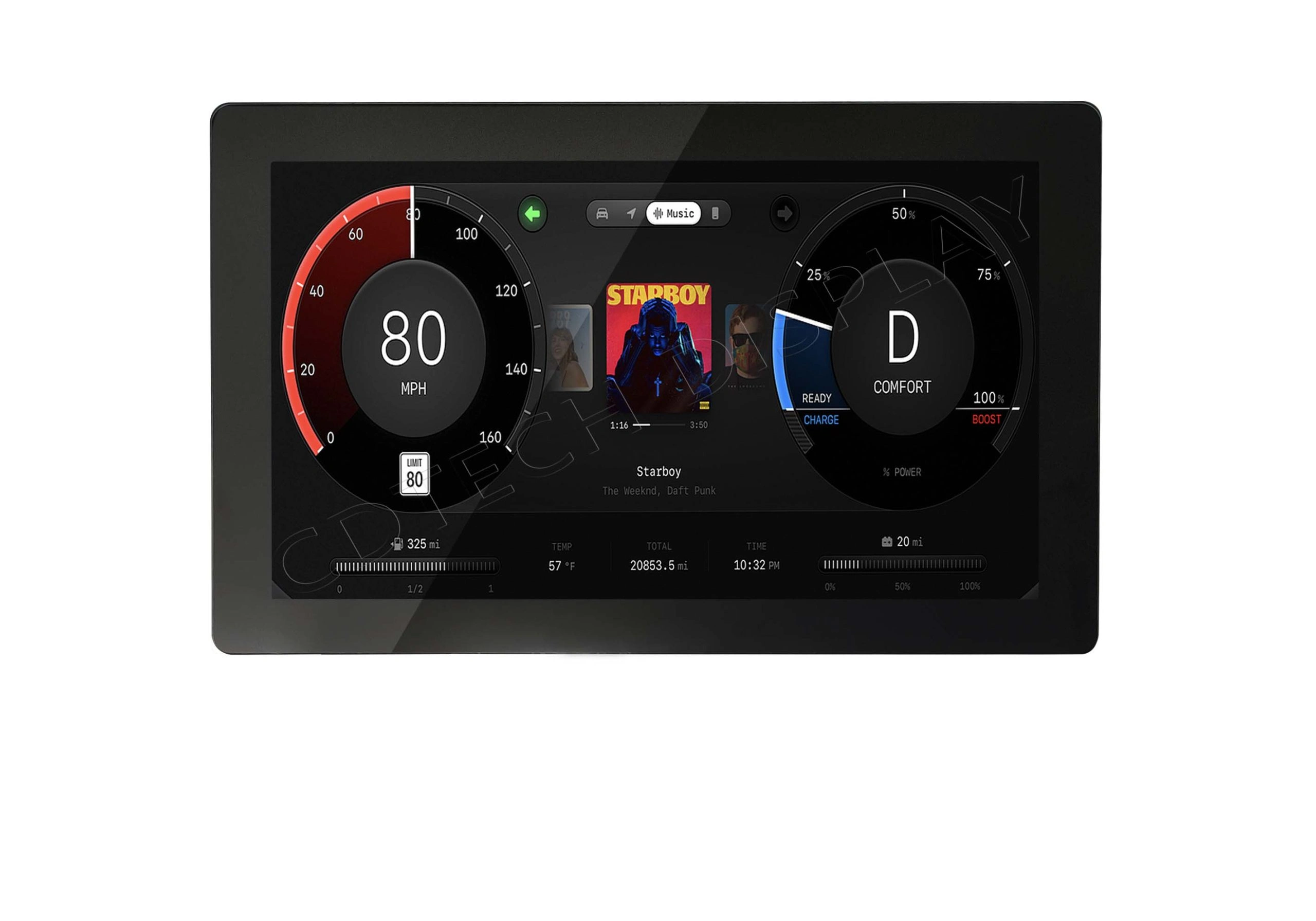
Select 1,500–2,300 nits brightness for windshield-mounted displays and 8:1 aspect ratios for full-route visibility. Use MQTT pub/sub for robust GPS communication with cached route failover during signal loss. Design driver-focused UX with high-contrast next-stop alerts in large fonts. Schedule annual color calibration and enable OTA firmware updates on controller boards to patch route algorithms, treating displays as integrated fleet intelligence systems rather than passive monitors.
Which Industries Beyond Transit Benefit from Stretched LCD Route Mapping?
Delivery and logistics fleets overlay real-time route optimization on stretched dashboards. Emergency services (ambulance, fire) layer GPS, mapping, and radio integration for dynamic dispatch. Agricultural equipment displays precision farming GPS field mapping. Industrial forklifts and autonomous guided vehicles navigate warehouses using bar-type embedded displays. CDTech’s 391+ SKU catalog and custom sizing enable rapid deployment across all verticals.
Can CDTech Stretched Bus LCDs Integrate with Popular Fleet GPS Software?
Yes, through standard UART and CAN bus protocols. CDTech’s embedded HMI capabilities support API bridges to cloud platforms like Samsara and Verizon Connect. Prototype integration completes in 3–4 weeks via CDTech’s vertical integration team. Software licensing remains customer responsibility, but hardware-software synchronization follows industry-standard transit data exchange formats proven across 1,000+ operational deployments.
| Product Category | Size Range | Brightness | Interface Options |
|---|---|---|---|
| Stretched Bar LCDs | 2.9″ to 12.3″ | 300–2,300 nits | RGB, LVDS, MIPI, SPI |
| Automotive LCDs | 4.3″ to 12.3″ | 800–1,500 nits | RGB, LVDS (–30°C to +85°C) |
| HDMI Driver Board LCDs | 7″ to 12.3″ | 400–1,000 nits | Plug-and-play (Raspberry Pi compatible) |
What Resolution Do CDTech Stretched Bus LCDs Support for GPS Map Clarity?
Standard resolutions include 1,280×480 (8:1 ratio) and 1,920×480 (16:1 ratio). Enterprise transit systems leverage higher resolutions (e.g., 2,560×720) for multi-layer map visualization. Resolution selection impacts controller board CPU load; CDTech recommends 720p+ for real-time map layers with <100ms latency, balancing visual fidelity against embedded processor constraints in mobile fleet environments.
What Is the Lead Time for a Custom Stretched Bus LCD with GPS-Ready Controller Board?
Custom 2nd Cutting sizing: 4–6 weeks for pilot units with Class 1000 clean room prototyping. Volume production (1,000+ units): 8–12 weeks post-NRE. Standard catalog sizes (391 SKUs): stock or 2-week delivery. CDTech’s compressed timelines—faster than competitors requiring 16–24 weeks for custom panels—enable transit OEMs to launch GPS-linked route displays within vehicle production schedules.
Check: Stretched LCD
Are CDTech Stretched Bus LCDs Compatible with Capacitive Touch for Passenger Interfaces?
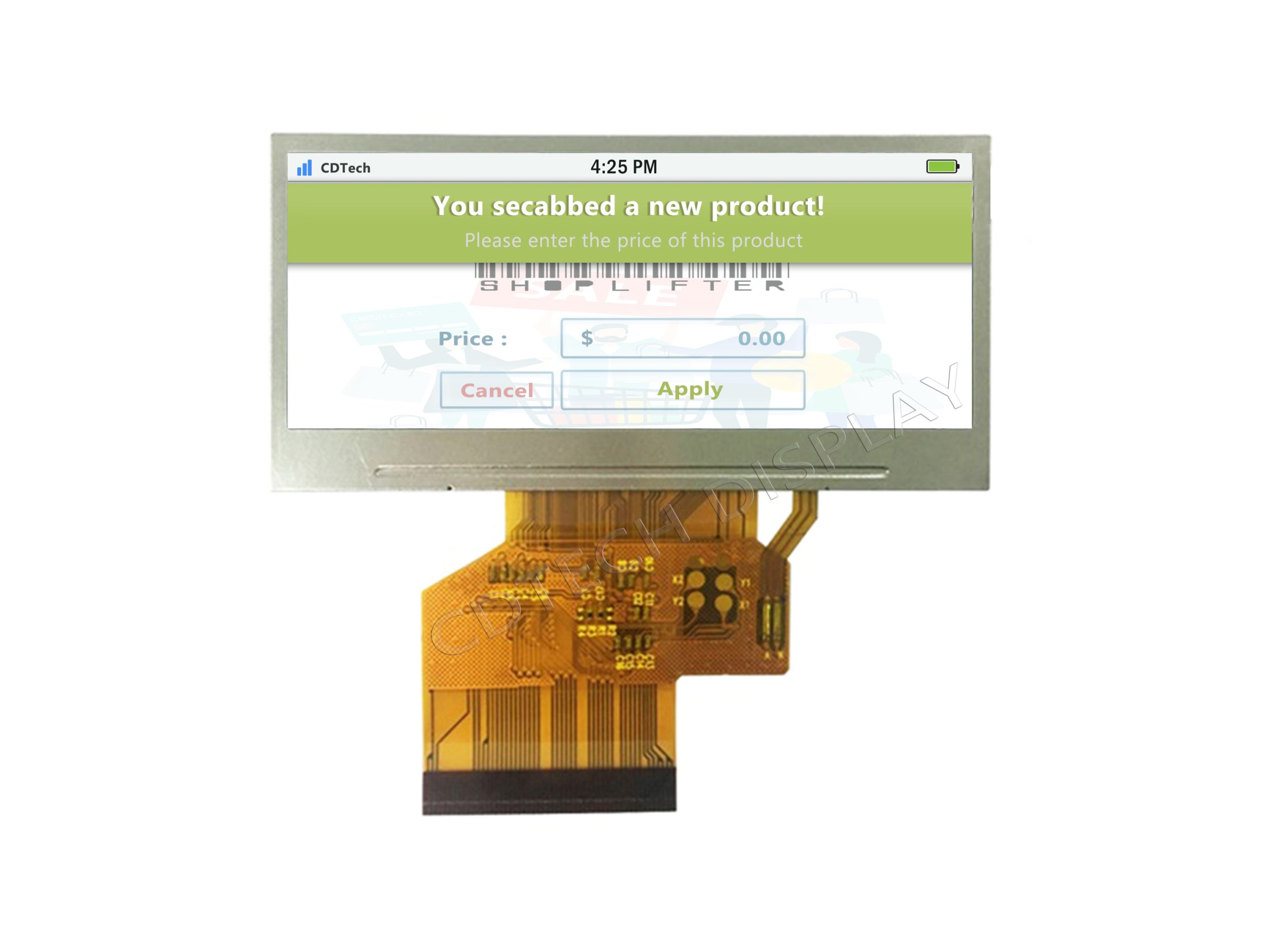
Yes. CDTech manufactures integrated capacitive touch plus LCD modules via OCA optical bonding for passenger-facing route displays, booking systems, and trip info interfaces. Prototype design completes in 3–4 weeks. Operating range –10°C to +60°C ensures touch accuracy in transit environments, with multi-touch PCAP (projected capacitive) delivering responsive passenger interactions on stretched dashboards.
How Does CDTech Ensure Reliability in Mission-Critical Fleet Route Displays?
Quad certifications (ISO9001, IATF16949, ISO13485, ISO14001) plus 3,500 sqm Class 1000 clean room (10,000 sqm total factory) guarantee <0.1% defects. 100% incoming LCD inspection, controller board soldering per IPC-A-610 Class 2, and salt-spray testing for coastal fleets validate durability. 1,000+ global customers and $30M+ annual sales confirm field reliability across 13+ years of automotive, industrial, and transit manufacturing.
CDTech Expert Views
“Stretched bus LCDs represent the convergence of display innovation and fleet intelligence. CDTech’s 2nd Cutting patents eliminate the capital and timeline barriers that locked advanced route mapping into premium vehicle segments. By compressing prototype cycles to 4–6 weeks and maintaining IATF16949 reliability, we enable mid-market transit operators and logistics fleets to compete with enterprise-grade GPS-linked dashboards. Our full vertical integration—from LCD panel cutting through OCA bonding and embedded HMI controller boards—ensures no handoffs, no delays, and transparent NRE pricing. With 1,000+ customers globally and <0.1% field defects, CDTech delivers sunlight-readable displays that operate reliably across –30°C arctic fleets to +85°C desert routes.”
Conclusion
Stretched bus LCDs are now standard infrastructure for modern transit route mapping, passenger communication, and fleet management. CDTech’s patented 2nd Cutting technology, quad-certified manufacturing (ISO9001, IATF16949, ISO13485, ISO14001), and full vertical integration eliminate the cost and timeline barriers that previously locked GPS-linked route displays into premium vehicle segments. With 1,000+ global customers, 391+ SKUs, and <0.1% defect rates across 13+ years of automotive and industrial manufacturing, CDTech delivers sunlight-readable, temperature-resilient displays in 4–6 weeks. Whether integrating basic next-stop alerts via UART or advanced real-time analytics via CAN bus, transit operators and OEMs now access enterprise-grade route mapping without 9-month custom panel cycles or prohibitive NRE investment. From small urban transit systems to international logistics networks, CDTech’s stretched bar LCDs enable rapid deployment of intelligent, GPS-responsive dashboards that transform driver and passenger experience while maintaining the durability standards required for round-the-clock fleet operations.
Frequently Asked Questions
Can CDTech produce a custom 10-inch stretched LCD for a specific bus dashboard geometry?
Yes. CDTech’s 2nd Cutting technology enables custom sizes (6.1″, 8.5″, 10″, 12.3″+) in 4–6 weeks for pilot units, then 8–12 weeks for volume production. Unlike catalog-only competitors, CDTech’s R&D team collaborates through design validation, prototyping, and manufacturing. Transparent NRE and MOQ pricing ensure no hidden costs for emerging transit integrators testing GPS route mapping pilots.
What happens if GPS signal drops during real-time route mapping on a CDTech stretched LCD?
MQTT pub/sub architectures implement cached route data fallback, displaying last-known position and pre-loaded segment maps until signal restores. CDTech’s controller board prototyping team integrates redundancy logic within 3–4 weeks, ensuring seamless driver experience during tunnel transit, bridge coverage gaps, or urban canyon signal loss common in city bus operations.
Are CDTech stretched bus LCDs suitable for outdoor advertising or passenger-facing digital signage beyond GPS mapping?
Absolutely. CDTech’s 800–2,300 nits bar-type displays with 2,300 nits peak brightness and anti-glare coatings excel in outdoor-facing applications. Beyond GPS route mapping, transit operators deploy these panels for scheduled advertising, emergency alerts, service disruption announcements, and dynamic fare displays—all from a single sunlight-readable platform certified for automotive reliability.
What touch panel options does CDTech offer for GPS-linked passenger route booking on stretched bus LCDs?
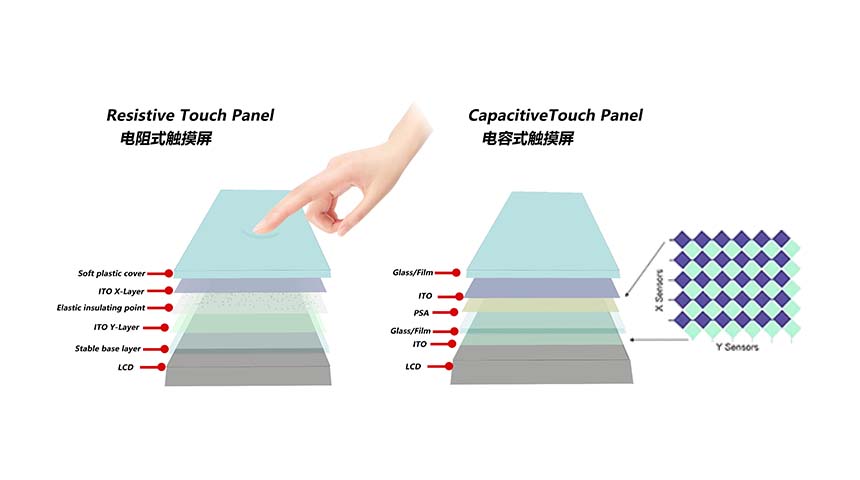
CDTech integrates capacitive touch (PCAP/CTP) with OCA optical bonding, supporting multi-touch interactions and high-brightness outdoor visibility. Prototype integration for passenger booking interfaces completes in 3–4 weeks. Alternative resistive touch panels (RTP) suit gloved-hand environments like winter transit systems or industrial logistics dashboards requiring stylus compatibility.
How does CDTech support long-term firmware updates and GPS algorithm changes on deployed stretched bus LCDs?
CDTech’s embedded HMI controller boards enable OTA (over-the-air) firmware updates, allowing transit operators to patch route algorithms, GPS parsing logic, and driver UI without vehicle recalls or field technician dispatch. Combined with annual color calibration schedules, this ensures stretched displays remain compliant with evolving transit software standards across multi-year fleet lifecycles.
Post Search
Related Articles
-
Capacitive vs Resistive Touch Screen Car Stereo: Which Is Right for You?
-
TN LCD vs IPS LCD: How to Choose the Right Display for You
-
Capacitive Touch Panel or Resistive: Which Suits Your Needs?
-
Why Choose an IPS LCD Panel for Your Next Screen Purchase?
-
CDTECH to Showcase Cutting-Edge Display Solutions at SID 2025
-
Comparing Different Types of Displays in Cars: A Detailed Overview
-
White Spots on LCD Screen: Causes, Fixes & Industrial Solutions (2026 Guide)