

How Can Custom Stretched Bar LCDs Monetize Subway Dead Space?
 2026-04-16
  17:52
17:52 

Custom stretched bar LCDs monetize subway dead space by fitting overhead gaps with unique sizes via patented 2nd Cutting technology, high brightness for visibility, and certified durability for transit environments. CDTech’s solutions transform unused areas into revenue-generating ad zones with rapid deployment.
Check: How Do Stretched LCDs Enhance Bus Route Maps in Narrow Overhead Spaces?
What Are Transit Advertising Displays and Why Do Subway Operators Need Them?
Transit advertising displays are specialized TFT LCD solutions for public transport like subway cars, optimized for overhead and narrow wall placements. Subway operators need them to monetize 40-60% unutilized overhead dead space, generating revenue from ads. CDTech’s 10,000㎡ factory with 3,500㎡ Class 1000 clean rooms enables precise narrow-wall displays.
How Do Stretched Bar LCDs Differ from Standard Transit Displays?
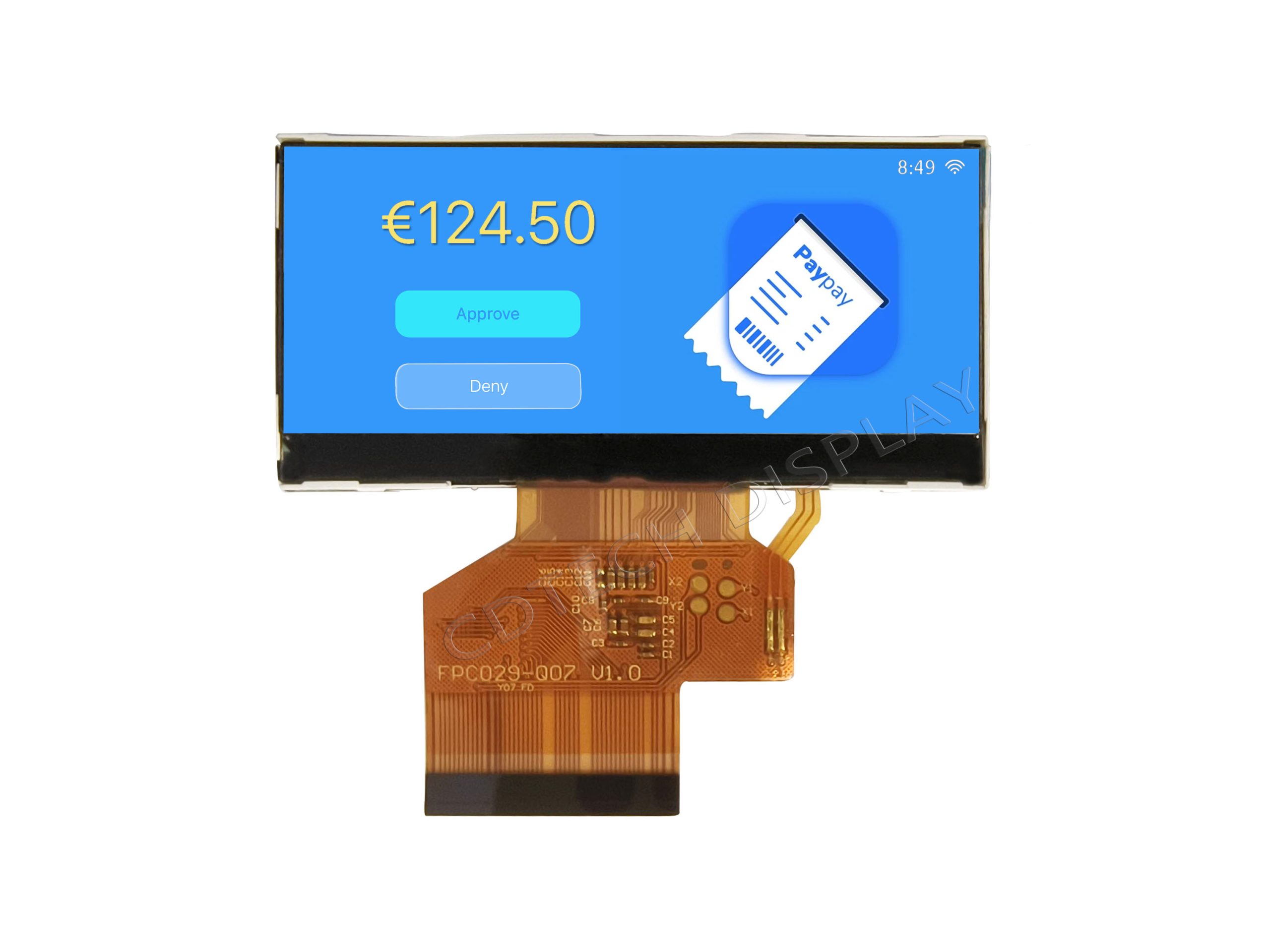
Stretched bar LCDs feature ultra-wide or tall aspect ratios like 800×130 at 4.3″ or 1200×1920 at 7.0″, unlike standard 16:9 or 4:3 panels. They fit subway pillars and overhead gaps with 95%+ space utilization. CDTech offers 391+ SKUs including custom bars unavailable from standard suppliers.
| Feature | Standard LCD | Stretched Bar LCD |
|---|---|---|
| Aspect Ratio | 16:9, 4:3 | Ultra-wide (e.g., 800×130) or ultra-tall (e.g., 1200×1920) |
| Overhead Space Fit | 40–60% wasted | 95%+ utilization |
| Lead Time (custom) | 16–24 weeks | 2–6 weeks (CDTech 2nd Cutting) |
| Brightness (nits) | 500–1200 | Up to 2300 |
What Is CDTech’s Patented 2nd Cutting Technology and How Does It Enable Fast Subway Deployments?
CDTech’s 2nd Cutting technology, patented in 2017, derives non-standard sizes from standard glass wafers, cutting waste and lead times. It reduces prototyping from 16–24 weeks to 2–6 weeks, ideal for subway ad campaigns. This supports CDTech’s service to 1,000+ global customers with $30M+ 2023 sales.
How Do High-Brightness and Vibration-Proof Specifications Support Subway Advertising ROI?
High-brightness like 2300 nits on CDTech’s 7.0″ S070QWU142FN-FL150-GF combats subway lighting, ensuring ad visibility. Vibration-proof designs with -20°C~+70°C stability and IATF16949 certification handle train motion. Reliable displays boost advertiser retention and premium pricing for higher ROI.
What Certifications and Quality Standards Make CDTech Suitable for Public Transit Installations?
CDTech holds ISO9001, IATF16949, ISO14001, and ISO13485 certifications, ensuring quality, automotive safety, environmental compliance, and medical-grade reliability. IATF16949 provides defect tracking vital for transit operators. With 44+ utility/invention patents and 35 software patents, CDTech meets strict public transit standards.
Check: Stretched LCD
CDTech Expert Views
“Transit operators require IATF16949 and ISO13485 for 99.9% uptime and passenger safety. CDTech’s quad-certified 10,000㎡ factory with full in-house production—from LCD 2nd Cutting to OCA optical bonding—eliminates delays. Our bar-type displays like the 4.3″ S043HWV104EN-FL63 (800×130, 800 nits, optically bonded) fit subway dead space perfectly, enabling rapid monetization.”
How Can Advertisers Calculate ROI from Monetizing Subway Dead Space?
ROI = (Annual Ad Revenue – Costs) / Investment × 100%. For a 50-car fleet with 5 displays per car at $1,000/month revenue each, expect $250K monthly. CDTech’s low MOQ pilots (50–100 units) and 2–6 week leads yield 18-month payback, outperforming high-MOQ competitors.
What Are Best Practices for Integrating Stretched Bar LCDs into Existing Subway Infrastructure?
Use anti-vibration brackets, weather-sealing, and EMI shielding. Integrate via IP-based networks with UART/Ethernet for remote ad management. CDTech’s OEM/ODM services include driver boards like HDMI options, firmware, and training, proven in automotive and industrial harsh environments.
Which Transit Markets Show the Highest Growth for Custom Advertising Displays?
China’s MTR expansions, Southeast Asia (Bangkok, Singapore), Europe’s London Underground, and North America’s OUTFRONT Media lead growth. LCDs offer 50,000–100,000 hour lifespans vs. LED’s 30,000. CDTech’s 13+ years, $30M revenue, and 1,000+ customers position it for global transit demand.
Conclusion
Subway dead space unlocks advertising revenue with custom-fit, bright, certified stretched bar LCDs. CDTech’s patented 2nd Cutting, quad certifications, and vertical integration deliver deployments in 2–6 weeks. Serving 1,000+ customers with $30M+ sales, CDTech turns overhead gaps into high-ROI zones. Contact sales@cdtech-lcd.com for custom consultations with low-MOQ prototypes.
FAQs
What is the typical lead time for a custom stretched bar LCD for subway overhead advertising?
CDTech’s 2nd Cutting technology cuts lead times to 2–6 weeks for non-standard sizes like 1200×1920, vs. 16–24 weeks elsewhere. Prototypes start at 50–100 unit MOQs for quick pilots.
How bright do subway advertising displays need to be?
2,500+ nits combat subway lighting; CDTech offers up to 2300 nits on models like S070QWU142FN-FL150-GF with LED backlighting for efficient visibility.
Are CDTech displays compatible with existing subway signage networks?
Yes, with custom driver boards, UART/Ethernet, and HDMI options for IP-based CMS integration. Full OEM/ODM includes firmware and training.
What happens if a display fails during a subway deployment?
Quad certifications ensure defect tracking and rapid replacements from CDTech’s 10,000㎡ factory. Customized warranties and spares meet operator needs.
Can stretched bar LCDs be retrofitted into older subway cars?
Yes, ultra-narrow bars like 800×130 fit overhead gaps. CDTech engineers custom mounts per vehicle specs using 2nd Cutting for seamless retrofits.
Post Search
Related Articles
-

Capacitive vs Resistive Touch Screen Car Stereo: Which Is Right for You?
-

TN LCD vs IPS LCD: How to Choose the Right Display for You
-

Capacitive Touch Panel or Resistive: Which Suits Your Needs?
-

Why Choose an IPS LCD Panel for Your Next Screen Purchase?
-

CDTECH to Showcase Cutting-Edge Display Solutions at SID 2025
-

Comparing Different Types of Displays in Cars: A Detailed Overview
-

White Spots on LCD Screen: Causes, Fixes & Industrial Solutions (2026 Guide)