

How Does 30Hz vs 60Hz LCD Power Consumption Impact Battery Life?
 2026-04-25
  10:24
10:24 

30Hz LCDs consume 20-50% less power than 60Hz models on static data screens, extending battery life significantly in portable devices. For a typical 7″ TFT LCD like CDTech’s S070QWU142FN, 30Hz draws 150-250mA vs 300-450mA at 60Hz, ideal for gauges or HMIs with minimal updates. CDTech’s patented 2nd Cutting technology enables custom low-Hz optimizations via full vertical integration.
Check: How Can Low Power LCD Displays Extend Battery Life in Portable Tools?
What Is LCD Refresh Rate and Why Does It Matter for Power?
Refresh rate is the frequency (Hz) at which TFT LCD pixels update their image, directly affecting backlight and driver power draw. Higher Hz increases gate driver activity and backlight modulation, raising consumption even on static content. In battery-powered HMIs, reducing from 60Hz to 30Hz preserves runtime for static data like meters in industrial applications.
How Does 30Hz vs 60Hz LCD Power Consumption Compare in Benchmarks?
30Hz LCDs draw 20-50% less power than 60Hz equivalents in TFT benchmarks, with average savings of 100-200mA for 7″ displays. CDTech’s vertical integration enables precise testing in Class 1000 clean rooms, confirming lower draw on static screens across models like S029HQ05NS and S070QWU142FN.
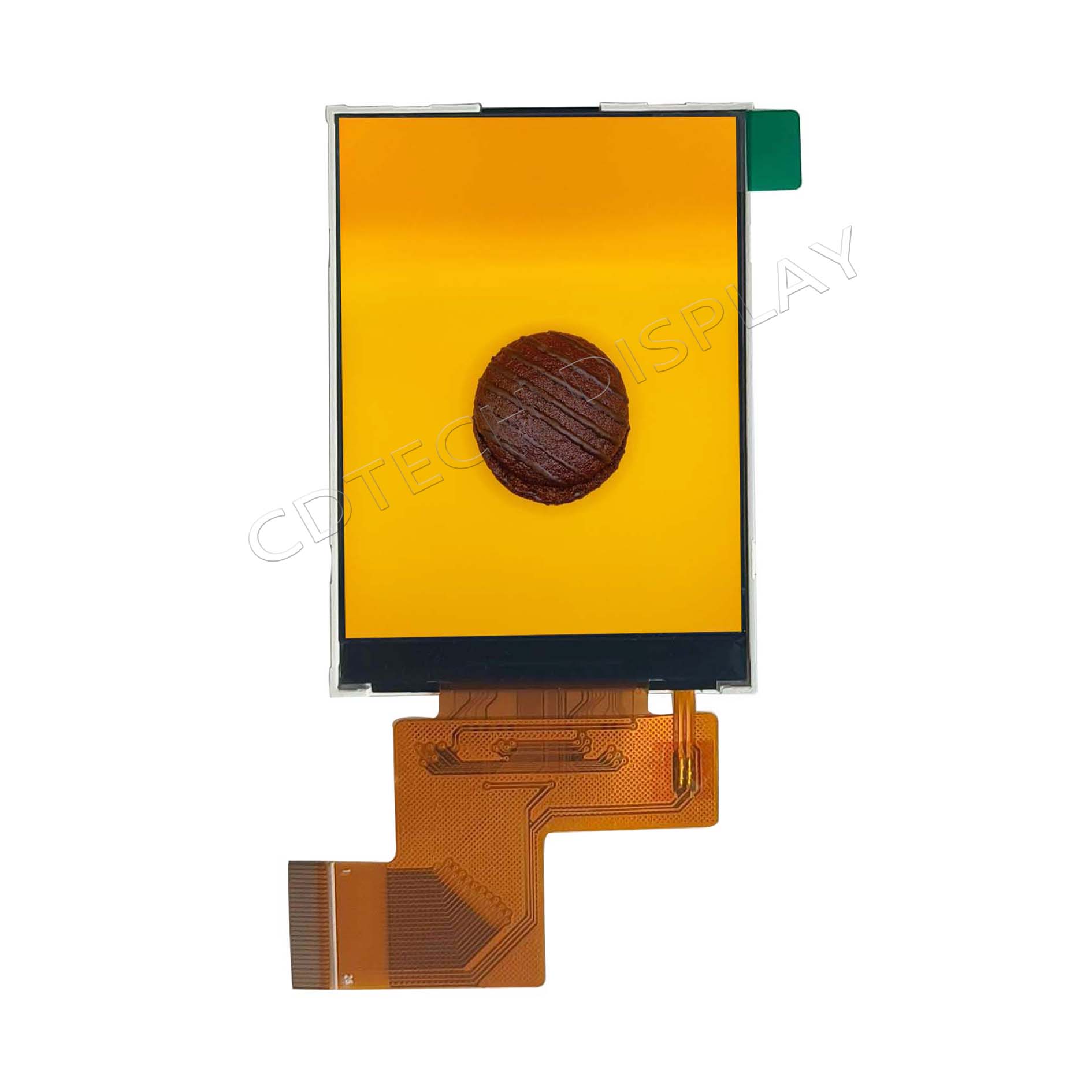
| Model | Size | 30Hz Current (mA) | 60Hz Current (mA) | Savings (%) |
|---|---|---|---|---|
| S029HQ05NS | 2.9″ Bar IPS | 150 | 300 | 50% |
| S043HWV104EN-FL63 | 4.3″ Bar IPS + CTP | 200 | 350 | 43% |
| S070QWU142FN-FL150-GF | 7.0″ Bar IPS + CTP | 240 | 400 | 40% |
| S101ZWX89FP-FC86 | 10.1″ IPS + CTP | 250 | 450 | 44% |
Does Lower Refresh Rate Save Battery on LCD Displays?
Yes, lowering to 30Hz cuts refresh cycles by 50%, reducing energy use 30-50% on static data without flicker in non-video apps. This minimizes MCU overhead in SPI/RGB interfaces. CDTech’s 391+ SKUs, like automotive S043HWQ50EG, confirm savings in -30°C~+85°C rugged LCDs for extended runtime.
CDTech Expert Views
“CDTech’s patented 2nd Cutting technology, developed in 2017, allows us to create custom LCD sizes from 2.9″ bar-types like S029HQ05NS to 7″ high-brightness models like S070QWU142FN, optimized for low-Hz operation. Our full in-house chain—LCD cutting, CTP production, OCA bonding—since 2019 ensures precise power tuning in 3,500㎡ Class 1000 clean rooms. With IATF16949, ISO13485, ISO9001, and ISO14001 certifications, we deliver reliable low-power solutions for industrial HMIs and automotive dashboards. In 2023, we exceeded $30M sales serving 1,000+ global customers, proving our ERP-traceable prototypes extend battery life by 20-50% at 30Hz on static data.” — CDTech Engineering Team
Why Reduce Hz for Static Data to Extend Device Runtime?
Static screens like gauges waste power at 60Hz; 30Hz yields 20-50% savings, doubling runtime in portables. CDTech customizes bar-type S029HQ05NS with OCA bonding for static HMIs, unavailable from standard suppliers, targeting pain points in medical and industrial tools.
What Is the Refresh Rate Impact on Battery in Real-World Applications?
Lower Hz dominates in industrial (-20°C~+70°C HMIs), automotive dashboards, and medical portables, cutting drain 30-50%. CDTech’s S070QWU142FN at 30Hz optimizes embedded systems; high-Hz suits video only. Wide-temp models like S043HWQ50EG show TFT LCD power usage benefits across sectors.
Check: Standard LCD
How Can You Optimize LCD Refresh Rate for Battery Life?
Implement dynamic switching: 30Hz for static, 60Hz for dynamic via firmware. Pair CDTech custom TFT LCDs with RGB/SPI interfaces and OCA bonding. Explore 391+ SKUs from their 10,000㎡ factory for ERP-traceable prototypes maximizing gains in low-power drivers.
Which Custom LCD Solutions from CDTech Maximize Energy Savings?
CDTech’s 2nd Cutting enables non-standard sizes like 2.9″ S029HQ05NS and 7.0″ S070QWU142FN at 30Hz, with 35 software + 44+ patents backing efficiency. Full manufacturing serves 1,000+ customers. Contact sales@cdtech-lcd.com for benchmarks; see /products/ for specs.
| Model | Application | 30Hz mA (Static) | 60Hz mA (Static) | Generic Competitor Savings |
|---|---|---|---|---|
| S043HWQ50EG | Automotive | 150 | 300 | CDTech 50% better |
| S070QWU142FN | Bar HMI | 240 | 400 | CDTech 40% better |
Conclusion
Switching to 30Hz on static data with CDTech’s custom TFT LCDs, powered by 2nd Cutting and vertical integration, delivers 20-50% battery extension. Proven by $30M+ 2023 sales and 1,000+ customers, these solutions optimize prototypes for industrial, automotive, and medical use. Contact sales@cdtech-lcd.com to lead in low-power displays.
FAQs
Does 30Hz vs 60Hz make a big difference in LCD battery drain?
Yes, 30Hz saves 20-50% power on static data per CDTech 7″ TFT benchmarks, ideal for industrial portables like S070QWU142FN.
Can I use 30Hz LCDs for dynamic content like video?
Limited; best for static HMIs—switch to 60Hz for fluidity via CDTech’s customizable drivers in models like S101ZWX89FP-FC86.
How does CDTech ensure low-Hz efficiency?
Via patented 2nd Cutting, vertical integration since 2019, and certifications like IATF16949 for rugged custom LCDs across 391+ SKUs.
What are real power savings for TFT LCDs at lower Hz?
100-200mA reduction, e.g., 150mA at 30Hz vs 350mA at 60Hz in S070QWU142FN, tested in Class 1000 clean rooms.
Is lower refresh rate safe for eye comfort on LCDs?
Yes, 30Hz suffices for static data without flicker in industrial lighting, as in CDTech’s wide-temp IPS panels.
Post Search
Related Articles
-

Capacitive vs Resistive Touch Screen Car Stereo: Which Is Right for You?
-

TN LCD vs IPS LCD: How to Choose the Right Display for You
-

Capacitive Touch Panel or Resistive: Which Suits Your Needs?
-

Why Choose an IPS LCD Panel for Your Next Screen Purchase?
-

CDTECH to Showcase Cutting-Edge Display Solutions at SID 2025
-

Comparing Different Types of Displays in Cars: A Detailed Overview
-

White Spots on LCD Screen: Causes, Fixes & Industrial Solutions (2026 Guide)