

JD9168S TFT LCD Module Selection Guide: Specifications, Interfaces, and Industrial Applications
 2026-07-22
  17:12
17:12 

Introduction
Selecting an industrial TFT LCD module requires more than choosing the right display size or resolution. Unlike consumer electronics, industrial equipment requires displays that deliver stable performance over long product lifecycles and under demanding operating conditions.
Engineers need to evaluate key factors including interface compatibility, brightness, viewing angle, operating temperature, touch integration, optical performance, and long-term supply reliability to ensure seamless integration with their systems.
Among various industrial display solutions, TFT LCD modules based on specific driver IC platforms can provide optimized compatibility and reliable integration for embedded systems.
For JD9168S-based applications, selecting the right TFT LCD module helps engineers balance hardware compatibility, development efficiency, and long-term production stability.
This guide explains the essential selection criteria for JD9168S TFT LCD modules, including display specifications, interface options, environmental requirements, and application considerations, helping engineers choose the right solution for industrial control systems, HMI equipment, and embedded applications.
What Is JD9168S Display Driver IC?
JD9168S is an integrated TFT LCD driver IC that combines source driver, gate driver control, and LCD power supply circuits for a-Si TFT LCD panels. It is designed to simplify display integration for embedded and industrial applications.
It works together with TFT panels, backlight systems, and display interfaces to enable reliable communication between the host processor and LCD module. The final display performance depends not only on the driver IC but also on the selected TFT panel, backlight design, interface configuration, and module integration.
When selecting a JD9168S-based TFT LCD module, engineers should evaluate not only the driver IC itself but also the complete display configuration, including resolution, interface compatibility, brightness, operating environment, and mechanical requirements.
To learn more about JD9168S driver architecture, interface capability, and its role in modern LCD design, see our article How Is the JD9168S Display Driver Chip Shaping 2026 LCD Display Design?
JD9168S Technical Specifications Overview
|
Feature |
Specification |
|
Driver Type |
TFT LCD Single Chip Driver |
|
Resolution |
800RGB×480 standard |
|
Maximum Resolution |
1024RGB×1024 |
|
Color Depth |
16.7M colors |
|
Interface |
RGB / MIPI DSI / LVDS |
|
Temperature |
-40℃~ +85℃ |
What Is a JD9168S-Based TFT LCD Module?
A JD9168S-based TFT LCD module is a complete display solution that combines a TFT panel, driver circuitry, backlight system, and optional touch panel integration.
Unlike evaluating a driver IC separately, selecting a complete LCD module requires consideration of the entire display system, including resolution, interface configuration, brightness, viewing angle, environmental requirements, and mechanical design.
For industrial applications, JD9168S-based TFT LCD modules provide a practical solution for engineers who need reliable display performance and long-term supply support.
Key Advantages of JD9168S-Based TFT LCD Solutions
Several characteristics make JD9168S-based LCD modules well suited for industrial embedded systems.
IPS Panel Selection for Wide Viewing Angle
The viewing angle performance depends mainly on the TFT panel technology. JD9168S-based modules can be combined with IPS panels to achieve wide viewing angles and consistent image quality.
Long-Term Supply Support
Stable supply planning and engineering support help OEM customers reduce redesign risks during long product lifecycles.
Stable Display Performance
Properly designed JD9168S-based LCD modules provide stable color reproduction, reliable timing performance, and optimized integration between the display panel and embedded system.
Flexible Industrial Configurations
Depending on project requirements, manufacturers can provide configuration options such as:
- Capacitive touch (PCAP)
- Optical bonding
- High brightness backlight
- Wide operating temperature
- Custom cover glass
- Various interface options
This flexibility allows JD9168S-based display solutions to be adapted for different industrial products.
Efficient Embedded Integration
JD9168S-based modules are designed for embedded systems requiring stable communication between the processor and display interface. Flexible interface options allow engineers to select configurations that match different hardware platforms.
JD9168S-Based Module vs Individual Component Selection
For industrial projects, choosing a complete JD9168S-based TFT LCD module can simplify development compared with integrating individual display components separately. A complete module provides matched panel selection, driver integration, backlight design, and interface configuration, helping engineers reduce compatibility risks and shorten development time.
How to Choose the Right JD9168S TFT LCD Module
Display Selection Guide Based on Application
|
Application |
Recommended Size |
Resolution Range |
Brightness Requirement |
Recommended Touch Solution |
|
Industrial HMI Panel |
7″–12.1″ |
VGA to XGA |
300–800 nits |
PCAP Touch |
|
Outdoor Equipment |
5.7″–10.1″ |
640×480 to 1280×800 |
800–1500 nits |
PCAP + Optical Bonding |
|
Medical Equipment |
10.1″–12.1″ |
1024×600 to 1024×768 |
400–1000 nits |
PCAP / Anti-glare |
|
Portable Industrial Device |
5.7″–7″ |
640×480 to 800×480 |
500–1000 nits |
PCAP Touch |
Evaluate Display Size and Installation Space
Display size should match both the installation space and user interaction requirements.
5.7-inch modules are commonly used in handheld terminals, portable industrial instruments, compact HMIs, and embedded control devices where space is limited.
12.1-inch modules provide a larger viewing area suitable for industrial automation, medical equipment, machine vision systems, and operator control panels that display multiple windows or detailed graphical interfaces.
Rather than selecting the largest available screen, engineers should balance viewing distance, enclosure size, power consumption, and user experience.
Balance LCD Resolution and System Requirements
JD9168S supports TFT LCD resolutions up to 1024RGB × 1024 dots, with 800×480 WVGA being one of the common configurations for industrial TFT LCD modules. The final resolution depends on the TFT panel specification and module design.
640×480 (VGA) remains a practical choice for industrial systems with simple graphical interfaces and lower processing requirements.
Higher resolutions such as 1024×768 can provide more detailed graphics and allow engineers to display more operational data, charts, and interface elements simultaneously. However, resolution selection should match the LCD controller capability, processor performance, and application requirements.
Higher resolutions improve the user experience but also require more graphics processing capability and memory bandwidth. The selected resolution should therefore match the capabilities of the embedded processor.
Verify Interface Compatibility
Interface compatibility is one of the key factors when selecting an industrial TFT LCD module. JD9168S-based display solutions can be designed with different interface configurations depending on display size, system architecture, and application requirements.
Common interface options include RGB, MIPI DSI, and LVDS. RGB is widely used in embedded systems requiring straightforward integration, while MIPI DSI is commonly adopted in compact devices with higher bandwidth requirements. LVDS is often selected for medium-to-large industrial displays where stable signal transmission and reliable performance are required.
RGB
Common in traditional embedded systems and microcontroller platforms where implementation simplicity is preferred.
MIPI DSI
Increasingly adopted in modern embedded processors due to its high bandwidth, low pin count, and excellent support for high-resolution displays.
Before finalizing the display, engineers should verify that the display interface matches the processor’s native output to avoid additional bridge ICs or hardware redesign.
LVDS
LVDS is commonly used in medium-to-large industrial displays requiring stable signal transmission and strong EMI performance. The interface configuration depends on the specific JD9168S-based module design.
Choose the Proper Brightness
Brightness requirements vary significantly depending on the operating environment.
Indoor Applications
For factory control rooms, laboratories, and indoor medical equipment, brightness between 300–500 nits is generally sufficient.
Outdoor Applications or High Ambient Light Conditions
For outdoor kiosks, agricultural machinery, construction equipment, and vehicle-mounted systems, displays typically require 800–1500 nits to maintain readability under direct sunlight.
Additional technologies such as optical bonding and anti-reflective coatings further improve outdoor visibility.
CDTech provides high-brightness TFT LCD solutions from standard industrial modules to sunlight-readable displays for outdoor and vehicle applications.
Do You Need a Touchscreen?
Touch functionality depends on the user interface requirements.
Capacitive Touch (PCAP)
PCAP touch screens support multi-touch gestures, excellent optical clarity, and superior durability, making them the preferred solution for modern industrial equipment.
Optical Bonding
Optical bonding eliminates the air gap between the LCD and touch panel, reducing internal reflections while improving sunlight readability, impact resistance, and overall display quality.
For equipment operating in demanding industrial environments, combining PCAP with optical bonding provides the best long-term user experience.
Operating Temperature
Industrial applications typically require much wider operating temperature ranges than consumer electronics.
The JD9168S driver IC itself supports an operating temperature range of -40°C to +85°C. The final module temperature capability depends on TFT panel, backlight, FPC, and overall module design.
Typical industrial-grade LCD modules support:
- Operating temperature: -20°C to +70°C
- Storage temperature: -30°C to +80°C
For outdoor equipment, transportation systems, or factory automation, selecting a module designed for harsh environments helps maintain image quality under extreme temperatures.
Evaluate Supplier Support and Customization Capability
For industrial applications, selecting the right LCD supplier is as important as selecting the display specification itself.
Engineers should consider whether the supplier can provide:
- Custom FPC design
- Touch panel integration
- Optical bonding
- Long-term production support
- Engineering assistance during development
Industrial TFT LCD Module Selection Checklist
Before selecting a JD9168S-based TFT LCD module, engineers should verify several key specifications to ensure successful integration.
Key selection factors include:
– Display size and installation space
– Resolution and image requirements
– Interface compatibility with the processor
– Brightness requirements for the operating environment
– Operating and storage temperature range
– Touchscreen requirements
– Mechanical dimensions and FPC design
– Long-term supply availability
Evaluating these factors early can help reduce redesign risks and improve product reliability throughout the development cycle.
Common Design Considerations When Integrating a JD9168S TFT LCD Module
Selecting the right display specifications is only part of the engineering process. Successful LCD integration also depends on electrical compatibility, environmental reliability, and mechanical design. Addressing these considerations early can significantly reduce development time while improving long-term system stability.
Power Supply Requirements
Before selecting a JD9168S TFT LCD module, verify that the power supply matches the module specifications.
Engineers should confirm:
- Input voltage requirements
- Backlight driving voltage and current
- Peak startup current
- Power consumption under maximum brightness
- Power sequencing during startup and shutdown
Improper power sequencing may cause abnormal display behavior or reduce the lifespan of the LCD module. For industrial equipment operating continuously, a stable power design is essential for reliable long-term performance.
Display Timing Compatibility
The display timing must be fully compatible with the host processor or graphics controller.
Key parameters include:
- Pixel clock
- Horizontal synchronization
- Vertical synchronization
- Frame rate
- Signal polarity
Many display issues—including image flickering, unstable pictures, incorrect colors, or a blank screen—are caused by timing mismatches rather than hardware defects.
Always verify the timing parameters in the LCD module datasheet before hardware design begins.
Connector and FPC Design
Mechanical compatibility is often overlooked during display selection.
Important considerations include:
- FPC orientation
- Connector position
- Pin definition
- Locking mechanism
- Cable bending radius
- Assembly accessibility
Selecting a module with an unsuitable connector layout may require redesigning the PCB or enclosure, increasing both engineering costs and development time.
EMI and Signal Integrity
Industrial equipment often operates in electrically noisy environments.
To improve signal reliability, engineers should consider:
- Proper grounding
- Differential signal routing
- Controlled impedance
- Shorter LVDS cable lengths
- EMI shielding
- Appropriate PCB layer stack-up
A well-designed display interface minimizes electromagnetic interference and ensures stable image quality even in demanding industrial environments.
JD9168S TFT LCD Module Options for Different Industrial Display Applications
JD9168S TFT LCD modules can be configured for different industrial applications, from compact embedded devices to larger HMI and automation systems. The following examples show how display size, resolution, interface, and brightness requirements vary based on application needs.
|
Model |
Size |
Resolution |
Interface |
Brightness |
Temperature |
Application |
|
5.7-inch |
640×480 |
4-lane LVDS 4-lane MIPI 24-bit RGB |
450 Nits |
-20°C~+70°C |
Embedded HMI, portable industrial equipment |
|
|
12.1-inch |
1024×768 |
4-lane LVDS |
500 Nits |
-30°C~+70°C |
Industrial HMI, automation control systems |
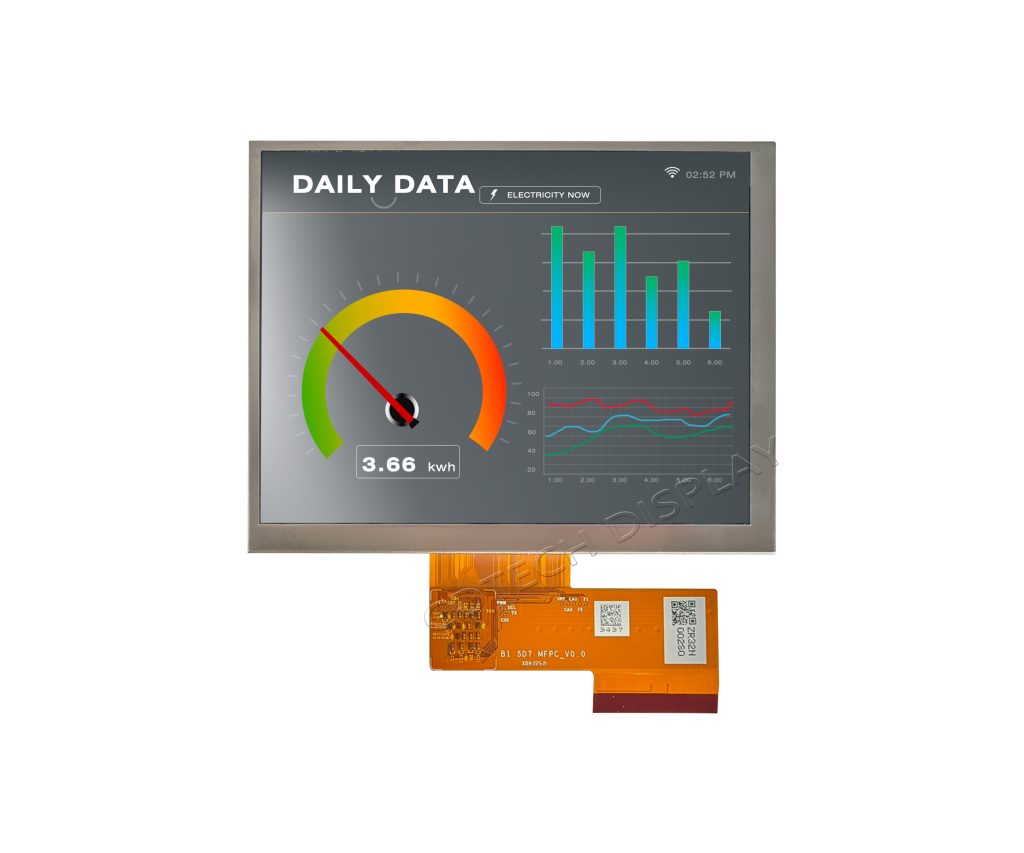
5.7-inch JD9168S TFT LCD Module
The 5.7-inch JD9168S TFT LCD module is designed for compact industrial devices requiring reliable image performance within limited installation space.
Typical Applications
- Portable test instruments
- Handheld industrial terminals
- Compact HMI systems
- Embedded control panels
Its compact size and flexible interface options make it suitable for embedded systems where space efficiency and reliable display integration are critical.
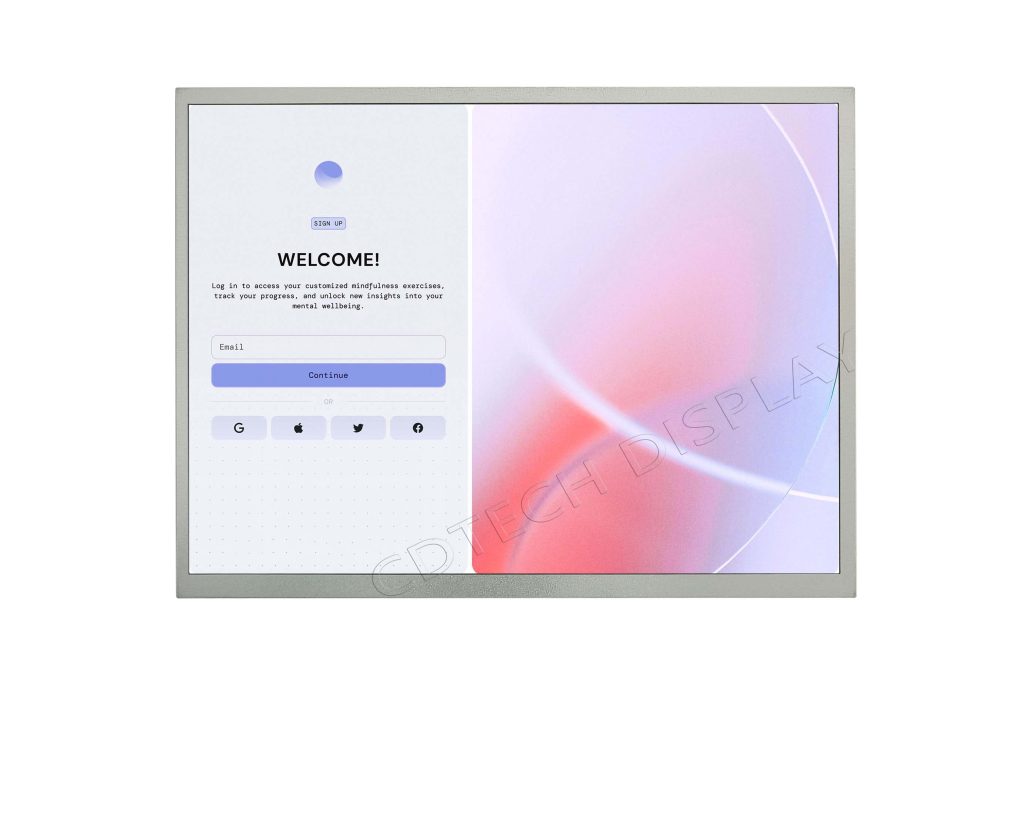
12.1-inch JD9168S-Based TFT LCD Module
The 12.1-inch JD9168S-based TFT LCD module is configured with an LVDS interface, 500 cd/m² typical brightness, and industrial temperature capability from -30°C to +70°C. It is designed for industrial HMIs, automation equipment, and control systems requiring reliable long-term operation.
Typical Applications
- Industrial automation equipment
- Factory control systems
- Machine vision
- Intelligent manufacturing equipment
The larger display area allows operators to visualize more information simultaneously, improving efficiency in industrial monitoring and control applications.
These JD9168S-based TFT LCD modules demonstrate different approaches for industrial display integration. Compact modules are suitable for space-constrained embedded devices, while larger displays provide better visibility for HMI panels and industrial control systems.
For projects requiring customized size, interface, brightness, or touch integration, CDTech supports OEM/ODM display customization based on application requirements.
Typical Applications of JD9168S-Based Industrial Display Solutions
The flexibility of JD9168S-based display modules makes them suitable for a wide variety of embedded systems.
Industrial HMI
Human-machine interfaces require reliable displays capable of operating continuously in factory environments.
IPS viewing angles and industrial-grade reliability ensure operators can monitor production equipment from different positions without image distortion.
Typical applications include PLC panels, industrial controllers, operator terminals, and factory monitoring systems.
Factory Automation
Automation systems rely on clear visualization of machine status, production parameters, and alarms, helping operators improve efficiency and reduce operational errors.
Medical Equipment
Medical devices demand excellent image clarity, wide viewing angles, and dependable long-term operation.
Industrial TFT LCD modules are widely used in diagnostic equipment, patient monitoring systems, laboratory analyzers, and portable medical devices.
Test and Measurement Instruments
Oscilloscopes, power analyzers, environmental testers, and measurement instruments require precise graphical interfaces.
High-resolution industrial LCD modules improve data visualization and allow engineers to analyze measurement results more efficiently.
Embedded Control Systems
Embedded Linux systems, ARM platforms, and industrial computing devices increasingly require high-performance display modules that integrate easily with modern processors.
JD9168S TFT LCD modules support multiple interface options, simplifying embedded display integration across a broad range of applications. including smart control terminals, vending machines, and intelligent equipment.
Frequently Asked Questions
Q: What is JD9168S?
A: JD9168S is a TFT LCD display driver IC commonly used in industrial and embedded display applications. It integrates source driver, gate driver control, and LCD power supply circuits.
Q: What resolution does JD9168S support?
A: JD9168S supports TFT LCD resolutions up to 1024RGB × 1024 dots, with 800×480 WVGA being one of the common configurations for industrial display modules. Actual resolution depends on the TFT panel design and module configuration.
Q: What interfaces are available for JD9168S-based TFT LCD modules?
A: JD9168S-based TFT LCD modules can be configured with different interface solutions, including RGB, MIPI DSI, and LVDS, depending on the module design and application requirements.
Q: What is the difference between JD9168S and a JD9168S-based TFT LCD module?
A: JD9168S refers to the display driver IC, while a JD9168S-based TFT LCD module is a complete display solution integrating the TFT panel, driver circuitry, backlight system, FPC, and optional touch panel components.
Q: How do I select the right JD9168S TFT LCD module?
A: The selection depends on key factors including display size, resolution, interface compatibility, brightness, operating temperature, and touch requirements.
Q: Can JD9168S-based LCD modules be customized for OEM projects?
A: Yes. JD9168S-based LCD modules can be customized with different interfaces, brightness levels, touch solutions, FPC designs, and mechanical dimensions to meet specific OEM project requirements.
Conclusion
Choosing the right JD9168S TFT LCD module requires more than selecting a suitable display specification. Engineers should consider overall system compatibility, including interface requirements, operating environment, display performance, and long-term product support.
By selecting an industrial-grade display module that matches both current design requirements and future production needs, manufacturers can reduce development risks, improve product reliability, and shorten time-to-market.
Whether you are developing an industrial HMI, medical device, embedded controller, or intelligent automation system, choosing the appropriate JD9168S TFT LCD module can help ensure reliable performance throughout the product lifecycle.
Partner with an Experienced Industrial LCD Manufacturer
CDTech specializes in industrial TFT LCD modules ranging from 1.5″ to 15.6″, including JD9168S-based display solutions for embedded and industrial applications. We provide IPS displays, high-brightness solutions, capacitive touch integration, optical bonding, and OEM/ODM customization services.
Need help selecting the right JD9168S TFT LCD module for your project? Our engineers can provide display selection guidance, interface evaluation, and customization support based on your hardware and application requirements.For projects requiring specific electrical parameters or customized configurations, engineers can further evaluate detailed specifications with the display supplier.
Contact CDTech to discuss your display requirements, customization needs, and long-term supply plans.
