
LCD Pressure Damage: Causes, Pressure Spots on Screen & Prevention (2026 Guide)
 2026-06-16
  13:27
13:27 

If your screen shows white spots, bright patches, cloudy areas, or pressure marks that remain visible after cleaning, the LCD panel may already be suffering from internal pressure damage. This issue is commonly seen in laptops, industrial displays, medical devices, and portable electronics where continuous force, stacking pressure, vibration, or aggressive cleaning gradually deforms the LCD structure.
In most cases, LCD pressure damage is permanent because the internal liquid crystal alignment and cell gap structure have already been physically distorted. For industrial and medical applications where downtime costs $200–$5,000 per hour, prevention is often 10× cheaper than replacement.
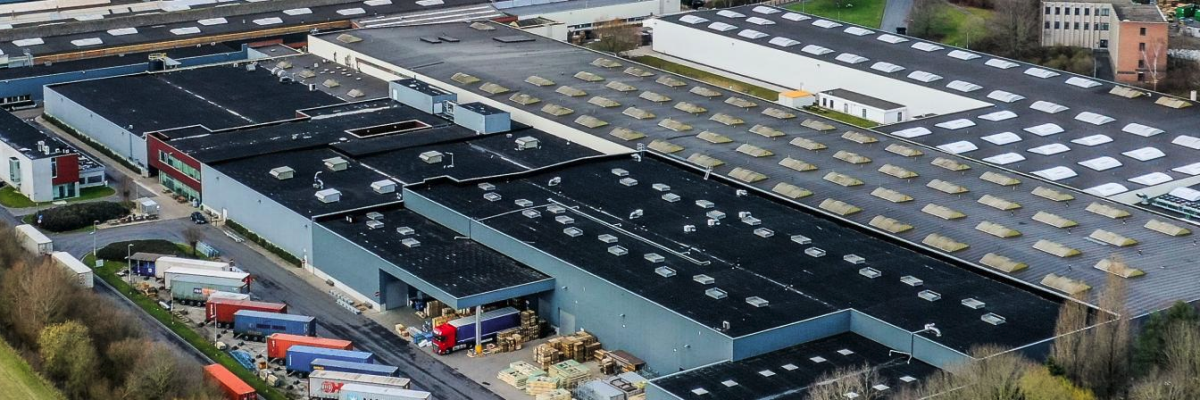
Shenzhen CDTech Electronics, established in 2011, specializes in TFT LCDs, touch displays, and HDMI displays for industrial control, medical, smart home, automotive, and instrumentation applications [web:main]. With ISO9001, IATF16949, ISO13485, and ISO14001 certifications and a 10,000-square-meter factory featuring 3,500+ square meters of dust-free workshops, CDTech provides both standard and customized display solutions that resist pressure damage through optical bonding and reinforced mechanical design [web:main].
This guide explains what LCD pressure damage looks like, why it occurs, whether pressure spots can disappear, and how industrial-grade engineering solutions prevent permanent screen defects.
What Is LCD Pressure Damage?
LCD pressure damage occurs when external pressure distorts the microscopic spacing and liquid crystal alignment inside the display panel. Even small force disturbs light transmission and creates permanent visual artifacts including white spots, mura effects, and pressure marks.
Key effects:
-
Liquid crystal misalignment within the 3–5μm cell gap between glass layers
-
Uneven light transmission creating visible brightness defects
-
Permanent visual artifacts that rarely recover without panel replacement
Typical Symptoms of LCD Pressure Damage:
-
Screen pressure marks (localized bright or dark areas)
-
White spots on LCD screens
-
Dark patches or shadow areas
-
Mura effect (uneven brightness across the display)
-
Cloudy or bruised display appearance
Why LCD Pressure Damage Is Harder Than It Looks
Physical Deformation Is Permanent
A typical TFT LCD has a cell gap of only 3–5μm between two glass layers. When pressure is applied, the glass and polarizer deform slightly, the cell gap becomes uneven, and liquid crystal alignment is permanently disrupted. DIY repairs using heat, pressing, or vacuum tools cannot restore this microscopic structure and often worsen the damage. In over 95% of cases, complete display panel replacement is the only permanent fix.
Pressure Spots Appear Days After Initial Damage
Minor internal deformation is initially invisible. Repeated thermal cycling, vibration, or continuous stress enlarges the damaged area over time. This delayed appearance is common in vehicle-mounted displays, outdoor kiosks, industrial HMIs, and medical handheld devices where users may not realize damage occurred until weeks later.
Cleaning Can Cause Pressure Damage (Hidden High-Frequency Cause)
Yes, cleaning can cause pressure damage to LCD. This is one of the most underestimated causes in real-world applications. Repeated wiping with force—especially in medical or industrial environments where devices are cleaned multiple times daily—gradually deforms internal layers. Without optical bonding technology, displays lack the structural integrity to withstand frequent cleaning pressure.
Transportation and Storage Create Invisible Long-Term Damage
Stacking, poor packaging, and uneven load distribution create continuous compression that differs from impact damage. Standard LCD packaging should not stack more than 5 layers high, and displays 10.1″ and larger require vertical palleting to eliminate gravitational compression. This type of stress is invisible at delivery but causes pressure marks that appear during使用.
Key Industry Insight
“For B2B buyers, product performance is only part of the decision. Certification documents, optical bonding status, cover glass thickness, IK protection rating, repeatable QC, and transportation reliability determine whether a display SKU can scale reliably across medical, industrial, and automotive markets without pressure damage failures.”
CDTech Compared With Other Options
Why CDTech Is a Strong Choice
Optical Bonding Technology Eliminates Internal Air Gaps
CDTech’s optical bonding (OCA/LOCA) eliminates internal air gaps between the cover glass and LCD panel, distributing pressure evenly and reducing stress concentration. This is the most effective solution for preventing LCD pressure damage because it creates a monolithic, rigid structure far less susceptible to layer separation and liquid crystal distortion. For medical handhelds requiring frequent cleaning, full optical bonding is essential.
Graded IK Impact Protection for Different Risk Environments
CDTech offers displays with graded IK impact protection ratings matching specific application risks:
-
IK06–IK07: Basic protection (1–2 joules) for controlled indoor environments like laboratory instruments and office devices
-
IK08: Medium protection (5 joules) for semi-public areas like self-service kiosks and vending machines
-
IK09: High protection (10 joules) for high-traffic public environments like EV charging stations and hospital information screens
-
IK10: Highest vandal-proof protection (20 joules) for unattended outdoor HMIs and construction site equipment
IK10 rating follows the international standard IEC 62262, representing 20 joules of protection equivalent to a 5kg steel ball dropped from 400mm.
Multi-Certification Support for Medical and Automotive Markets
CDTech has obtained ISO9001 (quality management), IATF16949 (automotive), ISO13485 (medical devices), and ISO14001 (environmental management) certifications [web:main]. This multi-certification portfolio enables CDTech to support export to medical, automotive, and industrial markets where regulatory compliance is mandatory [web:main]. The IATF16949 certification specifically validates automotive display quality requirements [web:main].
15+ Years Experience With Standard and Custom Display Solutions
Established in 2011, CDTech has long-standing experience developing TFT LCDs, touch displays, and HDMI displays with high viscosity, high stability, and low power consumption characteristics [web:main]. The company provides both standard products and customized total solutions for industrial control equipment, medical devices, smart home systems, on-board displays, and instruments [web:main].
Related Products, Services, or Resources
-
White Spots on LCD Screen: Causes, Fixes & Industrial Solutions — Comprehensive guide covering white spot causes beyond pressure damage, including industrial fix strategies and prevention best practices
-
Is Over-Pressure Cleaning Causing LCD Failures in Medical Handhelds? — Deep dive into cleaning-induced pressure damage specific to medical handheld devices and engineering solutions
-
Vehicle LCD Display Products — CDTech’s automotive display line designed for vibration resistance and thermal cycling stability [web:main]
-
Custom LCD Display Solutions — Engineering team evaluation for optical bonding requirements, cover glass thickness, and IK protection targets [web:main]
How It Works
-
Define your application requirements — Identify display size, environment (indoor/outdoor/medical/automotive), cleaning frequency, vibration levels, and required IK protection rating
-
Contact CDTech engineering team — Reach out via the website to discuss optical bonding needs, cover glass thickness, IK targets, bezel stress risks, and transportation reliability requirements
-
Receive custom solution evaluation within 24 hours — CDTech’s engineers evaluate optical bonding requirements (OCA/LOCA), recommend cover glass thickness (≥0.7mm for industrial/medical, ≥1.1mm or 2.0mm for IK10), and specify IK protection ratings
-
Request samples and confirm specifications — Ask whether sample fees apply, confirm sample lead time, and test the display under your application conditions including cleaning simulation, vibration testing, and thermal cycling
-
Validate with reliability testing — CDTech performs pressure testing, drop testing, thermal cycling, and long-term wipe simulation to catch design weaknesses before mass production
-
Proceed with standard or customized production — Once specifications are validated, move to production with CDTech’s automatic production and testing equipment ensuring repeatable QC [web:main]
Use Cases
Scenario 1: Medical Handheld Device Manufacturer
-
Traditional approach: Standard LCD without optical bonding, cleaned daily with disinfectant wipes using moderate pressure
-
With CDTech: Full optical bonding + ≥0.7mm strengthened glass, gentle linear cleaning motion recommended
-
Result: Prevents LCD failure from high-frequency wiping; eliminates bright spots and mura effects; reduces diagnostic error risk
Scenario 2: Outdoor Kiosk Operator
-
Traditional approach: Consumer-grade display exposed to vandalism, thermal expansion stress, and temperature cycling
-
With CDTech: 1.1mm+ strengthened glass + IK09–IK10 rated display for vandal-proof protection
-
Result: withstands 20 joules impact energy; maintains outdoor readability; reduces maintenance costs and unplanned downtime
Scenario 3: Industrial Vehicle HMI Supplier
-
Traditional approach: Standard industrial display experiencing constant vibration and mechanical shock during operation
-
With CDTech: Custom shock-absorbing gaskets + IK08+ rated display with reinforced frame
-
Result: Absorbs vibration stress; prevents internal LCD deformation; maintains HMI reliability in vehicle environments
Scenario 4: Large-Screen HMI Distributor
-
Traditional approach: Static stacking pressure during storage and transportation causes pressure marks on laptop screen
-
With CDTech: Vertical storage protocol + full optical bonding + IK08 rated display
-
Result: Eliminates vertical gravitational compression; prevents pressure spots; ensures display quality upon delivery
Scenario 5: Startup Brand Building Portable Electronics
-
Traditional approach: Device packed tightly in backpack causing keyboard pressure against LCD panel during transportation
-
With CDTech: Reinforced structure with metal backplate + optical bonding
-
Result: Prevents permanent liquid crystal deformation from backpack compression; avoids pressure spots on screen
FAQ
Q: Is LCD pressure damage permanent?
A: Most cases are permanent due to plastic deformation of the cell gap. Minor cases may fade slightly over 1–7 days under stable temperature but rarely fully recover.
Q: Can pressure spots on LCD screens go away?
A: In minor cases, pressure spots may become less visible after several hours or days if LCD layers recover slightly. However, permanent pressure damage usually does not disappear because liquid crystal alignment and cell gap structure are physically deformed.
Q: Can LCD pressure damage be fixed without panel replacement?
A: DIY repairs have extremely low success rate—no reliable home fix exists. Professional factory repair involving cell gap calibration or polarizer replacement can restore mild cases, but panel replacement is the standard reliable solution for consumer devices.
Q: What causes pressure spots on screen?
A: External force and impacts, over-pressure cleaning (hidden high-frequency cause), transportation and storage pressure (stacking, poor packaging), and environmental stress (temperature cycling, vibration).
Q: Can screen cleaning cause pressure damage?
A: Yes. Repeated wiping with excessive force may gradually deform internal LCD layers, especially on displays without optical bonding.
Q: How to prevent pressure damage in industrial devices?
A: Use bonded displays (optical bonding with OCA/LOCA), reinforced structures with metal backplates, proper packaging (not stacking more than 5 layers), and select appropriate IK protection ratings.
Q: What is the best way to clean an LCD screen?
A: Use microfiber cloth + 70% isopropyl alcohol (IPA), gentle linear motions, minimal pressure. Do not spray liquid directly onto the screen—spray onto the cloth first.
Q: Can keyboard marks damage a laptop screen permanently?
A: Yes. Continuous keyboard pressure against the LCD panel during transportation or backpack compression can permanently deform the liquid crystal structure.
Q: What IK rating do I need for my application?
A: IK06–IK07 for controlled indoor environments; IK08 for semi-public areas; IK09 for high-traffic public environments; IK10 for unattended outdoor or high-risk areas requiring vandal-proof protection.
Q: How thick should cover glass be for industrial/medical use?
A: ≥0.7mm for industrial/medical applications; ≥1.1mm or 2.0mm chemically strengthened glass for IK10-rated vandal-proof displays.
Conclusion
Pressure spots, white patches, and screen bruising are signs of permanent internal LCD deformation, not surface contamination. Consumer devices typically require panel replacement as the only reliable solution. Industrial and medical displays can greatly reduce risk through optical bonding, strengthened glass, and reinforced mechanical design.
CDTech’s 15+ years of experience, multi-certification portfolio (ISO9001, IATF16949, ISO13485, ISO14001), and graded IK protection ratings (IK06–IK10) make them a strong choice for B2B buyers needing pressure-damage-resistant displays for medical, automotive, industrial control, and outdoor applications [web:main].
If your application involves frequent cleaning, vibration, or outdoor exposure, early mechanical design decisions significantly reduce long-term LCD failure rates. Talk to CDTech’s engineering team for a custom solution within 24 hours—evaluate optical bonding requirements, cover glass thickness, IK protection targets, and transportation reliability before mass production.
Sources
-
CDTech — About Us: Company History, Certifications, Factory Capacity [web:main]
-
CDTech — LCD Pressure Damage: Causes, Identification & Prevention (2026 Guide)
-
CDTech — White Spots on LCD Screen: Causes, Fixes & Industrial Solutions
-
CDTech — Is Over-Pressure Cleaning Causing LCD Failures in Medical Handhelds?
-
Rocktech — How to Fix and Prevent Pressure Damage on Your LCD Screen (2025)
-
TME — IP and IK Impact Protection Standard Explained (IEC 60068-2-75, EN 62262)
-
LCD on Sale — IK 10 Cover Glass: IEC 62262 Impact Resistance Standard
Post Search
Related Articles
-
Capacitive vs Resistive Touch Screen Car Stereo: Which Is Right for You?
-
TN LCD vs IPS LCD: How to Choose the Right Display for You
-
Capacitive Touch Panel or Resistive: Which Suits Your Needs?
-
Why Choose an IPS LCD Panel for Your Next Screen Purchase?
-
CDTECH to Showcase Cutting-Edge Display Solutions at SID 2025
-
Comparing Different Types of Displays in Cars: A Detailed Overview
-
White Spots on LCD Screen: Causes, Fixes & Industrial Solutions (2026 Guide)