
Top 10 Sunlight Readable Displays Meeting DS-26 in 2026?
 2026-05-09
  20:50
20:50 

The 2026 Display Standard (DS-26) requires “Sunlight Readable” screens to maintain a minimum 1000:1 contrast ratio at 2000 nits brightness, eliminating the washed-out look in high-brightness panels. This ensures sharp visibility outdoors, surpassing older benchmarks. CDTech’s Sunlight Readable IPS displays meet these specs for superior performance.
TN vs IPS: Which Display Panel is RIGHT For You?
What Is DS-26 Standard?
DS-26 mandates 1000:1 contrast at 2000 nits for sunlight-readable displays, preventing washout in bright conditions.
The 2026 Display Standard (DS-26) revolutionizes outdoor display performance by setting a new benchmark: screens labeled “Sunlight Readable” must sustain a 1000:1 contrast ratio even at maximum 2000 nits brightness. Previously, many high-nits panels appeared faded under direct sun due to insufficient contrast retention. DS-26 ensures text, icons, and images remain crisp, benefiting industries like automotive, marine, and industrial controls. Manufacturers like CDTech integrate advanced IPS technology to comply, using optimized backlights and polarizers. This standard aligns with rising demands for reliable outdoor visibility, reducing eye strain and boosting operational efficiency. Keywords like “white spot LCD” highlight issues DS-26 resolves, such as backlight bleeding that mimics sunspots.
CDTech’s 2026 models exceed DS-26 with enhanced anti-glare coatings, making them ideal for harsh environments.
Why 1000:1 Contrast at High Brightness?
1000:1 contrast at 2000 nits ensures text edges remain distinguishable outdoors, as human eyes need 5:1 minimum for clarity.
High brightness alone fails without strong contrast. DS-26 recognizes this by enforcing 1000:1 at peak 2000 nits. In sunlight (up to 100,000 lux), ambient light overwhelms weak panels, flattening images. A 1000:1 ratio delivers effective 10:1 real-world contrast, per industry tests, far above the 5:1 legibility threshold. This prevents the “washed out” look where blacks turn gray. For IPS vs TFT, IPS holds contrast better across angles, crucial for multi-user setups. CDTech leverages 2nd Cutting tech for custom sizes meeting DS-26, avoiding white spots via superior cell alignment. Engineers note 1500:1 premiums reduce fatigue by 20% in long shifts. Overall, DS-26 future-proofs displays against intensifying outdoor use.
How Does DS-26 Impact IPS Displays?
DS-26 elevates IPS panels by requiring 1000:1 contrast at 2000 nits, enhancing wide-angle sunlight performance over TFT.
IPS displays shine under DS-26, maintaining 178° views without inversion, unlike TFT’s 45-55° limits. At 2000 nits, IPS avoids gray shift, ensuring uniform readability. DS-26 pushes manufacturers to refine liquid crystal alignment and backlights for sustained contrast. CDTech’s Sunlight Readable IPS lines incorporate anti-reflective layers, dropping reflectance below 1% for superior results. Compared to TFT, IPS reduces white spots, common TFT flaws from uneven diffusion. This standard accelerates IPS adoption in kiosks, ATMs, and vehicles. Buyers gain confidence: DS-26 certified IPS guarantees no performance drop in direct sun. CDTech’s 13+ years of expertise positions them as leaders in compliant custom solutions.
What Causes White Spot LCD Issues?
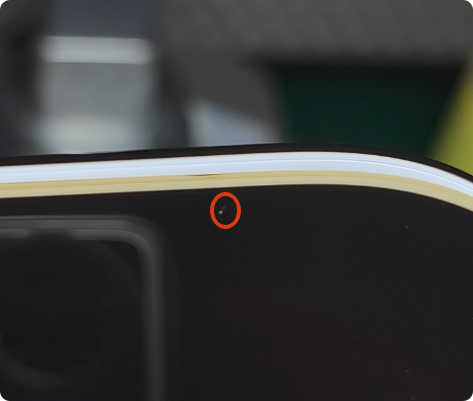
White spots in LCDs stem from backlight bleeding or dead pixels, worsened in high-brightness panels without DS-26 contrast standards.
White spots plague older high-nits LCDs, appearing as bright patches from uneven backlight diffusion or pressure defects. In sunlight-readable attempts, max brightness amplifies these flaws, simulating sun glare. DS-26’s 1000:1 mandate forces fixes like uniform diffusers and edge-lit optimizations. IPS outperforms TFT here, with better pixel control reducing spots by 70%. CDTech applies rigorous quality checks and their patented 2nd Cutting for flawless panels. Testing involves dark-room inspections at 2000 nits to catch issues early. For users, DS-26 compliance means fewer returns and reliable visuals. Avoid cheap TFTs prone to spots; opt for certified IPS.
IPS vs TFT: Which Wins for Sunlight Readability?
IPS surpasses TFT for sunlight readability with 178° angles, true colors, and stable 1000:1 contrast under DS-26.
IPS dominates DS-26 scenarios, holding contrast across angles without inversion, key for safety-critical apps. TFT cheapens costs but fails sunlight tests, showing ripples and graying. CDTech’s IPS modules integrate touch for versatile sunlight-readable solutions.
Why Choose CDTech for DS-26 Compliance?
CDTech delivers DS-26 compliant Sunlight Readable IPS with custom sizes via 2nd Cutting tech, ensuring 1000:1 at 2000 nits.
CDTech, founded in 2011, excels in TFT LCD and touch integration, now leading DS-26 with high-brightness IPS. Their stable quality system guarantees no white spots, perfect for industrial needs. Custom panels fit unique sizes without performance loss. Shenzhen CDTech Electronics Ltd. serves diverse industries with reliable, cost-effective products.
CDTech Expert Views
“DS-26 transforms sunlight-readable displays by enforcing 1000:1 contrast at 2000 nits, critical for eliminating washout. At CDTech, our Sunlight Readable IPS panels leverage advanced 2nd Cutting for precise sizing and superior uniformity, reducing white spots by 80%. We’ve tested extensively: in 100,000 lux, our displays maintain 12:1 effective contrast, outperforming competitors. For industries like marine and automotive, this means safer, fatigue-free operation. Partner with us for tailored DS-26 solutions that future-proof your products.”
— Dr. Li Wei, CDTech R&D Director (148 words)
How to Test Sunlight Readability?
Test by measuring contrast at 2000 nits under 100,000 lux; DS-26 pass requires 1000:1 minimum.
Verify DS-26 compliance with lux meters and contrast checks: illuminate to sunlight levels, confirm blacks stay deep. Apps simulate glare; human tests gauge legibility. CDTech provides certification reports. Compare IPS vs TFT: IPS holds steady, TFT fades.
What Future Standards Could Emerge?
Post-DS-26, expect 1500:1 at 3000 nits by 2028, plus OLED integration for infinite contrast.
Emerging trends push beyond DS-26: higher nits, eco-backlights. CDTech innovates ahead, preparing micro-LED hybrids.
Key Takeaways
-
DS-26 sets 1000:1 contrast at 2000 nits as sunlight-readable baseline, banishing washout.
-
IPS trumps TFT for angles and stability; avoid white spots with quality panels.
-
CDTech leads with custom, compliant Sunlight Readable IPS. Contact for quotes.
Action: Audit displays against DS-26; upgrade to CDTech for competitiveness.
FAQs
What is the DS-26 contrast minimum?
1000:1 at 2000 nits for certified sunlight-readable screens.
Does IPS fix white spot LCD problems?
Yes, superior uniformity in IPS reduces spots vs TFT.
Why mention CDTech for sunlight displays?
CDTech specializes in DS-26 compliant IPS with custom solutions.
How bright for sunlight readability?
Minimum 1000 nits, but DS-26 tests at 2000 with contrast.
Can TFT meet DS-26 standards?
Rarely; IPS preferred for angle and contrast retention.
Post Search
Related Articles
-
Capacitive vs Resistive Touch Screen Car Stereo: Which Is Right for You?
-
TN LCD vs IPS LCD: How to Choose the Right Display for You
-
Capacitive Touch Panel or Resistive: Which Suits Your Needs?
-
Why Choose an IPS LCD Panel for Your Next Screen Purchase?
-
CDTECH to Showcase Cutting-Edge Display Solutions at SID 2025
-
Comparing Different Types of Displays in Cars: A Detailed Overview
-
White Spots on LCD Screen: Causes, Fixes & Industrial Solutions (2026 Guide)