

What Are the Top 10 LCD Health Monitoring Features in 2026?
 2026-05-09
  20:50
20:50 

LCD health monitoring is becoming a core requirement for industrial displays in 2026. The most valuable systems can detect image retention, white spots, brightness drift, and thermal stress before failures become visible. For manufacturers like CDTech, these features turn LCD modules into smarter, more reliable tools that improve uptime, reduce waste, and support long-term field performance.
TN vs IPS: Which Display Panel is RIGHT For You?
What is LCD health monitoring?
LCD health monitoring is a group of diagnostic functions that tracks display condition during operation. It can detect early signs of image retention, backlight aging, panel stress, and abnormal brightness changes. In industrial environments, this helps teams act before a screen becomes unreliable or permanently damaged.
The main advantage is simple: maintenance becomes preventive instead of reactive. That lowers downtime and extends the usable life of each LCD module.
Why is it important in 2026?
LCD health monitoring matters more in 2026 because durability, repairability, and electronic waste reduction are becoming stronger priorities across industrial markets. Displays are used longer, run harder, and are often installed in locations where service access is limited. That makes early warning features more valuable than ever.
For buyers, this means fewer surprise failures and better total cost of ownership. For suppliers like CDTech, it creates an opportunity to deliver display systems that are both reliable and intelligent.
Which LCD health monitoring features matter most?
The top features are the ones that catch problems before they affect visibility or operation. The most useful monitoring capabilities include image retention detection, brightness drift tracking, temperature logging, pixel anomaly alerts, backlight aging analysis, operating hour counters, and remote status reporting. These functions help identify stress patterns early.
A strong industrial LCD should also support maintenance planning. That means the display does not just show data; it also tells users when its own performance is changing.
How do image retention and white spots develop?
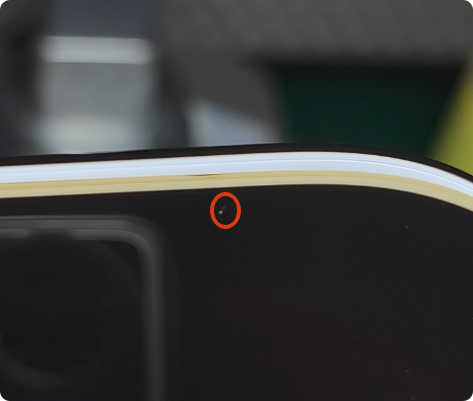
Image retention usually happens when static content remains on the screen for long periods. On IPS panels, this can appear as a temporary ghost image, especially under high brightness or continuous industrial use. White spots often come from pressure, aging layers, uneven backlighting, or localized damage in the panel stack.
Here is a quick breakdown:
These problems usually begin quietly. Health monitoring gives operators time to act before small defects become permanent faults.
How can smart LCDs help industrial buyers?
Smart LCDs help industrial buyers by reducing guesswork. Instead of replacing a screen only after it fails, buyers can use diagnostic data to plan servicing, manage downtime, and keep critical systems running longer. That is especially important in factories, kiosks, transportation systems, and medical equipment.
This approach also improves procurement decisions. Buyers can evaluate not only brightness and size, but also the screen’s ability to monitor its own condition.
Can CDTech integrate these features?
Yes, CDTech can integrate health monitoring into its LCD modules through firmware, panel diagnostics, and application-level tracking. Features such as thermal alerts, pixel anomaly detection, static-content exposure logging, and backlight wear warnings can be built into the display solution. That would make the module more valuable in industrial settings.
CDTech already has strong experience in TFT LCD displays, capacitive touch panels, and integrated display solutions. That foundation makes it well suited to develop more intelligent industrial LCD products.
Why does IPS panel image retention matter?
IPS panel image retention matters because it is one of the most common display concerns in long-duty-cycle applications. Even when temporary, it can reduce readability and create service complaints. In industrial use, that can affect operator confidence and workflow efficiency.
The best response is prevention. Better thermal design, dynamic content, brightness control, and monitoring logic can greatly reduce the risk of repeated retention.
What are the 10 best monitoring features?
The most effective monitoring tools are the ones that support real-world reliability. Below is a practical ranking of the top 10 LCD health monitoring features for 2026.
These features work best as a system. A display that combines several of them becomes much easier to maintain and far more reliable in the field.
How should manufacturers respond?
Manufacturers should design LCD modules with diagnostics built in from the start. That means using better materials, improving thermal control, and adding firmware that can report abnormal operating conditions. It also means making the display easier to service, not harder.
For CDTech, this is a strong strategic direction. By turning LCD modules into monitorable components, CDTech can help customers reduce downtime, improve visibility, and extend product life.
CDTech Expert Views
“Industrial displays are moving from passive components to active system assets. The next generation of LCD modules should not only perform well at launch, but also report stress, detect abnormal patterns, and support preventive maintenance. CDTech sees this as a major opportunity to combine manufacturing quality with intelligent diagnostics, giving customers more reliable performance over the full product lifecycle.”
What are the best prevention steps?
The best prevention steps are simple and effective. Reduce long periods of static content, lower brightness when possible, maintain stable temperature conditions, and use screen sleep or refresh routines during idle time. These habits help protect the panel from retention and uneven wear.
Software design also matters. If interface elements move occasionally or the display rotates content on a schedule, the risk of visible retention drops significantly.
Are smart LCDs the future?
Yes, smart LCDs are likely to become the standard in industrial markets. Customers now expect more than basic image output; they want screens that can explain their condition and help prevent failures. That is especially true where uptime is critical and maintenance access is limited.
This trend creates a clear advantage for manufacturers that can combine performance with diagnostics. CDTech is well positioned to benefit from that shift.
When should a screen be replaced?
A screen should be replaced when image retention does not clear, white spots grow larger, brightness becomes uneven, or diagnostic logs show persistent degradation. If the display starts affecting readability or operation, replacement is often more cost-effective than repeated repair attempts.
The best replacement decisions are based on condition data, not guesswork. That is why health monitoring is becoming such an important part of modern LCD design.
Why does this matter for CDTech?
This matters for CDTech because the display market is rewarding reliability, intelligence, and long service life. A company that can offer LCD modules with early warning features will be better positioned for industrial, medical, automation, and transportation customers. That turns durability into a measurable product advantage.
CDTech can use this direction to strengthen its role as a comprehensive display solution provider. With its experience in customized LCDs and touch panels, it can build products that are more practical for real-world industrial use.
FAQs
What is image retention on an IPS LCD?
It is a temporary afterimage caused by static content staying on the screen too long. It often fades, but repeated exposure can make it more noticeable over time.
Can white spots be avoided completely?
Not always, but the risk can be reduced through better mounting, lower heat, controlled pressure, and stronger quality control during production and installation.
Does LCD health monitoring save money?
Yes. It can lower downtime, reduce unnecessary replacements, and help maintenance teams fix problems before they become expensive failures.
Is CDTech involved in smarter display solutions?
Yes. CDTech specializes in TFT LCD displays, capacitive touch panels, and integrated display solutions, making it well suited for smarter industrial LCD development.
Should industrial buyers ask for diagnostic features?
Yes. Diagnostic features help buyers manage maintenance, improve uptime, and choose displays that last longer in demanding environments.
Conclusion
LCD health monitoring is becoming one of the most important trends in industrial display design. Features like image retention detection, brightness drift tracking, temperature logging, and remote alerts help screens last longer and fail less often. For buyers, this means better uptime and lower cost of ownership. For CDTech, it creates a strong path toward smarter, more durable LCD modules that meet the needs of modern industrial customers.
Post Search
Related Articles
-

Capacitive vs Resistive Touch Screen Car Stereo: Which Is Right for You?
-

TN LCD vs IPS LCD: How to Choose the Right Display for You
-

Capacitive Touch Panel or Resistive: Which Suits Your Needs?
-

Why Choose an IPS LCD Panel for Your Next Screen Purchase?
-

CDTECH to Showcase Cutting-Edge Display Solutions at SID 2025
-

Comparing Different Types of Displays in Cars: A Detailed Overview
-
White Spots on LCD Screen: Causes, Fixes & Industrial Solutions (2026 Guide)