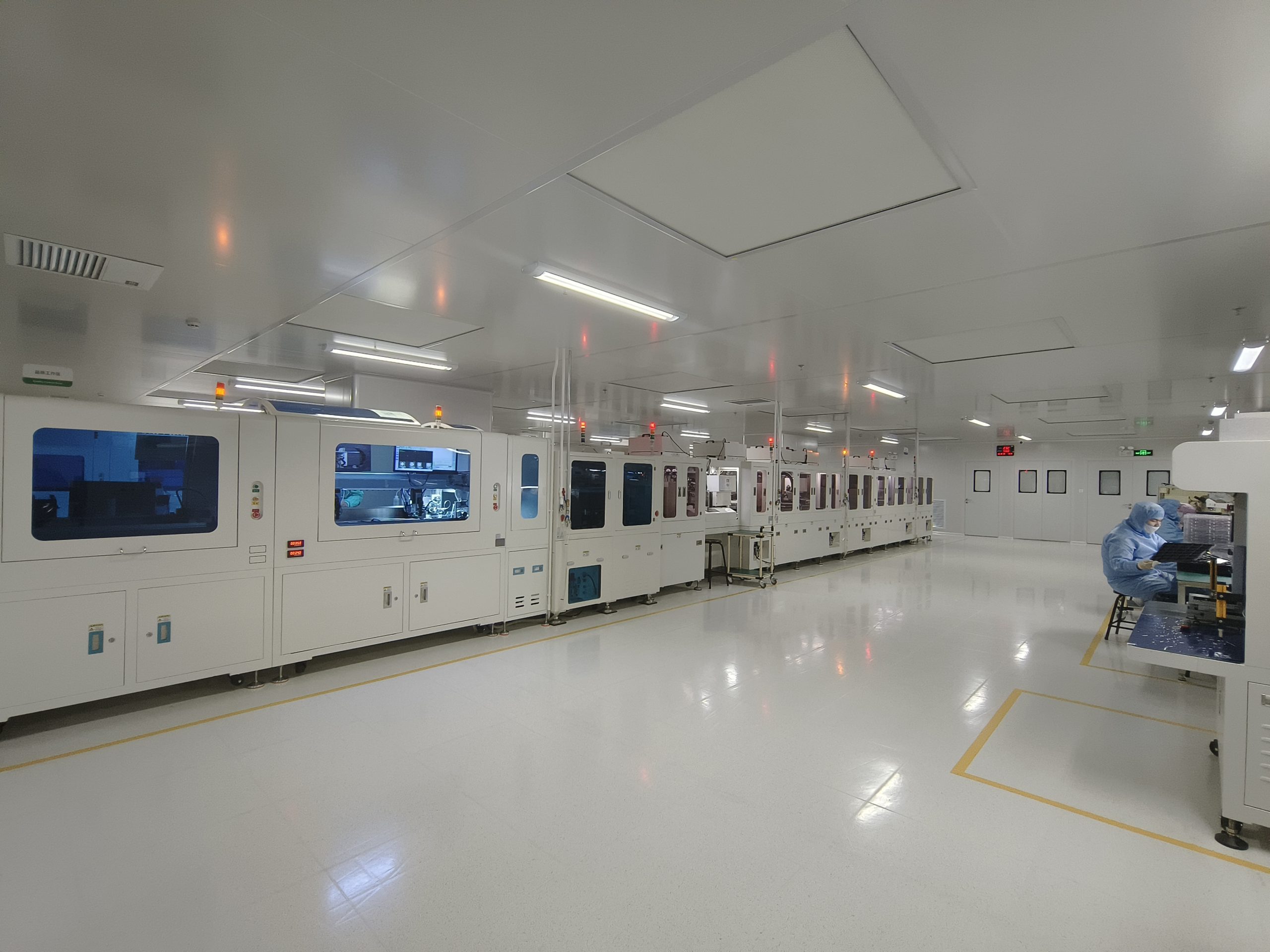
• Class 1000 Cleanroom Manufacturing
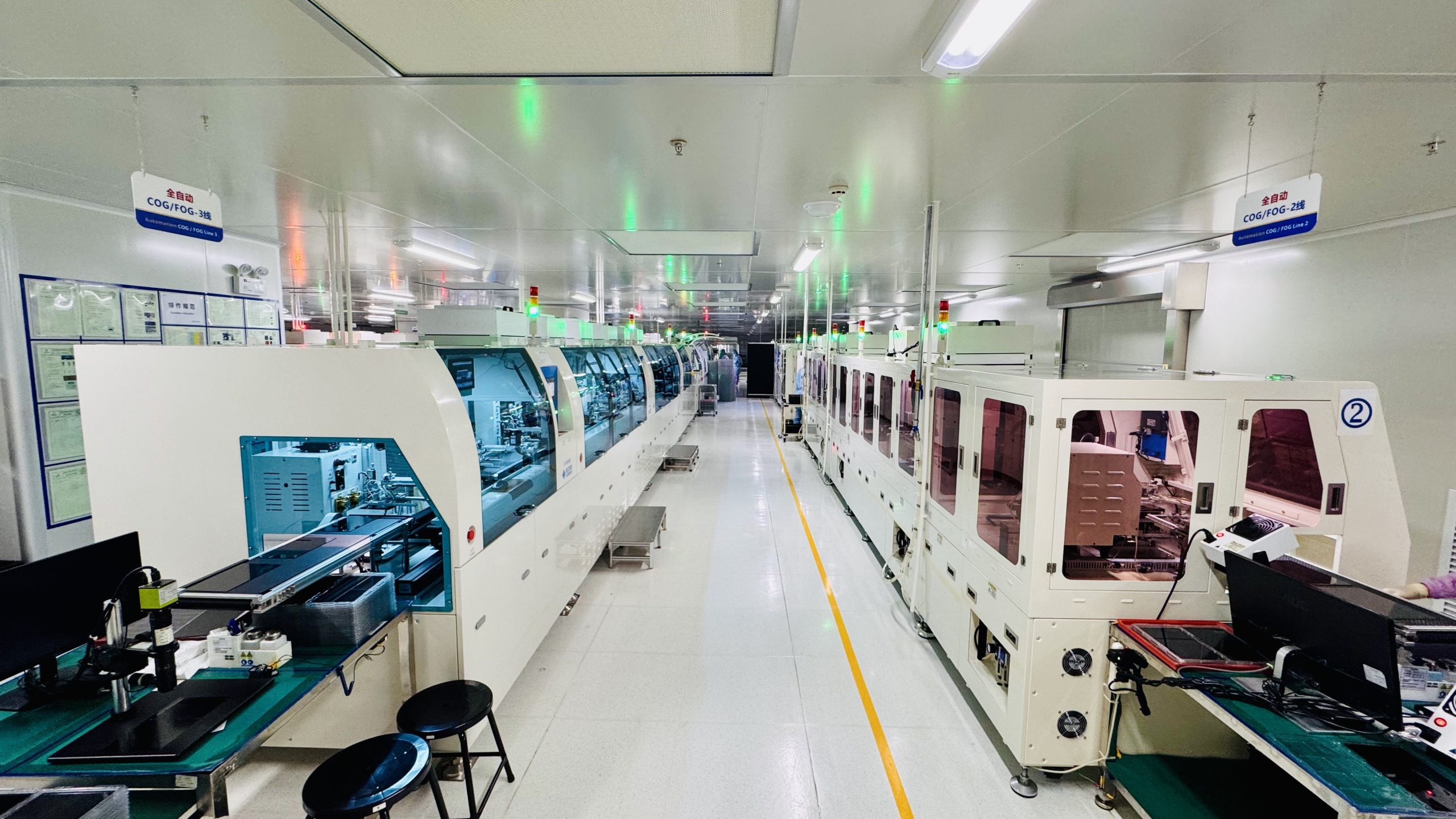
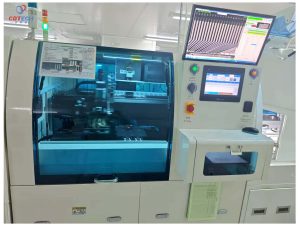
    COG & FOG Automatic Bonding

    Single LCD Module Manufacturing Process

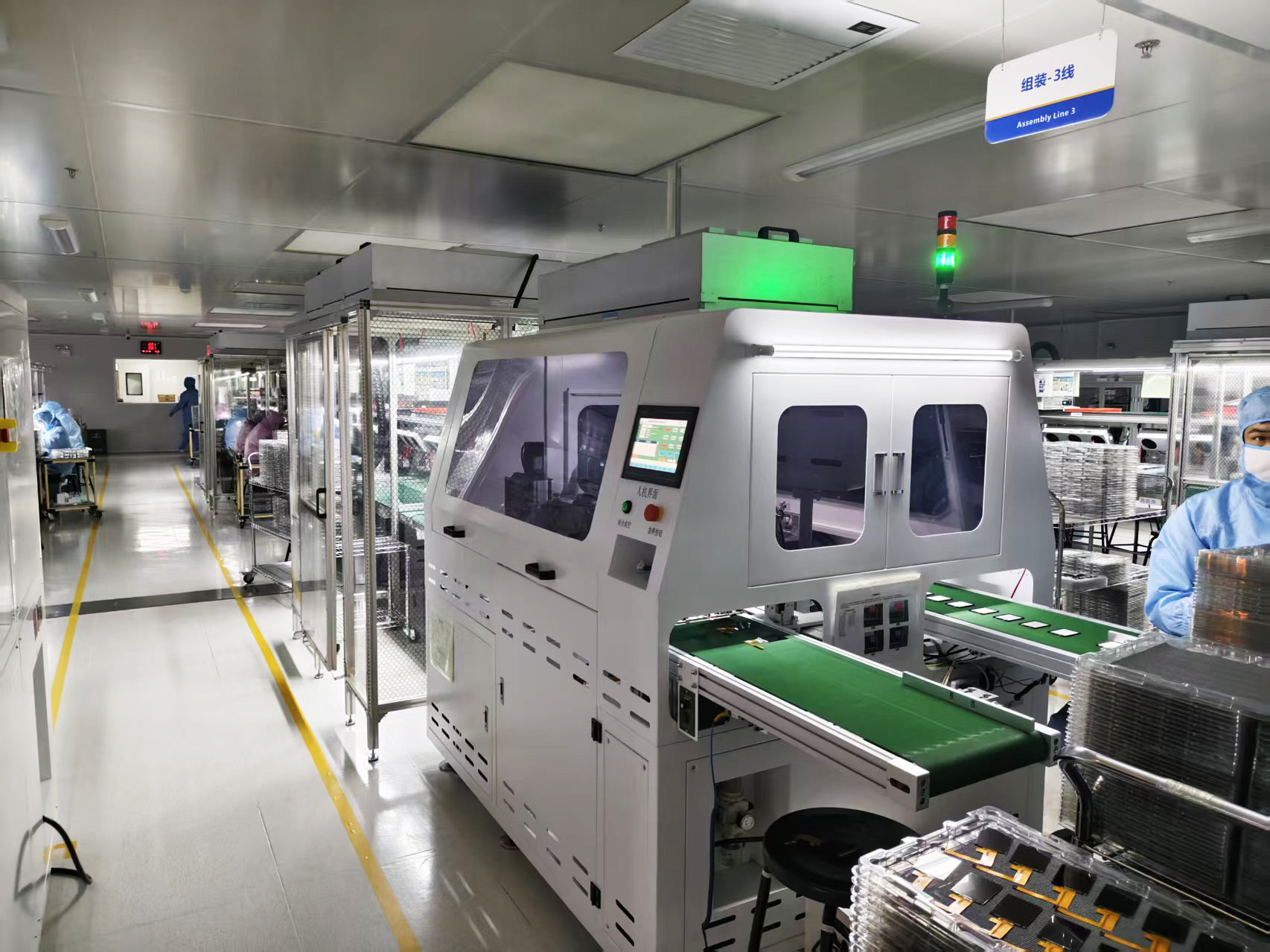
    Our LCD modules are manufactured in Class 1000 dust-free workshop. Strict environment control effectively avoids dust pollution, ensures stable display effect and high finished product rate, suitable for industrial control, vehicle, medical and other mainstream application fields.

    LCD Description

    Adopt full-automatic CCD high-precision bonding equipment to complete IC and FPC assembly. The production process is mature with large daily output, stable electrical performance and strong anti-vibration ability, which can meet long-term stable use in complex environments.

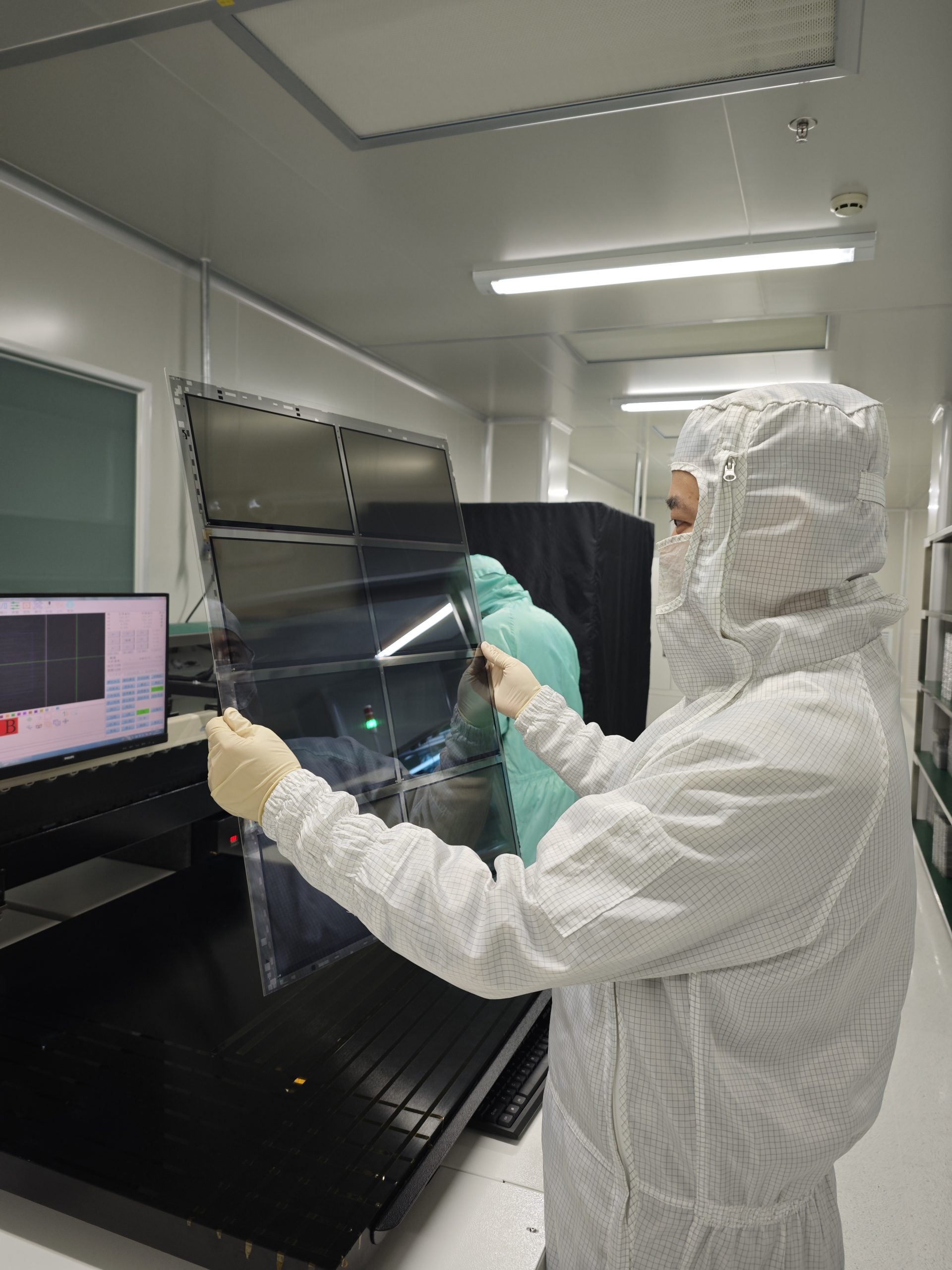
  • 10.1 inch large plate glass cutting process

    LCD Cutting & Pre-Inspection

    The process begins with precision LCD Cutting & Splitting using diamond wheel scribing technology. Each panel undergoes LCD Electrical Testing for basic functionality, followed by thorough cleaning in a Class 1000 cleanroom to remove debris, dust, and oil residues. This pre-inspection ensures only defect-free panels proceed to the next steps.
     
     
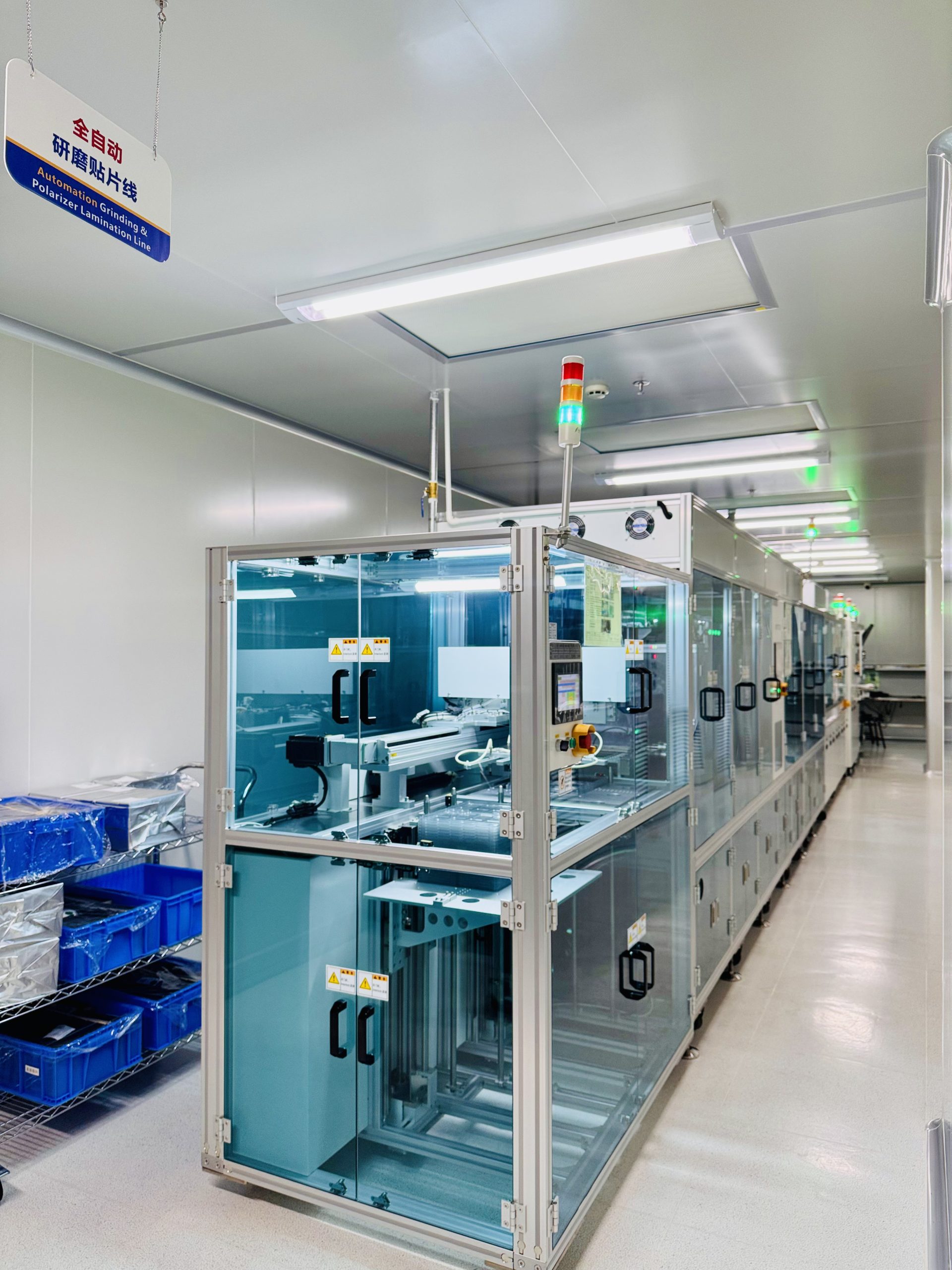
  • Fully automatic grinding and patching line

    Polarizer Lamination & Defoaming

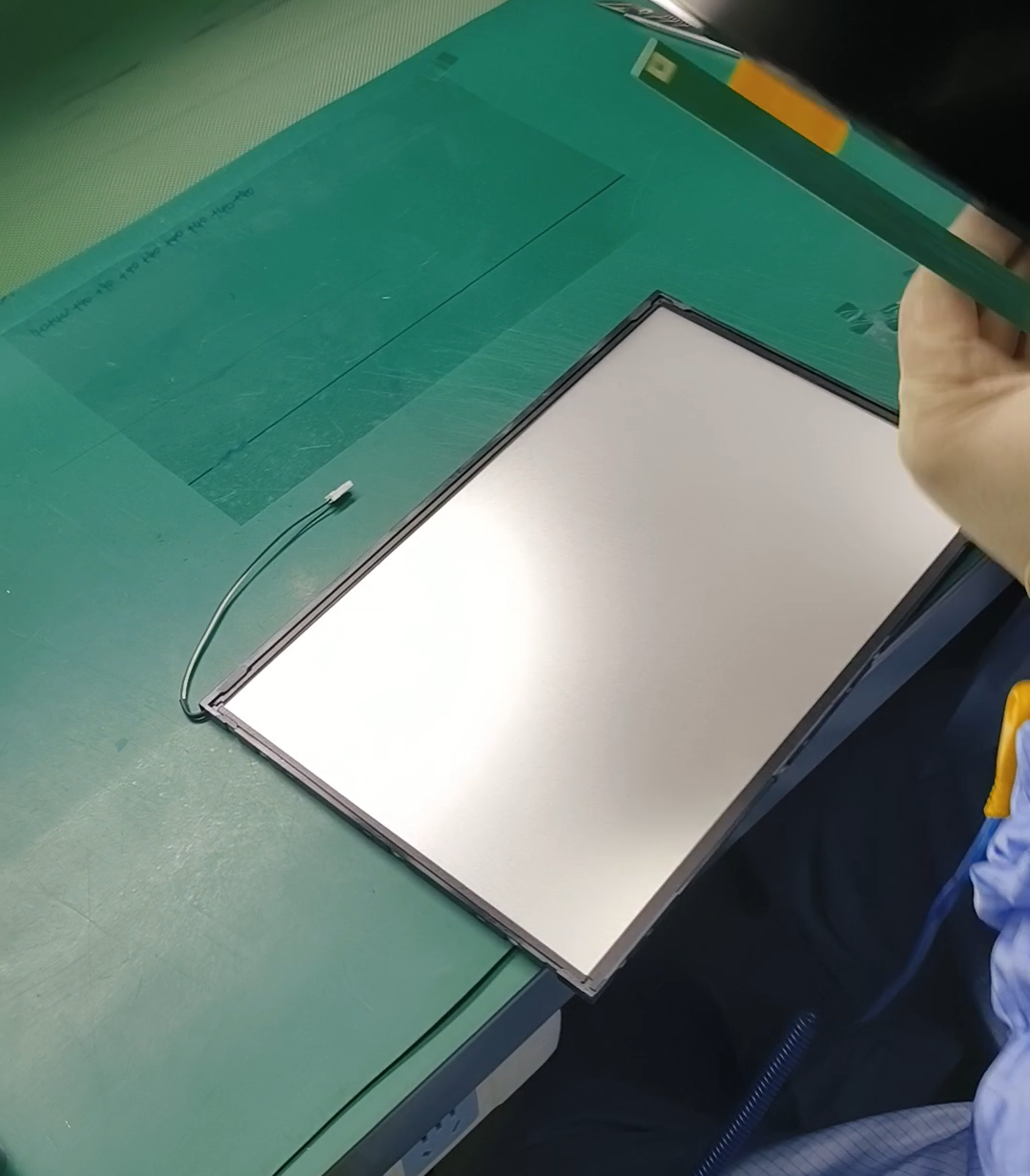
    After cleaning, panels go through Automatic Polarizer Lamination, where polarizer films are bonded to the LCD surface using high-precision lamination equipment. This is followed by AOI (Automated Optical Inspection) to detect alignment errors, bubbles, or scratches.
     
    Panels then enter the Polarizer Defoaming stage to eliminate micro-bubbles under controlled pressure and temperature, before a final LCD ITO Area Wiping to ensure the electrode surface is perfectly clean for subsequent bonding.
     
    AOI automated optical inspection for LCD screen defect detection
  • COG & FOG Automatic Bonding

    COG & FOG Automatic Bonding

    This stage combines two key bonding processes using fully automatic CCD-aligned equipment:
    • COG (Chip-on-Glass): Driver ICs are bonded to the LCD glass using ACF for high-resolution signal transmission.
    • FOG (Flex-on-Glass): FPC is bonded to connect the LCD to the main control board.
       

      AOI inspection validates bonding quality and electrical continuity.


    Highlights: The workshop is full of fully automatic machines, and we combine the machines to 2 large production lines. The standard capacity of each line is 800pcs per hour, which is 200K per month. So, our standard capacity of two lines is 400k per month.
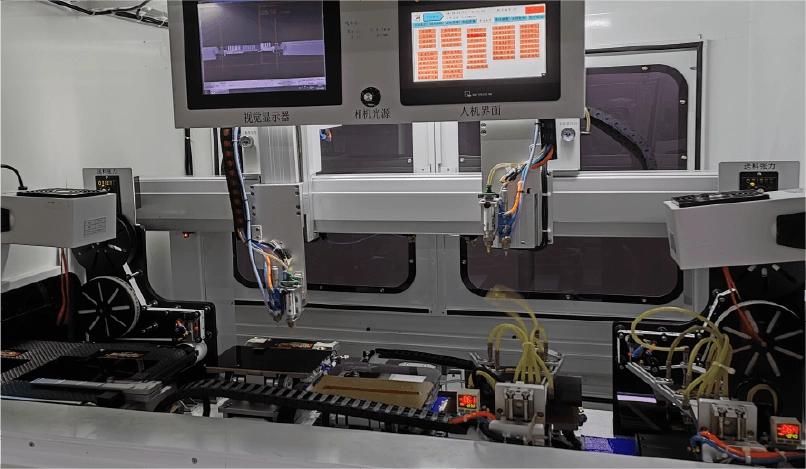
  • Fully-Automatic

    Glue Dispensing & FPC Protection

    The bonded panels go through Automatic Glue Dispensing, where protective epoxy is applied to the bonding area to enhance mechanical strength and moisture resistance. Before dispensing, panels undergo FOG Electrical Testing to confirm signal integrity.
     
    After dispensing, we apply high-temperature tape to the FPC bonding area for protection, followed by FOG Appearance Inspection to check for overflow, bubbles, or alignment defects.
     

    Highlights: The automatic glue machine is composed of three full-automatic machines. Before glue process, our products are all protected in the 100-level dust-free environments of the full-automatic machines, and try to avoid exposure in the air and contact with foreign particles.


  • BL

    Backlight (BL) Assembly & Preparation

    The backlight assembly stage starts with Backlight (BL) Assembly, where the light guide plate, LEDs, and diffusers are assembled into a complete backlight unit. The backlight is then combined with the LCD panel during Bezel (TK) Assembly.
     
    The unit proceeds to Backlight Soldering to connect the power supply, followed by BL Pad Inspection & Cleaning to remove flux residues and ensure reliable electrical connections.
  • Backlight (BL) Assembly & Preparation

    Module Assembly & Functional Testing

    In this stage, the full module is finalized:
     
    • FPC Fixing & Labeling: The FPC is secured with adhesive tape, component labels and peel-off tabs are applied, and the module is assembled into its final form factor.
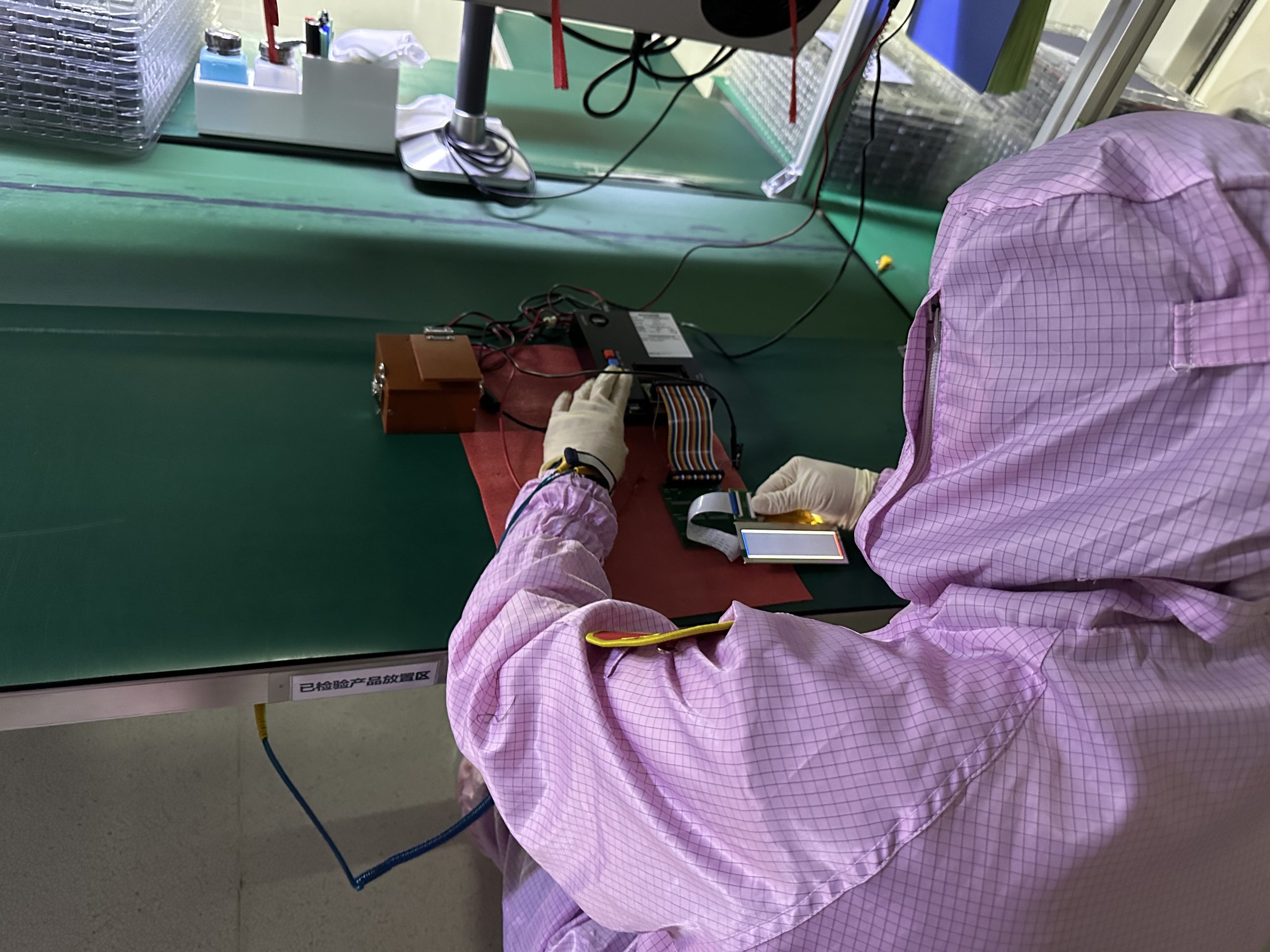
    • LCM Functional Testing: The complete LCD module undergoes full functional testing, including brightness, color uniformity, touch response (if applicable), and interface communication.
     
    This step validates that the module meets all performance specifications before final inspection.
  • IPQC检测

    Final Inspection & Quality Control

    Every module undergoes two levels of final inspection:
     
    1. Final Visual Inspection: Technicians check for cosmetic defects, alignment issues, and any signs of damage from the assembly process.
    2. OQC (Outgoing Quality Control) Inspection: A formal quality audit to verify compliance with customer specifications, including electrical performance, visual standards, and packaging requirements.
     
    Only modules passing both inspections are approved for shipment.
     
  • Warehouse packaging-CDTech

    Packaging, Warehousing & Shipment

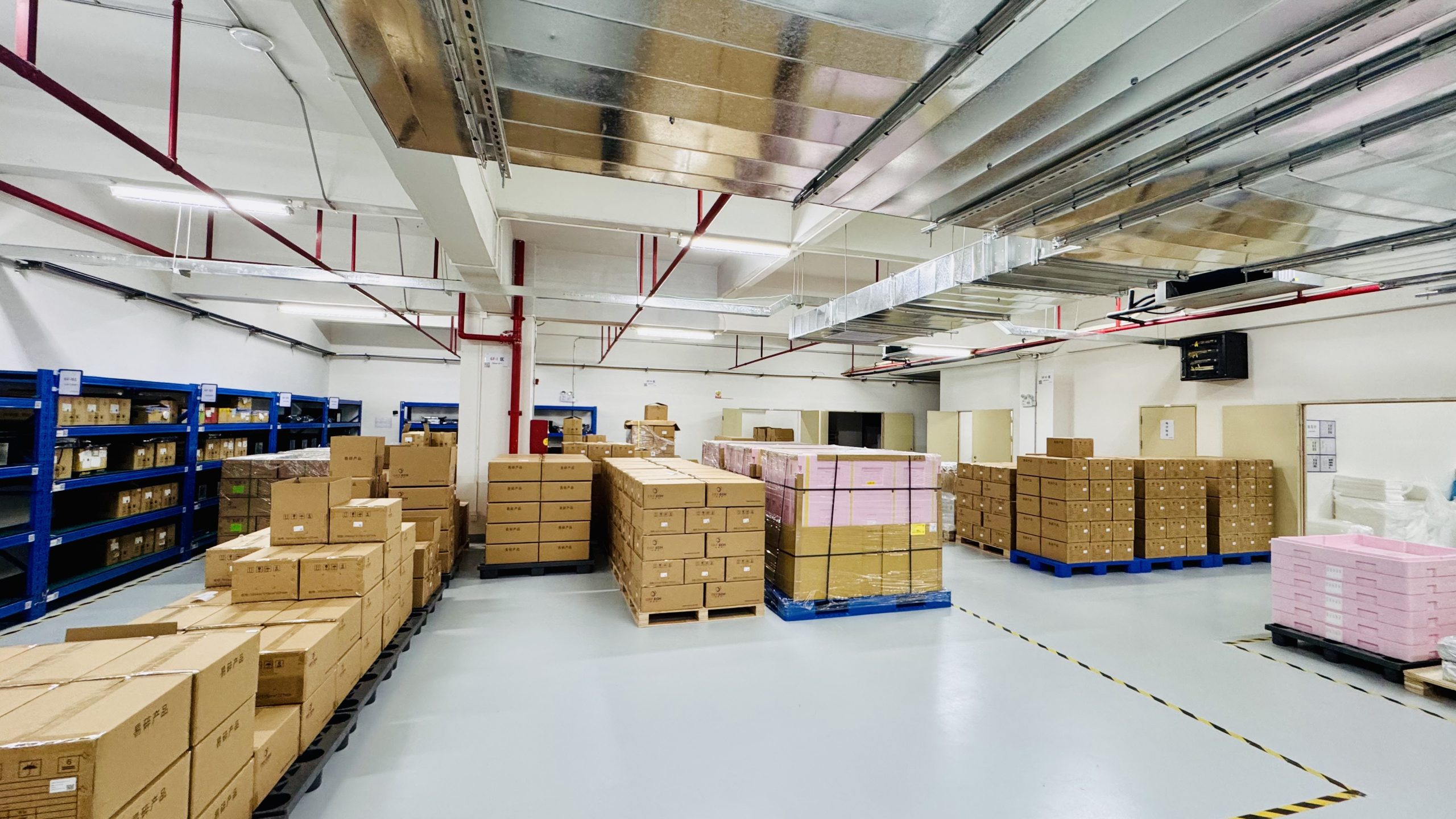
    Approved modules are packed in anti-static ESD bags and shock-absorbent foam inserts to prevent ESD damage and physical impact. They are then loaded into export-grade shipping cartons with full traceability labeling.
     
    Finished modules are stored in a temperature and humidity-controlled warehouse before shipment, ensuring they arrive in perfect condition.


  • pcat-icon4

    7F, Bldg 2, Jiancang Technology Park, No.11 Songgang Blvd., Baoan, Shenzhen